Koprivshtitsa
Bulgaria's best-preserved National Revival village, with six house-museums, cobbled lanes, and the firing point of the 1876 April Uprising against Ottoman
Koprivshtitsa Full-Day Tour - Back to the 19th Century
Quick facts
- Distance from Sofia
- 110 km east (1.5 hr by car, 2 hr by train)
- Population
- ~2,300 (permanent residents)
- House-museums
- 6 (joint ticket available)
- Altitude
- 1,070 m
- April Uprising
- Started here, 20 April 1876
What is Koprivshtitsa? A small mountain town at 1,070 m that contains the most coherent concentration of Bulgarian National Revival architecture in the country. Six house-museums, a cobbled central square, a wooden bridge, and — historically — the starting point of the April Uprising of 1876 that ultimately led to Bulgaria’s liberation from Ottoman rule. An honest, quiet village that rewards visitors who move slowly.
| Where | Sredna Gora mountains, 110 km east of Sofia |
| Cost | Joint house-museum ticket ~€8–10; lunch €10–15 |
| Time needed | Half a day (3–4 hours) |
| Getting there | 1.5 hr by car, 2 hr by train, or guided tour |
| Best time | May, June, September, October |
Why Koprivshtitsa matters
The April Uprising began here on 20 April 1876 when Todor Kableshkov fired the first shot — the so-called “blood letter” incident. The uprising was crushed within weeks, but the subsequent Ottoman reprisals provoked international outrage (the “Bulgarian Horrors”) that led directly to the Russo-Turkish War of 1877–78 and Bulgarian independence.
For Bulgarians, Koprivshtitsa has the significance of a national origin point. The fact that the village itself is so well preserved — wealthy merchant families built solid houses during the Revival period — makes it the most accessible place in Bulgaria to understand what 19th-century Bulgarian culture looked like before industrialisation arrived.
The six house-museums
A joint ticket covers all six museums (approximately €8–10). Each is a different merchant’s or revolutionary’s home.
Oslekov House: the finest interior, with a grand room painted with scenes from around the world — depicted from descriptions since the owner never travelled there. Built 1856.
Kableshkova House: the home of Todor Kableshkov, who started the April Uprising. Documents, weapons, and period furnishings from the uprising period.
Benkovski House: home of Georgi Benkovski, another uprising leader who organised the Plovdiv region’s forces. Smaller but emotionally significant for Bulgarian visitors.
Lyutova House: decorated interior, good example of the carved wooden ceilings (the wooden ceiling art is a signature of Revival architecture — each room has a different pattern).
Karavelova House: home of the Karavelov family, which produced a national poet and a revival-era politician. Library and study are preserved.
Debelyanova House: youngest of the six, associated with the symbolist poet Dimcho Debelyanov. Smaller but pleasant garden.
Look up as well as around in each house. The painted and carved ceilings, the built-in benches along the walls and the way the upper floors project over the street all tell you how a prosperous family lived and received guests. Guides and information panels help, but a few quiet minutes in each main room, simply taking in the proportions and the craftsmanship, often leaves a stronger impression than reading every label.
You do not need to visit all six if time is short — Oslekov and Kableshkova together cover the artistic and historical highlights in about 1.5 hours.
| House-museum | Best for | Time |
|---|---|---|
| Oslekov House | Interior decoration, painted room | 25–30 min |
| Kableshkova House | Uprising history | 20–25 min |
| Benkovski House | Emotional significance, less crowded | 15–20 min |
| Lyutova House | Carved wooden ceilings | 15–20 min |
| Karavelova House | Literary and political history | 15–20 min |
| Debelyanova House | Quiet garden, poetry connection | 15 min |
For the wider architectural context of what makes these houses distinctive, the Bulgarian Revival architecture guide explains the style across the whole country, not just this one village.
GetYourGuideKoprivshtitsa Full-Day Tour - Back to the 19th CenturyCheck availability →The village itself
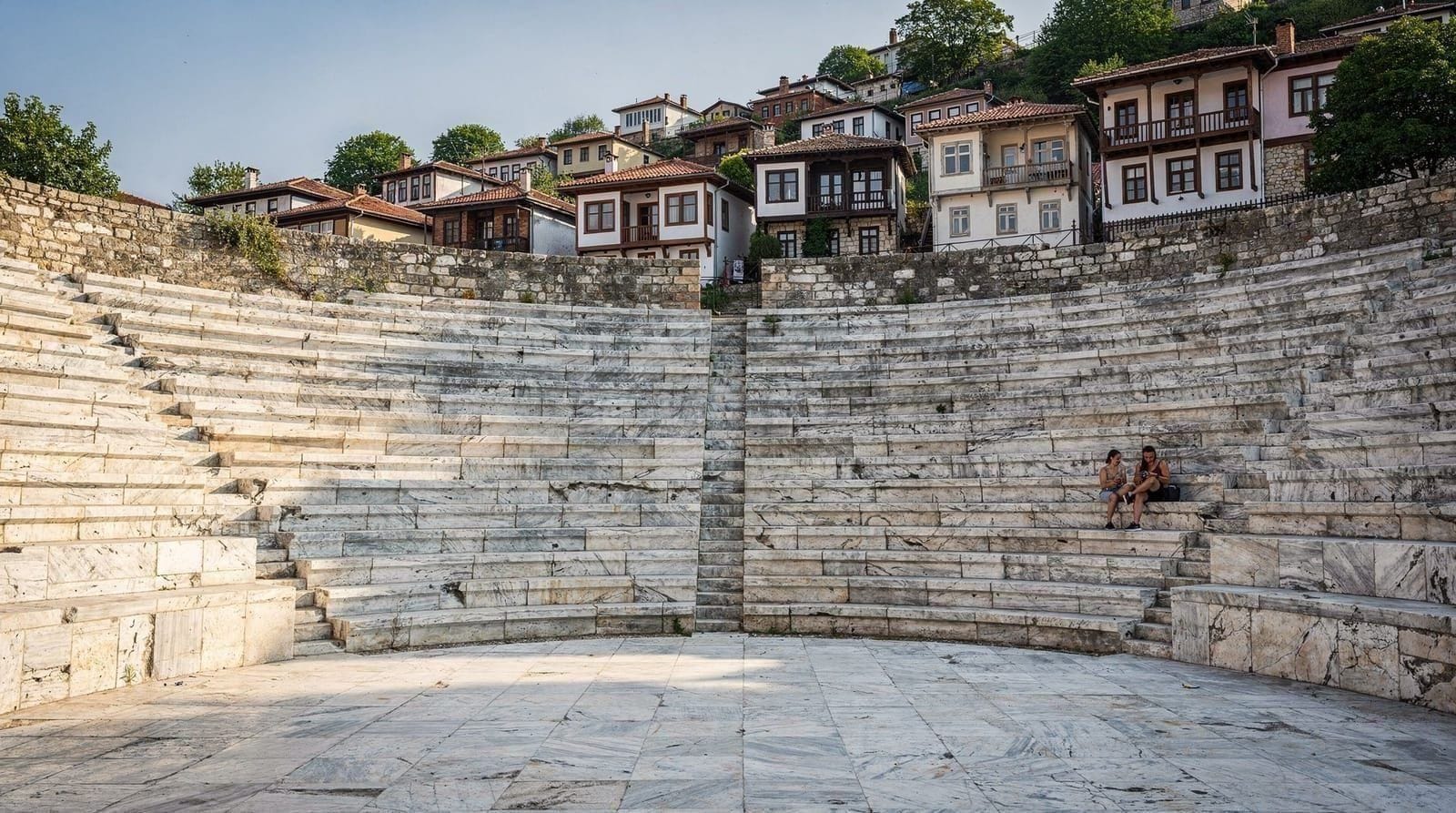
Central Koprivshtitsa is highly walkable — the main sights are within a 1.5 km radius of the central square. The April 20 Square is the hub, with the small Assumption Church (painted exterior), the Old Bridge (a reproduction of the original bridge used during the uprising), and the community centre.
The lanes running from the square have almost no commercial intrusion — no souvenir shops on every corner, no restaurant chains. The buildings are overwhelmingly residential, occupied by local families, with the house-museums interspersed. This is what makes Koprivshtitsa feel different from over-curated heritage sites: people actually live here.
Respect for private property means not looking into windows or entering courtyards without invitation, even if gates are open.
How to spend a slow half-day
The village does not reward a fixed route, but a simple rhythm works well. Start at the central square before the day-trip groups arrive, walk the lanes with no particular target, and let the house-museums punctuate the stroll rather than dictate it. Stone-paved lanes, wooden gates and high courtyard walls are as much part of the experience as anything behind a museum door, so leave time to simply look at the streetscape.
Wear shoes with real grip. The cobbles are uneven, they get slippery after rain, and the lanes climb and drop more than the flat central square suggests. A light layer is useful even in summer, because a mountain village cools quickly in the shade and once the sun goes behind the ridge.
Photographers will find the best light early or late, when the painted façades and carved eaves pick up warm tones and the lanes are empty. Midday, with groups in the square, is the weakest time for pictures and for quiet.
If you are building a wider trip around the capital, the Koprivshtitsa day trip guide covers the logistics of the outing from Sofia in more practical detail, and the broader day trips from Sofia overview helps you weigh it against the other options.
Koprivshtitsa with wine: Starosel combination
The Thracian hero cult site and winery at Starosel (40 km west of Koprivshtitsa) combines an ancient Thracian cult complex with a modern winery. The Cellar at Starosel is one of Bulgaria’s better-known wineries. A day trip from Sofia that stops at Koprivshtitsa in the morning and Starosel for lunch and wine tasting in the afternoon works well. The Thracian cult complex adds a layer of ancient history to complement the 19th-century focus of the village itself — the Thracian heritage guide covers Starosel and other sites of this type across the Thracian Valley.
GetYourGuideKoprivshtitsa and Starosel Day Trip with Wine TastingCheck availability →Getting there from Sofia
By train
Direct train from Sofia Central Station to Koprivshtitsa: approximately 2 hours. Trains are infrequent (check schedule in advance). The Koprivshtitsa station is 8 km from the village — a taxi meets the train (approximately €5).
By car
110 km east on the Trakia highway, then south into the mountains. 1.5 hours in good conditions. Parking at the village edge; the centre is pedestrian.
By guided tour
Several Sofia operators run Koprivshtitsa day tours, some combined with Plovdiv or the Rose Valley. Group tours approximately €25–40.
Koprivshtitsa + Plovdiv combined
This combination works but requires discipline: 2 hours in Koprivshtitsa, then 90-minute drive to Plovdiv, 2–3 hours in Plovdiv Old Town, back to Sofia. A long day but feasible. See the Plovdiv guide for what the second half of that day involves.
GetYourGuideFrom Sofia: Plovdiv and Koprivshtitsa Full Day TourCheck availability →Koprivshtitsa + Rose Valley combined
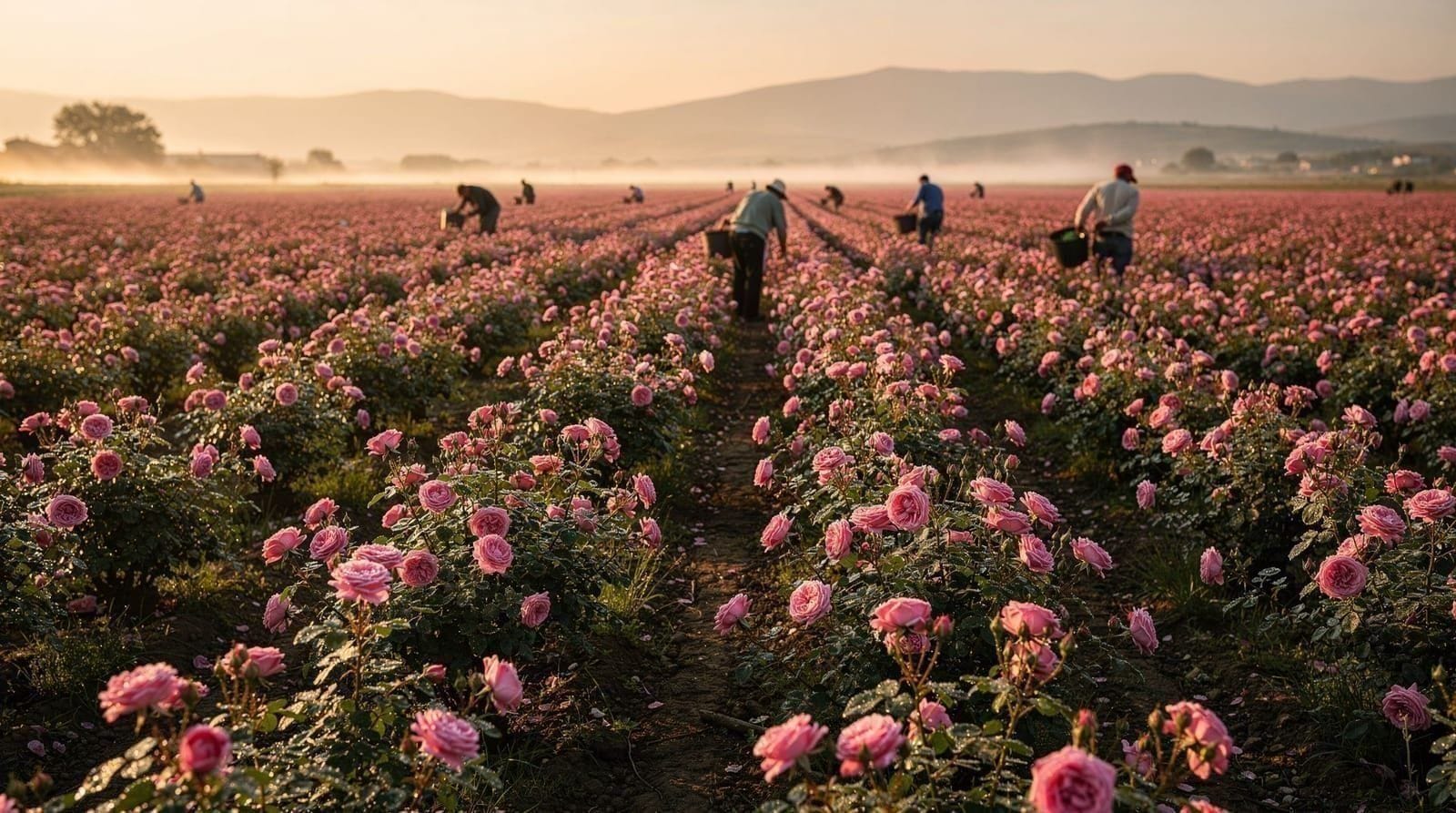
The 12-hour version of this combination pairs Koprivshtitsa with the Kazanlak Rose Valley rather than Plovdiv — village heritage in the morning, rose fields or the Thracian tomb in the afternoon, timed for the rose harvest season if possible.
Sofia: Rose Valley and Koprivshtitsa 12-hour tourFitting Koprivshtitsa into a longer trip
Koprivshtitsa works best as a contrast to the city. After a few days in Sofia among Orthodox domes, Roman remains and socialist-era boulevards, the village shows a very different Bulgaria: wooden, domestic, human in scale. If you are still deciding how long to stay in the capital, the how many days in Sofia guide and the Sofia in 3 days itinerary show where a village outing fits.
Visitors drawn to the Revival period more generally will enjoy the Bulgarian Revival trail blog post, which links Koprivshtitsa with other towns that kept their 19th-century character. Those who prefer to stack several excursions can compare options in day trips from Sofia ranked, and anyone interested in Bulgarian wine as a thread through the trip will find the Bulgarian wine guide a useful companion to the Starosel stop.
Travellers heading on towards the mountains or monasteries can pair this stop with Rila Monastery, though the two are best kept on separate days rather than squeezed together. For history lovers, the Veliko Tarnovo page describes another town where the national story is told in stone and hillside, and makes a natural next chapter on a longer route.
On the practical side, a guided outing removes the question of the station transfer and parking, while independent travellers gain freedom to linger. Both approaches suit the village; which one is better depends on whether you value a fixed schedule or the chance to stay until the light changes. If you are travelling with a car, the stop is also easy to combine with a meal and a gentle walk, without feeling rushed. For general advice on moving around before and after the trip, see the getting around Sofia guide.
When to visit
| Period | Conditions | Crowds |
|---|---|---|
| May–June | Comfortable 18–24°C, green landscape, rose harvest 40 km away | Moderate |
| July–August | Warmer, National Folk Festival years draw large crowds | High in August |
| September–October | Golden autumn landscape, comfortable temperatures | Low |
| Winter | Mountain snow, some house-museums reduce hours on weekdays | Very low |
Rose Festival season (late May–early June): the Rose Valley is 40 km north of Koprivshtitsa — this is a natural combination during the rose harvest period. See Kazanlak Rose Valley guide.
August: busiest month. Koprivshtitsa hosts a major National Folk Festival every five years (next edition dates — check locally). In August generally, the village is more crowded but the atmosphere festive.
Winter: less visited but the mountain snow is attractive. Some house-museums reduce hours or close on weekdays in winter.
Eating in Koprivshtitsa
Dyado Liben Inn is the most recommended traditional mehana — wooden interior, good shopska salad, grilled meats, local wine. Modest prices. The village has several other taverns on and around the central square.
The market around the square in summer sells local honey, dried herbs, and handwoven textiles from village producers — these are genuinely local products, not tourist imports.
Budget for eating: €10–15 for a full lunch with drinks.
Honest assessment
Koprivshtitsa is quieter than most guides suggest it will be. If you go expecting a lively market town or a dense sightseeing circuit, you will find it underwhelming. If you go expecting a well-preserved village where you can walk peacefully, read the house-museum stories at your own pace, and understand something real about Bulgarian 19th-century history, it is one of the most satisfying stops between Sofia and Plovdiv.
The village is not actively maintaining a tourist economy in the way Bansko or Plovdiv’s Old Town do. This is its advantage. For a multi-day route that places Koprivshtitsa alongside other historic stops, see the medieval Bulgaria loop itinerary or the broader Bulgaria highlights 7-day itinerary.
Frequently asked questions about Koprivshtitsa
How do you pronounce Koprivshtitsa?
Ko-PRIV-shti-tsa. The local nickname is Kopriv — most Bulgarians use this informally.
How many hours do you need in Koprivshtitsa?
3–4 hours covers the main square, two or three house-museums, and lunch. A full half-day gives a more leisurely pace. The village does not require a full day.
Is Koprivshtitsa suitable for children?
Yes, in a low-key way — the village is car-free and walkable, and the uprising story has narrative appeal. The house-museums are less interactive than museums aimed at families.
Can you stay overnight in Koprivshtitsa?
Yes — several guesthouses in converted Revival houses operate as accommodation (€30–60 per room). Staying overnight gives you the village before and after the day-trippers arrive and leave.
What is the best house-museum in Koprivshtitsa?
Oslekov House for the interior decoration; Kableshkova House for historical significance. If you only have time for one, Oslekov gives the best sense of the Revival period.
Is the Koprivshtitsa Folk Festival worth seeing?
The Festival of Bulgarian Folk Arts in Koprivshtitsa runs every five years and is one of the largest folk gatherings in the country — authentic performances from across Bulgaria rather than a tourist show. Worth planning a visit around if your timing coincides.
Is Koprivshtitsa or Plovdiv better for Revival architecture?
Plovdiv’s Old Town has more concentrated, ornate mansions and a livelier setting; Koprivshtitsa has a quieter, more residential, arguably more authentic village atmosphere. Different experiences rather than a strict better-or-worse.
Can you combine Koprivshtitsa with the Rose Valley?
Yes — a 12-hour combined tour covers both, best timed for the late May–mid-June rose harvest. See the Kazanlak Rose Valley guide for what the second stop involves.
Top experiences
Bookable activities with verified prices and instant confirmation on GetYourGuide.