Bulgaria highlights: 7-day itinerary covering Sofia, Rila, Plovdiv, Veliko Tarnovo, and Bansko
Sofia: Communist Walking Tour
Seven days is enough to see Bulgaria’s five most significant destinations without excessive rushing. This itinerary covers Sofia (two full days), a day at Rila Monastery, Plovdiv (one full day plus overnight), Veliko Tarnovo (one full day plus overnight), and Bansko with the Pirin National Park. A rental car is the right approach for days three through seven; you can do days one and two in Sofia on foot and by metro.
Total driving across the week: approximately 700 km. No single driving day exceeds three hours. All roads are in reasonable condition; the main motorway network connects Sofia, Plovdiv, and the south. The road to Bansko from Plovdiv is a mountain road through the Rhodopes — fine in good conditions but allow extra time.
| Route | Sofia → Rila Monastery → Plovdiv → Veliko Tarnovo → Bansko → Sofia |
| Total driving | Around 700 km, no single day over 3 hours |
| Car needed | Yes, from day 3 onward (days 1–2 in Sofia are on foot/metro) |
| Best time | May–June or September–October |
| Budget per person | Roughly €500–760, excluding flights |
| Pace | Moderate — one full day per stop, two in Sofia |
Why this order makes sense
The logical route forms a rough circuit: Sofia south to Rila, east to Plovdiv, north to Veliko Tarnovo, west back toward Bansko and home to Sofia. This avoids doubling back and keeps driving distances manageable each day. The alternative — doing Veliko Tarnovo before Plovdiv — adds roughly 100 km of unnecessary driving.
If you are arriving by plane at Sofia Airport, pick up the car on day three morning, which means Sofia itself (days one and two) requires no car at all. Central Sofia is compact and walkable; the metro handles the Alexander Nevsky–Serdica–NDK circuit without difficulty.
Day 1: Arrive Sofia — first evening
Arrive, check in, and resist the urge to over-plan the evening. If you land before 17:00, walk south along Vitosha Boulevard (Vitoshka) — the pedestrian main street — from the National Palace of Culture toward the centre. The boulevard is animated in the evening with people eating outside, and the Vitosha mountain visible at the southern end of the street gives immediate context for the city’s geography.
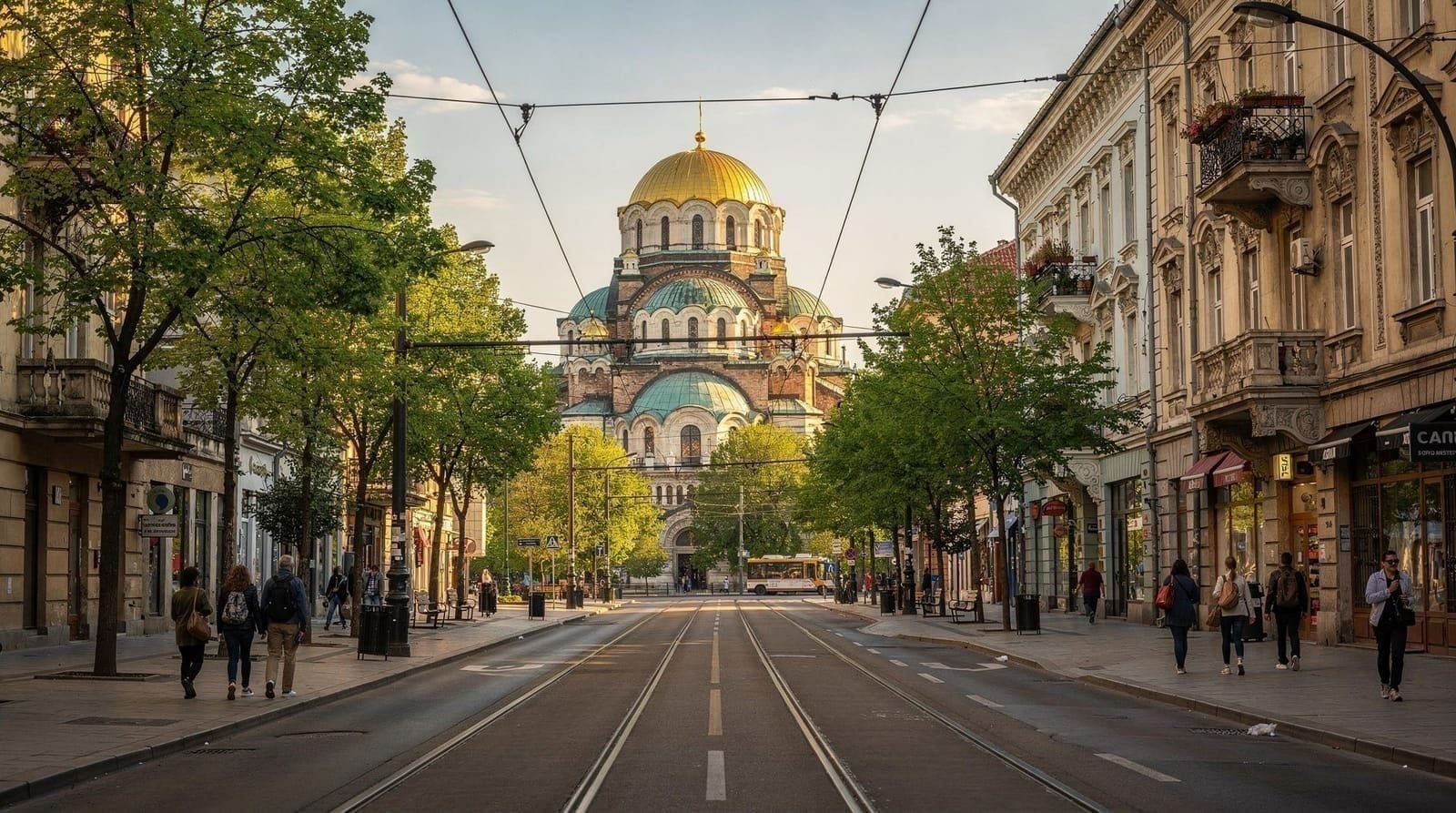
If you have the energy, walk east along Tsar Osvoboditel Boulevard to Alexander Nevsky Cathedral for a look at the exterior. The square around it is pleasant in the evening and the scale of the Neo-Byzantine structure is clearer when it is lit. The cathedral is open until late.
Dinner on Vitosha Boulevard or in the adjacent streets. Sofia’s restaurant scene has expanded substantially since 2020 — look for places with handwritten menus and Bulgarian-language chalkboards on Graf Ignatiev Street parallel to Vitoshka for more local character.
Day 2: Sofia — full day of history and communist architecture
Spend the morning in the core historic area. Start at Serdika Metro Station, where glass panels reveal the street-level ruins of Roman Serdica, the 4th-century city that Emperor Constantine reportedly considered making the capital of the Roman Empire. The ruins are free to see during metro operating hours.
The National Archaeology Museum, in a converted Ottoman mosque two minutes’ walk from the metro, opens Tuesday–Sunday around 10:00. Entry costs approximately €5. The Thracian gold collection, the Roman sculpture, and the medieval section occupy a building that is architecturally interesting in its own right.
Walk north to Largo Square to examine the Stalinist government buildings constructed in the 1950s. The ensemble — the Communist Party Headquarters (now administrative offices), the Presidency, the Council of Ministers — was built to a consistent 1950s Soviet neoclassical standard and remains remarkably intact. The former party building at the centre of the complex is worth understanding in terms of what it was built to communicate.
GetYourGuideSofia: Communist Walking TourCheck availability → GetYourGuideSofia: Adventure Tour to Plovdiv and Rhodope MountainCheck availability →After lunch, take the metro or a taxi to the Museum of Socialist Art (about 3 km south of centre). The outdoor sculpture park collects monumental communist-era statues removed from Bulgarian public spaces after 1989 — leaders, workers, ideological allegories — in a garden setting that allows them to be read dispassionately rather than politically. Entry is approximately €3. Budget ninety minutes.
In the late afternoon, continue south to Boyana Church (UNESCO World Heritage Site) and the National Historical Museum next to it. Boyana Church contains 13th-century frescoes considered some of the finest examples of medieval Bulgarian art; entry is time-limited (tours of small groups only) and costs approximately €10. Book ahead in summer. The National Historical Museum holds the Panagyurishte Gold Treasure and other major Thracian, medieval, and Liberation-era artefacts; entry around €5–6. The museum closes on Mondays.
GetYourGuideSofia: Night Walking Tour with GuideCheck availability →Allow time for dinner back in central Sofia. This is your last evening in the city, so it is a good occasion for Bulgarian wine and a proper sit-down meal. The restaurants around Graf Ignatiev Street and the streets between Vitoshka and the Vitosha Mountain metro station serve good traditional Bulgarian food at honest prices — expect €15–25 per person with wine.
Day 3: Rila Monastery — a full day in the Rila Mountains
Pick up the rental car in the morning. Most rental offices in Sofia are either at the airport (easiest if you have the car delivered there) or at addresses in the centre near Tsarigradsko Shose. Drive south on the A3 motorway past Blagoevgrad, then east along the Rila valley road to the monastery. The total distance is approximately 120 km; allow two hours including a fuel stop.
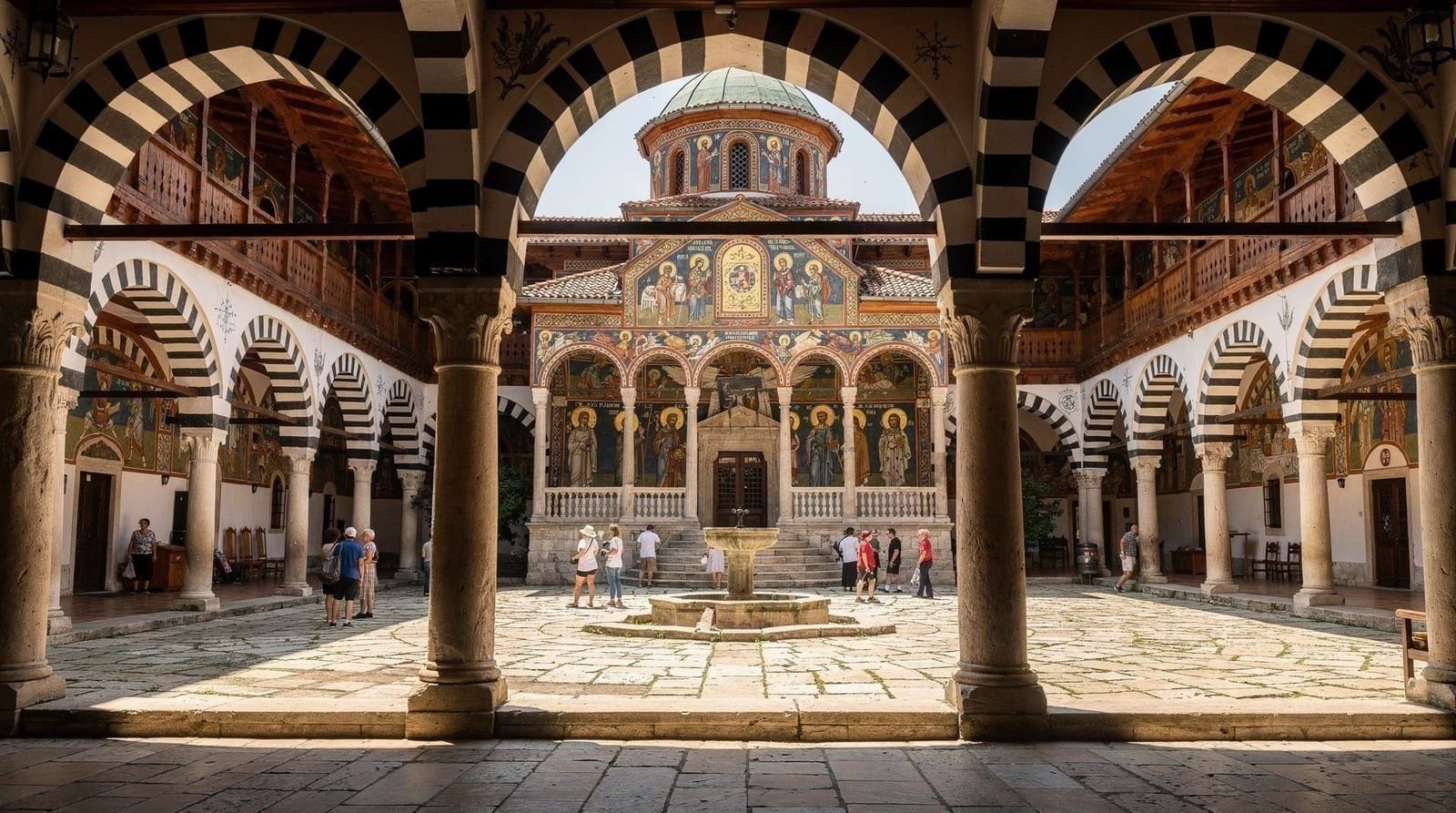
Rila Monastery is the largest and most significant Orthodox monastery in Bulgaria, founded in the 10th century by the hermit St. Ivan of Rila. The current complex dates mainly from the 1830s–1840s reconstruction after a fire, which accounts for the vivid condition of the frescoes that cover the portico and outer walls. The UNESCO listing (since 1983) gives some sense of the international assessment of its importance. The Rila Monastery guide covers the site in more depth if you want to prepare before arrival.
Entry to the monastery courtyard is free. The Hrelyo Tower — the only surviving medieval structure from the original 14th-century monastery — charges approximately €2 to climb. The main church (Uspenie Bogorodichno) has frescoes on the exterior portico that are worth spending thirty minutes examining closely: scenes from the Last Judgement, saints’ lives, and a visual theology typical of post-Byzantine Balkans. Photography inside the church is limited; the crypt of St. Ivan of Rila is a place of active religious observance.
The monastery museum, to the right of the main entrance, holds the Raphael Cross — a wooden cross carved by the monk Raphael over twelve years in the early 19th century, containing 1,500 figures within an area of about half a square metre. Entry to the museum costs approximately €3–4.
GetYourGuideFrom Sofia: Full Day Trip to Rila MonasteryCheck availability →Allow three to four hours at the monastery itself. If you want to extend the day, the trail behind the monastery climbs toward the cave of St. Ivan of Rila (about 2 km uphill, one hour round trip). The cave is an active pilgrimage site; the tradition is to pass through the narrow rock passage as a test of spiritual worthiness. Physically it requires ducking and crawling through a tight gap — not suitable for anyone with claustrophobia.
Leave the monastery by 15:00 to drive to Plovdiv (approximately 130 km east, one and a half hours). Check in, walk the old town briefly if energy permits, and eat dinner in the Kapana quarter.
Day 4: Plovdiv — Old Town, Kapana, Roman amphitheatre
Plovdiv is the right size for one full day. The Old Town (Staria Grad) sits on three of the seven hills the city was built on and contains National Revival–era mansions, medieval churches, Roman ruins, and art galleries in compressed proximity. The Kapana quarter (“The Trap”) immediately below the Old Town is the creative district, full of independent cafés, galleries, and restaurants that have taken over Soviet-era industrial buildings.
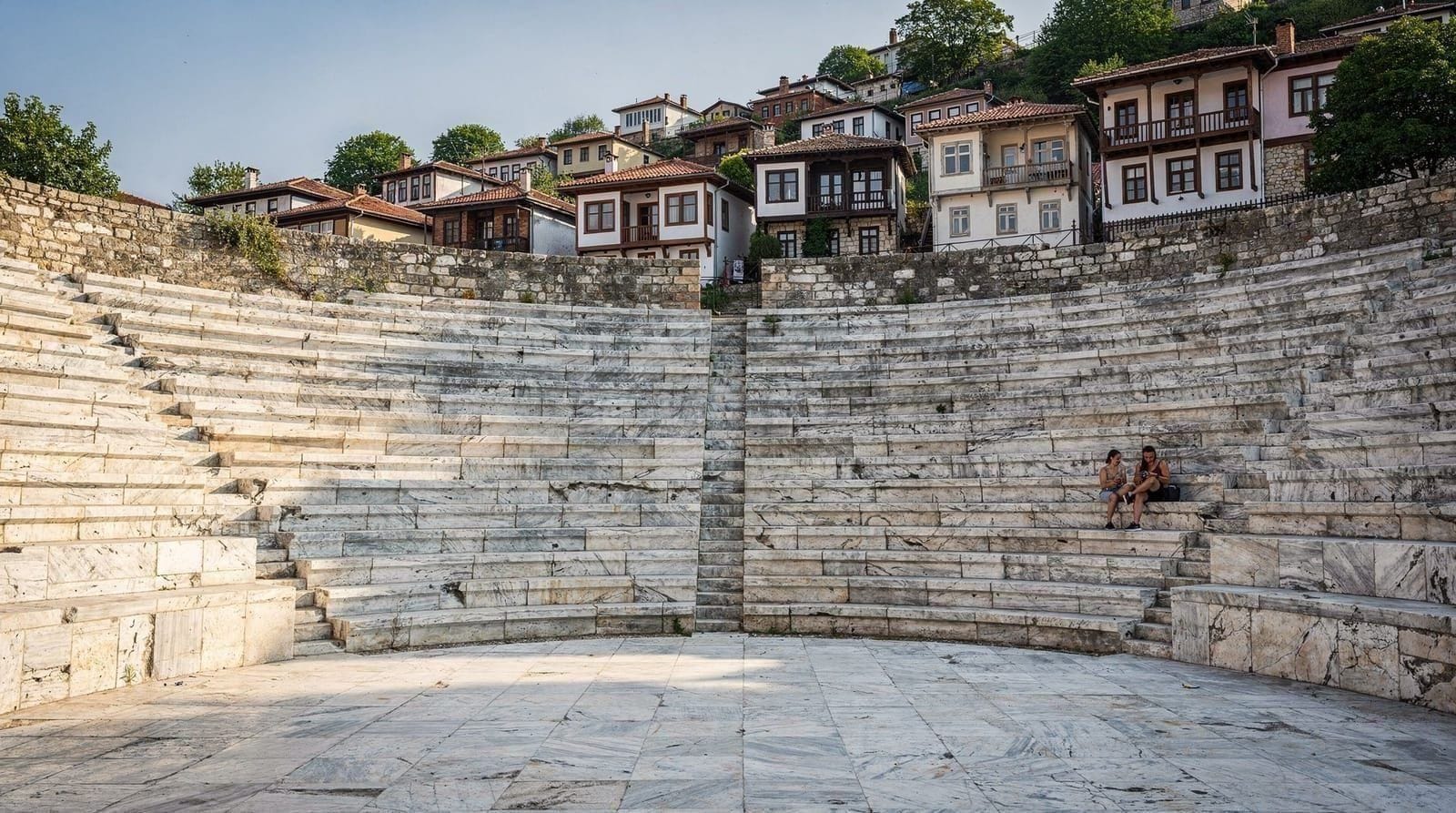
Start the morning at the Roman Amphitheatre, the most dramatic single sight in Plovdiv. Built in the 1st century AD under Emperor Trajan, it was rediscovered in 1968 during a landslide and excavated to reveal a 7,000-seat structure. Entry costs approximately €3–4 and includes the small archaeological exhibit. The upper tiers give views over the city’s hills. The amphitheatre is still used for performances in summer; check whether anything is running during your visit.
Walk uphill into the Old Town from the amphitheatre. The main street (Saborna Street) passes a succession of 18th and 19th-century mansions, several open as museums or art galleries. The Hindliyan House charges approximately €3 and is the most elaborate of the private mansion interiors. The Ethnographic Museum, in the Kuyumdzhioglu House, covers Bulgarian traditional dress, crafts, and domestic life at the same price.
GetYourGuideFrom Sofia: Small Group Guided Tour of Plovdiv's HighlightsCheck availability →Walk back down into the Kapana quarter for lunch. The street grid here is small and slightly confusing — streets change direction frequently, which is the origin of the name — but getting lost is the point. The independent food culture here is notably better than the tourist-facing restaurants on the main Old Town circuit.
In the afternoon, walk north along Knyaz Aleksandar I Street (the main pedestrian street) to the Dzhumaya Mosque (one of the oldest working mosques in the Balkans) and the adjacent underground Roman Stadium, partially revealed beneath the central square. The stadium is viewable through glass panels in the pavement at no cost, or you can descend to the exhibit level for approximately €3.
Plan dinner in Kapana rather than in the Old Town. The Old Town restaurants are better-positioned but generally more expensive and tourist-oriented; Kapana has more range at lower prices.
Day 5: Plovdiv morning, then Veliko Tarnovo
Leave Plovdiv after a morning coffee and market visit if there is a market running (the Saturday market near the stadium is the main one). The Plovdiv day trip guide covers a longer Plovdiv visit if you want to extend your time there. The drive from Plovdiv to Veliko Tarnovo is approximately 160 km via the Plovdiv–Stara Zagora road and then north through the Balkan Mountains; allow two to two and a half hours.
Arrive in Veliko Tarnovo by early afternoon and check in. The city is a university town built on steep hills above the Yantra river, and the old town quarter (Gurko Street, Samovodska Charshia craft market) warrants an hour of walking. The crafts market on Samovodska Charshia Street — a row of small workshops selling woodwork, pottery, and leatherwork — has operated on this street since the 19th century and remains non-touristy in feel.
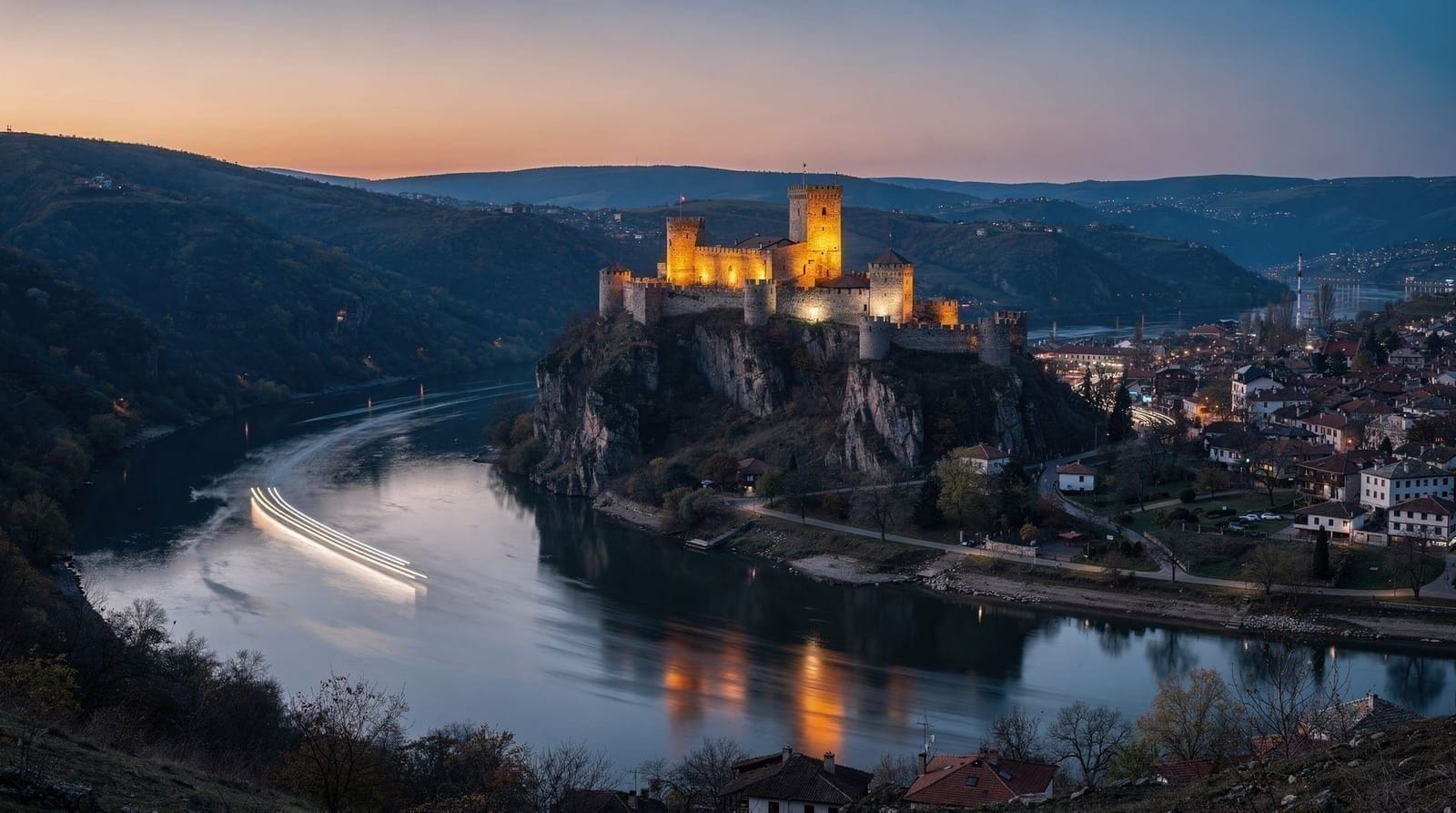
Spend the late afternoon and evening at Tsarevets Fortress. The fortress covers the entire promontory hill above the river meander — the site of the royal palace and Patriarchal Cathedral of the Second Bulgarian Empire (1185–1393). Entry costs approximately €6. The partially reconstructed walls, towers, and summit church give a reasonable impression of the medieval capital’s scale, though the reconstruction is visibly modern in places.
GetYourGuideVeliko Tarnovo & Arbanasi Full Day TourCheck availability →The Sound and Light show runs on summer evenings (typically after 21:00 in June, confirm locally). Illuminated sequences light up the fortress towers and walls in red, white, and gold while a recorded narration covers the fall of the Bulgarian Empire to the Ottomans. Viewing from below the fortress on the hillside opposite is free; tickets (approximately €5–8) grant access to the fortress perimeter after dark.
Day 6: Arbanasi, then drive to Bansko
Arbanasi is 4 km north of Veliko Tarnovo on a plateau above the river valley. Go in the morning before checkout. The village has five churches and several merchant houses from the 17th and 18th centuries. The Church of the Nativity (Rozhdestovo Hristovo) is the reason to come: its interior is covered floor to ceiling with frescoes painted in the 17th century, including 3,500 individual figures. Entry costs approximately €3–4. The paintings are in exceptional condition given their age and the scale of the decorative programme is unlike anything comparable in Bulgaria.
The Konstantsalieva House next door is an ethnographic museum in a genuine 17th-century merchant residence; budget €2–3 and forty-five minutes.
Drive from Veliko Tarnovo to Bansko: approximately 200 km. The most direct route goes south via Plovdiv (around two and a half hours on the Plovdiv road plus the Bansko approach). An alternative mountain road via Troyan and Kalofer is more scenic but longer (around three and a half hours). The Plovdiv route is faster and easier to navigate.
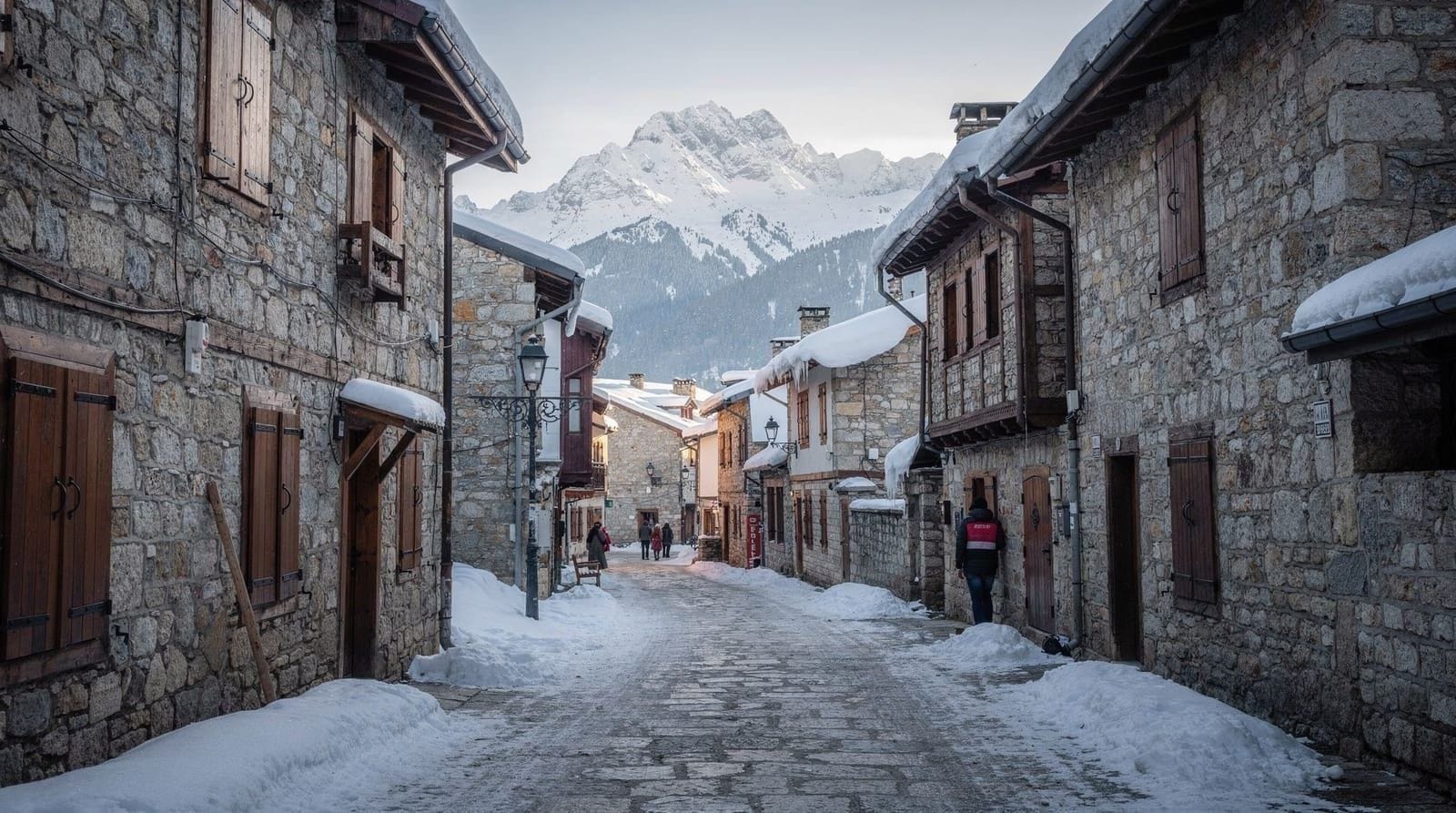
Bansko is a 19th-century mountain town that became Bulgaria’s main ski resort in the early 2000s. The old town quarter (Varosh) retains its original character — solid stone ground-floor walls, wooden upper storeys, enclosed courtyards — largely because UNESCO Heritage site status for the old town has constrained development within the historic perimeter. The ski resort infrastructure starts a few hundred metres away.
Arrive in Bansko mid-afternoon. Walk the old town: the Church of the Holy Trinity (Sveta Troitsa), built 1835, is the main church; the Neofit Rilski Museum marks the birthplace of the Bulgarian monk who standardised the modern Bulgarian alphabet in the 1830s. Both charge nominal entry fees. The mehanas (traditional taverns) in the old town serve substantial Bulgarian mountain food — grills, stews, baked cheese — at prices lower than Plovdiv or Sofia.
Day 7: Bansko — Pirin National Park hike, return to Sofia
Pirin National Park begins at the upper gondola station above Bansko. The gondola runs year-round (not just in ski season) and takes you from the town centre at 925 m to Banderitsa station at around 1,600 m in about twenty minutes. A day gondola ticket costs approximately €12–15. The Rila mountains hiking guide covers the Bansko trails in the context of Bulgaria’s wider mountain network.
From the upper station, the trail network into the Pirin range is extensive. The most accessible route for a non-technical walker follows the trail southeast to Vihren Hut (1,950 m, approximately forty-five minutes from the gondola) and then optionally continues to Banderishki Chukar viewpoint with views of the Pirin ridgeline. The marble peaks of the Pirin — white limestone rock formations visible from the Bansko valley — are the characteristic visual of this part of Bulgaria.
GetYourGuideSofia: Pirin National Park Hike & Bansko VisitCheck availability →For a longer day, experienced walkers can continue from Vihren Hut toward Lake Banderishko (a glacial lake at 1,860 m) or toward Vihren Peak (2,914 m, the second-highest peak in Bulgaria). The peak trail is non-technical in good summer conditions but involves a steep rocky section near the summit; allow four to five hours round trip from the gondola station. Start early if attempting the peak.
GetYourGuidePirin National Park: Glacial Lakes and Jagged Peaks Day TripCheck availability →Come down by early afternoon and drive north to Sofia (approximately 155 km, two hours on the A2/E79 motorway through Blagoevgrad and Sofia ring road). Return the rental car at the airport or city office. Allow thirty minutes for the car return process.
The drive is straightforward. If you have time before a flight, the exit via Sapareva Banya (slightly northeast of the direct route) passes Bulgaria’s only geysir — a natural hot-water spring shooting to several metres — and the town has thermal spa facilities if you want an end-of-trip soak.
The week at a glance
| Day | Base | Focus |
|---|---|---|
| 1 | Sofia | Arrival, Vitosha Boulevard, Alexander Nevsky Cathedral exterior |
| 2 | Sofia | Serdica ruins, Largo Square, Museum of Socialist Art, Boyana Church |
| 3 | Plovdiv | Rila Monastery en route, drive to Plovdiv |
| 4 | Plovdiv | Old Town, Roman Amphitheatre, Kapana quarter |
| 5 | Veliko Tarnovo | Drive from Plovdiv, Tsarevets Fortress, Sound and Light show |
| 6 | Bansko | Arbanasi churches, drive to Bansko, old town (Varosh) |
| 7 | Sofia (return) | Pirin gondola and hiking, drive back to Sofia |
What to pack for five climates in a week
This trip moves between very different settings, and packing for one and ignoring the others is the most common mistake. Central Sofia and Plovdiv in summer are warm city environments — light clothing and comfortable walking shoes for cobblestones cover both. Rila Monastery sits at 1,147 m, so mornings can be noticeably cooler than the capital even in July; a light layer is worth carrying. Modest dress (shoulders and knees covered) is expected inside the monastery church, Boyana Church, and Arbanasi’s Church of the Nativity — a scarf or light long-sleeve top solves this without needing a full outfit change.
Bansko and the Pirin gondola station gain real altitude fast: the upper station sits around 1,600 m and temperatures there can be 10°C cooler than the valley, so a windproof layer belongs in the day bag even on a hot lowland morning. For hikers continuing to Vihren Hut or beyond, sturdy trail shoes matter more than trainers — the marble rock underfoot is uneven and can be slick when damp. See the Rila mountains hiking guide and Vitosha hiking guide for gear notes that apply equally to Pirin day walks.
Cash, cards, and connectivity on the road
Bulgaria joined the eurozone on 1 January 2026, so euros work everywhere and there is no currency to exchange. Cards are widely accepted in Sofia, Plovdiv, and Veliko Tarnovo hotels and restaurants, but the mehanas in Bansko’s old town, smaller museum ticket desks, and Arbanasi’s churches often prefer cash — carry small-denomination euros for entry fees, which rarely exceed €10 each. ATMs are reliable in all five towns on this route; withdraw before heading up to the Pirin gondola station, where there are none. A local SIM or eSIM with data coverage is worth arranging in Sofia on day one, since mobile signal becomes patchy around Rila Monastery and in parts of the Rhodope road to Bansko — download offline Google Maps for those stretches before you lose signal, not after.
What actually needs booking ahead
Most of this route can be improvised, but a few things genuinely benefit from advance booking, especially in July and August. The rental car should be reserved two to three weeks out for summer travel — availability at Sofia Airport tightens noticeably in peak season and last-minute prices climb. Rila Monastery’s overnight rooms, if you want to extend the visit with a night inside the complex, book up early and should be arranged well before the trip.
Veliko Tarnovo accommodation with fortress views sells out on summer weekends, so lock that in alongside your Plovdiv old-town guesthouse if your dates are fixed. Everything else — museum entries, the Pirin gondola, restaurant tables outside peak dinner hours — can be handled on the day without much friction. If you would rather not manage bookings yourself for the trickier legs, the Rila Monastery day trip guide and Veliko Tarnovo guided tour options cover both independently and as organised day tours.
Trimming the trip if you only have five or six days
If a full week is not available, the cleanest cut is Bansko and the Pirin hike (days 6–7), turning this into a five-day Sofia–Rila–Plovdiv–Veliko Tarnovo loop and driving straight back from Veliko Tarnovo to Sofia on day 6 instead. That keeps the historical core intact and drops the mountain component, which is the most weather-dependent part of the itinerary anyway. A six-day version can keep a shortened Bansko visit (arrive day 6 afternoon, gondola and a short walk on day 7 morning, back to Sofia by evening) rather than the full peak-trail day. For a shorter trip built around Sofia and the mountains without the eastern loop, the Sofia long weekend or the dedicated Sofia ski weekend (in winter) are better starting points than trimming this one further.
Practical notes for the full week
Rental car: Pick up on day three morning and return day seven afternoon. A mid-size car for five days costs approximately €35–50/day from a major agency at Sofia Airport; book two to three weeks in advance for summer. Total fuel for days three through seven: approximately 40–45 litres at €1.60–1.80/litre.
Accommodation costs: Sofia centre: €50–90/night for a mid-range hotel double. Plovdiv old town guesthouse: €45–70/night. Veliko Tarnovo (old town view): €50–80/night. Bansko (old town or ski area): €50–85/night. Rila Monastery has overnight accommodation within the monastery at very modest rates (€15–25/person) if you want to extend the Rila visit.
Total budget estimate per person: Accommodation for six nights sharing: €150–250. Meals: €20–30/day = €140–210. Entry fees across the week: approximately €60–80. Guided tours if desired: €30–60. Car rental and fuel split two ways: €120–160. Total per person: roughly €500–760 for seven days, excluding flights.
Best time of year: May–June and September–October. July and August are hotter and more crowded, particularly at Rila Monastery and Plovdiv’s Old Town. Winter visits (December–February) work well if the goal includes skiing at Bansko, but Pirin hiking is then snow-covered and requires different equipment. See best time to visit Sofia for a month-by-month breakdown. For a winter-focused trip, the Sofia ski weekend itinerary is a better starting point than this one.
Connectivity and navigation: Google Maps covers Bulgaria well. Download offline maps before departure for the Bansko and Rila mountain areas where mobile signal can be intermittent. Bulgaria uses a vignette system for motorways; the rental car agency typically includes this or charges a small daily supplement — confirm at pickup.
Frequently asked questions about the Bulgaria 7-day highlights trip
Is a car necessary for this itinerary?
Yes for the full circuit as described. Rila Monastery, Veliko Tarnovo, and Bansko are all accessible by bus or guided day tour from Sofia, but linking them in a circuit without a car requires returning to Sofia between each stop — which consumes most of a day each time. Sofia to Plovdiv is the one leg with good public bus service (2 hours, €8–12 one way), and Plovdiv to Veliko Tarnovo has several bus connections per day. But Bansko from Veliko Tarnovo without a car is impractical. See getting around Sofia for how public transport works within the capital itself, which remains useful even with a car.
Can I do Rila Monastery without a guided tour?
Yes. Self-driving to Rila and exploring independently is straightforward — the monastery complex, Hrelyo Tower, and museum are all clearly labelled with English explanations. A guided tour adds historical context and handles the logistics, which is useful for first-time visitors; self-driving gives more flexibility on timing. The cave of St. Ivan requires no guide.
How crowded is Rila Monastery in summer?
Very crowded in July and August, particularly between 10:00 and 14:00. Tour buses from Sofia arrive in clusters mid-morning. Arriving before 09:00 or after 15:00 gives a noticeably different experience. Mid-week visits are quieter than weekends. May, June, and September are more manageable.
Is Plovdiv worth a full day or just a half day?
A full day is appropriate for a first visit. The Old Town, Roman Amphitheatre, Kapana quarter, and Roman Stadium together fill five to six hours comfortably. Half a day covers the highlights at pace but skips the atmosphere of the Kapana quarter that makes Plovdiv distinctive. If you are short on time, prioritise the amphitheatre and the Old Town walk over the museum interiors.
What is the food situation in Bansko?
Better than expected. The old town mehanas serve traditional Bulgarian mountain food — kavarma, baked lamb, bean soup, mountain trout — at prices comparable to or lower than Sofia. The ski-resort area restaurants are more generic and more expensive. The butchers and bakeries in the market near the old town church are worth visiting for supplies before a hiking day.
Can I do this as a guided tour rather than independently?
Individual guided day tours cover Rila, Plovdiv, and Veliko Tarnovo from Sofia, but they treat each as a separate day trip returning to Sofia each evening. This costs more, takes longer (each day is a 5–8 hour tour with extensive driving), and means you never experience Plovdiv or Veliko Tarnovo in the evening when both are particularly good. The independent rental-car approach is more efficient and gives you ownership of the schedule. If you want one guided day, make it Rila — the Rila Monastery day trip guide covers the logistics of doing it either way.
Can I extend this itinerary to eight or nine days?
The natural extension is adding Melnik (wine region, 175 km south of Bansko, or return route from Bansko to Sofia) for a half day, or Koprivshtitsa (Bulgarian Revival village, see the Medieval Bulgaria loop) for a full day. A ninth day could add the Seven Rila Lakes from Bansko or Borovets, extending the mountain component. See the Seven Rila Lakes hike guide for logistics.
What is the best way to get from Veliko Tarnovo to Bansko?
By car, the standard route is south via Plovdiv — approximately 200 km, two to two and a half hours. There is no direct bus. An alternative scenic route goes via Troyan and the central Balkan range, then south through Kazanlak and east — this adds 40–60 km but passes through attractive mountain terrain. The Plovdiv route is easier to navigate and more reliable in poor weather.
Can I do this as a guided tour rather than independently?
Individual guided day tours cover Rila, Plovdiv, and Veliko Tarnovo from Sofia, but they treat each as a separate day trip returning to Sofia each evening. This costs more, takes longer (each day is a 5–8 hour tour with extensive driving), and means you never experience Plovdiv or Veliko Tarnovo in the evening when both are particularly good. The independent rental-car approach is more efficient and gives you ownership of the schedule.
Top experiences
Bookable activities with verified prices and instant confirmation on GetYourGuide.