Rila Monastery
Bulgaria's most important monastery and a UNESCO World Heritage Site. How to visit from Sofia, what to see, and what the tour brochures leave out.
From Sofia: Full Day Trip to Rila Monastery
Quick facts
- Distance from Sofia
- 120 km south (2 hr drive / 2.5 hr by bus)
- Altitude
- 1,147 m
- Founded
- 10th century by St. Ivan of Rila
- UNESCO status
- World Heritage Site since 1983
- Entry to monastery complex
- Free (donation welcome)
- Hrelyo Tower
- ~€2 entry
What is Rila Monastery? The Rila Monastery (Rilski manastir) is Bulgaria’s largest and most important Orthodox monastery, founded in the 10th century and a UNESCO World Heritage Site since 1983. Situated at 1,147 m in the Rila Mountains 120 km south of Sofia, it combines exceptional medieval frescoes with a dramatic mountain setting. A day trip from Sofia is feasible; staying overnight gives you the complex to yourself before and after tour groups.
| Where | Rila Mountains, 120 km south of Sofia |
| Cost | Free entry to courtyard/church; Hrelyo Tower ~€2 |
| Time needed | 1.5–2 hours (half day with the cave walk) |
| Getting there | 2 hr by car, guided tour, or bus + taxi |
| Best time | May–June and September–October; avoid August |
Why Rila Monastery matters
Bulgaria was under Ottoman rule for nearly five centuries (1396–1878). During that period, Orthodox monasteries — and Rila in particular — served as cultural repositories: they preserved the Bulgarian language, literature, and religious tradition when it was actively suppressed elsewhere. The current monastery buildings date mostly from a major reconstruction after an 1833 fire, but they are built on the same site where Ivan of Rila lived as a hermit in the early 10th century.
The result is a complex that functions simultaneously as an active Orthodox monastic community (around 10 monks in residence), a national museum, a pilgrimage destination, and a major tourist attraction. That combination is sometimes uneasy — the crowds in August can be genuinely overwhelming and incongruous with the spiritual context.
What to see at Rila Monastery
The main courtyard
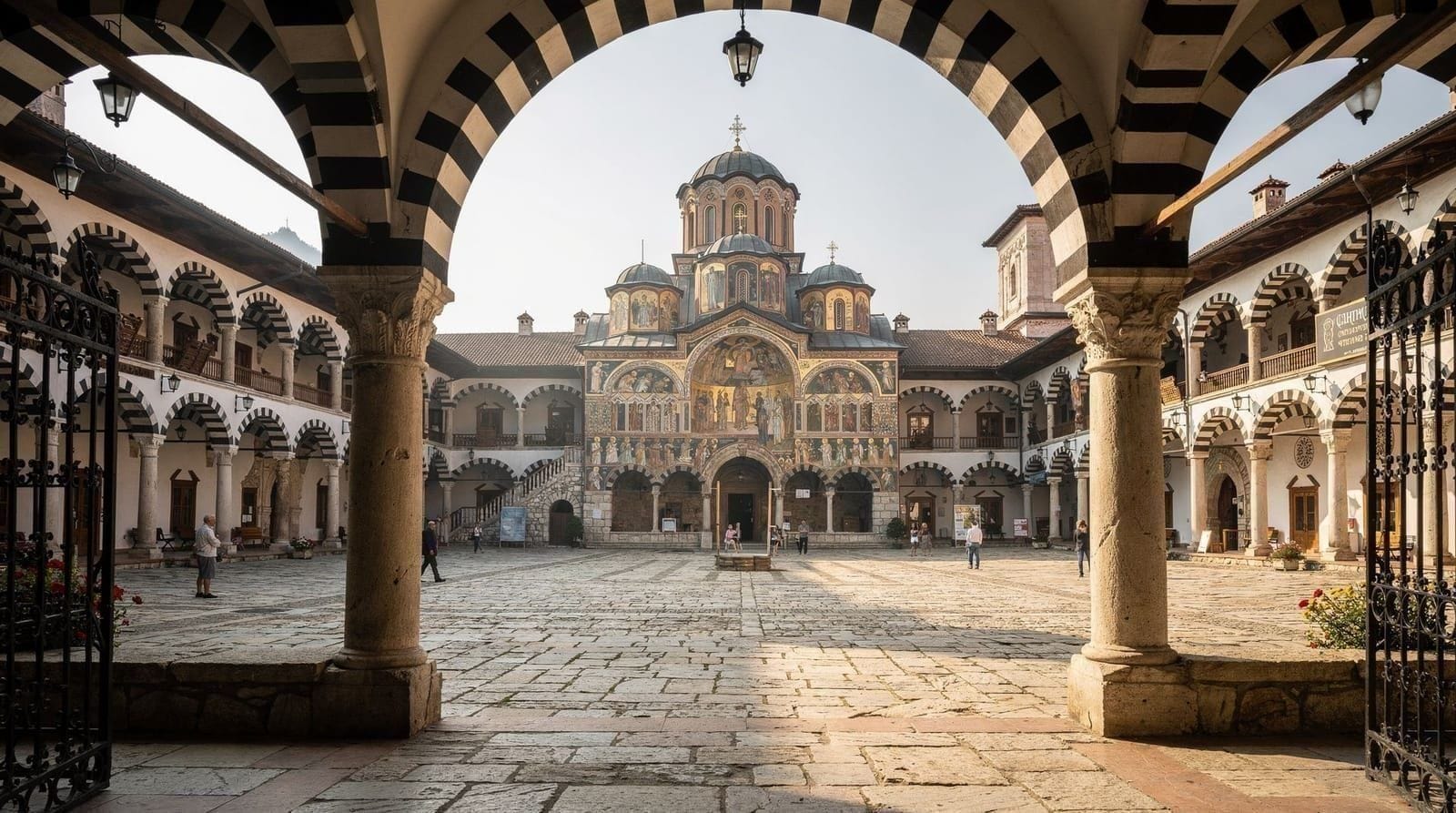
The monastery is built around a large courtyard with an ornate arcade of 300 arches on four sides. The pattern of light and shadow at different times of day is one of the visual highlights. The courtyard opens to the public throughout the day. The combination of dark stone, painted arches, and the central Hrelyo Tower creates a distinctive silhouette that appears on Bulgarian banknotes.
The church of the Nativity
The main church (Nativity of the Virgin, built 1834–1837) is the centrepiece. Three porticos precede the nave, all covered in frescoes that extend across ceilings, arches, and every wall surface. The frescoes were painted by masters from the Bansko and Samokov schools of the Bulgarian National Revival period — approximately 1,200 sq m of painted surface in total.
Entry to the church itself is free. Photography inside is restricted to the porticos in most sections; check the signs. Modest dress is required — shoulders and knees covered.
The Hrelyo Tower
The 14th-century defensive tower is the oldest surviving structure on the site, built in 1334–1335 by the boyar Hrelyo. Its chapel at the top contains original medieval frescoes significantly older and stylistically different from the 19th-century church paintings. The tower costs around €2 to enter and involves a steep interior staircase.
The St. Ivan Rilski cave
A 45-minute walk (or 15-minute drive) from the monastery leads to the cave of St. Ivan of Rila, where the monastery’s founder lived as a hermit. A tradition holds that passing through the narrow rock passage brings health if you are without sin — the squeeze requires removing backpacks. It is more meaningful as a pilgrimage site than a tourist attraction, but the mountain walk itself is pleasant regardless.
GetYourGuideFrom Sofia: Rila Monastery & Optional St. Ivan Cave Day TourCheck availability →The monastery museum
The museum (included in complex entry, or small fee depending on season) holds the original 1819 Sarafkina House frescoes, religious manuscripts, and the Rafail’s Cross — an intricately carved wooden crucifix that took monk Rafail 12 years to complete (1794–1802) and contains 1,500 miniature figures. It is one of the finest examples of Bulgarian woodcarving.
Food and half-day tasting options
Some operators run a half-day version of the Rila Monastery visit paired with a local food tasting on the return journey — a useful option if a full-day itinerary feels excessive but you still want a guided, all-inclusive trip rather than self-driving.
Sofia: Rila Monastery half-day tour with food tastingGetting to Rila Monastery from Sofia
By guided tour (recommended)
A guided day tour from Sofia is the simplest option for most visitors. Tours depart around 08:00–09:00, arrive at the monastery around 11:00, spend 1.5–2 hours there, and return by 18:00–19:00. Many tours combine Rila Monastery with Boyana Church (30 min south of Sofia) as the return leg.
Cost: approximately €25–45 depending on group size and inclusions. The all-in price beats the logistics of public transport significantly. See the Boyana Church guide for what that shorter add-on stop involves on its own.
GetYourGuideFrom Sofia: Rila Monastery & Boyana Church Day TourCheck availability → GetYourGuideSofia: Rila Monastery, St. Ivan Rilski Cave & Stob PyramidsCheck availability →By public bus (independent)
There is no direct public bus from Sofia to Rila Monastery. The standard route:
- Bus from Sofia Central Bus Station to Dupnitsa or Rila town (departures from early morning, 1.5–2 hours).
- Local bus or taxi from Rila town to the monastery (15 km, 20 minutes by taxi, €5–7). Buses back are infrequent in the afternoon — check the schedule before leaving Sofia. Self-guided is viable but requires early starts and patience.
By car
120 km from Sofia on the Struma highway (A3) to Dupnitsa, then mountain road via Rila village. Parking at the monastery costs a few euros. Driving allows you to stop at Boyana Church on the way out and explore the surrounding area independently. Rentals from Sofia Airport cost €30–50/day.
Combining Rila Monastery with the Seven Rila Lakes
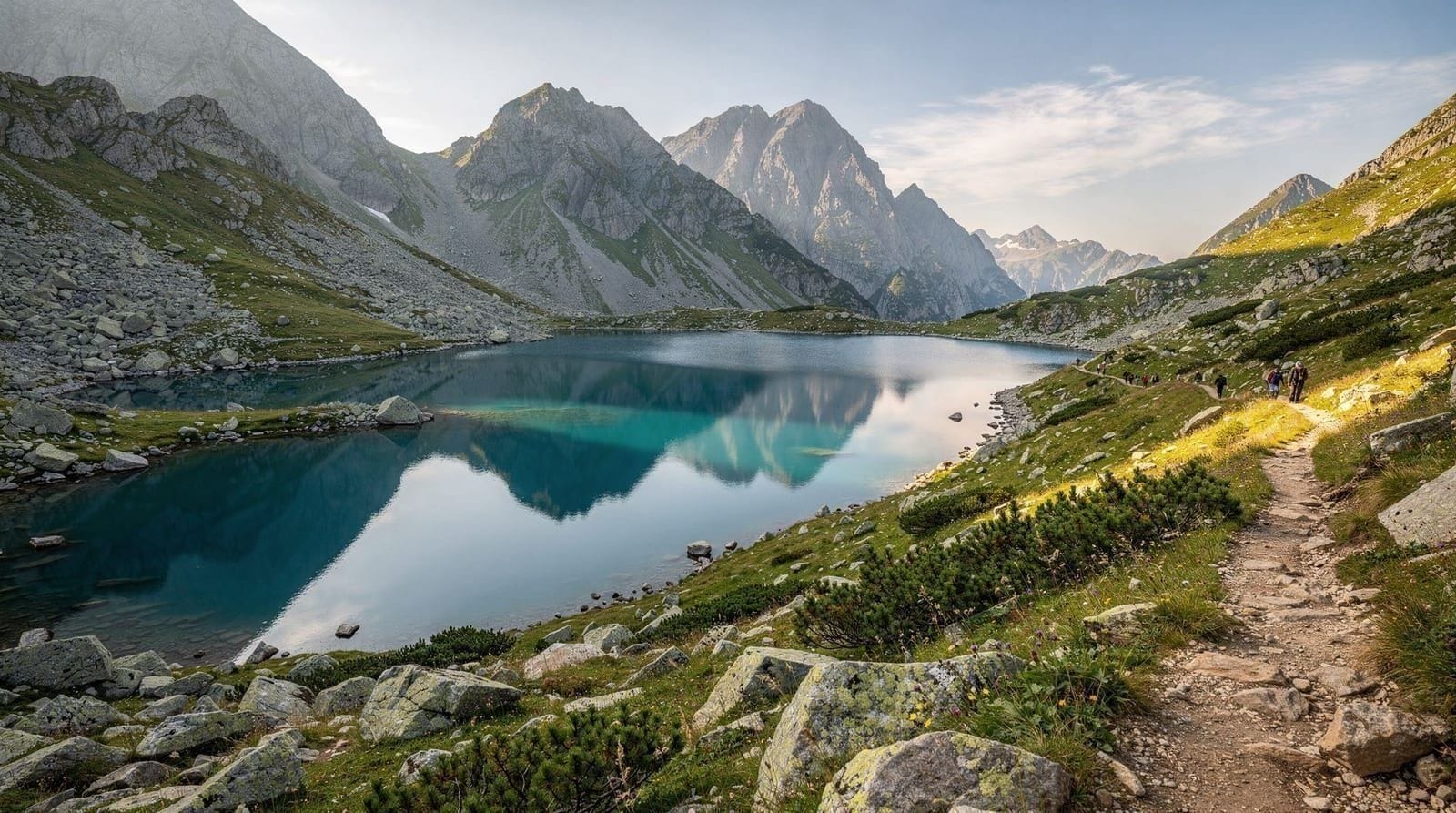
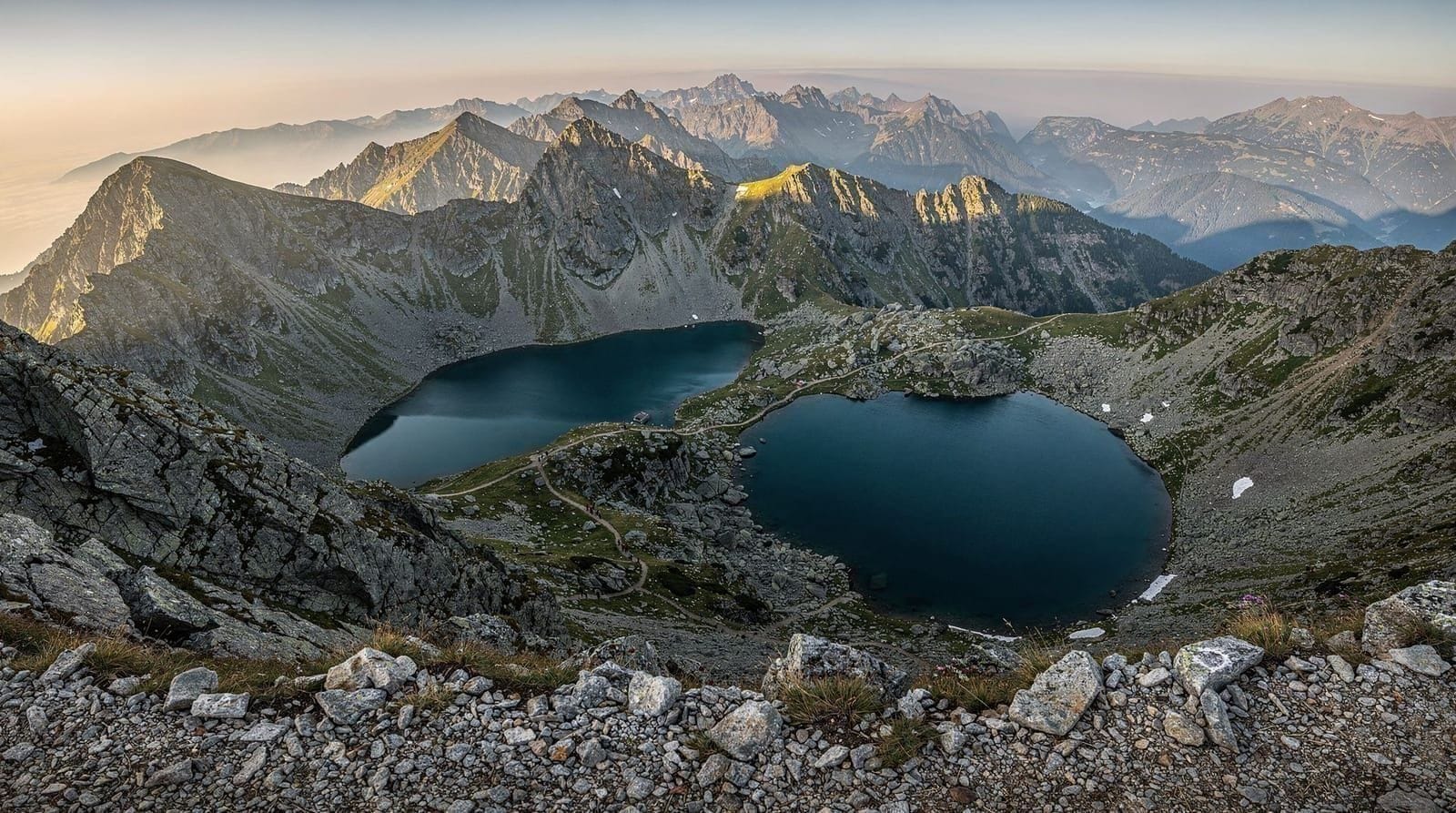
A popular multi-stop day tour combines Rila Monastery in the morning with the Seven Rila Lakes area in the afternoon. This works logistically — both are in the Rila Mountains, roughly 30 km apart — but the drive between them is mountain road and the lakes hike is 3+ hours. It is a very full day.
A better approach is one destination per day trip, or an overnight stay at the monastery (guest rooms are available, basic but clean, approximately €30–50 per room).
See Seven Rila Lakes guide for details on the lakes route, and the Rila Seven Lakes Escape itinerary for a multi-day approach.
GetYourGuideFrom Sofia: The Seven Rila Lakes & Rila Monastery Day TourCheck availability →Combining Rila Monastery with Borovets or Sapareva Banya
Two other Rila Mountains destinations fit naturally around a monastery visit without the crowding of the Seven Lakes combination. Borovets ski resort is a reasonable detour if skiing or the Musala ascent is also on your list, and Sapareva Banya thermal pools make a relaxing finish to a day that started with the monastery’s timed, more formal atmosphere. Neither requires the very full day that the Seven Lakes combination does.
Planning the trip around the monastery
Most people see Rila as one stop in a longer stay in the capital. If you have not yet settled the shape of your visit, the Rila Monastery day trip guide walks through the day hour by hour, and the Rila Monastery guide goes deeper into the buildings and their history. For the bus-and-taxi route in detail, see Sofia to Rila transport.
Rila also sits comfortably alongside other excursions out of the city. The day trips from Sofia overview helps you weigh it against alternatives, and the Sofia in 3 days itinerary shows where a monastery day fits between city sightseeing. If the lakes tempt you more than the frescoes, read the Seven Rila Lakes hike guide before choosing which one gets your day.
Timing your visit
Avoid August: this is the peak month for Bulgarian domestic tourism and the monastery courtyard can have hundreds of visitors simultaneously. The atmosphere is more contemplative in May, early June, September, or October.
Best lighting for the frescoes: morning light (before noon) in the porticos is warm and direct. Afternoon creates more shadow.
Religious calendar: major Bulgarian Orthodox feast days (especially Easter and the Assumption, August 15) draw large crowds of pilgrims. This is culturally interesting but logistically challenging.
Winter: the monastery stays open but snow can close the access road. The mountain setting is beautiful in winter if you have a reliable vehicle.
Staying at the monastery
The monastery offers simple guest accommodation — basic rooms, shared or private bathrooms. Prices are low (€25–45) and the experience of being at the site before and after the day-trip crowds is unique. Meals in the adjacent restaurants use local produce; the monastery sells homemade rakia and honey. Book by phone or email (details on the monastery’s official website) — there is no booking platform as of 2026.
What to buy and what to avoid
The stalls leading up to the monastery entrance sell honey, rakia, wool socks, and wooden religious items. The honey is local and worth buying. The wooden carved items are mostly factory-produced; for genuine handcraft, look for the mark of the workshop or ask the seller directly.
The religious bookshops inside the complex sell genuine icons painted by monks — prices are reasonable (€15–50) and provenance is clear. This is a more reliable source for religious art than the market sellers at Alexander Nevsky in Sofia.
What the tour brochures do not tell you
- The complex is not air-conditioned and can be very warm in summer. The mountain altitude means it is cooler than Sofia, but the frescoed porticos trap heat.
- Dress codes are enforced: security staff turn away visitors in shorts or sleeveless tops. Scarves and wraps are available at the entrance but are inconvenient. Dress before arriving.
- The site is active: monks live and pray here. The bells for services ring loudly at unusual hours; if you stay overnight, this will wake you early morning.
- There are no lockers at the site for luggage. Day-trippers should leave bags in the car or with the tour bus.
Where to go next
After the monastery, the rest of the Rila Mountains rewards a second look. The Rila mountains hiking guide covers walking routes for those who want more than the cave path, and the hot springs in Bulgaria guide suggests where to soak tired legs afterwards. Back in the city, the Sofia travel guide helps you fill the remaining days.
Day trip logistics summary
| Option | Cost | Duration | Ease |
|---|---|---|---|
| Guided group tour (Sofia) | €25–45 | Full day | Easy |
| Private guided tour | €80–150 | Flexible | Easy |
| Self-drive from Sofia | ~€30 petrol | Flexible | Moderate |
| Public bus + taxi | €15–20 | Full day (tight) | Complex |
Frequently asked questions about Rila Monastery
Is Rila Monastery free to enter?
Entry to the courtyard and church porticos is free (a donation box is present). The Hrelyo Tower costs approximately €2. The museum has a small entry fee (€2–3). Guided tours sold at the site cost extra.
How long do you need at Rila Monastery?
A thorough visit — courtyard, church, tower, museum — takes 1.5–2 hours. Adding the St. Ivan cave walk adds another 2 hours round trip.
Can you do Rila Monastery and Seven Rila Lakes in one day?
Yes, but only just. A tour combining both destinations is very full and tiring. Separate visits are more satisfying.
Is Rila Monastery suitable for non-religious visitors?
Yes. The artistic, architectural, and historical significance is substantial independent of any religious interest.
What should you wear to Rila Monastery?
Shoulders and knees covered. No shorts, no sleeveless tops. Comfortable shoes for cobbled courtyard.
Is there accommodation at Rila Monastery?
Yes — the monastery runs simple guest rooms at approximately €30–50/night. Basic facilities; advance booking recommended.
When is the best time to visit Rila Monastery?
May–June and September–October: mild weather, fewer crowds, and good lighting conditions for the frescoes.
How far is Rila Monastery from Bansko?
Approximately 75 km (1.5 hours by road via Razlog). This makes a Bansko-to-Monastery day trip viable if you are staying in Bansko for skiing or hiking. See Bansko guide.
Can you combine Rila Monastery with Boyana Church?
Yes — many guided tours use Boyana as a shorter add-on on the return leg to Sofia. See the Boyana Church guide for what that stop involves.
Is Rila Monastery better combined with Borovets or the Seven Rila Lakes?
Borovets is the easier, less tiring combination if skiing or Musala is also on your itinerary. The Seven Rila Lakes combination is more demanding — a genuinely full day involving a 3+ hour hike on top of the monastery visit.
Top experiences
Bookable activities with verified prices and instant confirmation on GetYourGuide.

From Sofia: Full Day Trip to Rila Monastery

From Sofia: Rila Monastery & Boyana Church Day Tour

From Sofia: Rila Monastery & Optional St. Ivan Cave Day Tour

From Sofia: The Seven Rila Lakes & Rila Monastery Day Tour

Day Trip: Rila Monastery & Ivan Rilski Cave – Small Group