Sofia
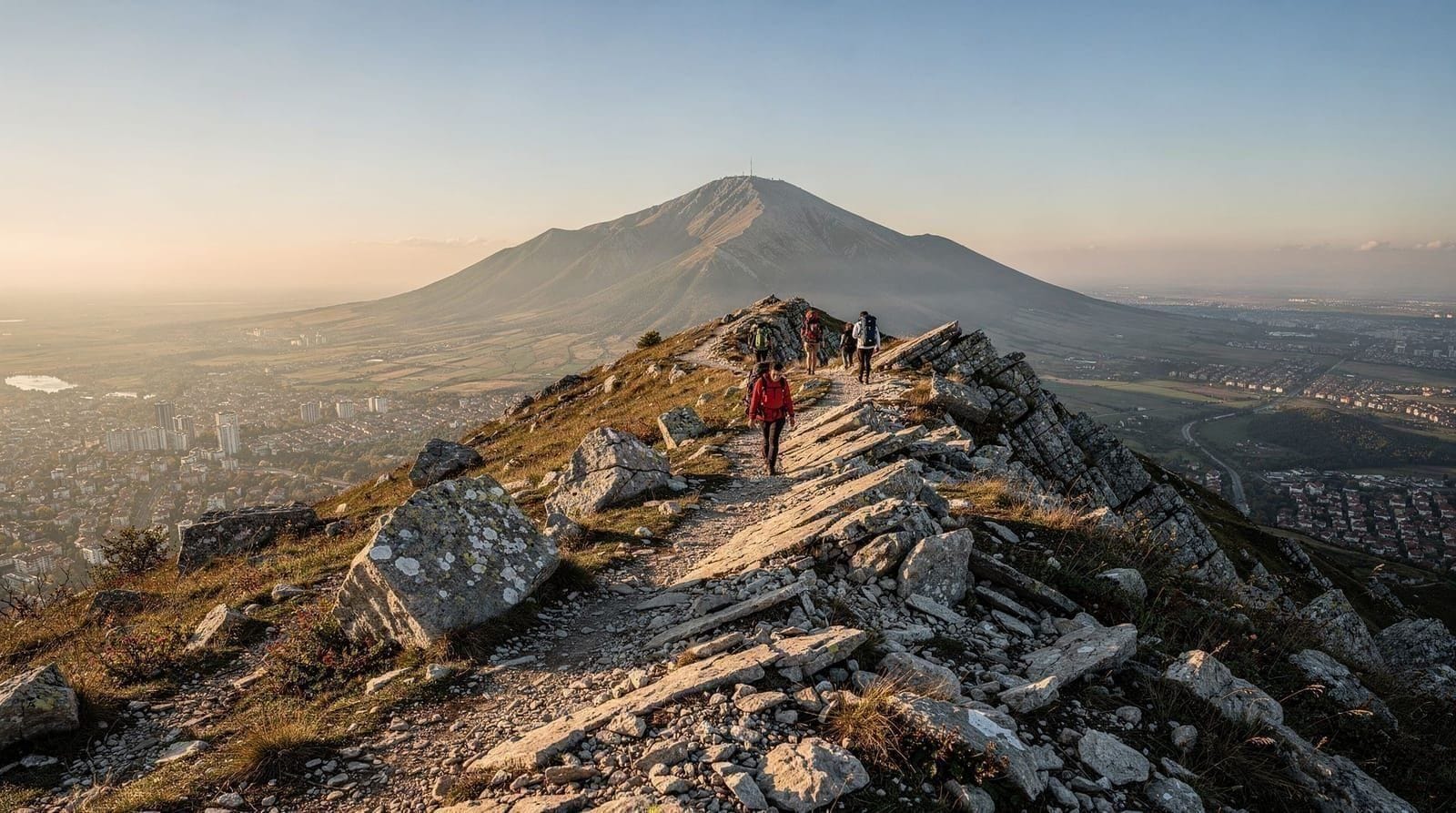
Sofia blends 7,000 years of history with a thriving café scene, free museums, and Vitosha Mountain on its doorstep. Here is what to do and skip.
Sofia: Night Walking Tour with Guide
Quick facts
- Distance from airport
- 10 km (25–35 min by taxi or metro)
- Best season
- May–Jun and Sep–Oct
- Currency
- Euro (EUR) — eurozone since Jan 2026
- Language
- Bulgarian (Cyrillic); English widely spoken in centre
- Tap water
- Safe to drink
- Schengen
- Yes, since Jan 2025
Is Sofia worth visiting? Absolutely — and for longer than most guides suggest. The Bulgarian capital packs Roman ruins, medieval churches, Soviet-era monuments, and a genuinely excellent food scene into a compact, walkable centre. A day trip covers the highlights, but two to three days lets you add Vitosha Mountain and nearby Boyana Church without rushing.
| Where | Sofia city centre, 550 m altitude, ringed by hills |
| Cost | Around €10–18 per meal; museum entries €3–6 |
| Time needed | 2–3 days for the city; longer with day trips |
| Getting there | Sofia Airport, 10 km from centre (metro or taxi) |
| Best time | May–June and September–October |
What makes Sofia different from other Balkan capitals
Sofia is often underestimated because its famous neighbours — Plovdiv to the east, Veliko Tarnovo to the north — get more attention. That gap works in your favour. Prices remain low relative to Western Europe despite Bulgaria joining the eurozone in January 2026, crowds are thin outside August, and you can walk from a 4th-century Roman basilica to a 19th-century synagogue to a communist-era housing block in under twenty minutes.
The city sits in a natural bowl at 550 m altitude, ringed by hills. Vitosha Mountain rises directly south of the city centre and is accessible by public metro extension plus a short cable car — a genuine 2,000 m peak on the doorstep of a capital city. That geography defines the Sofia experience: urban history in the morning, mountain air in the afternoon.
The compact historic core
Central Sofia is structured around three intersecting axes. Vitosha Boulevard (Vitoshka) runs south from the National Palace of Culture to the city centre — this is the main pedestrian shopping street, lined with chain stores and cafés. Parallel to it runs Graf Ignatiev Street, which has more local character. The east–west axis follows Tsar Osvoboditel Boulevard past the Presidency, the Alexander Nevsky Cathedral, and into the university neighbourhood.
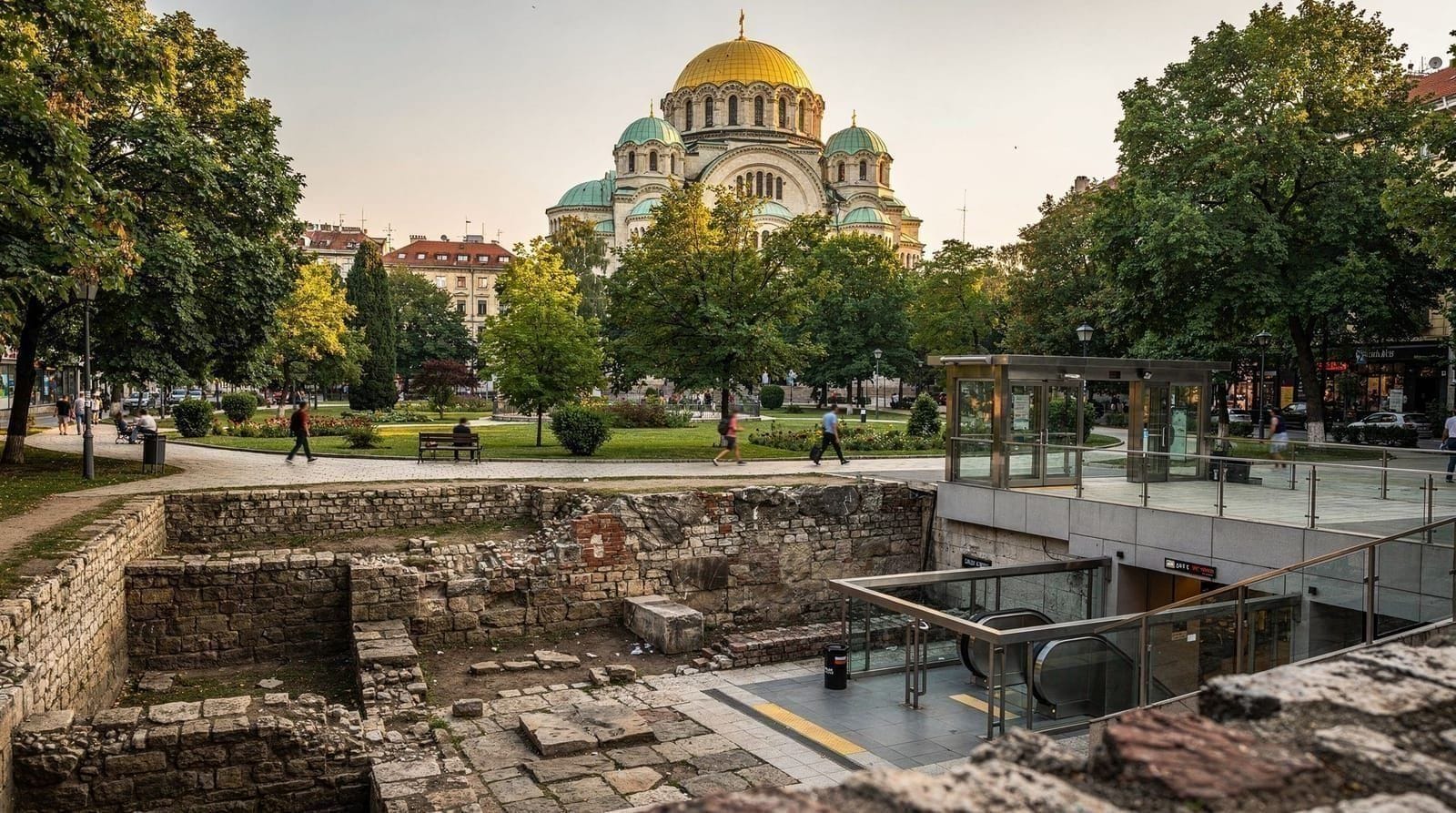
The Roman layer is just below the surface. Serdica, the Roman city beneath modern Sofia, can be visited at Serdika metro station (free, open daily during station hours) and at Largo Square, where glass panels reveal street-level ruins. Emperor Constantine reportedly considered making Serdica the capital of the Roman Empire — the ruins explain why.
The Alexander Nevsky Cathedral
Bulgaria’s most recognisable landmark is an imposing Neo-Byzantine cathedral built between 1882 and 1912 to commemorate Russian soldiers who died liberating Bulgaria from Ottoman rule. Entry to the main nave is free. The crypt houses a collection of religious icons, some Byzantine, some Bulgarian Revival — this costs around €2 and is worth thirty minutes of your time.
Warning: the square around the cathedral hosts a flea market most weekends. The icon stalls near the entrance sell reproductions, not originals, at prices that suggest authenticity. If you want a genuine Bulgarian icon, buy from an established antique dealer in the centre, not from the square vendors.
Sofia’s underrated museums
The National Historical Museum (Boyana, southern Sofia, 40-min metro + taxi) holds the most significant Bulgarian archaeological treasures including the Panagyurishte Gold Treasure — intricate Thracian gold drinking vessels from around 300 BC. Entry costs approximately €5–6 and opening hours vary by season (check before visiting; closed Mondays). This is not easily combined with a walking tour of central Sofia in a single morning unless you take a guided tour that includes transport.
The National Archaeology Museum, housed in a converted Ottoman mosque in central Sofia, covers Thracian, Greek, and Roman finds and is open Tuesday–Sunday. Entry is around €5. The Sofia History Museum in the former Central Mineral Baths building is cheaper and covers the city’s Ottoman, Liberation, and communist periods in engaging detail.
The Museum of Socialist Art, about 3 km south of centre, collects monumental Soviet-era sculpture removed from public spaces after 1989. It is one of the most distinctive museums in Eastern Europe — outdoor collection plus indoor gallery, €3 entry, taxis recommended.
GetYourGuideSofia: Archaeology and History Museum Guided TourCheck availability → GetYourGuideFrom Sofia: 14-Day Tour of Bulgaria, Romania and SerbiaCheck availability →Communist-era Sofia: what to look for
Sofia has a denser concentration of communist-era monuments, apartment blocks, and institutional architecture than most Western visitors expect. The former Communist Party Headquarters (Largo building) now houses government offices but its rooftop still bore the red star until 1990. The Party House at Largo Square anchors a whole complex of Stalinist state architecture from the 1950s.
The Palace of Culture (NDK), built in 1981 for the 1300th anniversary of the Bulgarian state, holds concerts and exhibitions but also just functions well as public space — the underground shopping area beneath it runs from the metro station outward. The Monument to the Soviet Army in the park behind the National Gallery has been repainted multiple times by artists; its changing graffiti is worth seeing.
The communist walking tours run by local operators cover this terrain better than self-guided exploration because the stories behind the buildings are the point. Budget €10–15 for a 2–3 hour group tour.
GetYourGuideSofia: Communist Walking TourCheck availability →Food and where to eat honestly
Sofia’s food scene punches well above the city’s international profile. Skip the tourist-menu places on Vitosha Boulevard and instead walk one block east or west.
Hadjidraganov’s Cellars (Kvartal Orlandovtsi, 20 min from centre) is a chain that genuinely delivers traditional Bulgarian food — shopska salad (fresh tomatoes, cucumber, onion, grated sirene cheese), kavarma (clay-pot stew), grilled kebapche — at prices that average €8–12 for a full meal with wine. The tavern atmosphere is theatrical but the food is real.
Raffy Bar (Alabin Street) is a reliable local café that gets less tourist traffic despite being five minutes from Vitosha Boulevard. Coffee is good, prices honest.
Halyite market (Central Market Hall, Georgi Rakovski Street) is Sofia’s covered market — bread, vegetables, cheese, dried herbs, preserved vegetables. Open daily; the ground floor vendors are mostly permanent stalls. The produce market around it operates from early morning and winds down by early afternoon.
Rakiya (fruit brandy) is the standard Bulgarian spirit. A shot at a bar runs €1–2. Bulgarian wine is genuinely worth exploring — the Plovdiv, Thracian Valley, and Melnik regions produce wines that do not appear in most international markets because production volumes are small. Ask for Mavrud or Rubin grapes for reds.
The food tour operators offer a practical shortcut to eating well — a three-hour walk that stops at banitsa (feta pastry) vendors, a covered market, and a traditional mehana typically costs €25–35.
GetYourGuideSofia: 16 Pirotska Street Bulgarian Food and Drinks TastingCheck availability →Vitosha Mountain from the city
Vitosha is literally inside the city limits. You can take metro line 2 to Vitosha station, transfer to the Dragalevtsi gondola (operates summer and winter, €4–5 return), and reach the Aleko hut at 1,800 m. From there, Cherni Vrah (Black Peak, 2,290 m) is a 2.5-hour return walk on a well-marked path.
Or you can hike up from Simeonovo or Boyana neighbourhoods — the trails start right at the edge of apartment blocks. The stone river (morenni poleta) near the top is a distinctive geological feature: a field of large boulders deposited by ancient glaciers, stretching for hundreds of metres.
Winter snowshoe tours on Vitosha run between December and March and are popular with both locals and visitors. The summit gondola also operates for ski touring.
For a combined day — Boyana Church in the morning and Vitosha in the afternoon — see the Boyana destination guide for logistics.
Day trips reachable from Sofia
Sofia’s position makes it an excellent base for day trips. The most popular:
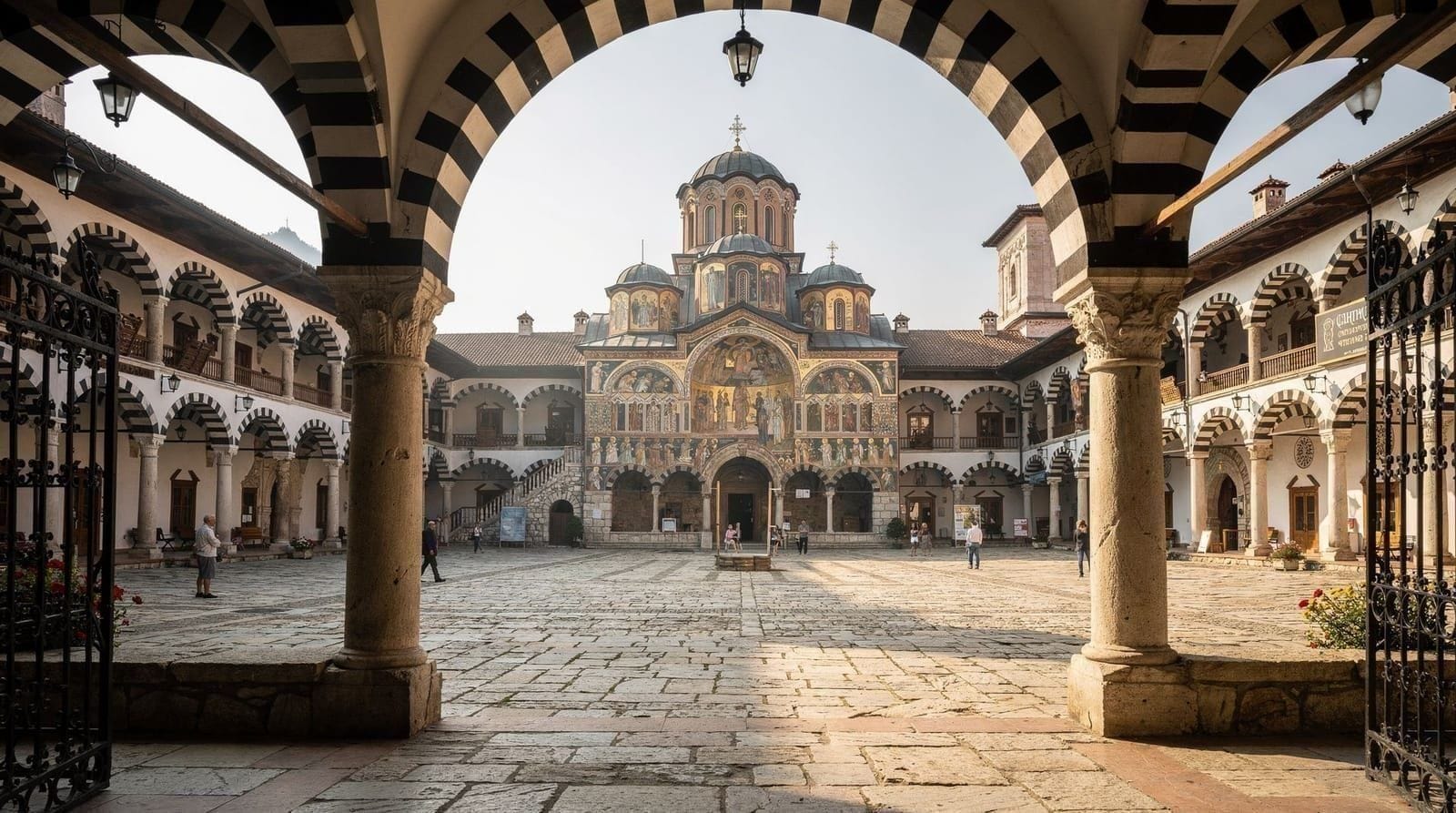
- Rila Monastery (120 km south): Bulgaria’s largest and most important monastery, UNESCO World Heritage, accessible by bus or tour. Allow 5–6 hours return including 1.5 hours at the monastery. See the Rila Monastery guide.
- Seven Rila Lakes (110 km): a gondola lift and 3-hour circular hike at 2,000+ m altitude. Requires a full day. Guide at Seven Rila Lakes.
- Plovdiv (150 km east): Bulgaria’s second city, with a preserved Old Town and contemporary art scene. Reachable by bus (2 hours) or train. Guide at Plovdiv.
- Koprivshtitsa (110 km): a 19th-century revival village, well-preserved, with six house-museums. Guide at Koprivshtitsa.
- Belogradchik (190 km northwest): dramatic red rock formations. Belogradchik guide.
For structured day-trip planning, see day trips from Sofia.
Getting around Sofia
The metro runs two lines and covers the airport (Terminal 2, Sofia Airport is on line 1), the city centre, and Vitosha. Tickets cost €0.90 per trip; day passes are available. Metro operates from approximately 05:30 to midnight.
Taxis: Sofia’s taxi market has reputable and unreliable operators. Use the OK Taxi or Yellow Taxi apps (Bulgarian apps available in App Store/Play Store), or Bolt. Fixed fare from the airport to centre should be €7–10. Beware unmarked cabs at the airport kerb — they charge 4-5× the metered rate.
Walking: the central area is compact and very walkable. The main sights — Largo Square, Alexander Nevsky, the National Gallery, Borisova Garden — are within a 2 km triangle.
Sofia practical information
Entry: Schengen Area since January 2025. EU/EEA and most nationalities with visa-free access to Schengen can enter Bulgaria without additional formalities.
Currency: Euro since January 2026. Card payments accepted almost everywhere in the centre; cash still preferred in markets and some mehanas.
Best time to visit: May–June (mild weather, fewer crowds, rose festival season in Kazanlak) and September–October (warm, cleaner light, harvest wine season). July–August is hot (30°C+) and busier. January–March is cold but excellent for skiing from Sofia base.
Tipping: 10% is standard in restaurants. Round up for taxi fares.
Language: Cyrillic alphabet — worth learning the letters before arriving. Street signs in central Sofia often have Latin transliterations but not always. Restaurant menus in tourist areas include English. English proficiency among service workers in centre is generally good.
Safety and scams to avoid
Sofia is one of the safer Eastern European capitals for street safety. Pickpocketing is the main risk in crowded markets and on the metro. The main tourist scams:
- Unmarked airport taxis: fixed-rate apps or the official taxi rank eliminate this.
- Antique/icon sellers in Alexander Nevsky square: reproductions sold as originals.
- Over-priced restaurants on Vitosha Boulevard: check menus before sitting down, particularly for places with menu photographs.
- Currency exchange offices: Bulgaria uses euros now; there is nothing to exchange if you’re coming from another eurozone country. If you have non-EUR currency, use bank ATMs.
Coffee culture and where to work from a laptop
Sofia has one of the more developed café scenes in the Balkans, and it is a real part of the city’s identity rather than a recent import. Locals treat a coffee as an hour-long activity, not a five-minute stop, and the better places reflect that — comfortable seating, good wifi, and no pressure to leave once your cup is empty. The streets around Graf Ignatiev and Solunska have the highest concentration of independent roasters and specialty cafés, generally cheaper and better than anything directly on Vitosha Boulevard. See the Sofia coffee culture guide for specific recommendations, and the best cafés in Sofia roundup for a shorter list if you only have time for one or two stops.
Evenings shift the same neighbourhoods toward bars rather than cafés. Sofia’s nightlife is low-key by Western European standards but genuinely good if you know where to look — craft beer bars, wine bars pouring Bulgarian labels, and a handful of speakeasy-style cocktail spots tucked into basements near Graf Ignatiev. The Sofia nightlife guide covers the areas worth an evening.
Churches and religious sites beyond Alexander Nevsky
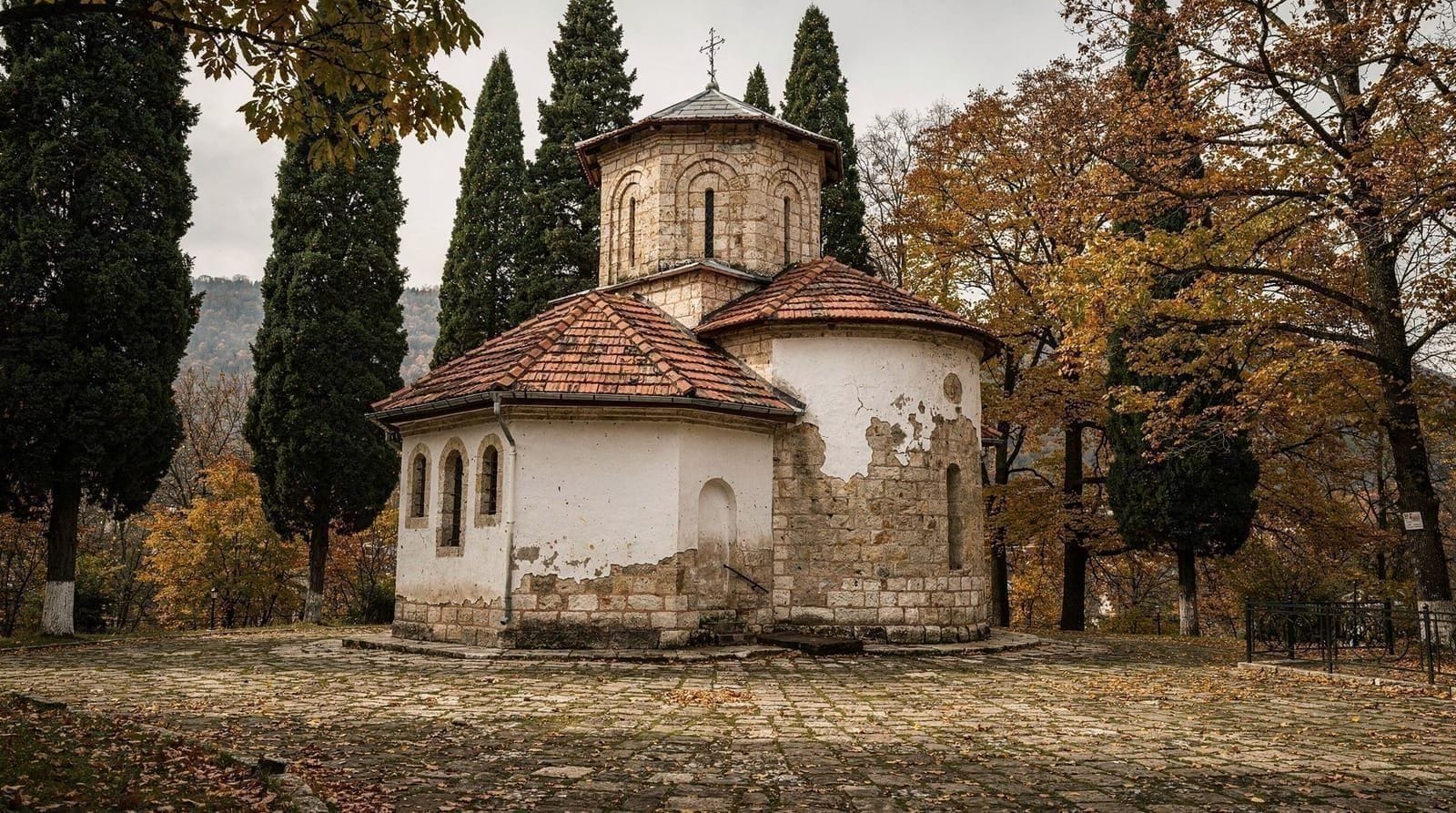
Alexander Nevsky gets the attention, but Sofia has a denser cluster of historic churches within walking distance than most visitors realise. The Rotunda of St. George, a 4th-century Roman rotunda hidden in the courtyard behind the Sheraton hotel, predates the cathedral by over a millennium and is free to enter. St. Sofia Church, which gave the city its name, sits directly beside Alexander Nevsky and is easy to miss because its neighbour is so much larger. The Boyana Church, a UNESCO World Heritage site with 13th-century frescoes considered among the finest examples of medieval Bulgarian art, sits at the base of Vitosha and pairs naturally with a mountain excursion. See the Sofia churches guide for a fuller list and the Alexander Nevsky Cathedral guide for that specific visit, plus the Serdica Roman ruins guide for the archaeological layer beneath the churches.
Sofia on a budget
Sofia remains genuinely affordable relative to most EU capitals even after the 2026 eurozone transition, and a disciplined traveller can see the city well on a modest daily budget. Free entry covers the Serdica ruins, the Rotunda of St. George, and the main nave of Alexander Nevsky Cathedral — a full morning of sightseeing without spending a euro. Museum entries average €3–6, a sit-down meal away from Vitosha Boulevard runs €8–12, and the metro is €0.90 a ride. The Sofia on a budget guide breaks this down by category, and the 50 euros a day piece walks through a full realistic daily spend including a meal, transport, and one paid attraction.
Sofia for different kinds of travellers
Sofia works well for a wide range of trip styles, not just the standard city-break itinerary. Families find the city manageable — flat, walkable central streets, a park (Borisova Garden) large enough for a proper break from sightseeing, and Vitosha Mountain close enough for a half-day outing that does not require a long transfer. The Sofia with kids guide covers logistics in more detail. Couples find the wine bars and restaurant terraces around Graf Ignatiev genuinely romantic without the price tag of a Western European capital — see the Sofia for couples guide. Solo travellers, including solo women, generally report Sofia as comfortable and low-hassle by regional standards; the solo female travel Sofia guide has specific safety and logistics notes.
What Sofia does not do well
Honest signal for trip planning: Sofia’s public transport to destinations outside the metro network requires either tours or car hire. The train network is slow — Plovdiv by train takes 2.5 hours versus 1.5 hours by bus. Rila Monastery has no direct public bus from Sofia; you need the Dupnitsa or Rila town connections, which require early starts. Guided day trips are genuinely convenient for these destinations.
The city is also not particularly compact for non-walkers. The distances between clusters of interest (Largo Square / National Gallery / Alexander Nevsky area / Borisova Garden) are 1.5–2 km each, which adds up. Taxis between clusters cost €2–3 and are worth using.
Getting oriented: a practical two-day plan
Day 1 morning: Serdica ruins at the metro station (free, 20 minutes), then Largo Square and the Rotunda of St. George (4th-century, free, 15 minutes), then the National Archaeology Museum (1–1.5 hours). Lunch in the covered market or Graf Ignatiev area.
Day 1 afternoon: Alexander Nevsky Cathedral (free), crypt (€2), National Gallery of Foreign Art adjacent. Evening on Vitosha Boulevard or the bar/restaurant streets west of Graf Ignatiev (Solunska, Rakovski).
Day 2: Choose between Vitosha Mountain + Boyana Church (nature + history combo) or a day trip — Rila Monastery or Plovdiv. The Sofia in 2 days itinerary gives a turn-by-turn plan.
For three or more days, adding Rila Monastery and Plovdiv each as separate day trips gives a well-rounded picture of Bulgaria. See Sofia in 3 days and Sofia long weekend.
Frequently asked questions about Sofia
How many days do you need in Sofia?
Two days covers the main city sights comfortably. Three days allows one day-trip (Rila Monastery or Plovdiv). Four days gives room for both a day trip and Vitosha Mountain.
Is Sofia safe for tourists?
Yes — Sofia has low violent crime rates. Standard urban precautions apply: watch belongings on crowded metro and in markets, use app-based taxis from the airport.
Is Sofia expensive?
No. Despite joining the eurozone in January 2026, Sofia remains one of the cheapest capitals in Europe. A full restaurant meal with wine costs €10–18 per person. Museum entries are €3–6. Taxis within the city rarely exceed €5.
Do you need to speak Bulgarian to visit Sofia?
No. In the city centre, tourist areas, and most restaurants, English is understood. The Cyrillic alphabet is worth learning for street signs — it takes about an hour to learn basic recognition.
When is the best time to visit Sofia?
May–June and September–October offer the best combination of weather (18–25°C), manageable crowds, and price. July–August is hot and busier. Winter (December–February) is viable for ski trips to Borovets or Bansko from Sofia as a base.
Can you do a day trip from Sofia to Rila Monastery?
Yes. The standard guided day trip leaves around 09:00 and returns by 18:00–19:00, spending roughly 1.5 hours at the monastery plus time at Boyana Church. Self-guided requires early buses and connections. See Rila Monastery day trip guide.
Is Vitosha Mountain accessible without a car?
Yes, via metro to the Vitosha station and then taxi or the Dragalevtsi gondola. Full details in the Vitosha Mountain guide.
What are the main tourist traps in Sofia?
Overpriced taxis from the airport (use apps), reproduction icon sales near Alexander Nevsky Cathedral, and tourist-menu restaurants on Vitosha Boulevard. See Sofia scams guide for more detail.
Top experiences
Bookable activities with verified prices and instant confirmation on GetYourGuide.