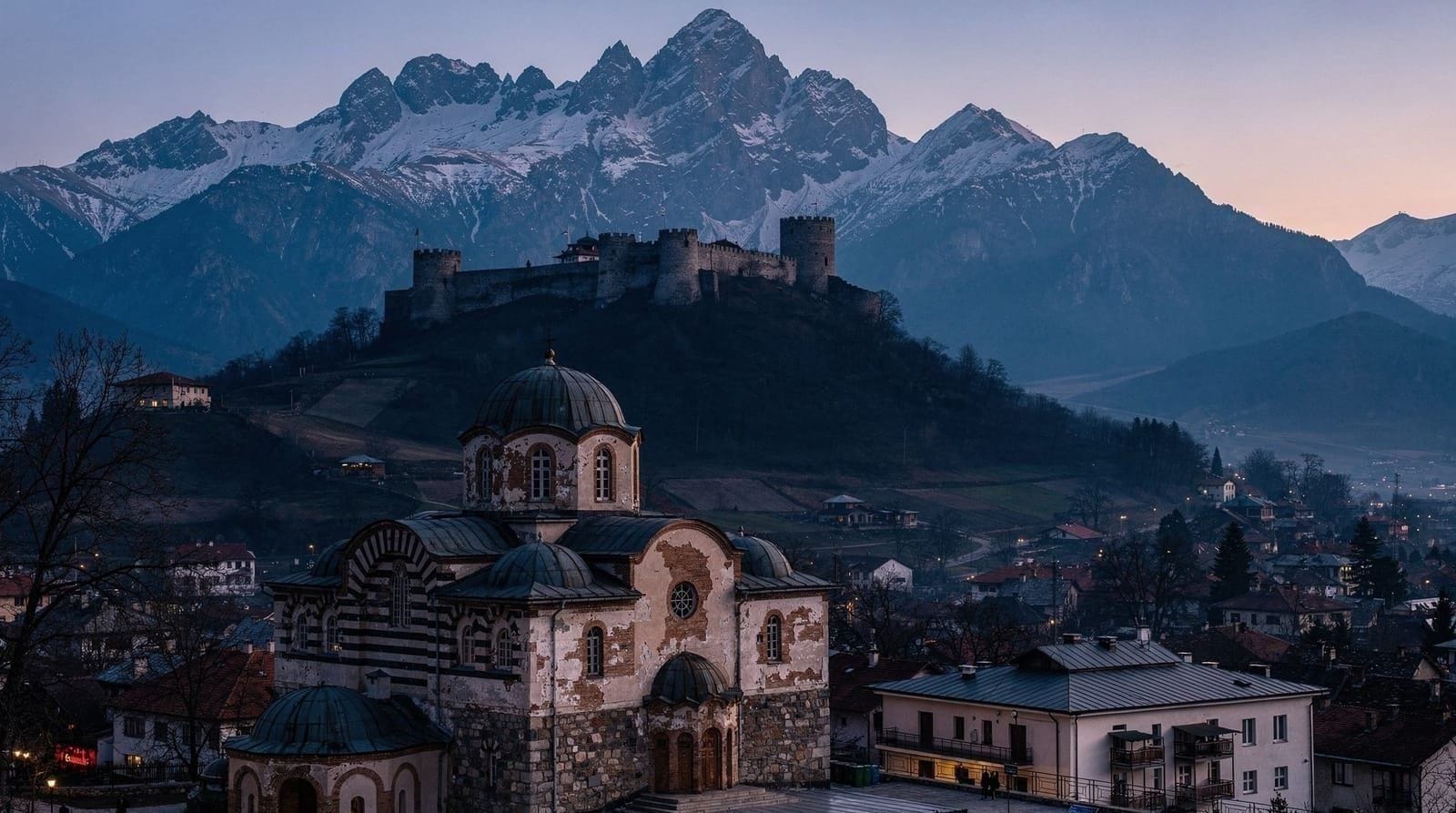
Bansko
Bulgaria's main ski resort doubles as a 19th-century mountain town. Ski season, Pirin National Park hiking, and the honest trade-offs explained.
Sofia: Pirin National Park Hike & Bansko Visit
Quick facts
- Distance from Sofia
- 160 km south (2 hr drive, 3 hr by bus)
- Altitude of town
- 925 m
- Ski area altitude
- 925–2,560 m
- Lifts
- ~20 ski lifts; gondola from town
- Ski season
- December–April
- Pirin National Park
- UNESCO World Heritage since 1983
What is Bansko? A small 19th-century mountain town that became Bulgaria’s main ski resort in the 2000s. The old town centre has genuine National Revival architecture and good traditional restaurants. The ski area above it (connected by gondola) covers 75 km of runs from 925 to 2,560 m altitude. In summer, Pirin National Park — UNESCO World Heritage — starts from the gondola’s upper station. This dual personality defines the visit.
| Where | Pirin Mountains, 160 km south of Sofia |
| Cost | Lift pass around €35–45/day; old town meals €8–15 |
| Time needed | 1 day (ski or hike) to 3 days (full ski trip) |
| Getting there | 2 hr by car, or shuttle bus/airport transfer |
| Best time | December–March for skiing; July–September for Pirin hiking |
Bansko: two distinct realities
The old town of Bansko (the “Varosh” quarter) predates the ski resort by about two centuries. The characteristic houses — solid stone ground floors, wooden upper storeys, enclosed courtyards — were built by wealthy 18th and 19th-century merchants. Several hundred metres away, the gondola base station connects to an international ski resort with apres-ski bars, British-owned chalets, and Irish pubs.
These two worlds coexist but barely interact. The old town is genuinely worth exploring — the Church of the Holy Trinity, the Neofit Rilski Museum (birthplace of the monk who created the modern Bulgarian alphabet), and the dense mehana (tavern) culture are all here. The ski resort perimeter, by contrast, has the generic feel of any low-cost European ski development.
For a day visit, you can experience both in the same day: old town morning, gondola and ski area or hiking in the afternoon. For a longer stay, the Sofia Ski Weekend itinerary builds a Friday-to-Sunday programme around Bansko or Borovets.
Skiing in Bansko
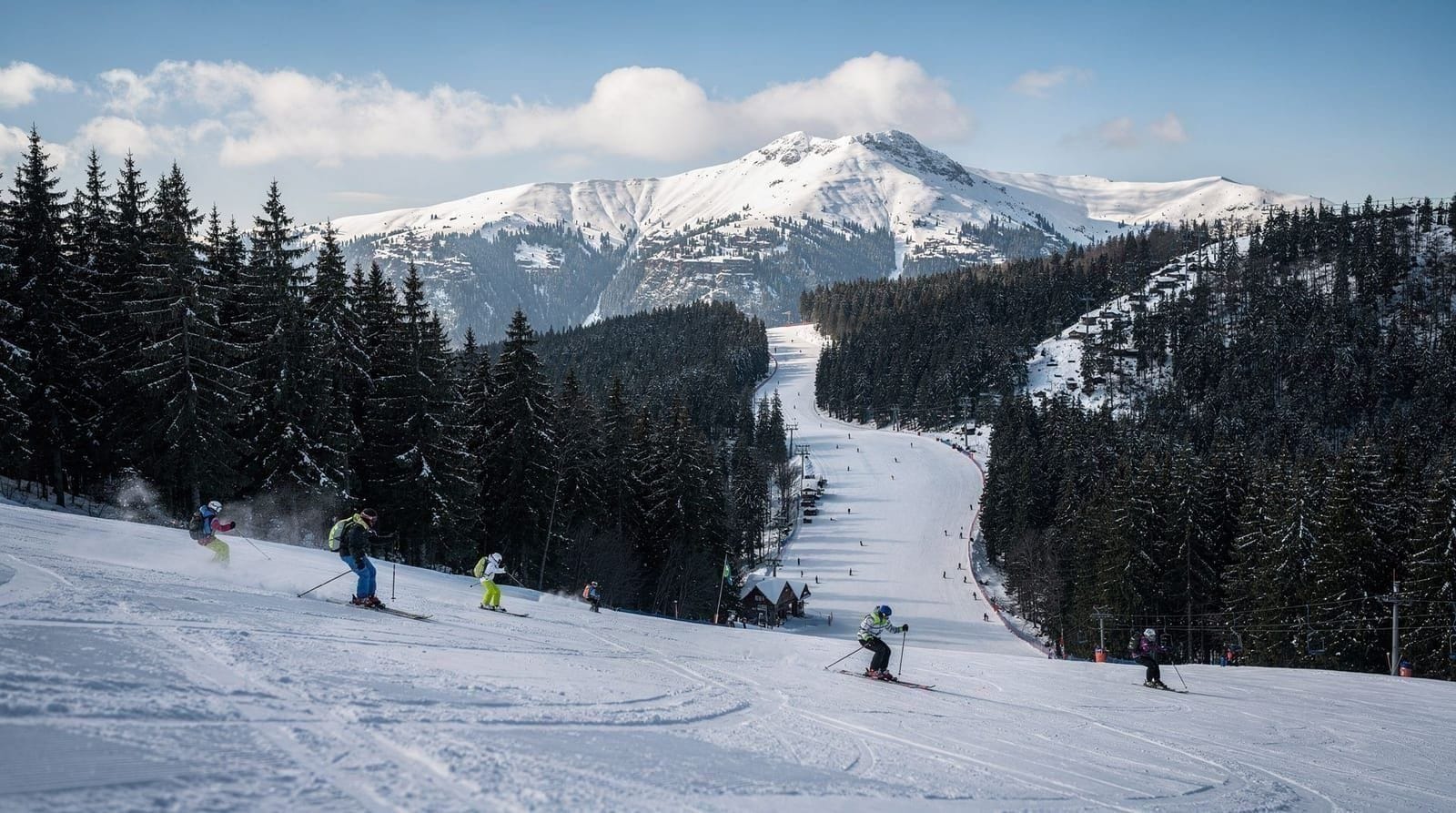
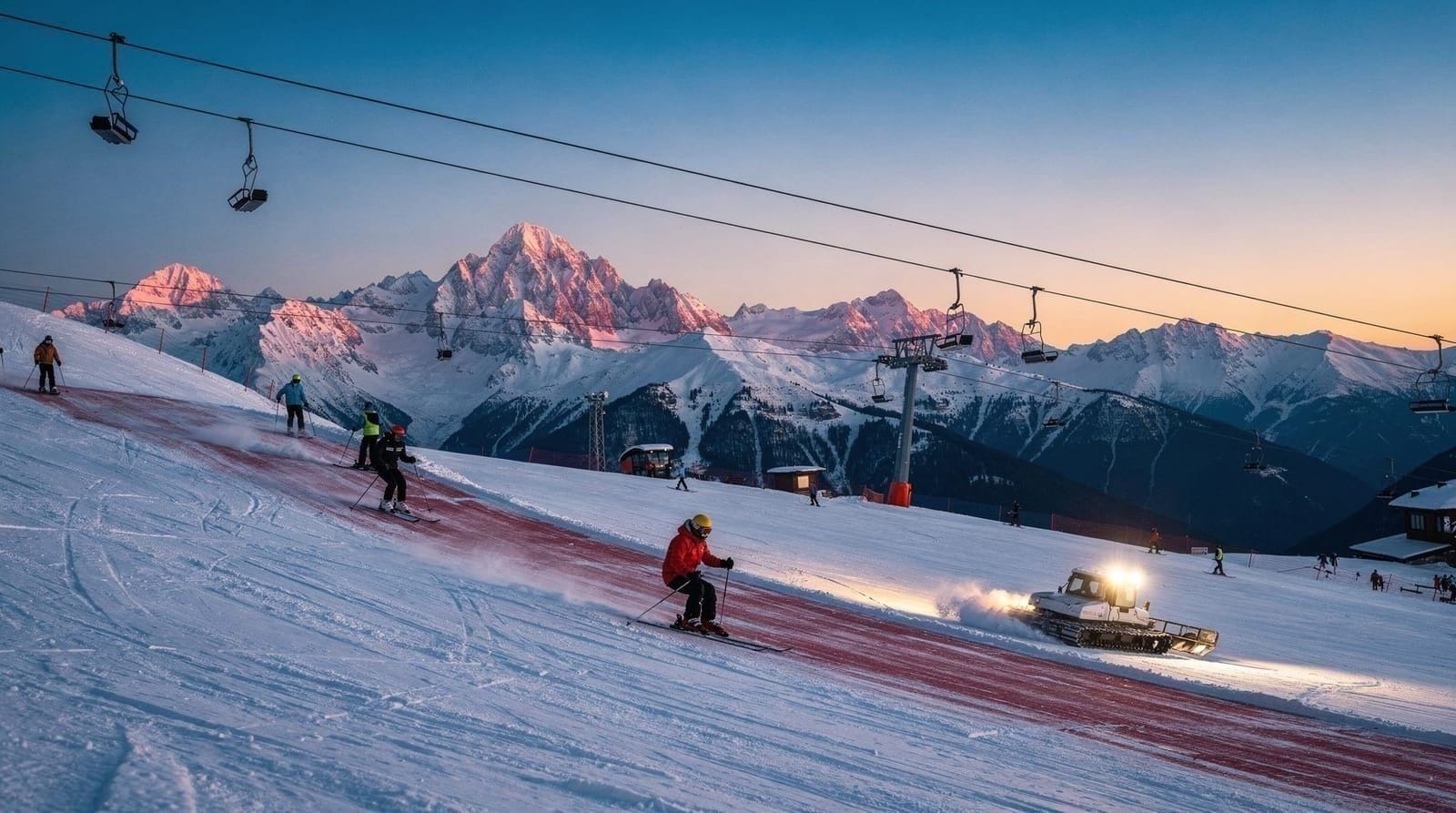
The ski area is the largest in Bulgaria and the most developed in the Balkans. Key facts:
- Runs: 75 km, covering all skill levels
- Highest point: 2,560 m (good snow reliability December–April)
- Gondola: connects town to ski area, 7 km, 20 minutes, free for lift-pass holders
- Lift pass: approximately €35–45/day (significantly less than Alps resorts)
- Ski rental: €15–20/day from town shops or on-mountain
- Lessons: English-speaking ski schools available at standard prices
The case for Bansko over Alpine resorts is purely economic: the skiing itself is good but not exceptional compared to Chamonix or Zermatt — fewer runs, less variety, crowds on main pistes in February–March. But at roughly 40% of Alpine prices, it attracts a substantial budget ski market, especially from the UK.
Practical warning: the gondola from town has queues in peak season (January–February weekends, Bulgarian school holidays). Arrive at the gondola base before 09:00 to minimise wait. For general planning across all Bulgarian ski resorts, see the skiing from Sofia guide.
GetYourGuideSofia: Pirin National Park Hike & Bansko VisitCheck availability →Pirin National Park hiking (summer)
The gondola’s upper station at approximately 1,660 m drops you into Pirin National Park territory. The Vihren peak (2,914 m, second highest in Bulgaria) is the main summit objective — a demanding but non-technical hike from the Vihren hut via the Koncheto ridge. Allow a full day.
The Banderishki Lakes and Baikusheva Mura (a 1,300-year-old Bosnian pine, officially the oldest tree in Bulgaria) are more accessible targets at lower altitude. The Bezbog Lake and hut area to the south of Bansko is a popular overnight hike.
Summer hiking in Pirin is significantly less crowded than skiing in Bansko — most visitors come in winter. The glacial lakes between 2,000 and 2,500 m (Muratov, Ribni, Bezbog) are the Pirin equivalent of the Seven Rila Lakes, with fewer visitors.
GetYourGuidePirin National Park: Glacial Lakes and Jagged Peaks Day TripCheck availability →Planning your days in Bansko
A good first visit to Bansko is built around the weather rather than the calendar. In winter, the mountain sets the rhythm: early start at the gondola, a long morning on the pistes, a late lunch in a mehana, and an evening that is either lively or very quiet depending on how tired your legs are. In summer the logic flips, with an early trail start to stay ahead of afternoon clouds and a slow evening wandering the old town lanes.
If you only have one day, decide the night before whether the mountain or the town is the priority, then let the other fill the gaps. A skier who spends the whole day on the slopes still has time for dinner in the Varosh quarter, and a hiker back from the trail can reach the old town in time to see the stone courtyards in the evening light. With two or three days, you can give the town a proper morning of its own, which is the best way to understand why the place became a resort in the first place.
Travellers coming from the capital will find that Bansko sits comfortably within a wider southwestern loop. The Bulgaria highlights in 7 days itinerary shows how the Pirin foothills can be threaded between Sofia, Rila and the wine country, while the skiing from Sofia guide helps you compare the options if you are still choosing between resorts.
Bansko month by month
Conditions swing sharply between the ski months and the hiking months, and crowd levels vary just as much within each season.
| Period | Conditions | Crowds |
|---|---|---|
| December–early Jan | Season opening, variable snow at lower altitude | Moderate, builds toward New Year |
| Late Jan–Feb | Peak snow reliability, coldest | Highest — school holidays, weekend queues |
| March–early April | Spring skiing, softer snow, longer days | Lower, good value |
| May–June | Mud season on the mountain, gondola limited | Very low, not recommended |
| July–September | Best Pirin hiking weather, Vihren accessible | Low to moderate, mostly Bulgarian hikers |
| October–November | Cooling, old town quiet, gondola may close for maintenance | Very low |
For skiing, aim for March if you want fewer crowds without sacrificing snow. For hiking, July and August give the most stable weather on the Vihren ridge; the Rila mountains hiking guide covers the neighbouring range if you want to compare trail options.
The old town food scene
Bansko’s mehana culture is one of its genuine strengths. The old town has 30+ traditional restaurants in 19th-century buildings, competing for a loyal local and tourist clientele. The quality bar is high.
Mehana Banski Han: wood-panelled interior, live folk music (weekends), good kavarma and banitsa. Portions large, prices modest (€8–15 per person for a full meal).
Shtastlivetsa (Bansko branch): reliable chain, good for first-timers to Bulgarian cuisine.
Baryakova Mehana: one of the oldest in the old town, serves local specialities including katino meze (a Bansko-specific platter of grilled meats and vegetables).
The local wine is from the Damianitza winery (based near Melnik, 60 km south) — look for No Mans Land (a Melnik grape blend) on wine lists. Local rakia is available everywhere.
What to do in Bansko beyond the slopes
Not everyone in a ski town is on skis. Partners, friends and family who prefer a slower pace can fill a day with the old town: a walk through the cobbled lanes, a visit to the church and the museum, a long lunch, and a coffee in one of the courtyards. The town is compact enough that nothing requires planning, and the mehana tradition means that a break for food is never a chore.
For a gentler taste of the mountain, the gondola is also a way to reach the upper terrain as a sightseer, where the views over the valley are a reward in themselves. Dress warmly, because conditions at the top are very different from those in town. After a day outdoors, many visitors look for a spa or thermal soak; the spa and thermal Bulgaria guide and the hot springs in Bulgaria page explain where to find them in the region.
Families with children will find Bansko manageable, especially in the shoulder months when the lanes are calm and the ski schools are less crowded. The key is to keep days short, plan meals around the children’s rhythm, and treat the old town as a rest-day destination rather than an afterthought.
Getting to Bansko from Sofia
By car (recommended)
160 km south on the Struma highway (A3) to Blagoevgrad, then east via the mountain road through Predel pass. Approximately 2 hours. The road via Predel is scenic but winding — take it slowly in winter when icy.
By shuttle bus
Year-round shuttle buses run from Sofia to Bansko, taking approximately 2.5–3 hours. During ski season, multiple companies run morning shuttles from Sofia city and airport. Cost: €10–15.
Airport transfer
Bansko is a popular fly-in ski destination. Direct transfer from Sofia Airport to Bansko costs approximately €30–50 per person by shuttle, €80–120 for a private transfer.
GetYourGuideBansko: Private Transfer to/from Sofia AirportCheck availability →Combining Bansko with Melnik
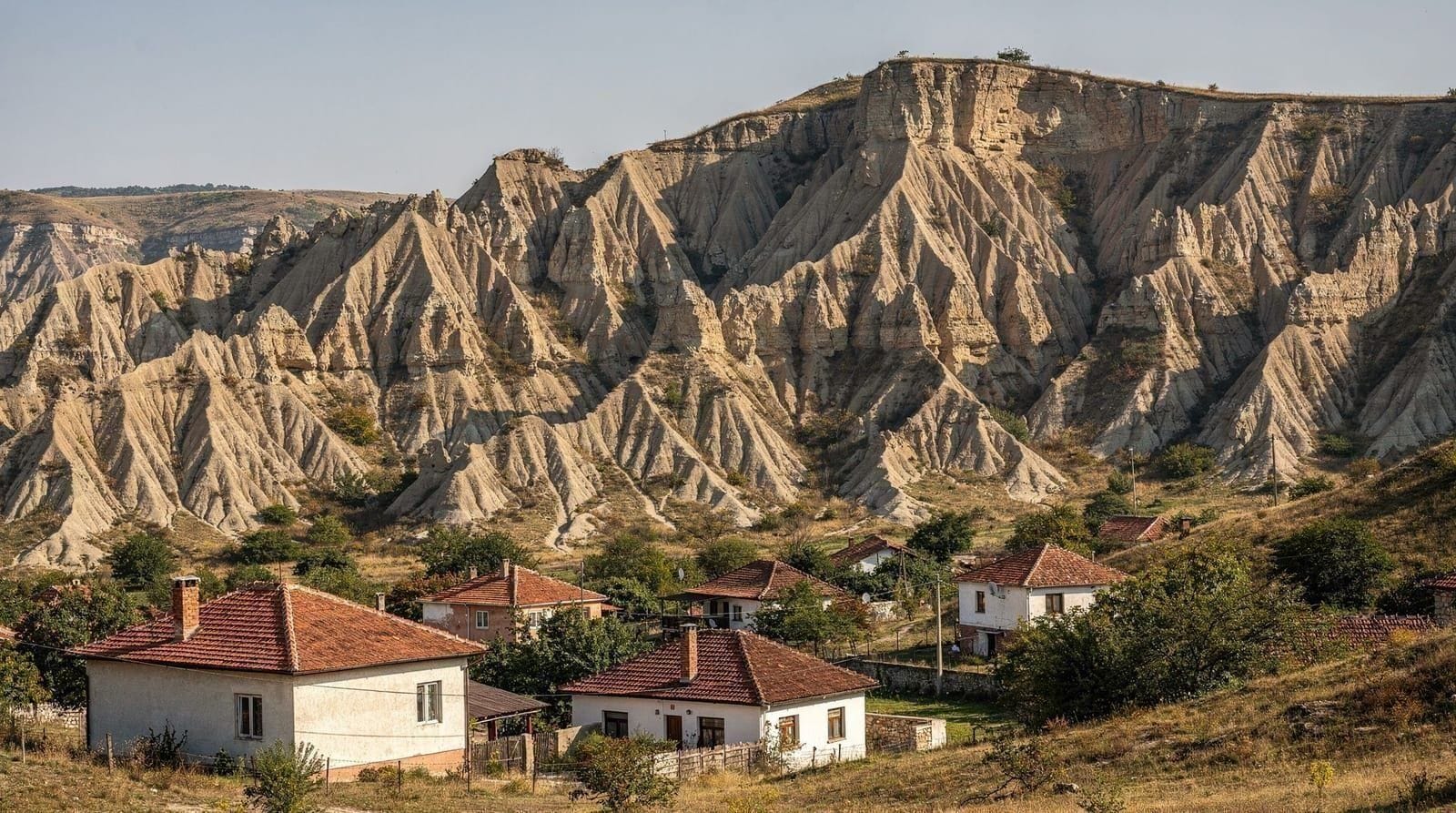
Melnik is 60 km southwest of Bansko (1 hour by road). The combination works as an overnight trip: Bansko for the evening and a morning ski/hike, then Melnik for wine tasting and the distinctive sandstone landscape in the afternoon. See Melnik guide.
Before you go: practical tips
Pack in layers whatever the season. Mountain weather in the Pirin changes quickly, and a sunny morning in town can turn into wind and cloud higher up. In winter, bring sunglasses, a warm hat and gloves you can replace if wet; in summer, bring a waterproof shell and sturdy footwear even for short walks.
Book the things that fill up first: lodging near the gondola for the busiest weeks, and ski lessons if you are a beginner. Everything else, including restaurant tables in the old town, is usually easy to arrange on the day outside peak weekends. If you are arriving from the airport, the Sofia airport to city guide explains the first leg, and the getting around Sofia guide helps if you are spending a night in the capital before or after the mountains.
Finally, keep a margin in your schedule. Roads over the mountain can slow down in snow, and a buffer before a flight or a long onward journey saves a stressful last day.
Honest trade-offs
Bansko divides opinions. The ski resort development — which accelerated rapidly in the 2000s — has built high-density apartment blocks around the gondola base that conflict sharply with the old town character. The UNESCO nomination for the old town’s historic zone has been discussed but not acted on; the protective buffer remains limited.
The town is genuinely better in summer (hiking, more local atmosphere) than in peak ski season for those who are not specifically here to ski. If you want good-value ski instruction and access for beginners or intermediates, it works well. If you want unspoiled mountain atmosphere, Borovets or the Pirin trails deeper than the gondola can reach are better choices.
Sofia to Bansko shuttle transferFrequently asked questions about Bansko
Is Bansko the best ski resort in Bulgaria?
For size, altitude, and infrastructure, yes. Borovets is more convenient from Sofia but has fewer runs and less reliable snow. For serious skiing, Bansko is the choice.
Is Bansko worth visiting in summer?
Yes — the Pirin National Park hiking is the best reason. The old town is pleasant and less crowded than in winter. If you are not hiking, Bansko in summer without access to the mountains is a quieter visit.
How far is Bansko from Melnik?
60 km by road, approximately 1 hour. A good combination for a 2-day trip focused on Pirin and wine.
Is Bansko expensive by Bulgarian standards?
Ski season prices are elevated. Old town restaurants remain affordable. Accommodation prices range widely — budget hostels, mid-range guesthouses, and luxury ski apartments all exist.
When does the Bansko ski season start?
Typically December, with full operation from late December or early January. The season runs through March, sometimes into early April at altitude. Conditions vary by year.
Can you visit Rila Monastery from Bansko?
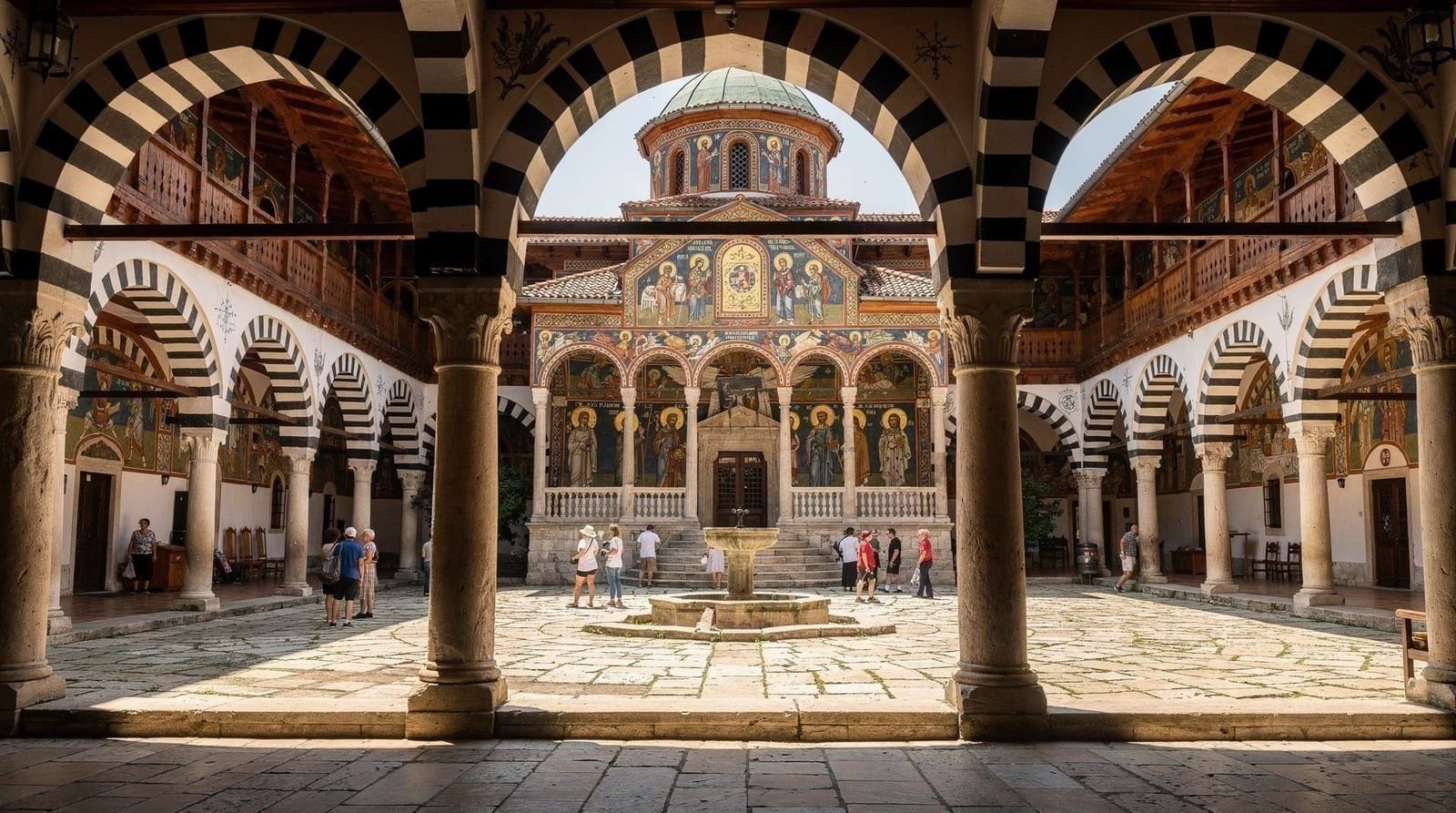
Yes — approximately 75 km north (1.5 hours by road). A viable day excursion from Bansko. See Rila Monastery guide.
Is Bansko or Borovets better for a short ski trip?
Bansko has more terrain and a livelier resort scene; Borovets is closer to Sofia and simpler for beginners or a single day. See the honest comparison in the Borovets guide.
Do you need a car in Bansko?
No. The old town and gondola base are walkable, and shuttle buses or an airport transfer cover the journey from Sofia. A car helps only if you plan to combine Bansko with Melnik or other southwest destinations independently.
Top experiences
Bookable activities with verified prices and instant confirmation on GetYourGuide.