Sofia on 50 euros a day: a realistic budget breakdown for 2026
Bulgaria joined the eurozone in January 2026, which means the days of mentally converting lev to euros are over — but it also means prices are now directly comparable to other EU destinations. The honest answer is that Sofia remains one of the most affordable Schengen capitals, but it is no longer the rock-bottom destination some budget travel blogs still describe based on pre-2026 data.
This guide breaks down what €50 a day actually buys you in Sofia in 2026, where prices have risen since the lev era, and where things are still genuinely cheap.
| Daily target | around €50-65/day, mid-budget traveler |
| Cheapest meal | banitsa + coffee, €1.80-2.50 |
| Accommodation | €15-25 hostel dorm; €40-65 budget double |
| Transport | €1-1.60/trip metro; €13 for 10-trip card |
| Getting there | metro from Sofia Airport, €1, ~20 min |
What changed when Bulgaria adopted the euro
The official lev-to-euro rate was fixed at BGN 1.95583 per euro — so every lev price simply became that amount in euros. In theory, nothing changed. In practice, some businesses rounded up. A café charging BGN 3.50 for a coffee now charges €1.90 instead of the technically correct €1.79. Restaurant mains that were BGN 16-18 got rounded to €9-10.
More significantly, the transition gave cover for price increases that were already happening. Restaurant and hotel prices rose roughly 15-25% compared to their 2024 lev equivalents. Street food, local bakeries, and produce markets held more steady — partly because the customer base is local and price-sensitive.
The result: mid-range restaurants and hotels are noticeably more expensive than two years ago. Budget options — hostels, canteen-style local restaurants, public transport — remain excellent value by European standards.
Accommodation: what €15-65 buys you
Hostel dorm beds run €15-25 per night in a decent place. Sofia has a small but functional hostel scene concentrated in the center and around Vitosha Boulevard. Expect 6-10 bed dorms, shared bathrooms, and basic breakfast sometimes included at the higher end of that range. Hostelworld and Booking both list the main options; read recent reviews because quality varies.
Budget hotel double rooms fall in the €40-65 range. You can get a clean, well-located double with private bathroom at this price. The area around Serdica metro station and the Lion’s Bridge district has a concentration of smaller hotels in this bracket. Do not expect the room to be large or especially stylish, but you will have privacy and a decent bed.
Airbnb studios typically run €35-55 per night for anything central and well-reviewed. The sweet spot is a studio within walking distance of the center — you get a kitchen (useful for breakfast) and more space than a budget hotel room for similar money.
For the €50/day budget, a hostel dorm at €20 is the assumption. If you are traveling as a couple and splitting a double room, your accommodation cost per person drops to €22-32, which gives more breathing room for food and activities.
Location matters as much as price. A bed close to the metro saves you money every day, because you can walk to most sights and lean on the network for the rest. The getting around Sofia guide explains how the metro, trams and buses fit together, and if you are landing late, from Sofia Airport to the city covers the simplest ways to reach your bed without overpaying.
Food: real costs at real places
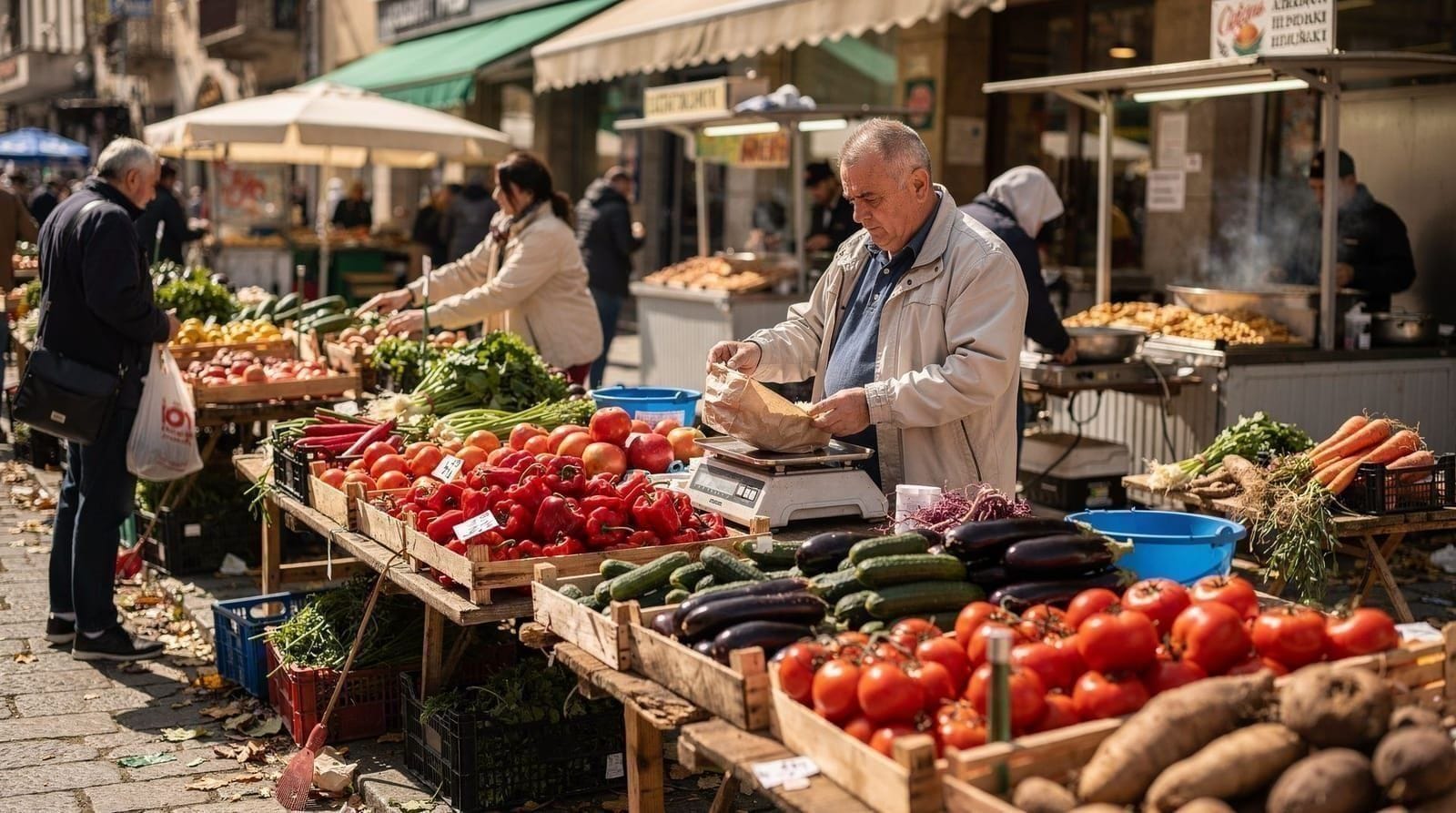
Breakfast is where Sofia is still very cheap. A banitsa (cheese-filled filo pastry, the Bulgarian breakfast staple) costs €0.70-1.20 at a bakery. Add a kifla (butter roll) and a coffee and you have left breakfast for €1.80-2.50. The bakery chains — Evropa, Breadway, and dozens of independent places — are scattered across every neighborhood.
Avoid hotel breakfast if it is not included. The same food costs twice as much.
Lunch at a local restaurant (the kind with handwritten specials boards, not the kind with laminated photo menus) runs €5-8 for a full meal. Look for the daily lunch special, called обед (obed) — typically a soup and main course together for €4.50-6. These are not tourist places; they are where office workers and locals eat. You will sometimes need to read a menu in Cyrillic or use Google Translate camera mode.
The areas around Banski Square, the streets east of the National Palace of Culture (NDK), and the market hall near the Central Market are good hunting grounds for lunch specials.
If you want to know what to order before you sit down, the Sofia food guide and the list of Bulgarian dishes to try will help you read a menu with confidence. For the cheapest end of the spectrum, banitsa and street food and our Sofia street food guide show where locals grab a quick bite. Coffee is a small daily cost that is easy to keep under control, and Sofia coffee culture explains the habits that keep it cheap, while the best cafés in Sofia points to places worth a longer stop.
If you would rather have a guide steer you to the right stalls and tables, a guided food tasting walk through the city’s culture and cuisine is a way to eat several local specialties in one outing, and works as your main meal of the day.
Dinner steps up. A meal at a mehana (traditional Bulgarian restaurant) costs €10-18 per person with a drink. The further you get from Vitosha Boulevard, the better the price-to-quality ratio. A grilled pork neck (vrat) with fries and a salad — the classic order — runs €8-11 at a mid-range mehana. Add a local beer (Zagorka, Kamenitza) for €2-3 and you have a complete dinner for €10-13.
Shops and supermarkets (Billa, Lidl, Kaufland) have extensive prepared food sections if you want to self-cater for one meal.
Street food day option: if you skip sit-down restaurants entirely, €8-12 covers a full day of eating — banitsa breakfast, kebapche (grilled minced meat roll) with bread for lunch, and a large salad or döner in the evening. This is a legitimate approach for one or two days but gets monotonous quickly.
Transport: still the cheapest part of your day
Public transport in Sofia is run by the city and remains cheap.
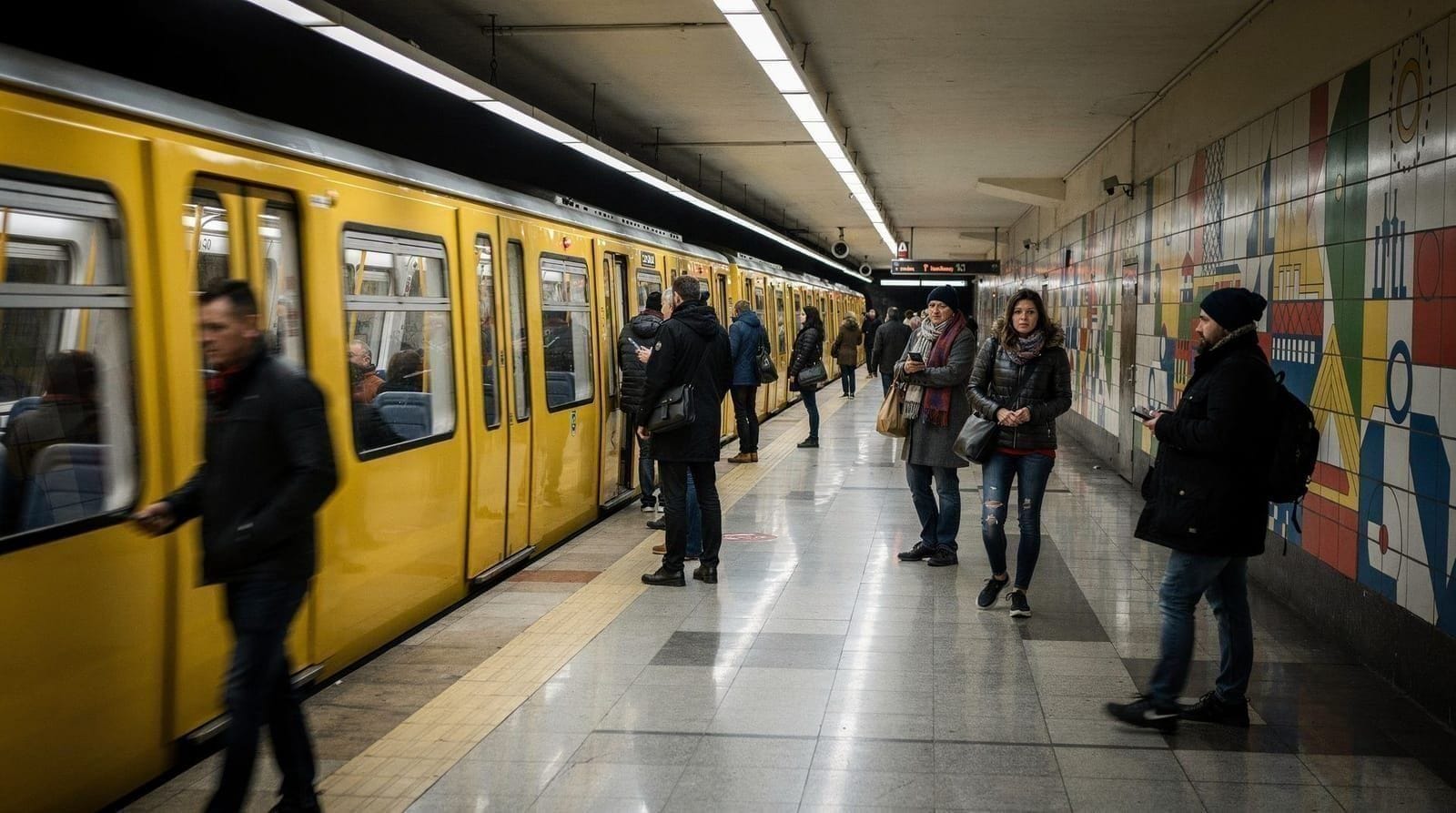
- Metro single ticket: €1.60. The metro covers the main tourist corridor (Serdica — NDK — Vitosha) and connections to the bus station and airport.
- 10-trip card: approximately €13 (€1.30 per journey). Worth buying at any metro station ticket machine if you are staying more than two or three days.
- Day tram and bus pass: approximately €4. Covers unlimited tram, bus, and trolleybus trips but not the metro. Useful if you are doing a walking tour day and making frequent short hops.
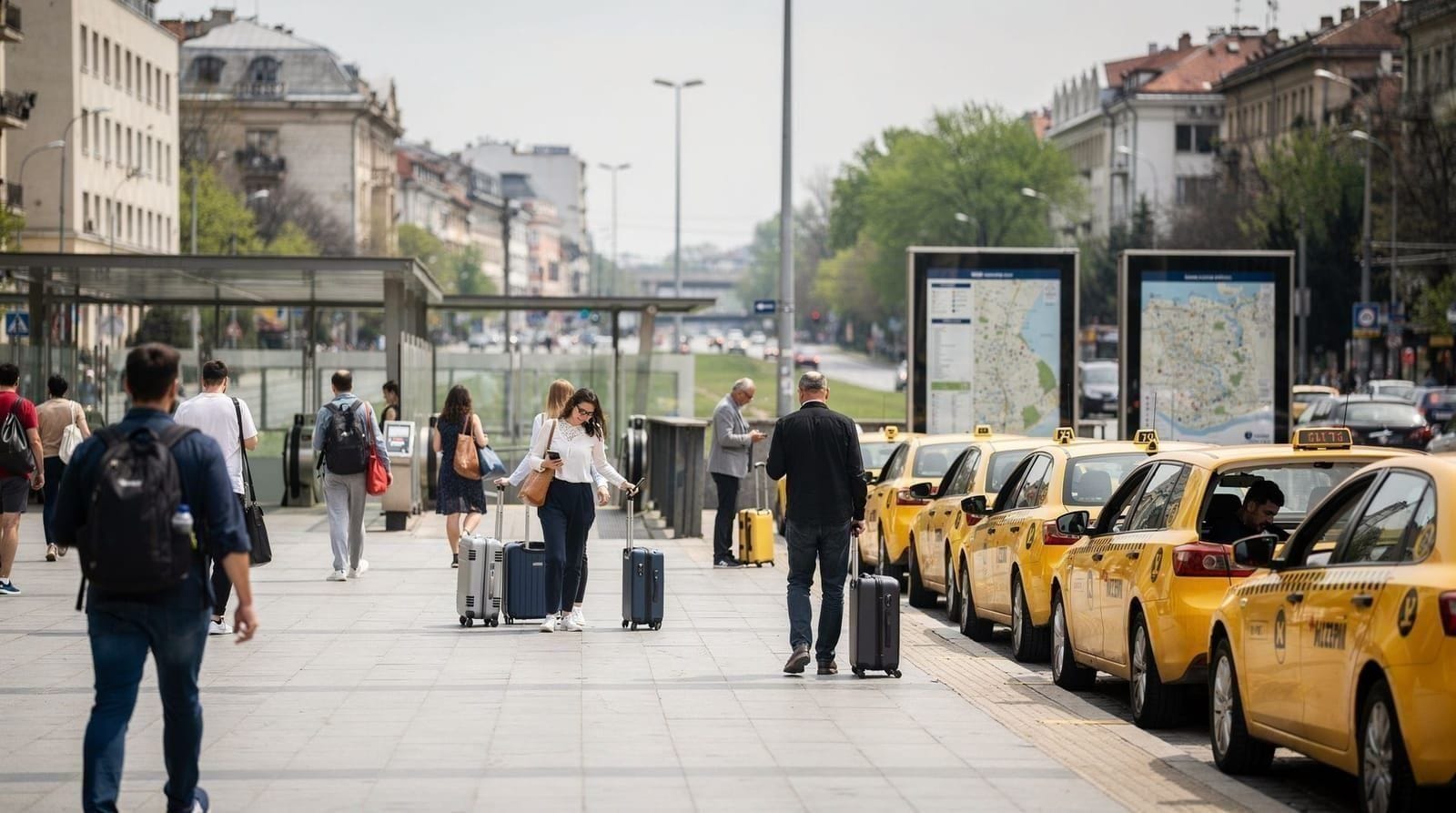
- Bolt (rideshare) across central Sofia: €3-5. For the airport journey, a pre-booked private transfer is better value than a metered Bolt, which can surge in traffic — Bolt works well for intra-city trips.
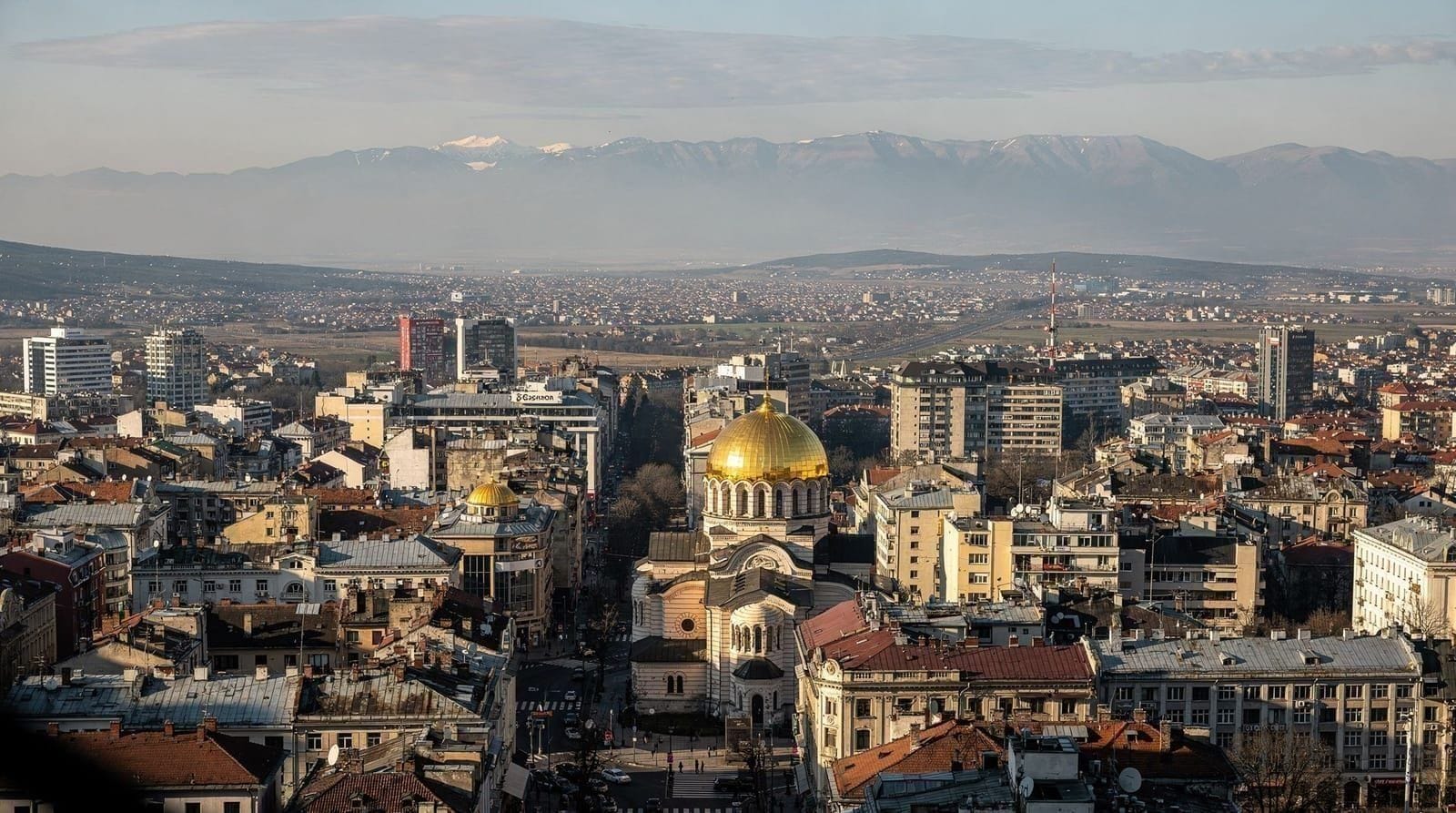
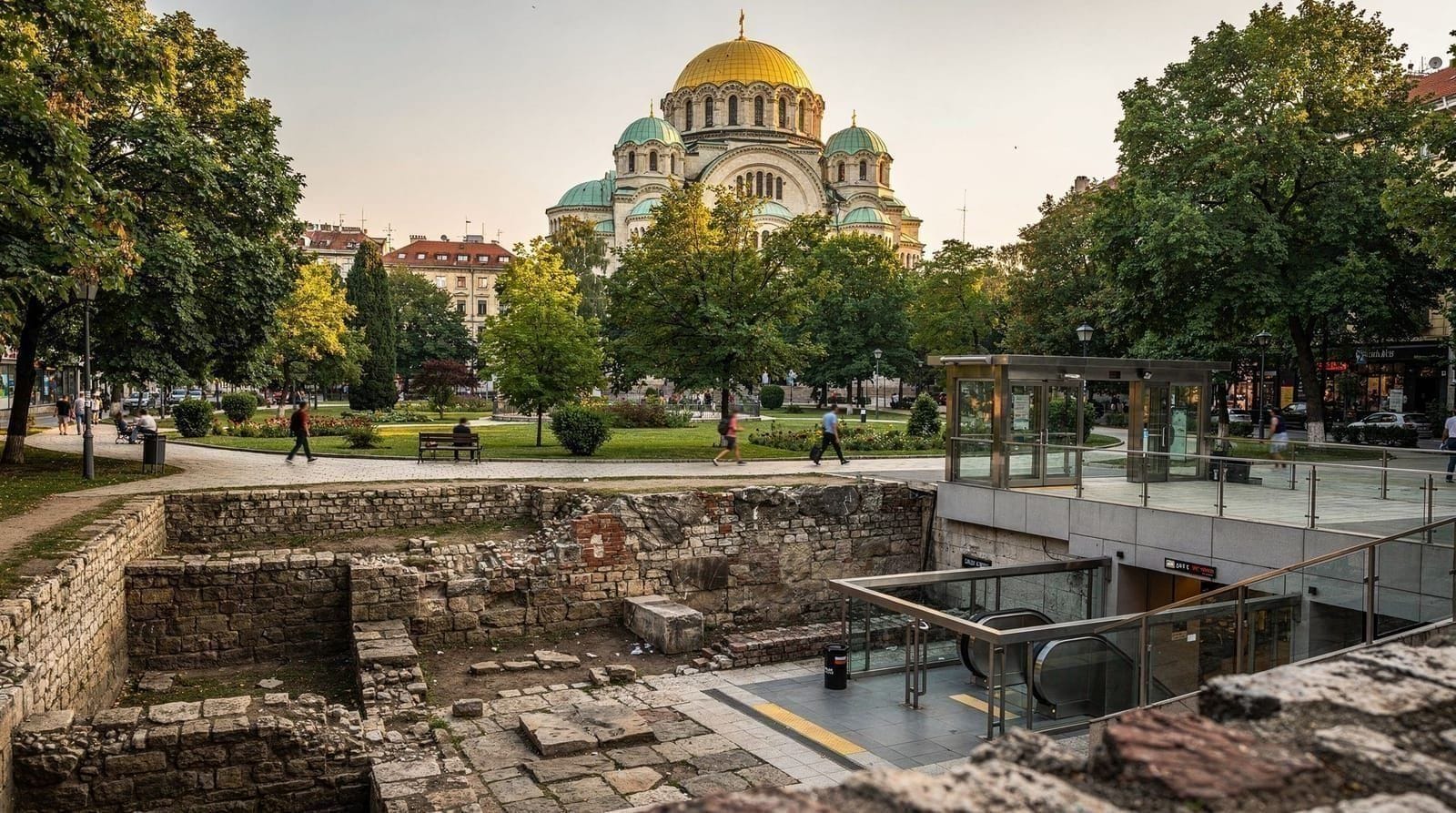
Walking is genuinely viable in Sofia for central sightseeing. The main cluster — Alexander Nevsky Cathedral, Nevski Square, Sveta Nedelya Church, the Largo, Serdica ruins, Vitosha Boulevard — is walkable in a single morning. Budget €3-5/day for transport unless you are going to Vitosha Mountain or Boyana, which require a bus or taxi.
Attractions: mostly free or very cheap
This is where Sofia genuinely outperforms more expensive Balkan capitals.
Free:
- Alexander Nevsky Cathedral (interior, most hours)
- Sveta Nedelya Church
- Sveta Sofia Basilica (exterior and grounds)
- Rotunda of Saint George (exterior, courtyard)
- Serdica Roman ruins (visible from street level through glass in the metro)
- Vitosha Mountain (the mountain itself — transport is the only cost)
- Zaimov Park and South Park (large city parks)
- Museum of Socialist Art outdoor sculpture garden (free to walk through)
Paid:
- National Historical Museum: €5. The largest history museum in Bulgaria, 10 km from center (take bus 21 from the Eagles Bridge). Worth the trip.
- Boyana Church (UNESCO): €5, timed entry required. Book online at least a day ahead — this sells out in summer.
- Museum of Socialist Art (indoor): €3. Located south of the center near Hladilnika. Covers Bulgaria’s communist-era art, propaganda posters, and the removal of Georgi Dimitrov’s mausoleum.
- National Art Gallery: €3. The permanent collection is modest but the temporary exhibitions are often interesting.
- Rotunda of Saint George (interior fresco tour): €2.
A realistic museum budget for a three-day trip: €16-20 total if you do Boyana, the National History Museum, and the Museum of Socialist Art. Per day, call it €5-7.
Before paying for anything, spend your first hours on the free sights. The Alexander Nevsky Cathedral guide tells you what to look for inside, and the Serdica Roman ruins are an easy way to see the city’s ancient layers without a ticket. For paid entries, the Sofia museums guide and the page on the Museum of Socialist Art help you choose where your few euros go furthest, and Boyana is the one place worth planning around. If the communist-era story appeals, the communist Sofia deep dive shows how much of it you can see for free on foot.
The €50/day breakdown in practice
Here is a realistic daily budget at the €50 level:
| Category | Cost |
|---|---|
| Hostel dorm bed | €20 |
| Breakfast (bakery) | €2 |
| Lunch (local restaurant, daily special) | €6 |
| Dinner (mehana, beer included) | €13 |
| Transport (10-trip card prorated) | €4 |
| One museum or attraction | €5 |
| Coffee, water, snack | €5 |
| Total | €55 |
That is slightly over €50. To land exactly at €50: skip the sit-down dinner and do a supermarket meal instead, or skip the museum on days you do free sightseeing (churches, the Largo walk, Vitosha). The €50 target is achievable but requires some discipline — it is not automatic.
For context: a traveler spending €70-80/day in Sofia has a noticeably more comfortable experience. A budget hotel instead of a dorm, a drink with dinner, one paid tour, and the freedom to eat at a sit-down lunch rather than a bakery.
Where you can cut and where you cannot
Cut here:
- Eat at local bakeries and lunch canteens, not tourist-facing restaurants
- Use the 10-trip metro card rather than individual tickets
- Do free walking tours (tip-based; pay what feels fair — €5-10 is reasonable)
- Drink local beer and rakia rather than imported spirits or wine by the glass at bars
- Self-cater at least one meal from a supermarket or market
- Tap water in Sofia is safe to drink; carry a refillable bottle
Do not try to cut here:
- Boyana Church: book the timed entry and pay the €5, or you may not get in at all in summer
- Transport to Vitosha or Boyana: skimping on this and walking in bad shoes is not a saving, it is a problem
- Accommodation safety: the cheapest hostels (under €12/night) in Sofia have mixed reviews for cleanliness and security; read recent feedback before booking
What is still genuinely cheap versus the rest of Europe
Even after the euro transition and the associated price creep, Sofia compares favorably, and the gap widens further once you factor in day trips and museum entries, which run a fraction of comparable Western European prices for similar historical significance.
A metro ticket in Vienna or Paris is €2.40-2.90; in Sofia it is €1.60. A sit-down lunch in Berlin starts at €12-15; in Sofia a decent one is €5-7. Coffee in Lisbon runs €1.50-2.00; in Sofia a proper espresso is €1.20-1.60 at a non-tourist café.
The day trips from Sofia are also priced in the Bulgarian market rather than the Western European one — a full-day group tour to Rila Monastery runs €25-45 per person, which is significantly less than comparable monastery or heritage tours in Italy or Spain.
The general rule: anything consumed primarily by local Bulgarians is priced accordingly. Anything at a tourist-facing establishment on or near Vitosha Boulevard has drifted toward Western European prices and is no longer a bargain.
Planning a realistic budget trip
For a three-day trip, budget roughly:
- Accommodation (3 nights, hostel): €60
- Food (3 days at €21/day): €63
- Transport (10-trip card + 1 bus to Vitosha): €17
- Attractions (Boyana, Museum of Socialist Art, Alexander Nevsky): €8
- Day trip (Rila Monastery group tour): €35
- Incidentals (coffee, snacks, tips): €15
Three-day total: approximately €198, or €66/day. That is above €50/day but includes the Rila day trip, which is effectively a premium experience by Bulgarian standards. Without the day trip, the three-day total drops to roughly €163 — just under €55/day.
The €50/day target is honest if you are staying in a dorm, eating mostly at local bakeries and lunch specials, and limiting yourself to free or cheap attractions. It is tight but possible, and nothing about Sofia feels like deprivation at that budget — the city’s low cost base means you eat well and get around easily even at this level.
If you are still deciding how long to stay, how many days in Sofia helps you balance cost against what you want to see, and the Sofia in 3 days itinerary gives a ready-made plan that fits this kind of budget. A day on Vitosha Mountain is a good way to spend a day with almost nothing to pay beyond the ride there.
Stretching the budget with a free walking tour
Free (tip-based) walking tours are well-established in Sofia and are one of the best value activities on this list precisely because they cost whatever you decide to pay. A typical tip of €5-10 buys 2-2.5 hours of orientation covering the Largo, Alexander Nevsky Cathedral, and the Serdica ruins — cheaper than any paid museum entry and often a better introduction to the city than doing it solo with a guidebook. Budget for the tip as part of your daily total rather than treating it as free; showing up and tipping nothing is bad form and undermines a model that depends on visitors paying fairly.
If your budget stretches slightly further and you want a structured overview with a smaller group and guaranteed timing, a paid alternative exists:
Sofia Must-See Attractions Walking TourA sample tight day, hour by hour
To make the €50 target concrete rather than abstract: breakfast banitsa and coffee from a neighborhood bakery near Serdica (€2), walk the Largo and Serdica ruins for free, enter Alexander Nevsky Cathedral (free) and skip the crypt museum to save €3, lunch at an obed special near the NDK (€5.50), afternoon at Zaimov Park or South Park (free), dinner at a mehana slightly off Vitosha Boulevard (€11 with a beer), and a 10-trip metro card used twice that day (€2.60 prorated). Total: roughly €21 for food and sights plus a €20 hostel bed, landing at €41 — comfortably under budget, with room for a coffee or a museum the following day.
Frequently asked questions about Sofia budget travel
Is €50 a day enough for Sofia in 2026?
Yes, but it requires eating at local bakeries and lunch specials, staying in a hostel dorm, and prioritizing free sights. You will not feel deprived — Sofia’s base prices are still low — but the margin is thin. Expect to spend €55-65/day if you want a bit more comfort or a paid attraction most days.
Did the euro transition make Sofia more expensive?
Restaurant and hotel prices rose 15-25% compared to 2024 lev equivalents. Street food, bakeries, and public transport held more steady. The official conversion rate (BGN 1.95583 = €1) was fair, but some rounding-up happened, and the transition provided cover for broader price increases.
Is Sofia cheaper than Bucharest or Belgrade?
Comparable to Bucharest (now also in the EU but using RON). Slightly cheaper than Belgrade for accommodation and food, though Belgrade does not have Schengen visa requirements for some visitors. Athens is meaningfully more expensive than Sofia across most categories.
What is the cheapest way to eat in Sofia?
Local bakeries selling banitsa, kifla, and boza (a malt drink) for under €2 total. Daily lunch specials (obed) at non-tourist restaurants for €4.50-6. Avoid the tourist-menu strip on Vitosha Boulevard.
Is tap water safe to drink in Sofia?
Yes. Sofia’s tap water is safe by EU standards. Carry a refillable bottle and save €1-2 per day on bottled water — this is a small but real budget item across a week-long trip.
What do Sofia attractions cost?
Most famous sights are free: Alexander Nevsky Cathedral, Sveta Nedelya Church, the Largo, the Serdica ruins visible at street level. Boyana Church (UNESCO) is €5 with required timed entry booking. National Historical Museum is €5. Museum of Socialist Art is €3. Total for a full culture day: €8-13.
How do locals save money on transport?
The 10-trip metro card at ~€13 (€1.30/journey) is the best value for regular use. Walking is viable in the center. Bolt and Yandex Go are cheap for late-night or cross-city trips (€3-6 within the ring road). Avoid unlicensed taxis, especially at the airport — see the scams to avoid guide for specifics.
Is a free walking tour worth doing on a tight budget?
Yes. Tip-based walking tours cover the historic center in 2-2.5 hours for whatever you choose to pay — €5-10 is a fair tip. It is one of the highest-value activities in Sofia for a budget traveler and a good first-day orientation before exploring independently.