Getting around Sofia: metro, taxis, trams, and day trips explained
Sofia Full-Day Sightseeing Tour with Transport
What's the easiest way to get around Sofia?
The metro covers the main tourist sites quickly and cheaply (€0.80/ride, daily card €4). The city centre is also flat and walkable — Serdika to Alexander Nevsky is 15 minutes on foot. Use Bolt or Uber rather than street-hail taxis. For day trips, you'll need an organised tour or car for Rila Monastery and the Seven Lakes; Plovdiv is well served by bus.
Sofia has solid public transport by the standards of a city its size: a metro that covers the key tourist sites reliably, a tram network that fills the gaps, and app-based taxis that eliminate most of the friction of dealing with an unfamiliar city. The centre is also flat and walkable — most visitors find they use the metro mainly to cross larger distances and walk the rest. For day trips to Rila, the Lakes, or Plovdiv, you’ll need separate planning, covered at the end of this guide.
| Cost | €0.80/ride; daily card €4 |
| Fastest for centre | Walking or metro (both under 20 min) |
| Airport link | M4 metro, ~30 min, €0.80 |
| Getting to day trips | Organised tour or car for Rila/Seven Lakes |
| Best time to avoid traffic | Outside 8–9:30am and 5–7pm |
A guided city tour is a practical way to get oriented on your first day, combining sightseeing with a working sense of the transport layout:
GetYourGuideSofia: Night Walking Tour with GuideCheck availability →How to choose: transport modes compared
| Mode | Cost | Speed in centre | Best for |
|---|---|---|---|
| Walking | Free | Fast for short hops (under 2km) | Old town, Largo, Alexander Nevsky |
| Metro | €0.80 | Fastest for longer distances | Airport, cross-city trips |
| Tram/bus | €0.80 | Slower, more stops | Neighbourhoods off the metro lines |
| Bolt/Uber | Variable, often cheaper than taxi | Fast outside rush hour | Late nights, airport, day-trip transfers |
| Rental car | €30–50/day | N/A in centre (traffic + parking) | Rila Monastery, Seven Lakes, Melnik |
Metro
The metro is the fastest and most reliable way to cross Sofia. There are currently three active lines:
M1 (blue line): Runs diagonally from the northeast (Mladost area) to the southwest (Hladilnika). Key stops for tourists: Serdika (central interchange), Sofia University, Slivnitsa.
M2 (red line): Runs north–south through the centre and is the most useful line for visitors. Key stops: Serdika (interchange with M1), NDK (National Palace of Culture, south end of Vitosha Blvd), Joliot Curie (for connections south toward the Vitosha area).
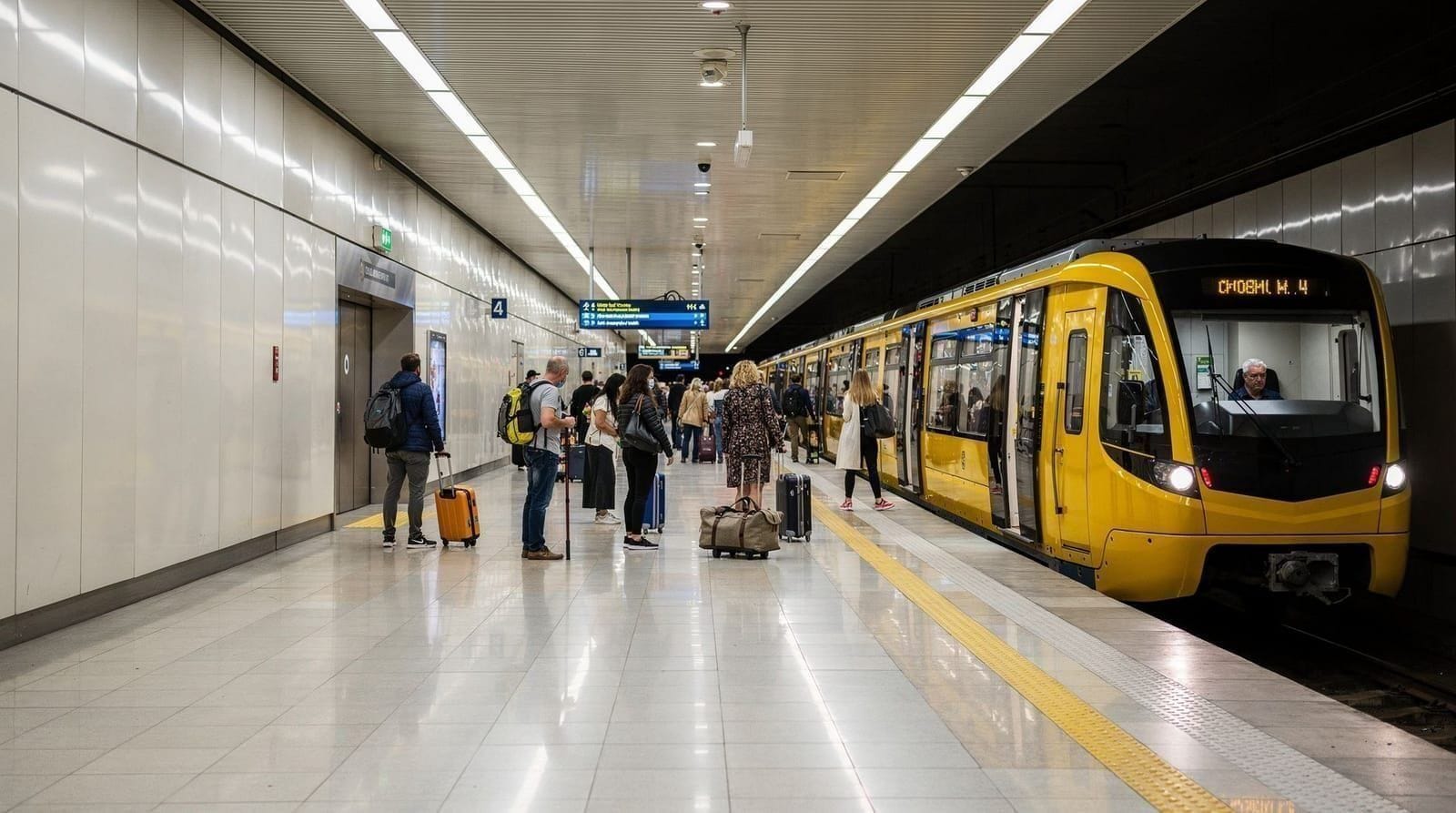
M4 (yellow line): Branches from the M2 at Business Park Sofia and runs to Sofia Airport. This is the airport connection. From the airport to Serdika takes approximately 30 minutes and costs €0.80. The M4 makes a private transfer optional for most arrivals — see Sofia airport to city for details.
Fares and tickets
| Ticket type | Cost |
|---|---|
| Single ride | €0.80 |
| 10-ride card | €7 |
| Daily card | €4 |
| Weekly card | €14 |
Buy at machines in any station (cash and card accepted) or at the staffed ticket windows. Validate your ticket at the turnstile before going to the platform — inspectors check regularly, and the fine is €20 if caught without a valid ticket.
Single tickets cover one trip in one direction with no transfers. The daily and weekly cards allow unlimited trips and are the best value if you’re moving around a lot.
Hours: Approximately 5am to midnight daily. The last train is a few minutes before midnight; check the departure boards at your station for exact times.
Key tourist stations
- Serdika: The main interchange between M1 and M2. Directly beneath the Roman Largo. Exit here for Alexander Nevsky, Vitosha Blvd, the Presidency, and the Rotunda of St George.
- NDK: South end of Vitosha Blvd, next to the National Palace of Culture park. Good starting point for a Vitosha Blvd walk heading north.
- Sofia University: For the National Gallery and the Alexander Nevsky Cathedral (slightly closer than Serdika for some).
- Sofia Airport: Terminus of the M4 line.
Trams
Trams fill the gaps between metro stations and serve some central areas the metro doesn’t reach directly. They use the same €0.80 fare. Buy tickets from the driver or use the same multi-ride cards from metro stations.
Useful tram routes for tourists:
- Route 1: Runs along Maria Luisa Blvd and connects the central station area with the Largo.
- Route 6: Passes through central areas including connections near Vitosha Blvd.
- Route 7: Covers parts of the centre including the area around Lion Bridge and the Synagogue.
- Route 9: Serves the Oborishte neighbourhood and approaches to the university area.
Trams are slower than the metro (Sofia traffic is congested during rush hours, 8–9:30am and 5–7pm) but useful for short hops between metro stops or for reaching neighbourhoods off the main lines. For a deeper look at the city by tram, it’s also a pleasant way to see everyday Sofia without committing to a walk.
City buses
City buses share the €0.80 fare and the same ticket system. They cover the suburbs and outlying areas that the metro and trams don’t reach. The most useful routes for tourists:
- Bus 111: From Vitosha Blvd (near NDK) to the National History Museum (30 minutes, infrequent — check the schedule). The museum is at the end of the line.
- Bus 64 and 93: From the centre toward Dragalevtsi, the gateway to Vitosha Mountain hiking. Take either route from Hladilnika metro station (M1). Approximately 15–20 minutes to the trailhead area. See the Vitosha hiking guide for exact stops.
Bus routes in Sofia are listed on Google Maps with reasonable accuracy. Download an offline map for the city before arriving; connectivity in some areas is unreliable.
Taxis
How the taxi system works
Sofia taxis use meters. The regulated rates are: base fare approximately €0.50, then a maximum of €0.90/km during the day rate. A typical trip within the centre (2–3 km) costs €2–4. The airport to the centre (10 km, 25–35 min depending on traffic) should cost €10–15 by regulated meter.
Reliable taxi companies:
- OK Radio Taxi: +359 2 973 21 21 — the largest and most recognisable.
- Green Taxi: Known for reliable metering and English-speaking dispatch on request.
- Euro Taxi: Another established company with regulated pricing.
App aggregator: TAXIme aggregates Sofia’s licensed taxi fleet in a single app and works in Bulgarian. It’s useful if you’re comfortable with Cyrillic interfaces.
What to avoid
Never take a taxi from an unlicensed driver who approaches you at the airport, near Alexander Nevsky, or on Vitosha Blvd. These drivers frequently charge 5–10 times the regulated rate and specifically target arriving tourists. At the airport, use the metro (M4, €0.80) or book a transfer in advance. If you need a taxi from the airport, use the official metered taxi rank outside the terminal building, not the touts inside or near arrivals.
GetYourGuideSofia: Private Airport Transfer to Sofia City CenterCheck availability → GetYourGuideAdventure Bike Tours in SofiaCheck availability →Rideshare apps: Bolt and Uber
Both Bolt and Uber operate normally in Sofia and are the most convenient option for non-Bulgarian-speaking visitors. Both show a fixed price estimate before you confirm the booking, handle payment in-app (no cash needed), and give you the driver’s name and vehicle details.
Bolt typically has more drivers in Sofia and shorter wait times in the centre (usually 3–7 minutes). Pricing is slightly lower than metered taxis on average for city trips.
Uber also works well. Both apps are reliable enough to be the default option for most visitors — they’re better than hailing street taxis for anyone unfamiliar with the local companies or fare structures.
For late-night trips (after midnight when the metro stops), Bolt and Uber remain available, though prices may be 20–30% higher at peak demand.
Cycling
Nextbike is Sofia’s station-based bike sharing system. Stations are concentrated in the city centre and along Vitosha Blvd. Cost: €1 per 30 minutes, billed via the Nextbike app (register with a credit card before arriving). Bikes are standard city bikes — 3 gears, basket, lock on the rear wheel.
The city centre is flat and manageable on a bike. Dedicated cycle lanes exist on some main streets but coverage is patchy and some lanes end abruptly at intersections. For first-time visitors, cycling is practical on Vitosha Blvd and the park around NDK; less so on the busier arterial roads where traffic can be aggressive.
For a guided cycling experience of the city, a bike tour is a practical way to cover more ground than a walking tour and still get proper context:
GetYourGuideSofia: Bike TourCheck availability →Walking
The city centre is flat and distances are short. Key walking reference points:
- Serdika metro station to Alexander Nevsky Cathedral: 1.5 km, approximately 15–20 minutes
- NDK (south end of Vitosha Blvd) to Serdika: approximately 20 minutes on foot
- Banya Bashi Mosque to Sofia Synagogue: 2 minutes
- Serdika to the National Theatre: 5 minutes
Vitosha Blvd is fully pedestrianised from Sveta Nedelya Square to NDK — no car traffic. The historic core (Largo, Presidency, Rotunda, Cathedral) is also easy walking terrain with wide pavements. Some cobblestoned areas around churches are uneven; wear appropriate shoes.
The centre is safe for walking day and night. The main pedestrian areas remain busy until 11pm or later in summer.
Renting a car
A car is not needed within Sofia but becomes useful for day trips, particularly to Rila Monastery (120 km south, no direct public transport), the Seven Rila Lakes (90 km south to Panichishte), Koprivshtitsa (110 km east), and Melnik (180 km southwest).
Car rental companies at Sofia Airport: Hertz, Sixt, Europcar, and Avis all have desks in the arrivals hall. Budget (the brand) and Enterprise are also available. Book ahead for the best rates.
Typical costs: €30–50/day for a standard economy car, including insurance. Rates rise in July–August and around public holidays. Fuel is self-pay; budget €40–60 extra for a full day-trip to Rila and back.
Motorway vignette: Required on all Bulgarian motorways and expressways (A-roads). Buy a 7-day vignette for €15 at the border, at petrol stations, or online before you travel. Spot-checks occur and the fine is substantial.
Driving practicalities: Right-hand traffic. Speed limits: 50 km/h in towns, 90 km/h on open roads, 130 km/h on motorways. Speed cameras are common on main routes. Road quality in Sofia and on major highways is good; some mountain roads (especially to Rila and the Seven Lakes) are narrow and winding — fine at normal speed but not suited to hurried driving.
Parking in central Sofia: Paid zones cover most of the centre, marked by blue lines. Cost is €1–2/hour via parking meters or the Parking Sofia app. Some hotels include parking or can direct you to the nearest garage.
Getting to day-trip destinations
Plovdiv (150 km east)
Bus is the standard option. Buses depart from Serdika bus terminal (also called Ovcha Kupel terminal, reached by metro M2) roughly every 1–1.5 hours throughout the day. The journey takes 1.5–2 hours depending on stops. Return tickets cost approximately €8–12. Check current schedules at the terminal or via Google Maps.
By car, Plovdiv is about 1.5 hours on the Trakia motorway (A1). Motorway vignette required. Parking in the Plovdiv old town is paid; better to park near the lower city and walk up. See the Plovdiv day trip guide.
Rila Monastery (120 km south)
No direct public transport from Sofia. Options:
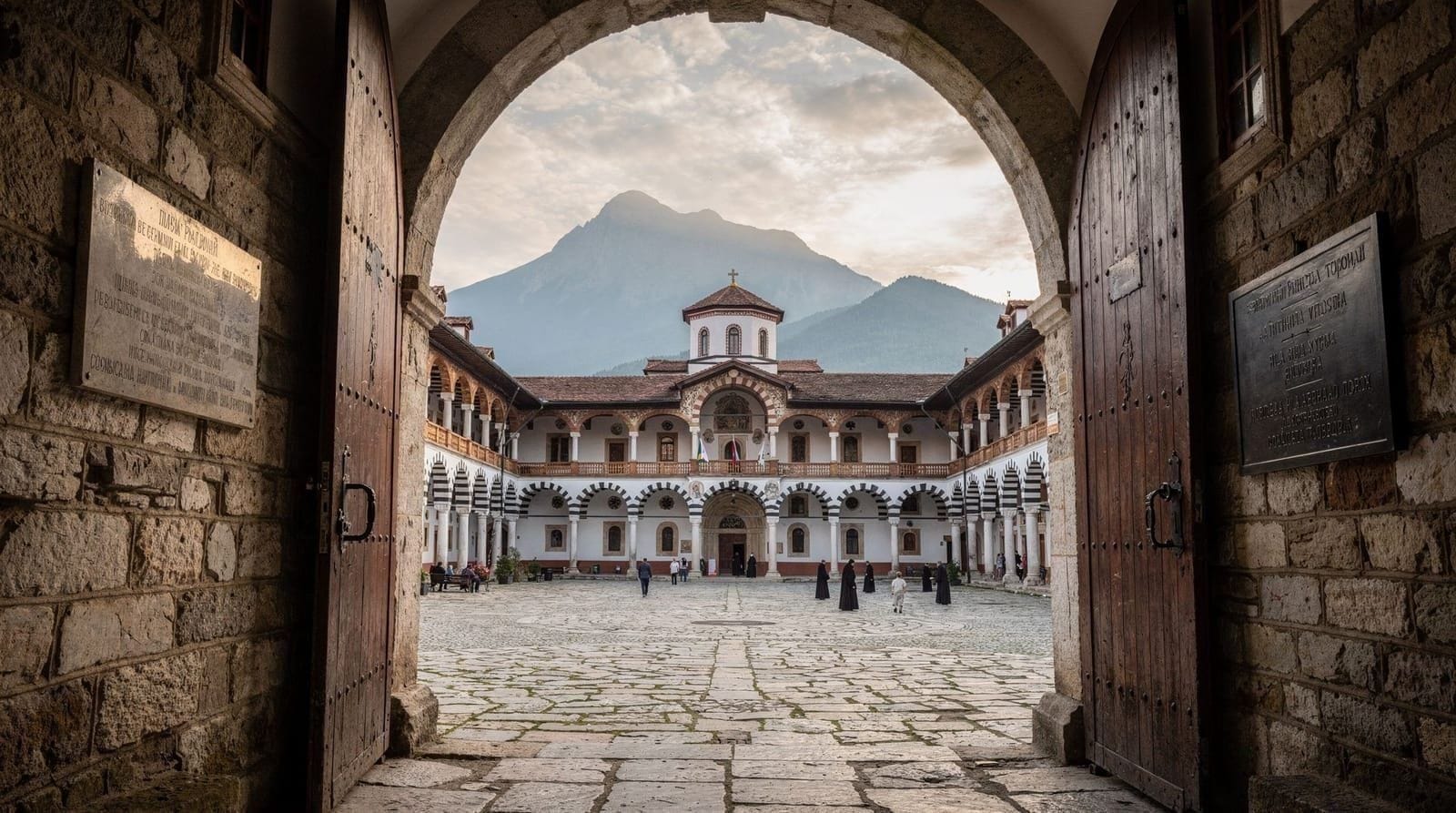
- Organised day tour: Departs Sofia around 8am, returns around 7pm. Includes transport both ways and a guide. Cost approximately €40–55 per person. Most efficient option for first-time visitors. See Rila Monastery day trip.
- Car: About 2 hours via the Struma motorway (A3) and then mountain roads. Parking at the monastery is free. Note: the last 15 km of road is narrow; drive carefully.
- Bus/taxi combination: Bus from Sofia to Blagoevgrad or Dupnitsa, then taxi to the monastery. Possible but takes 3+ hours each way and requires coordinating connections. Not recommended for a single day.
For full transport details, see Sofia to Rila transport.
Seven Rila Lakes / Panichishte (90 km south)
- Organised tour: Easiest option, combines transport and guide. See Seven Lakes day trip.
- Car: Drive to Sapareva Banya (90 km, about 1.5h), then follow signs to Panichishte. From there, the gondola (€10–12 return) or a hiking trail leads up to the lakes area. Allow 4–5 hours for the lake circuit once up top. See the Seven Rila Lakes hike guide.
- Bus + taxi: Bus from Sofia to Sapareva Banya (around 1.5h from Yug terminal), then taxi to Panichishte. Possible but slow; the bus service is infrequent.
Bansko (ski resort, 160 km south)
Bus from Sofia’s Yug (South) terminal, located near Serdika metro. Journey is approximately 2.5 hours. Several buses daily in ski season (November–March). In summer, Bansko is a hiking base. See skiing from Sofia.
Borovets (ski resort, 85 km south)
Bus from Yug terminal, approximately 1.5 hours. More frequent services than Bansko. Also accessible by car in about 1 hour via the Trakia motorway to Dolna Banya.
Koprivshtitsa (110 km east)
Train from Sofia Central Station is the most atmospheric option — the train passes through the Balkan Mountains. Journey: 2–2.5 hours, several trains daily. From Koprivshtitsa station, a taxi to the village costs €5–8 (the station is 7 km from the village centre). Alternatively, drive east on the Trakia motorway then head north — about 1.5 hours. See the Koprivshtitsa day trip guide.
Frequently asked questions about Getting around Sofia
Is the Sofia metro easy to use as a tourist?
Yes. There are three lines (M1, M2, M4) with maps in English at every station. Buy tickets at machines (card accepted) or ticket windows, validate at the platform gate, and the signs are bilingual. The key tourist interchange is Serdika, where M1 and M2 meet. M4 runs to the airport.How do I avoid taxi scams in Sofia?
Avoid unlicensed drivers near the airport, Alexander Nevsky, and Vitosha Blvd. Use the Bolt or Uber app, which shows price and driver details before you commit. If using a phone taxi, OK Radio Taxi (+359 2 973 21 21) and Green Taxi are reliable. Always verify the meter starts at around €0.50 base fare.Is Uber available in Sofia?
Yes. Both Uber and Bolt operate in Sofia. They're often slightly cheaper than metered taxis and eliminate the language barrier since payment is in-app. Bolt has more drivers and tends to have shorter wait times in the centre. Both show a price estimate before you confirm the booking.Do I need a car in Sofia?
Not for the city itself. The metro, trams, and walking handle the centre well. A car becomes useful for day trips — particularly Rila Monastery, the Seven Lakes, Koprivshtitsa, and Melnik — where public transport is inconvenient or non-existent. For first-time visitors, an organised day tour is often cheaper and less stressful than driving.How do I get from Sofia to the day-trip destinations?
Plovdiv: frequent buses from Serdika/Ovcha Kupel terminal, 1.5–2h, €8–12 return. Rila Monastery: organised tour or car (no viable direct public transport). Seven Lakes: organised tour or car to Panichishte then gondola. Bansko: bus from Yug terminal, 2.5h. Borovets: bus from Yug terminal, 1.5h.How much does public transport cost in Sofia?
A single metro, tram, or bus ride costs €0.80. A daily card is €4. A 10-ride card is €7. A weekly card is €14. Tickets are valid on the metro, trams, and city buses within their single-trip journey. The metro runs 5am to midnight approximately.What's the fastest way from Sofia city centre to Alexander Nevsky Cathedral?
Walking is fastest for most starting points — Serdika to Alexander Nevsky is about 1.5km, 15–20 minutes on flat, pedestrian-friendly streets. If you're further out, take the metro to Serdika or Sofia University station and walk the remaining short stretch; a taxi rarely saves meaningful time in the compact centre.Is it safe to use night transport in Sofia?
The metro stops around midnight, after which Bolt and Uber remain available and are the safest late-night option, though prices rise 20–30% at peak demand. The central pedestrian areas (Vitosha Blvd, around the Largo) stay busy and well-lit until 11pm or later in summer, but avoid unlicensed taxis touting for business at night near tourist landmarks.
Top experiences
Bookable activities with verified prices and instant confirmation on GetYourGuide.