Sofia in 2 days: the essential weekend itinerary
Sofia: 16 Pirotska Street Bulgarian Food and Drinks Tasting
Two days is enough time to understand why Sofia rewards a visit: a compact, walkable center where Roman ruins surface between coffee bars, a cathedral that feels genuinely monumental rather than merely large, and a mountain that begins where the city ends. This itinerary is built without a car, using Sofia’s metro and buses — total transport costs for the weekend run around €5-6.
Bulgaria joined the eurozone on 1 January 2026, so all prices here are in EUR.
| Where | Central Sofia, Boyana, and Vitosha Mountain foothills |
| Cost | Roughly €60–130/person for 2 days, excl. accommodation |
| Time needed | 2 days (add a 3rd for Rila Monastery) |
| Getting there | Metro, bus, and short taxi hops — no car needed |
| Best time | April–May or September–October |
Getting oriented in Sofia
Sofia’s central area is navigable on foot. The metro runs two intersecting lines; a single ticket costs €1.60 and is valid for 60 minutes with transfers. Taxis from the center to Boyana or Dragalevtsi cost €4-6 depending on traffic. The center is safe at all hours; the main things to avoid are unlicensed taxis at the airport (use the OK Supertrans or Yellow Taxi apps, or order in the arrivals hall).
For a wider picture of how to move around the city, the getting around Sofia guide covers metro lines, tram routes, and bus logistics in detail. If you’re arriving by air and wondering how to reach the center, see the Sofia airport to city guide.
Day 1: The city core
Morning: Serdica ruins, the Largo, and St Nedelya Square
Start at Serdica metro station (lines 1 and 2 intersect here). Before you emerge to street level, pause at the in-station Roman ruins. The remains of ancient Serdica — Sofia’s 2nd-to-4th-century Roman incarnation — are preserved inside the station: sections of street, walls, and bath complexes with interpretation panels in English. They are free to view and rarely crowded at 9am.
Come up to street level and you’re standing at the center of the Largo, Sofia’s Soviet-era monumental ensemble: three large Stalinist administrative buildings arranged in a horseshoe. This is the densest concentration of communist-era urban planning in Bulgaria, and it looks particularly dramatic early in the morning when the light hits the eastern facades. The communist Sofia tour guide gives background on what you’re looking at.
Walk south to St Nedelya Square (Ploshtad Sveta Nedelya). The Cathedral of St Nedelya on the east side of the square was the site of a 1925 assassination attempt targeting Tsar Boris III; the current structure dates from a post-explosion rebuild. The square itself is a good orientation point for everything that follows.
From here, the Sofia old town walk traces a logical route through the central monuments — allow 2-3 hours to follow it at a relaxed pace.
Mid-morning: Banya Bashi Mosque and the Mineral Baths
Two minutes north of St Nedelya, the Banya Bashi Mosque (1576) is the only working mosque in central Sofia. Non-Muslim visitors are welcome outside prayer times; remove shoes at the entrance. Next to it, the art nouveau Central Mineral Baths building (1913, now housing the Sofia History Museum) is one of the most photogenic structures in the city — the tiled exterior and dome are Sofia’s best example of Central European Secessionist architecture. Entry to the museum costs around €4.
Across the street, the covered Central Market Hall (Tsentralni Hali) is a good place to pick up a banitsa (cheese-filled filo pastry, ~€0.80) for breakfast if you haven’t eaten. The banitsa and street food guide covers the best quick options near the center.
Late morning: Alexander Nevsky Cathedral
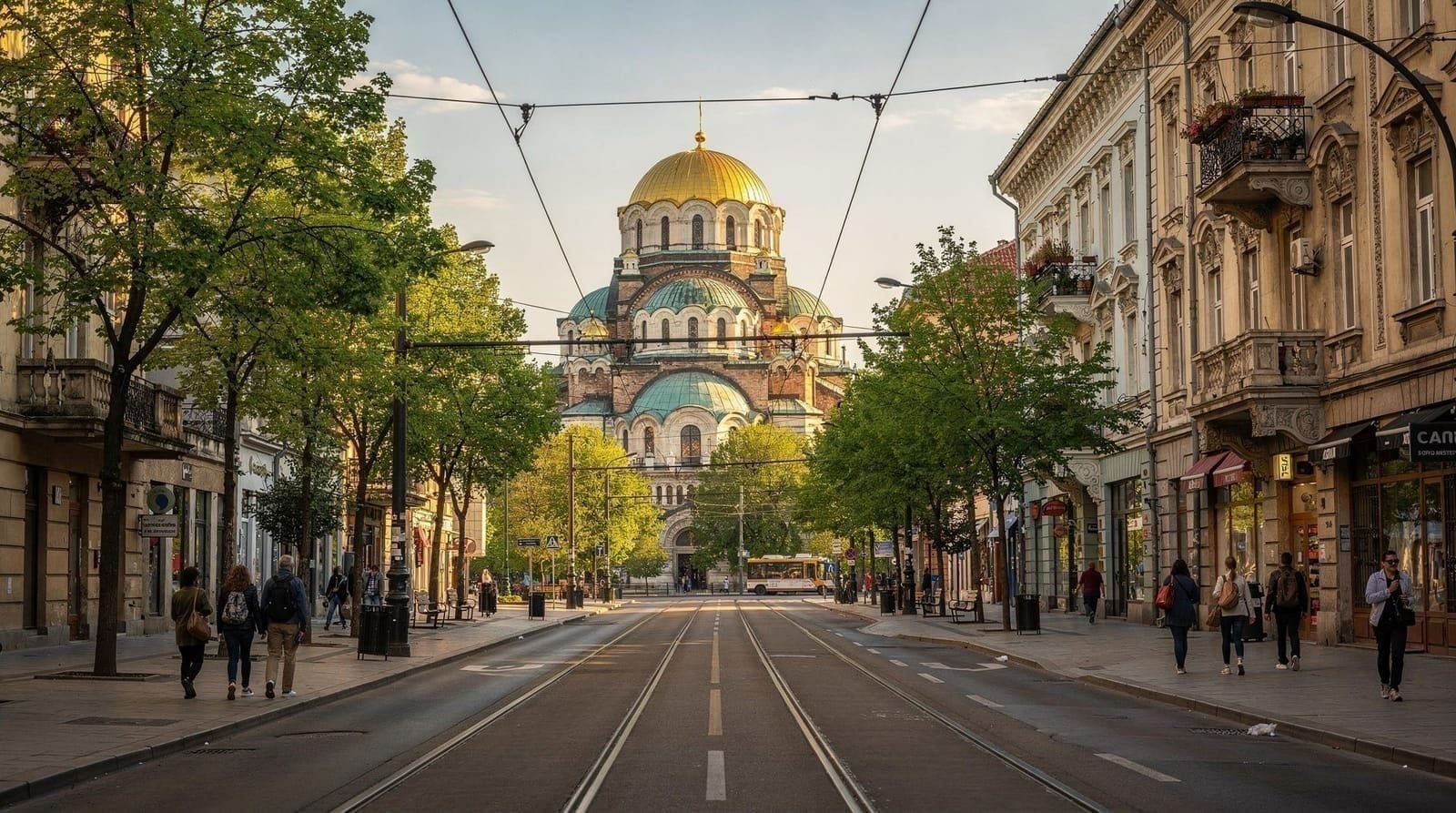
Walk east on Tsar Osvoboditel Boulevard for about 15 minutes to reach Alexander Nevsky Cathedral, built 1882-1912 to commemorate the Russian soldiers who died during the 1877-78 Russo-Turkish War that ended Ottoman rule in Bulgaria. The cathedral seats 5,000 people and the interior — gold mosaics, chandeliers, dark wood stalls — is genuinely impressive. Entry to the nave is free; the crypt museum (Bulgarian Orthodox icons from the medieval period) charges around €4 and is worth the time.
The Alexander Nevsky Cathedral guide covers the artwork in detail. Just behind the cathedral, the small St Sophia Church (6th century) is one of the oldest surviving churches in the Balkans and gives the city its name.
Afternoon: Vitosha Boulevard, lunch, and the National Palace of Culture
For lunch, the area around Vitosha Boulevard (Ulitsa Vitosha) has a range of options at all price points. A sit-down meal in a Bulgarian restaurant here runs €8-14 for a main course and drink; a sandwich or street food from a nearby kiosk costs €2-4. The boulevard runs south from the Eagles’ Bridge (Orlov Most) area toward the National Palace of Culture (NDK), a brutalist Soviet-era congress hall whose plaza is a useful landmark and gathering space.
Spend the afternoon exploring the neighborhood around the NDK — the Yuzhen Park behind it has cafes and benches, and the boulevard itself is pedestrianized with shops and the full range of Sofia’s coffee bar culture. For background on the cafe scene, see Sofia coffee culture.
Evening: food and drink in the center
For dinner, the area around Raketa Rakia Bar (Ul. Budapeshta), the blocks south of Benkovski Street, and the streets around the Women’s Market (Zhenski Pazar) offer concentrated choices. Bulgarian cuisine staples worth trying on a first visit: shopska salata (tomatoes, cucumbers, peppers, white cheese), kavarma (clay pot meat stew), and mish-mash (egg and pepper scramble). For a fuller picture of what to eat, see the Sofia food guide and the Bulgarian dishes to try.
A guided food walk is a good way to cover both eating and neighborhood exploration in one go:
Sofia food and culture walking tourThe Sofia nightlife guide covers bars and late-night options if you want to extend the evening. The area around Stara Planina Street and the parallel streets northwest of NDK has the highest concentration of bars.
Day 2: Boyana Church and Vitosha Mountain
Day 2 leaves the center and goes into the foothills southwest of the city — first a UNESCO site, then a mountain walk.
Morning: Boyana Church (UNESCO)
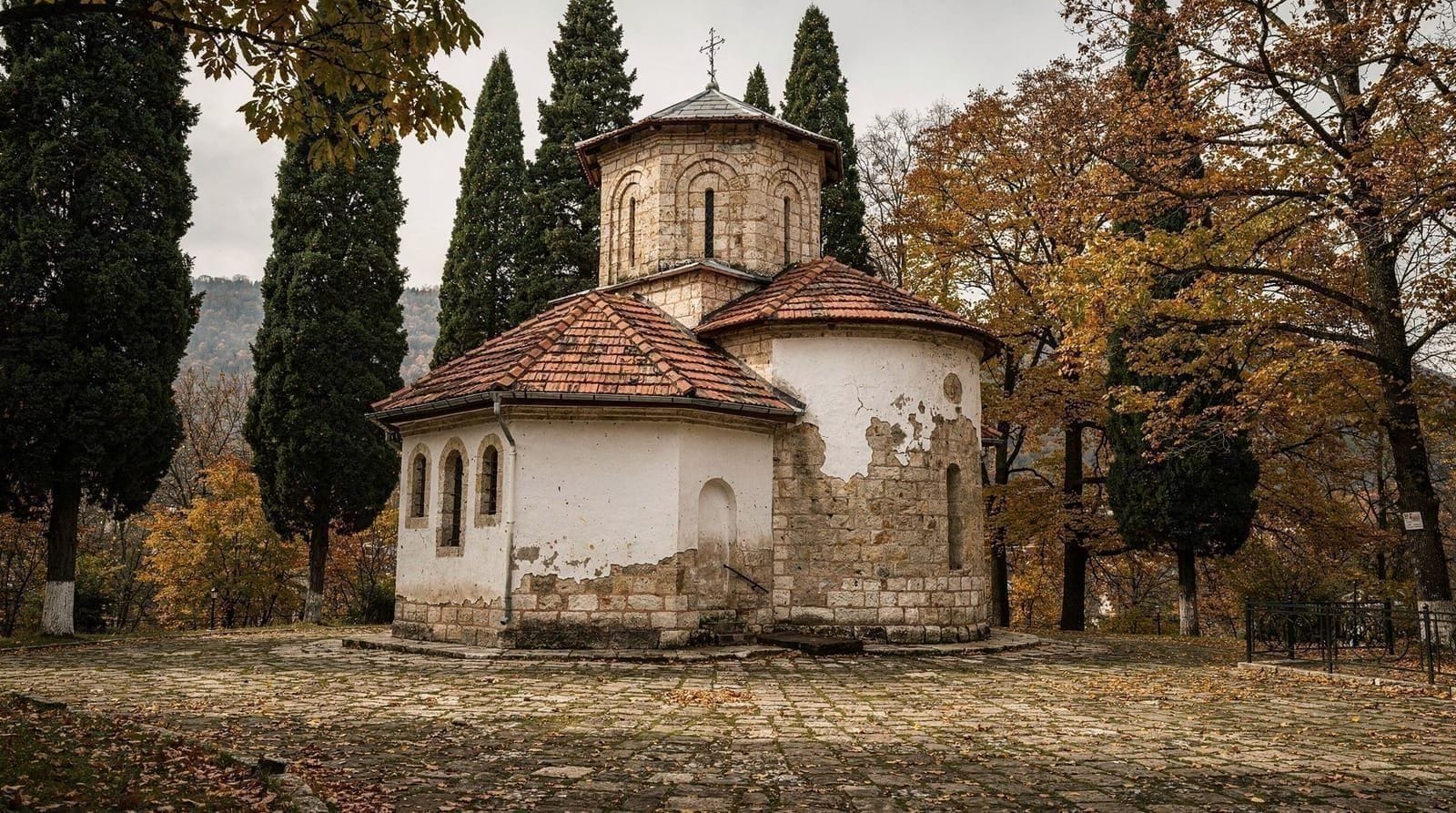
Boyana Church is 7 km southwest of central Sofia, in the residential suburb of Boyana. It is a UNESCO World Heritage Site, listed for its 13th-century frescoes, which are considered among the finest examples of medieval painting in the Balkans and an early precursor to the humanist style later associated with the Italian Renaissance.
Getting there: Bus 64 from Hladilnika metro station to the Boyana Church stop (journey around 25 min, €1.60). Alternatively, a taxi from the center costs €4-6.
Visiting practicalities: Entry costs approximately €10, which includes a timed slot — the church itself is very small (capacity around 10 visitors at a time) and visits are kept to a few minutes per group to protect the frescoes. Book tickets in advance online during peak season (May-September). The church exterior is medieval stonework; the frescoes inside date from 1259 and depict recognizably individual human figures at a time when Byzantine convention still required flat, symbolic representations. The detail is genuinely striking once you know what you’re looking at. The Boyana destination page gives fuller context.
Next to the church, the National History Museum is housed in a former Communist Party residence — Bulgaria’s largest history museum, covering Thracian antiquities through the Ottoman period to independence. Entry is around €6. If you have a strong interest in Bulgarian history, this is worth 2 hours; if you’re prioritizing the mountain, you can skip it.
Vitosha, Boyana and Dragalevtsi Monastery tourA combined tour covering Boyana Church and the Vitosha foothills is practical if you don’t want to navigate buses:
Full-day Sofia city tour with BoyanaAfternoon: Vitosha Mountain — Zlatni Mostove
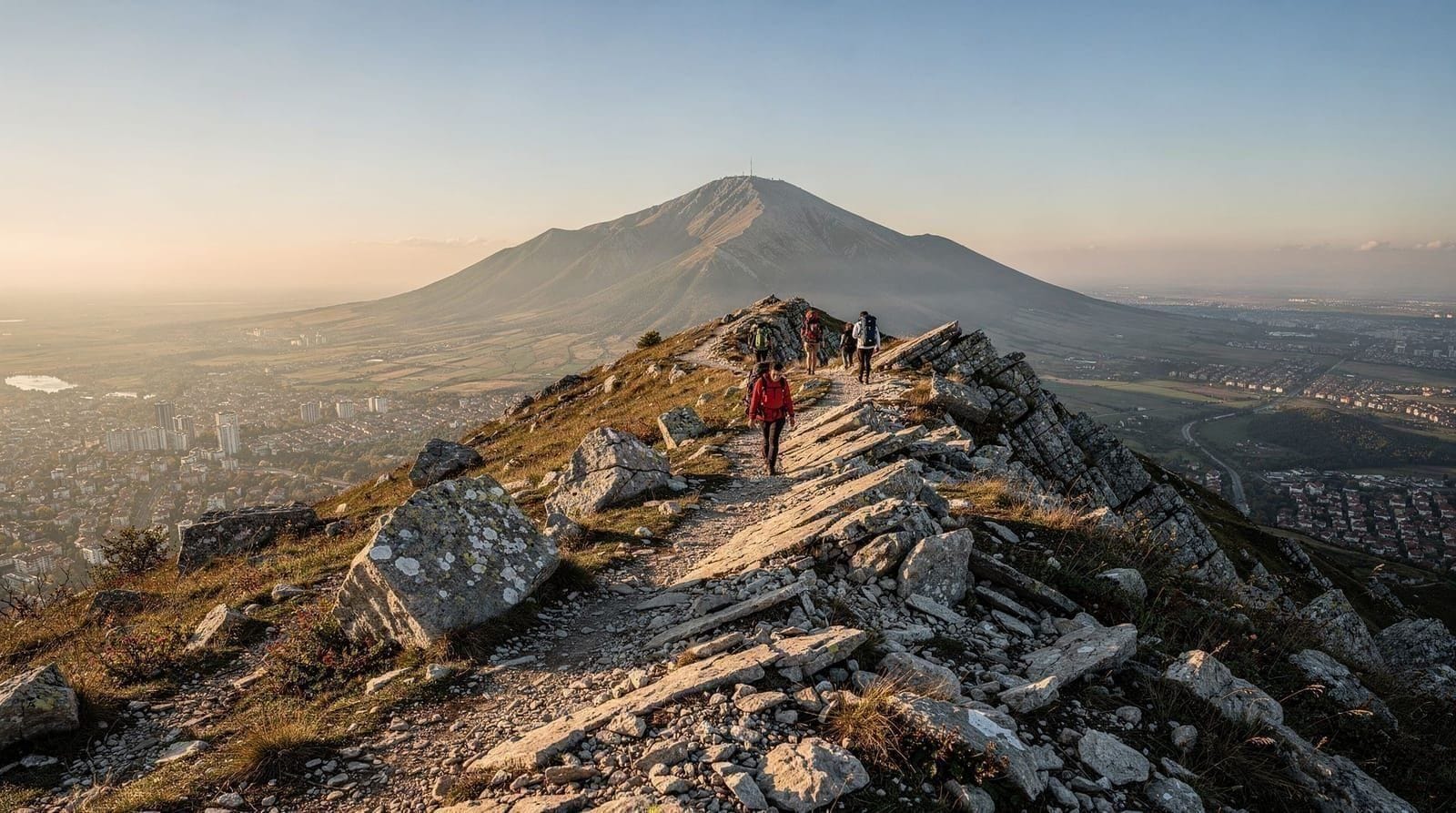
Vitosha Mountain rises directly behind Sofia to a high point of 2,290 m (Cherni Vruh). For a half-day visit on foot, the best option without a car is the Zlatni Mostove (Golden Bridges) area — a high-altitude boulder stream (a “stone river” formed by periglacial processes) at around 1,600-1,700 m elevation.
Getting there: Bus 66 from Hladilnika metro station to the Zlatni Mostove terminus. Journey around 45 minutes, €1.60. The bus runs roughly hourly; check the schedule in advance or use Google Maps real-time. The last bus back to the city departs in the late afternoon — confirm the time at the stop before you start walking.
At Zlatni Mostove you can walk along the boulder field, which extends several hundred meters and is one of the more unusual natural features in the Sofia region. There are trails heading upward toward Cherni Vruh (Vitosha’s summit, about 3 hours return from here) or lateral paths through pine forest. For a half-day visit, the boulder field area and a short walk into the forest is sufficient — 1.5-2 hours of walking without rushing.
The Vitosha hiking guide covers the main trail options, elevation profiles, and practical details for longer hikes. The full Vitosha destination page at Vitosha Mountain includes seasonal information and current conditions.
There is a basic cafe at the Zlatni Mostove area open in summer; bring water and snacks regardless.
Returning to Sofia: Bus 66 back to Hladilnika, then metro into the center. You’ll be back in the city center by late afternoon, with time for dinner before a late flight or early departure the next morning.
The weekend at a glance
| Morning | Afternoon | Evening | |
|---|---|---|---|
| Day 1 | Serdica ruins, the Largo, St Nedelya | Alexander Nevsky, Vitosha Boulevard, NDK | Dinner and drinks in the centre |
| Day 2 | Boyana Church (UNESCO frescoes) | Vitosha Mountain — Zlatni Mostove | Return to centre, final dinner |
If it rains, or you only have one good weather window
Two central-Sofia days rarely need a full backup plan, but it helps to know your options before deciding to push through a downpour.
Sofia’s museums give you a solid fallback if the weather turns, and it’s worth knowing which ones before you need them rather than searching on the day. The National History Museum next to Boyana Church, the Sofia History Museum inside the Central Mineral Baths building, and the National Archaeology Museum near the Largo are all indoor, central or near-central, and substantial enough to fill an hour or two each. If Day 2’s weather looks genuinely bad, the sensible swap is to move Vitosha to Day 1 afternoon instead of Boyana — a mountain walk in light rain is unpleasant but survivable, while a rushed, rain-soaked visit to Boyana’s frescoes (already limited to a timed few minutes per group) wastes one of the best things in the city. The Sofia museums guide and Sofia churches guide both cover indoor alternatives if an entire day needs replanning.
Where to eat without overthinking it
You don’t need a reservation strategy for two days in Sofia — the density of good, inexpensive options in the centre means walking into whatever looks busy with locals is a reasonable default. That said, a few areas are worth knowing by name rather than stumbling into: Graf Ignatiev Street, parallel to Vitosha Boulevard, has more handwritten-menu, locally-run mehanas than the boulevard itself, which leans slightly more tourist-facing.
The streets immediately south of the Women’s Market (Zhenski Pazar) are the cheapest and most local, good for a fast lunch between sights rather than a sit-down dinner. For breakfast on the move, a banitsa from any bakery near Serdica or the Central Market Hall beats a sit-down café if you’re trying to be on-site at Alexander Nevsky by mid-morning. The Sofia food guide and Sofia coffee culture guide go further into both the meals and the coffee-bar scene that fills the gaps between sights.
Practical information for 2 days in Sofia
Where to stay: The center is the right base — specifically the area between Alexander Nevsky and the NDK. Budget options (hostels, guesthouses) run €20-35/night per person. Mid-range hotels in the center run €60-100/night for a double. There is no meaningful advantage to staying further out.
What this itinerary costs: Metro/bus transport for both days: ~€6. Boyana Church entry: €10. Alexander Nevsky crypt: €4. Central Mineral Baths Museum: €4. Meals (budget, cooking some): €20-30/day. Total for 2 days excluding accommodation: approximately €60-80 per person for a budget approach, or €100-130 mid-range with sit-down meals.
When to visit: Sofia works year-round. Summer (June-August) means heat in the city (30-35°C) but good conditions on Vitosha. April-May and September-October offer cooler temperatures and smaller crowds. For a more detailed breakdown, see best time to visit Sofia.
What to pack for 2 days: Comfortable walking shoes. For Vitosha, add a light layer — even in summer, the mountain is 8-10°C cooler than the city. Water bottle.
Is 2 days enough? Two days covers the core sights but leaves out a lot. If you can extend to three days, you gain a full-day excursion to Rila Monastery. See the 3-day Sofia itinerary for how that works. If you’re trying to decide how much time to allocate overall, the how many days in Sofia guide walks through the options.
For an overview of the city before you arrive, the Sofia travel guide covers the full picture.
Frequently asked questions about the 2-day Sofia itinerary
Is 2 days enough to see Sofia?
Two days covers the main city sights — Alexander Nevsky, the Serdica ruins, Vitosha Boulevard, and Boyana Church — with time for a Vitosha Mountain walk. You won’t see everything (Rila Monastery, Plovdiv, and the Seven Rila Lakes all require additional days), but you’ll leave with a solid understanding of what Sofia is. If you have a third day available, adding Rila Monastery transforms the trip.
Do I need a car for this itinerary?
No. Both days work entirely on public transport: metro lines 1 and 2 for the city center, bus 64 to Boyana, bus 66 to Vitosha’s Zlatni Mostove. Taxis are inexpensive (€4-6 for most cross-city journeys) if you prefer not to navigate buses.
How much does a weekend in Sofia cost?
On a budget approach (hostel, street food, public transport), expect to spend €50-70 per person per day including accommodation. On a mid-range budget (hotel, restaurant meals), €100-130/day is realistic. Sofia is substantially cheaper than Western European cities of comparable size.
Is Boyana Church worth visiting?
Yes, if you have any interest in medieval art. The 13th-century frescoes are exceptional — the depiction of St Nicholas in the narthex, in particular, shows an individualism that was unusual for the period. The visit is brief (timed 10-minute slots) but the church’s small scale means the frescoes are extremely close and detailed. Book tickets in advance in summer.
Can I hike on Vitosha without hiking experience?
The Zlatni Mostove area is accessible for any walker. The trail from the bus terminus to the boulder field is well-marked and takes about 20 minutes. Extending to the Cherni Vruh summit is a moderate mountain hike (3 hours from Zlatni Mostove) that requires appropriate footwear and weather awareness but no technical experience.
What currency does Bulgaria use?
Bulgaria joined the eurozone on 1 January 2026 and now uses the euro (EUR). There is no need to exchange currency or find ATMs for Bulgarian lev.
Are guided tours worth it for a first visit?
A guided walking tour on Day 1 is a reasonable choice if you want context without having to read extensively in advance. The main city walking tour covers Alexander Nevsky, the Roman ruins, and the main squares with an English-speaking guide for around €15-20:
Sofia must-see attractions walking tourFor the communist monuments and the Stalinist Largo, the specific thematic tour adds context you won’t easily find on your own:
Sofia walking tourTop experiences
Bookable activities with verified prices and instant confirmation on GetYourGuide.