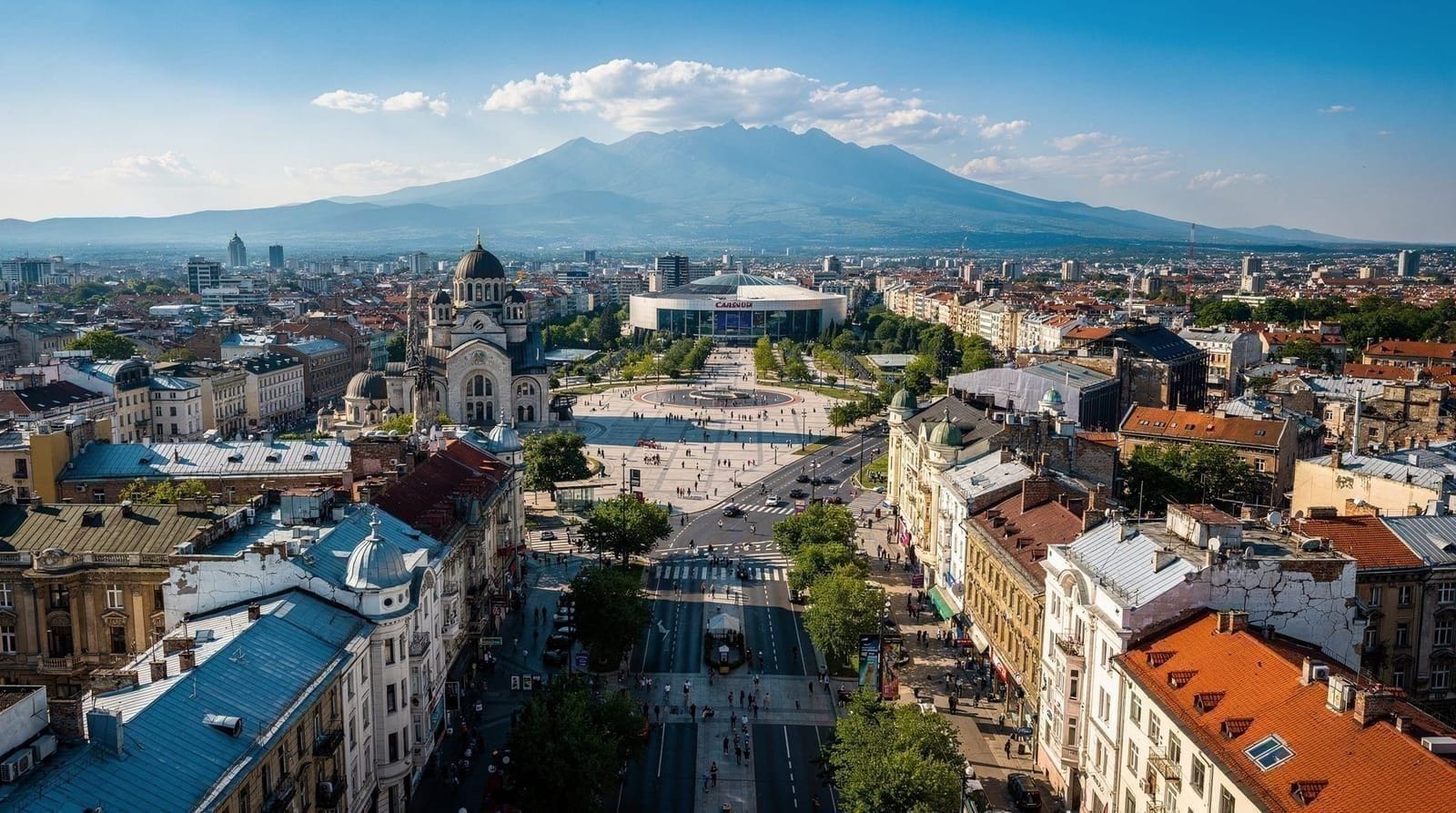
Sofia on a budget: how to see the city for €35–50 a day in 2026
Sofia: Night Walking Tour with Guide
How much does a budget day in Sofia cost in 2026?
A realistic budget is €35–50 per day all-in: hostel dorm €18–22, metro day card €4, one paid sight €3–10, a mehana lunch €8, coffee €2–3, dinner from a supermarket or street food €5–8. Free sights and a donated walking tour keep the rest of the day nearly free.
Sofia adopted the euro on 1 January 2026, which pushed prices up notably — but the city is still one of the most affordable capitals in the EU. A budget traveller who makes sensible choices can see the main sights, eat well, and move around comfortably for €35–50 a day. This guide covers where that money goes, what’s actually free, and the specific traps that catch out visitors who arrive without a plan.
| Daily budget | around €35–50 all-in |
| Cheapest bed | hostel dorm, around €18–22 |
| Transport | metro single €0.80, daily card €4 |
| Best free activity | free walking tour (tip €5–10) |
| Biggest scam | unlicensed airport taxis |
What changed with euro adoption
Bulgaria joined the eurozone at the start of 2026, replacing the lev at a fixed rate. In practice, prices on most goods and services rose by 10–20% in the months around conversion — a combination of rounding up and the psychological effect of a weaker-looking unit. Hostels that cost €15–18 in lev-equivalent now start at €18–22. Restaurant meals that felt like bargains crept up.
The good news is that Sofia is still significantly cheaper than Lisbon, Bratislava, or Kraków at similar quality levels. The budget calculation has changed; it hasn’t disappeared. For reference, the sofia travel guide has current price benchmarks.
Budget accommodation
Hostels (€18–34/dorm night)
The best-known budget option is Hostel Mostel — central, popular with backpackers, and consistently reliable. Dorms start around €18–22. It has a social common room, lockers, and is within walking distance of Serdica metro. Book ahead for summer weekends.
Hostel Art’Otel is slightly more boutique in feel, with a mix of dorms and private rooms. Dorms from €20. Good location near the centre.
Art Hostel Sofia leans more artsy and relaxed — a converted building with murals, a bar, and a mix of traveller types. Dorms from €22. Popular with longer-stay visitors.
What to avoid: Some “hostels” near Vitosha Blvd advertise low base prices but charge separately for lockers, linen, and towels. Read reviews carefully and check what’s included. A genuine budget hostel should include locker access and bedding without extra fees.
Budget hotels (€45–70/double): Several 2-star and guesthouse options cluster in the Oborishte and Lozenets neighbourhoods, a 15–20 minute walk from the centre. These offer private rooms at prices that compete with mid-tier hostels in other European capitals.
Apartments and longer stays: For trips of 4+ nights, a short-let apartment near Vitosha Blvd or Sofia University can undercut a mid-range hotel once you factor in cooking a couple of meals yourself. Look for listings within walking distance of a metro stop (Serdika, Sofia University, or NDK) to avoid taxi costs — the getting around Sofia guide covers which neighbourhoods are best connected.
Food on a budget
Street food and bakeries
Banitsa is the essential Sofia street food: a flaky pastry filled with sirene (white cheese), usually eaten for breakfast with ayran (yoghurt drink) on the side. From a bakery or street kiosk, one piece costs €1–2. You’ll find banitsa stands near most metro stations from 7am onwards.
Kebapcheta — small grilled minced meat rolls eaten in flatbread — cost €2–3 from a stand. Look for stands near the Zhenski Pazar market or around the bus terminals. Quality varies; busy stands with high turnover are the safest bet.
Sit-down meals
Mehanas (Bulgarian taverns) are the best value for a proper sit-down meal. Expect soups from €2–3, main dishes (grilled meat, kavarma stew, moussaka) from €5–8, and a beer for €1.50–2.50. A full three-course meal with drinks runs €10–15 per person in a neighbourhood mehana, and closer to €15–20 in tourist-facing places on Vitosha Blvd.
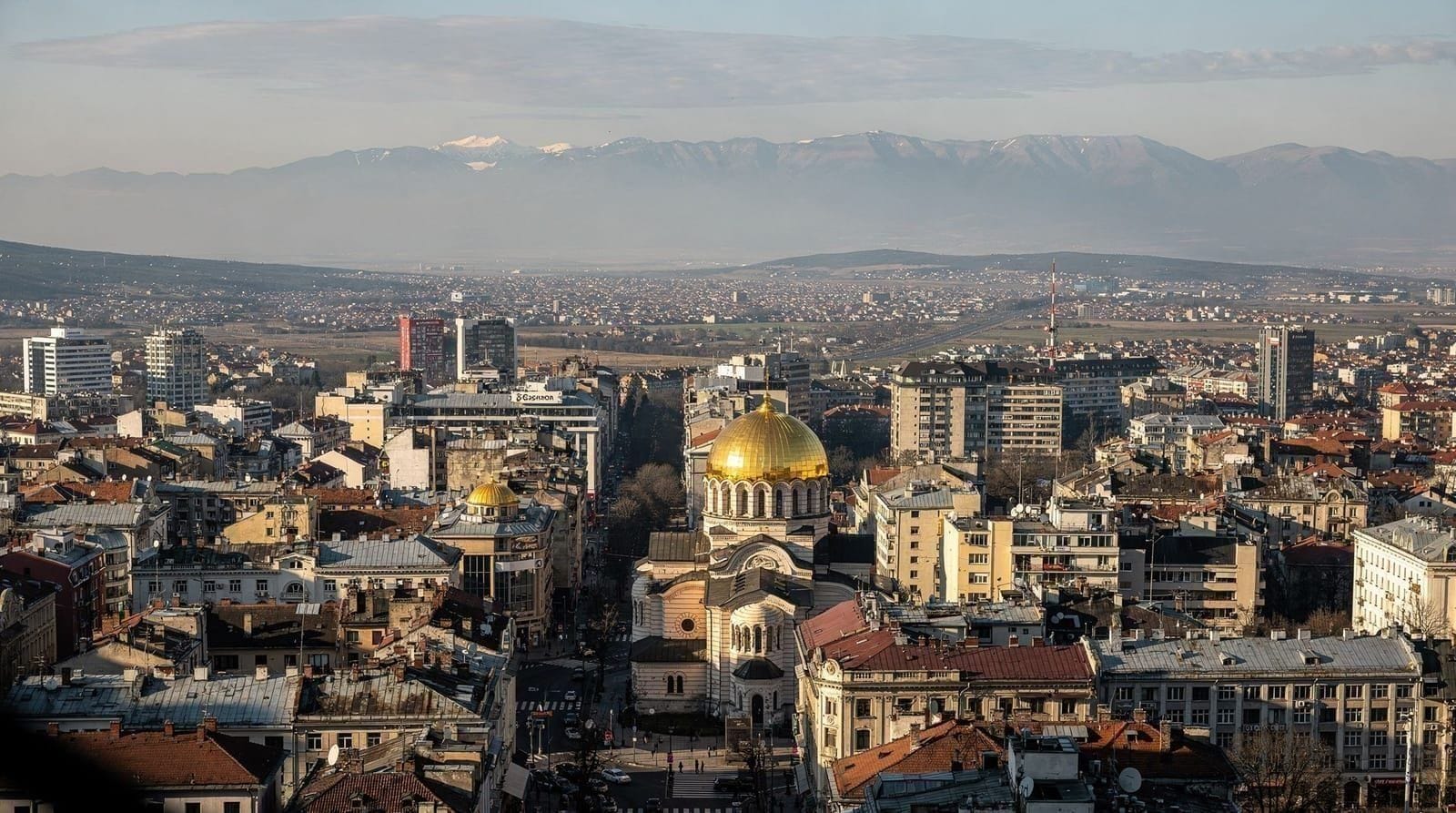
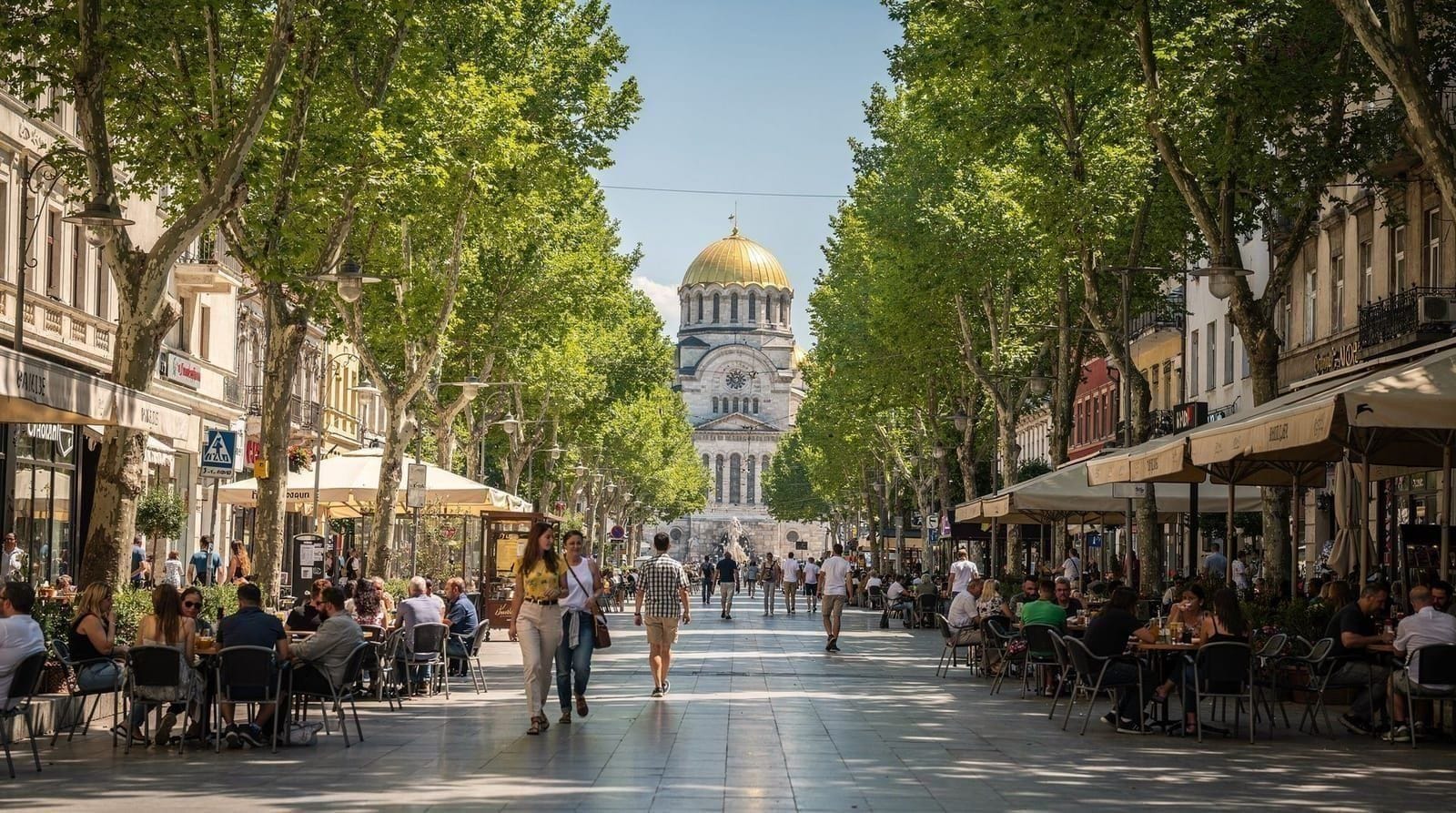
The simple rule: eat one block off the main tourist streets. Prices drop immediately once you step away from Vitosha Blvd and the Alexander Nevsky Cathedral area.
Markets and self-catering
Zhenski Pazar (the women’s market) is Sofia’s largest street market, a short walk from the Serdika metro. It sells fresh produce, dry goods, cheese, bread, and olives at prices well below supermarkets. It’s also a good place to observe everyday Sofia life outside the tourist bubble.
Lidl and Kaufland both have branches within or near the city centre. A self-catered lunch from either — bread, cheese, fruit, water — costs €3–5. Good for hostel breakfasts and packed lunches on day trips.
GetYourGuideSofia: 16 Pirotska Street Bulgarian Food and Drinks TastingCheck availability →What to avoid
Restaurants on Vitosha Blvd itself mark up 30–50% on comparable food one street away. Hotel restaurants charge EU city rates. Any café with an English-only menu and photos of every dish is likely targeting tourists at tourist prices.
Free sights and activities
Sofia punches well above its weight on genuinely free attractions:
Free walking tour: Daily at 11am and 6pm from the National Theatre on Tsar Osvoboditel Blvd. A 2-hour guided walk through the historic centre covering Roman ruins, Alexander Nevsky Cathedral, the Ottoman Mosque, and the Socialist-era Largo. Guides work for tips — €5–10 per person is the norm. This is the single best free activity in Sofia and gives you orientation that saves money on transport and wrong turns.
Alexander Nevsky Cathedral nave: The main body of the cathedral is free to enter. The soaring interior — mosaics, bronze chandeliers, carved iconostasis — is genuinely impressive. The icon crypt (separate entrance on the south side) costs €3 and holds Bulgaria’s finest medieval icons; worth paying for.
Rotunda of St George: The oldest building in Sofia, a 4th-century Roman rotunda tucked into the courtyard behind the Sheraton Hotel near the Largo. Free entry, open most mornings. Ten minutes well spent.
Banya Bashi Mosque: The only functioning mosque in Sofia, built in 1576. Non-Muslims may enter outside prayer times (roughly 11am–1pm and 3–5pm on weekdays is usually accessible). Free. Remove shoes at the entrance.
NDK park and Battenberg Square: The park around the National Palace of Culture is a pleasant free evening walk, especially in summer when it fills with locals. Battenberg Square and the City Garden (behind the Presidency) are also free, good for a midday sit-down.
The yellow paving stones route: Tsar Osvoboditel Blvd — nicknamed for its distinctive paving — connects Alexander Nevsky to the Largo and the National Theatre. Walking it is free and covers a remarkable density of historic buildings.
Vitosha Mountain trails: All of the hiking trails on Vitosha Mountain are free to access. The Zlatni Mostove stone river is the most popular destination (about 1,700m altitude, 2–3 hours return from the Dragalevtsi trailhead). Bus 64 or 93 from the centre costs €0.80. See the Vitosha hiking guide for route details.
Free museum days: The Sofia City Art Gallery is free on Tuesdays — check the Sofia museums guide for which collections rotate free-entry days and which never do. Even paid museums here are cheap by Western European standards, so a museum afternoon rarely breaks a tight budget on its own.
Paid sights: worth it vs skip
Worth paying for:
- Boyana Church (€10): A UNESCO World Heritage Site 4 km south of the centre. The 13th-century frescoes inside are among the best-preserved in the Balkans and genuinely extraordinary — individual portraits with expressions far ahead of their time. Timed entry is limited; book a few days ahead. Worth it on any trip.
- Alexander Nevsky icon crypt (€3): Bulgaria’s finest collection of medieval icons, in a separate basement beneath the cathedral. Undervisited, well-lit, with good English labels. Worth the €3 without question.
- Sofia Synagogue (€4): One of the largest synagogues in Europe, with a remarkable interior (2,000 kg chandelier, Moorish Revival architecture) and a small but sobering museum on Bulgarian Jewish history during WWII. Worth it for the story alone.
Worth it on longer visits:
- National History Museum (€5): A comprehensive museum covering Bulgarian history from the Thracians to the communist period. The collection is genuinely excellent, but the location — 30 minutes by bus 111 from Vitosha Blvd — makes it a half-day commitment. Worth it if you have 3+ days.
Can reasonably skip:
- National Art Gallery (€5): A good but not exceptional collection of Bulgarian painting. Fine if you have time; on a tight schedule, allocate the €5 and the 90 minutes elsewhere.
Transport on a budget
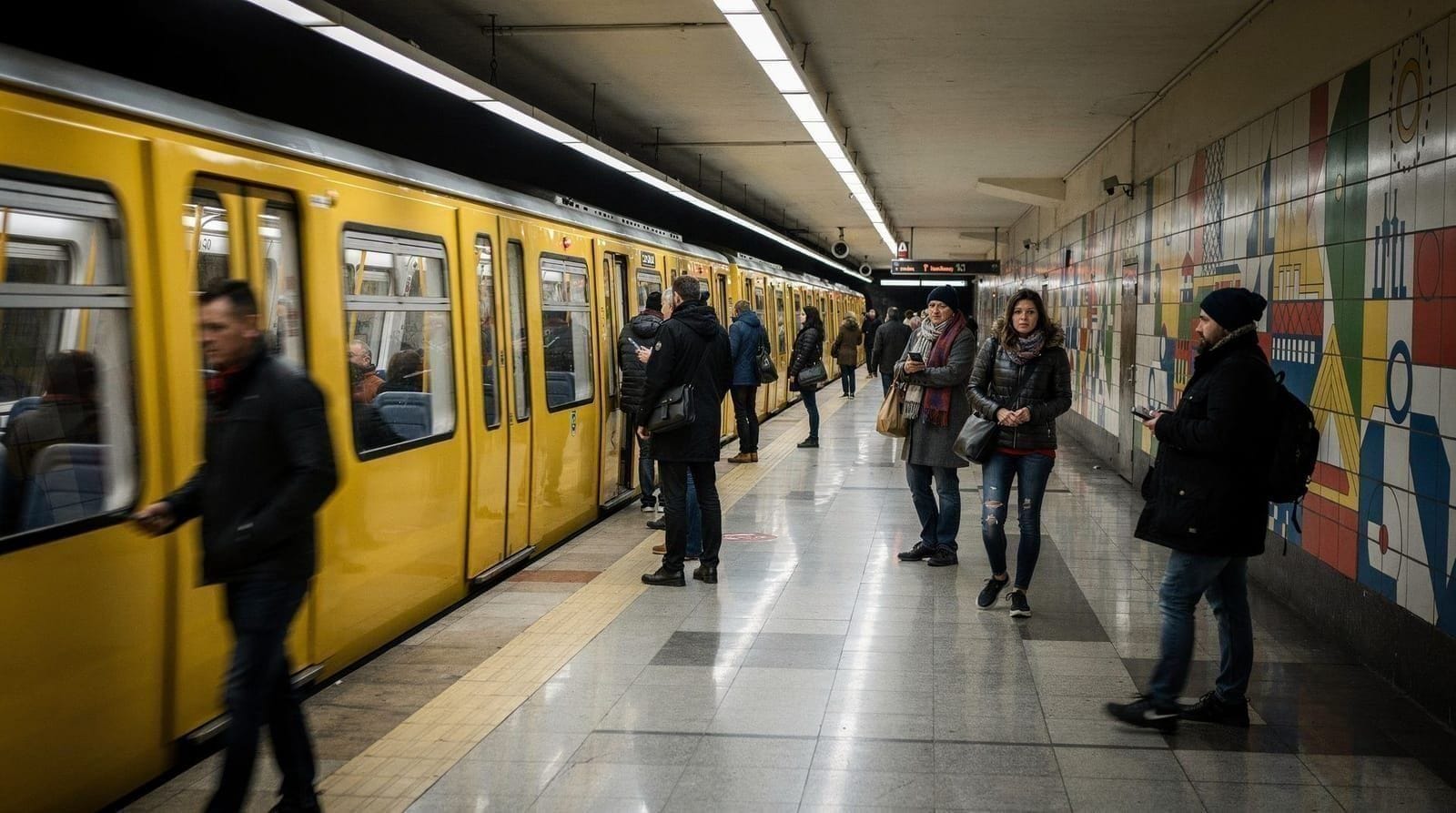
The metro is the backbone of budget transport in Sofia. A single ride costs €0.80; a daily card is €4; a 10-ride card is €7 (best value for a 2–3 day visit). The metro runs 5am to midnight approximately. Validate your ticket at the gate before boarding — inspectors do check.
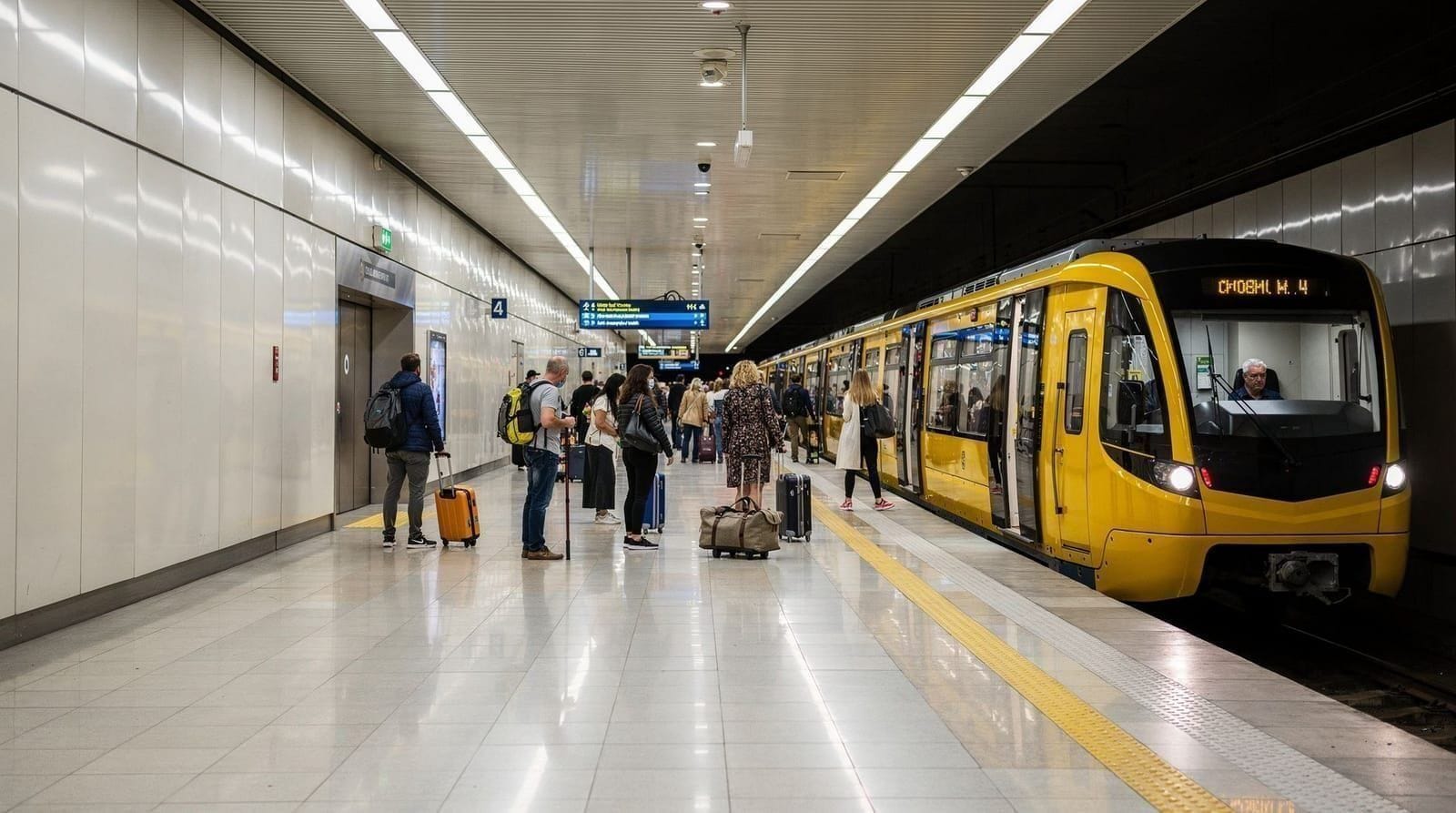
Key tourist metro stations: Serdika (central interchange, M1/M2), NDK (south end of Vitosha Blvd), Sofia University (for the National Gallery area), Sofia Airport (M4 yellow line).
Trams on routes 1, 6, 7, and 9 cover areas between metro stations, including parts of Vitosha Blvd and Lion Bridge. Same €0.80 fare.
Nextbike cycling: station-based bike sharing across the centre, €1 per 30 minutes, app-based. Good for flat city riding; the centre is easy terrain.
For day trips: Plovdiv by bus from Serdika/Ovcha Kupel terminal costs €8–12 return — the best-value day trip from Sofia. Rila Monastery is cheapest via organised tour (€40–55 all-in with transport and guide) rather than trying to piece together buses and taxis, which is possible but awkward. See day trips from Sofia for detailed transport options on each route.
GetYourGuideSofia: Bike TourCheck availability → GetYourGuideFrom Sofia: Serbia and Macedonia TourCheck availability →Budget itineraries by trip length
2 days, tight budget (~€80 total): Free walking tour day one, Serdica ruins and the Largo, Alexander Nevsky nave, Vitosha Blvd evening. Day two: Vitosha Mountain hiking trails (free beyond the €0.80 bus) plus the Rotunda and Banya Bashi Mosque. See sofia in 2 days for the fuller structure.
3 days, one splurge (~€150–180 total): Add Boyana Church (€10) and one organised day trip — Plovdiv by bus is the cheapest option. The sofia in 3 days itinerary lays out a realistic pace without wasting transport time.
Longer stays: Beyond 3–4 days, the marginal cost per day drops fast once you’ve bought a metro pass and settled into cooking some meals — budget travellers report daily averages closer to €30–35 by day five. The how many days in Sofia guide and sofia itinerary planning help decide where the extra days are best spent.
Sofia small-group walking tour of the historic centreMoney traps to avoid
Airport taxis — the biggest scam in Sofia: Unlicensed drivers cluster outside arrivals and charge €40–60 for a trip that should cost €10–15 by licensed meter or €0.80 by metro. Use the M4 metro line (Serdika in 30 min) or book a transfer in advance. If you must take a taxi, use the official taxi rank outside the terminal (white OK Radio Taxi or Green Taxi vehicles) and verify the meter starts at €0.50. See Sofia airport to city for the full breakdown.
SIM card overpricing at the airport: Airport kiosks charge a premium for tourist SIM cards. A Bulgarian prepaid SIM from a Vivacom or A1 shop in the city centre costs noticeably less for the same data allowance, and staff usually set it up for you on the spot.
Currency exchange traps: There is no lev anymore — Bulgaria uses euros since January 2026 — so currency exchange is only relevant if you’re arriving with non-euro cash. Airport exchange desks and kiosks near Alexander Nevsky Cathedral offer consistently poor rates. Use ATMs from major banks (Raiffeisen, Unicredit, DSK) or bank branches for the best rates.
Bar bill inflation: Some bars and clubs in the Vitosha Blvd area add “service charges,” “table fees,” or vague extra line items that weren’t on the menu. Ask for an itemised receipt before paying and query any line you don’t recognise. This is not universal, but it’s common enough to be worth the habit.
Unofficial “tour guides” near landmarks: You may be approached near Alexander Nevsky or the Largo by people offering personal tours for €30–50. These are not connected to the free walking tour and rarely offer better value. The free walking tour (National Theatre, 11am and 6pm) is free and excellent.
Tourist restaurants: Anything with photos of food on the menu and a host standing outside calling you in near Alexander Nevsky or Vitosha Blvd is priced for tourists. Walk one street away and prices drop significantly.
Sample budget day in Sofia
| Item | Cost |
|---|---|
| Hostel dorm (per night) | €20 |
| Banitsa from bakery (breakfast) | €1.50 |
| Metro daily card | €4 |
| Free walking tour (tip) | €7 |
| Alexander Nevsky crypt (paid sight) | €3 |
| Mehana lunch (main + beer) | €8 |
| Coffee on Vitosha Blvd | €2.50 |
| Supermarket dinner | €6 |
| Total | €52 |
Cut the paid sight and cook two meals and you’re under €40. Add Boyana Church (€10) and two restaurant meals and you’re at €65–70. The budget is flexible; the structure is consistent.
Frequently asked questions about Sofia on a budget
Is Sofia still budget-friendly after joining the eurozone in 2026?
Yes, though prices rose noticeably with euro adoption. Sofia remains one of the cheaper EU capitals. A hostel dorm costs €18–34, a full mehana meal €6–10, a metro ride €0.80, and a coffee €2–3. It's significantly cheaper than Lisbon, Prague, or Kraków at equivalent standards.What's the cheapest way from Sofia Airport to the city centre?
The M4 metro line runs directly from the airport to Serdika interchange in about 30 minutes for €0.80. It's by far the cheapest option. Avoid unlicensed taxis at arrivals — they charge €40–60 for a trip that should cost €10–15 by licensed meter taxi or pre-booked transfer.Are there free museums in Sofia?
Not many free ones, but several major attractions cost nothing. Alexander Nevsky Cathedral nave is free (icon crypt €3). The Rotunda of St George is free. Banya Bashi Mosque is free outside prayer times. The Roman Largo ruins visible through glass at Serdica metro are free. The free walking tour (donations suggested) is the best orientation for the centre.How much should I budget per day in Sofia?
Budget travellers who stay in hostels, eat street food and supermarket meals, use the metro, and stick mostly to free sights can do €25–35/day. A more comfortable budget with a paid sight or two, sit-down mehana meals, and occasional taxis is €40–55/day. Mid-range (2-star hotel, daily restaurant meals) is €70–100/day.Can you eat cheaply in Sofia?
Yes. A banitsa (cheese pastry) from a bakery is €1–2. Kebapcheta from a street stand cost €2–3. A full mehana meal — soup, main, beer — runs €6–10. The Zhenski Pazar market has the cheapest fresh produce. The main tourist trap is Vitosha Blvd restaurants, which mark up 30–50% on comparable neighbourhood places.Is the free walking tour worth it?
Yes, and it's one of Sofia's best-kept budget secrets. The tours run at 11am and 6pm from the National Theatre on Tsar Osvoboditel Blvd. Guides are knowledgeable, the 2-hour route covers all the major historic sites, and a fair tip (€5–10) is all that's expected. It replaces a €20–30 paid tour for most city-centre orientation needs.Is it cheaper to book day trips as a group tour or independently?
For Rila Monastery, an organised group tour (around €40–55 all-in) is usually cheaper and much simpler than piecing together public buses and taxis, since direct transport is limited. For Plovdiv, the reverse is true — the direct bus (€8–12 return) is cheaper than any tour and the journey is straightforward without a guide.How much should I tip in Sofia?
Tipping isn't obligatory but is appreciated. Round up or add around 10% at sit-down restaurants; €5–10 per person for the free walking tour is the expected norm; taxi drivers don't require a tip but rounding up is common. Tipping culture is more relaxed than in Western Europe.
Top experiences
Bookable activities with verified prices and instant confirmation on GetYourGuide.