Sofia travel guide: everything you need to know before your first visit
Sofia: Night Walking Tour with Guide
Is Sofia worth visiting?
Yes. Sofia is one of Europe's most affordable capitals, with a compact historic centre layered with Roman, Byzantine, Ottoman, and Soviet-era history. Add world-class day-trip options — Rila Monastery, Seven Rila Lakes, Plovdiv — within two to three hours, and it punches well above its weight for a two- to four-day visit.
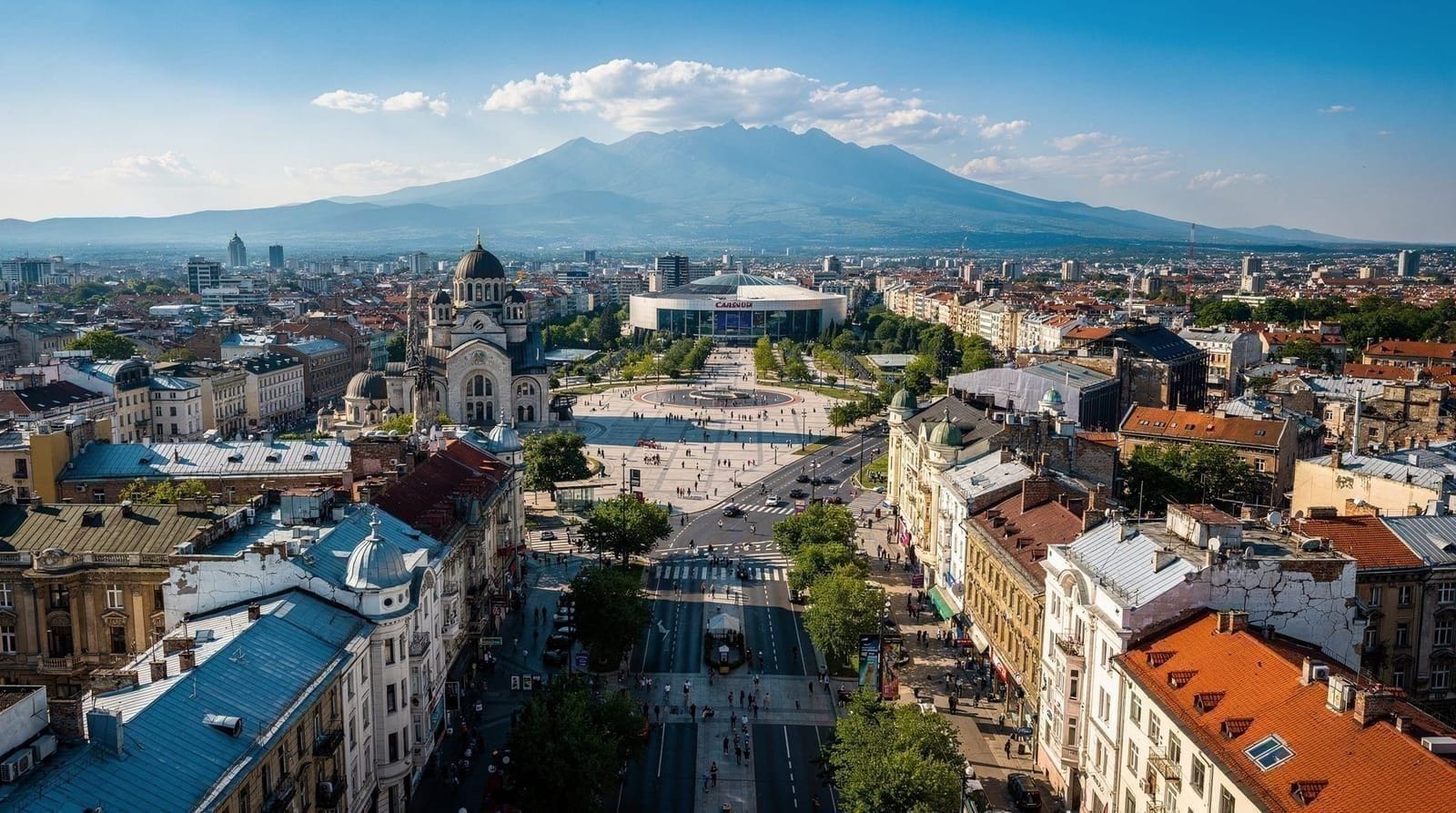
Sofia is not a city that announces itself. It sits in a mountain basin at 550 metres, shadowed by Vitosha to the south and ringed by the Balkan range to the north, and it has the slightly provisional energy of a capital that has reinvented itself several times — Roman provincial centre, Byzantine city, Ottoman administrative hub, communist showcase, and now a mid-sized EU capital of roughly two million people navigating a post-eurozone transition. It is not glamorous in the way that Prague or Lisbon are. It is cheaper, rougher around the edges, and considerably less visited — which is precisely what makes it interesting.
This guide covers everything a first-time visitor needs: when to go, how to get there and into the city, what to see, which day trips to prioritise, and what it realistically costs.
| Best for | 2–5 day city break + day trips |
| Currency | euro (adopted Jan 2026) |
| Airport link | metro M4, around 25min, €0.80 |
| Daily budget | around €45–125 depending on style |
| Best months | May–June, September–October |
Seasonality at a glance
| Season | Weather | Crowds | Best for |
|---|---|---|---|
| May–June | mild, 18–24°C | moderate | sightseeing, hiking opens up |
| Jul–Aug | hot, 30–35°C | highest | mountain day trips for relief |
| Sep–Oct | mild, 15–22°C | lower | hiking, best overall window |
| Nov–Feb | cold, occasional snow | lowest in city | skiing at Bansko/Borovets |
What makes Sofia worth the trip
The honest pitch: Sofia is one of the most affordable cities in the European Union, with a genuinely layered historic core, mountains within reach, and day-trip options that would anchor a destination three times its size.
The city’s sightseeing is compact enough to cover on foot. Roman ruins are literally underfoot at the central metro station. A fourth-century Byzantine rotunda sits in a hotel courtyard. A sixteenth-century Ottoman mosque and a 1909 Moorish-Revival synagogue stand two minutes apart. The Alexander Nevsky Cathedral — copper-green domes, gilded apse, room for 5,000 — was built to commemorate 200,000 Russian soldiers who died in the war that ended Ottoman rule of Bulgaria. These are not reconstructions or theme parks. They are working buildings in a working city.
Beyond the centre, Vitosha Mountain rises directly above the southern suburbs — close enough to ski or hike in the morning and eat lunch in the old town. Rila Monastery and the Seven Rila Lakes are within a half-day’s drive. Plovdiv, Bulgaria’s second city with a beautifully preserved old town, is 1.5 hours by train.
Bulgaria adopted the euro on 1 January 2026. Prices have adjusted upward from the lev era, but the city remains significantly cheaper than Western European capitals: a restaurant meal costs €6–12, a coffee €2–3, and a night in a good mid-range hotel €60–80.
GetYourGuideSofia: Night Walking Tour with GuideCheck availability →When to go — seasonal breakdown
May and June are the best months by most measures. Temperatures are mild (18–24°C), the city is green, spring flowers are out on Vitosha, and tourist crowds are moderate. Rila and the high mountain trails are opening up. Prices are still reasonable.
July and August are hot — daytime highs of 30–35°C are common in August. The city is fully operational: all museums are open, restaurant terraces are packed, and the nightlife scene is at its most active. The mountains provide genuine relief from the heat: a day trip to Seven Rila Lakes or a hike on Vitosha will be 10°C cooler than the city. Crowds are higher than spring or autumn, particularly at Rila Monastery, but Sofia never reaches the saturation levels of Prague or Barcelona in high season.
September and October rival May–June as the best window. Temperatures drop back to 15–22°C, the mountain forests turn amber and rust, and the tourist footfall falls noticeably. The grape harvest is underway in the Thracian plain around Plovdiv. Hotel prices ease slightly. This is a particularly good window for hiking — trails are clear, the air is crisp, and daylight hours are still reasonable through mid-October.
November to February is the off-season for sightseeing but the prime season for skiing. Bansko (2 hours south) and Borovets (90 minutes south) are fully operational from December through March, with ski passes at a fraction of Alpine prices. Sofia itself in winter is grey but atmospheric — Christmas markets run through December, and the reduced tourist numbers make everything feel more local. Budget travellers benefit: hotel prices can drop by 30–40% compared to peak.
Getting to Sofia
By air: Sofia Airport (IATA: SOF) is 10 km east of the city centre. Airlines serving it include Wizz Air, Ryanair, British Airways, Lufthansa, Austrian Airlines, and Turkish Airlines, with connections from across Europe and the Middle East. Ryanair and Wizz Air provide low-cost connections from the UK, Germany, and other EU cities year-round.
By train from Istanbul: An overnight train runs Sofia–Istanbul in approximately 9–10 hours. This is a scenic and practical option for travellers combining Turkey with the Balkans — you gain a night’s accommodation while covering the distance. Book through the Bulgarian State Railways (BDZ) website or at Sofia Central Station.
By bus from Thessaloniki and northern Greece: The Thessaloniki–Sofia route takes 5–6 hours by bus and is served by several operators including FlixBus. This makes a Sofia–Thessaloniki combination (or continuation into Greece) straightforward. Note that Bulgaria has been in Schengen since January 2025, so border crossings from Greece are now passport-check-free for EU citizens.
By bus from Belgrade: The Belgrade–Sofia corridor is covered by multiple daily buses and takes 4–5 hours. This is the standard route for travellers doing an Istanbul–Sofia–Belgrade–Sarajevo Balkans circuit. It is also possible by train, though the bus is generally faster and more frequent.
Getting from the airport to the city
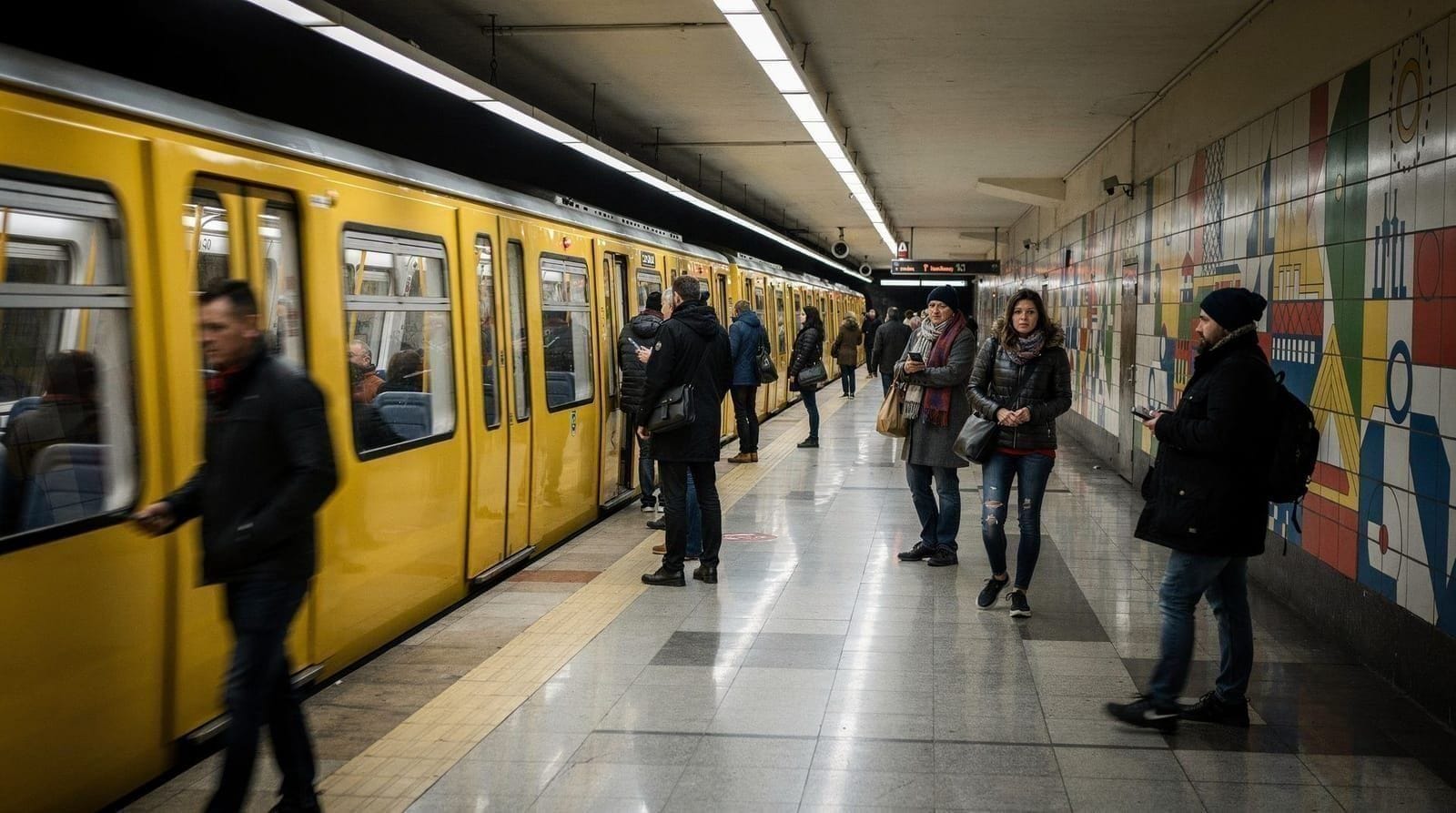
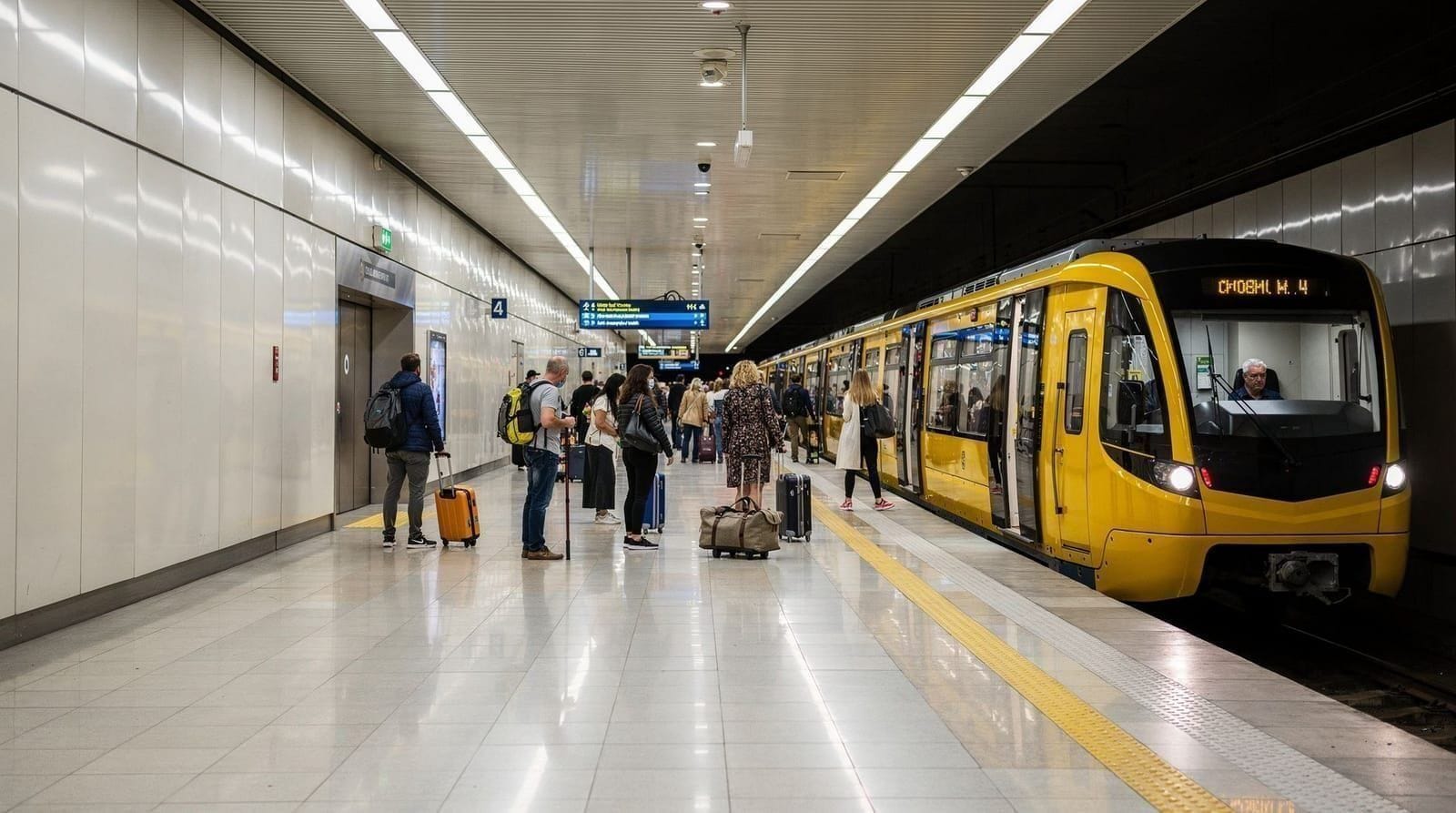
Metro Line M4 is the simplest option. It runs directly from the airport to the city centre (Serdica station) in approximately 25 minutes and costs €0.80 per journey. The line operates from roughly 5:30am to midnight, with trains every 5–7 minutes at peak times. This is the overwhelming first choice for independent travellers: no negotiation, no navigation, no traffic.
Taxi: Official taxis from the airport should cost €10–15 to the city centre. Use the official taxi queue at Arrivals (look for the dispatch booth), or use apps — OK Supertrans and Green Taxi are the established metered companies, and the TAXIme app (similar to Bolt for taxis) allows in-app booking with upfront prices. Avoid drivers who approach you in the arrivals hall before you reach the queue. See the full Sofia airport to city guide for a complete breakdown.
Private transfer: A pre-booked private transfer provides a driver with a name sign, set price, and door-to-door service. Useful if arriving late at night, travelling with heavy luggage, or visiting with family.
Neighbourhoods: what’s where
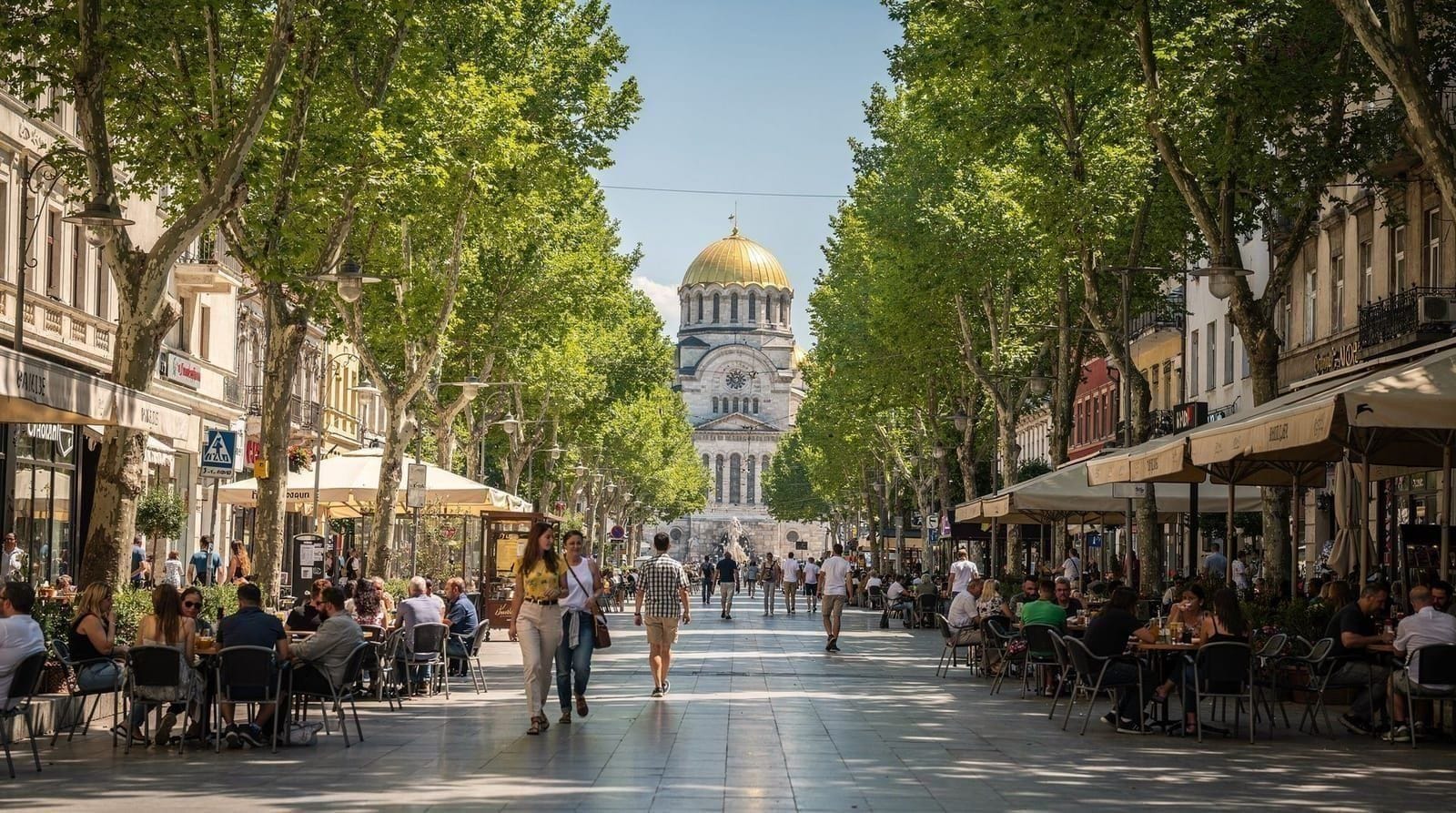
City Centre (Serdika/Largo area): The historic and commercial heart. All the main sights are here or within walking distance — Alexander Nevsky, Serdica ruins, Banya Bashi Mosque, Sofia Synagogue, Vitosha Boulevard. This is where most first-time visitors stay.
Around NDK and Vitosha Boulevard: The southern end of the main pedestrian street, anchored by the National Palace of Culture (NDK). Slightly more residential feel, good café concentration, and the starting point for routes toward Vitosha Mountain.
Lozenets: Southeast of the centre, upmarket and residential. Better restaurants than the tourist centre, more neighbourhood atmosphere, popular with Sofia’s professional class. Worth a dinner visit but not necessarily a base.
Boyana: Southwest suburb, 6 km from the centre. Location of Boyana Church (UNESCO, remarkable 13th-century frescoes) and the National History Museum. Not somewhere to base yourself, but essential if you have a full day.
Top sights in Sofia
Alexander Nevsky Cathedral is the defining landmark — copper-green domes, gilded apse, and a nave that holds 5,000 people. Entry to the nave is free. The icon crypt (separate entrance, south side, €3) holds Bulgaria’s finest collection of medieval icons and is consistently the most rewarding museum in the city centre. Budget 30–40 minutes for the crypt alone.
Serdica Roman ruins at the metro station are exactly as remarkable as they sound: the actual Roman street grid of the ancient city, preserved under glass at the Serdica metro interchange, visible to any commuter for free. The juxtaposition of second-century drainage canals with rush-hour metro passengers is quintessentially Sofia.
Boyana Church (UNESCO World Heritage, 13th century, €10, 4 km south of centre) is one of the finest examples of medieval Balkan fresco painting in existence. The figures are strikingly naturalistic for the period — painted roughly 50 years before Giotto’s comparable innovations in Italy. Entry is by timed slot and numbers are limited; book ahead in high season. Access requires a bus or taxi from the centre.
National History Museum (30 minutes by bus south of centre, €5) holds Bulgaria’s broadest historical collection, including Thracian gold, medieval artefacts, and ethnographic material. It is a half-day in itself and is best combined with Boyana Church in the same trip to the southern suburbs.
Banya Bashi Mosque (16th century, still active) is the only functioning mosque in Sofia and one of the oldest buildings in the city. Non-Muslims may enter outside prayer times with covered shoes. The mineral springs that have flowed beneath the site since Roman times still produce steam visible in the surrounding pavement.
Sofia Synagogue (1909, Moorish Revival, €4) is one of the largest synagogues in Europe and houses a museum documenting Bulgaria’s Jewish community — including the remarkable story of how Bulgaria protected its 50,000 Jewish citizens from deportation during World War II despite German pressure.
Vitosha Boulevard is the main pedestrian street, running south from Sveta Nedelya Square to the NDK. Commercial and modern, but with good cafés and the backdrop of Vitosha Mountain on clear days. The Slaveykov Square book market, partway down the boulevard, is worth a stop.
NDK (National Palace of Culture) is a Soviet-era congress hall that now hosts concerts, exhibitions, and events. The building itself is worth seeing as an example of late-communist architecture; the surrounding park is good for a walk.
GetYourGuideSofia Walking TourCheck availability →Where to eat and drink
Sofia’s food scene rewards moving off the main tourist streets. A proper mehana (Bulgarian tavern) meal — soup, a grilled-meat or stew main, a glass of local wine or a beer — runs €10–15 per person a block or two away from Vitosha Boulevard, versus 30–50% more directly on it. Banitsa, the flaky sirene-cheese pastry sold at bakeries and kiosks from early morning, is the essential Sofia breakfast at around €1–2. Coffee culture is genuinely strong here: expect confident flat whites and a strong tradition of sitting outside cafés even in cooler weather. The Sofia food guide and Sofia coffee culture guide go into far more depth on where locals actually eat and drink, and the banitsa and street food guide covers the wider street-food landscape.
Sofia full-day sightseeing tourDay trips from Sofia
This is where Sofia really earns its keep as a destination. The city sits at the centre of an extraordinary range of easy day trips.
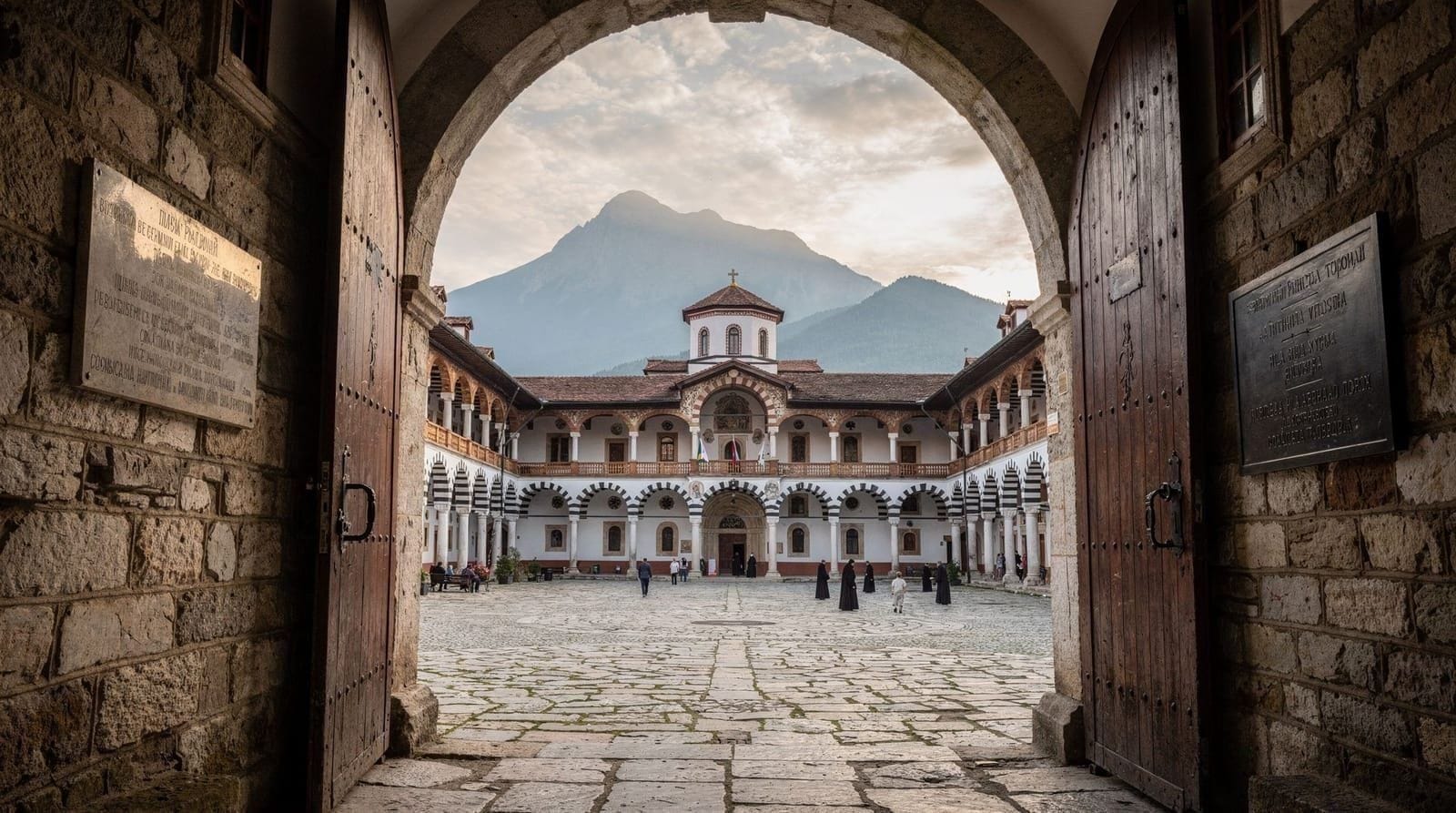
Rila Monastery (2 hours by car or bus, 120 km southwest) is Bulgaria’s most visited sight outside Sofia and deservedly so. Founded in the 10th century, rebuilt in the 19th in its current candy-stripe painted form, it sits in a deep valley surrounded by the highest mountains in the Balkans. A guided day trip including transport is the easiest option; the Rila Monastery day trip guide covers all transport options. Most people combine it with a walk in the surrounding valley.
Seven Rila Lakes (3 hours drive to the trailhead, then 1.5–2 hours of hiking up) are a chain of glacial lakes at 2,100–2,500 metres altitude, each at a different elevation with progressively more dramatic views. The views from the highest lakes across the Rila range are among the best in the Balkans. This is a full-day commitment. See the Seven Rila Lakes hike guide for the route and difficulty rating.
Plovdiv (1.5 hours by train or bus) is Bulgaria’s second city and, by some measures, the more atmospheric of the two. The old town, perched on hills above the river with National Revival mansions converted to galleries and restaurants, is genuinely beautiful. Regular trains and buses make independent travel straightforward. See the Plovdiv day trip guide for what to see and how to get there.
Vitosha Mountain (30 minutes from the city centre) is the closest escape from the city and the one that requires least planning. Take the metro to Vitosha station and a bus to Aleko hut (1,800 m), or walk up from the Dragalevtsi cable car. The Vitosha hiking guide covers the main routes, difficulty levels, and what to wear.
Koprivshtitsa (1.5–2 hours by car or train) is a 19th-century village preserved almost entirely intact, with cobbled streets and National Revival architecture. It was the starting point of the April Uprising of 1876 against Ottoman rule. Quieter and more reflective than Rila, it suits travellers with a specific interest in Bulgarian history. See the Koprivshtitsa day trip guide.
Bansko (2 hours south) is Bulgaria’s main ski resort in winter (December–March) and a pleasant historic old town combined with an increasingly developed resort zone year-round. The skiing from Sofia guide covers winter access; the old town is worth visiting in any season.
For a full rundown of distance, transport options, and what suits different interests, see the day trips from Sofia guide.
GetYourGuideSofia: 16 Pirotska Street Bulgarian Food and Drinks TastingCheck availability → GetYourGuideSofia: Private Custom Tour with a Local GuideCheck availability →Practical information
Language: Bulgarian. The script is Cyrillic, which is initially disorienting but follows consistent phonetic rules and takes a few hours to learn to read. Metro stations and major streets use both Cyrillic and Latin scripts. English is widely spoken in the tourist centre, hotels, and most restaurants. Outside the centre, a translation app is useful.
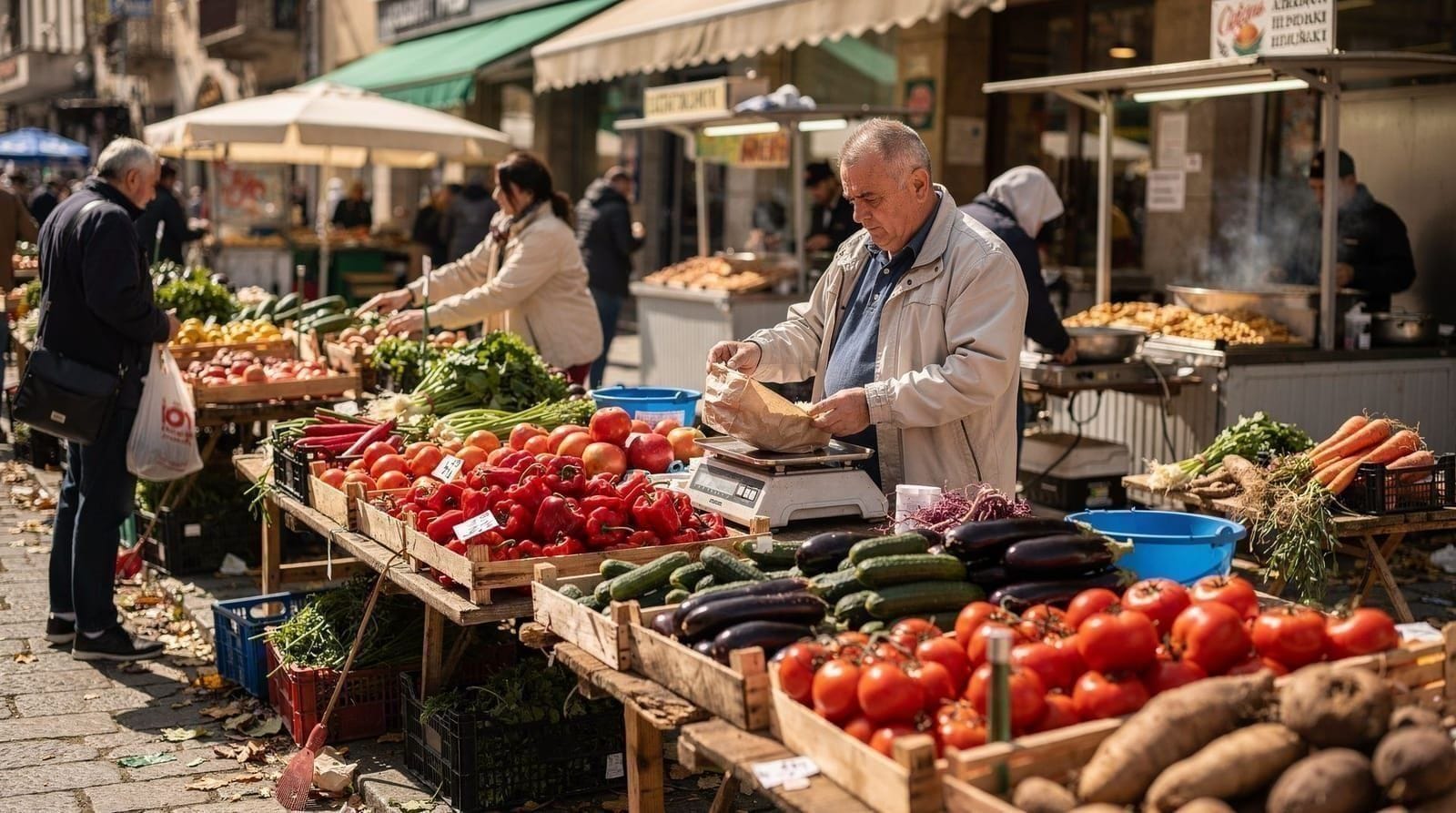
Money: Bulgaria adopted the euro on 1 January 2026. All prices are now in euros. ATMs are numerous in the centre and accept all major international cards. Credit and debit cards are accepted in hotels, restaurants, and most shops. Small kiosks and market stalls may still be cash only.
Tipping: 10% is the norm in restaurants and is expected rather than optional. Bar and café tabs are less rigidly tipped, but rounding up is standard. Tour guides expect a tip; €5–10 per person per tour is the usual range.
Safety: Sofia is very safe. Standard European urban awareness applies — watch bags in crowded areas (central market, busy metro stations, Vitosha Boulevard on summer evenings). Pickpocketing exists but is not a major problem compared to more tourist-saturated capitals.
Opening hours: Many museums are closed on Mondays. Most Orthodox churches are open daily. The Alexander Nevsky icon crypt has slightly shorter hours than the main nave — check before going. Restaurants typically open from noon and from 6pm; many are open continuously.
Connectivity: Free WiFi is available in virtually all cafés, hotels, and many public spaces. The metro also has WiFi coverage. EU visitors can use their mobile data plans without roaming charges. Non-EU visitors should pick up a local SIM from one of the three main operators (A1, Vivacom, Yettel) — shops are at the airport arrivals hall and throughout the centre.
Transport within Sofia: The metro (€0.80 per journey) is the fastest way to cross the city. Trams and buses cover neighbourhoods not on the metro map. Taxis via app (Bolt is well established) are cheap and efficient for longer trips or late nights. For full details, see getting around Sofia.
Budget breakdown for 2026
These figures are per person per day and reflect post-euro-adoption prices:
Budget traveller (€45/day): Hostel dorm bed (€18–22), all meals at local restaurants and bakeries (€12–15 for three meals), metro and trams for transport (€2–3), one paid museum entry (€5). Free sights — Serdica ruins, Alexander Nevsky nave, Rotunda, Vitosha Boulevard — fill the rest of the day.
Mid-range (€125/day): Mid-range hotel (€65–80/night), restaurant meals at sit-down places (€25–35 for two meals with drinks), one or two paid entries (€8–15), occasional taxi. A guided tour adds €25–40 depending on the format.
Comfortable splurge (€310/day): Boutique hotel or apartment in the centre (€150–200/night), good restaurant dinners (€50–70 including wine), private driver for a day trip (€120–150 per vehicle). Sofia’s luxury ceiling is not high by Western European standards — you hit diminishing returns above this level.
For a detailed breakdown of where to save and where to spend, see the Sofia on a budget guide.
How to plan your trip
Two days is the minimum for a meaningful visit to the city itself. Three days — city plus one major day trip — is the most common pattern and gives a well-rounded experience. Four to five days opens up the best day trips and lets you move at a more relaxed pace.
If you are using Sofia as a regional base rather than a destination in its own right, one to two days in the city plus structured day trips can cover a lot of ground. The how many days in Sofia guide works through the different scenarios — including whether to combine Sofia with Plovdiv, Rila, or a ski resort — in detail.
For structured day-by-day plans, see Sofia in 2 days, Sofia in 3 days, or the Sofia long weekend 4-day itinerary.
How Sofia compares to other Balkan capitals
Travellers weighing Sofia against Belgrade, Bucharest, or Skopje will find Sofia the more compact and walkable option, with a denser concentration of historic sights within the centre and considerably easier access to serious mountain scenery. It is generally cheaper than Belgrade for accommodation and on par with or slightly below Bucharest for food and transport. Where Sofia loses out is nightlife scale and variety — Belgrade’s is bigger and louder — and architectural grandeur on the level of Bucharest’s Belle Époque boulevards. For a full side-by-side comparison across cost, sights, and atmosphere, see the Sofia vs other Balkan capitals guide.
Nightlife and evenings
Sofia’s evening scene centres on the streets around Vitosha Boulevard and the areas just west of it, where bars, wine spots, and a growing craft-beer scene cluster. It is a genuinely good city for an evening out without the stag-party saturation of some other Balkan capitals — expect a mix of locals and travellers rather than tourist-only venues. The Sofia nightlife guide breaks down specific neighbourhoods and venue types, while the best cafés in Sofia guide is the better starting point if you prefer a quieter evening over a wine glass.
Traveling with children or as a couple
Sofia works well for families in short bursts: the Natural History Museum and Museum of Earth and Man hold children’s attention, Vitosha Mountain’s gentler trails suit a family hike, and the compact centre means less walking between sights than in a sprawling capital. See the Sofia with kids guide for age-specific planning. For couples, the city’s strength is its slower pace and lack of crowds compared to Western European capitals — a wine and cheese tasting, an evening walk down Vitosha Boulevard, or a day trip to Melnik’s wine region make for an easy, unhurried few days.
The Sofia for couples guide has more on this angle. Solo travellers, meanwhile, will find Sofia straightforwardly easy to navigate alone, with a well-established hostel scene, the free walking tour as a natural way to meet other travellers, and generally low-hassle streets even after dark — see the solo female travel Sofia guide for more specific safety notes.
Frequently asked questions about Sofia travel guide
Is Sofia worth visiting?
Absolutely. It is one of the cheapest capitals in the EU, with genuine depth — Roman ruins visible through metro station glass, a UNESCO-listed Byzantine church, an Ottoman mosque, and a functioning synagogue all within walking distance of each other. It also works as an excellent base for some of the best day trips in southeast Europe.How many days do you need in Sofia?
Two days covers the city centre well. Three days lets you add one or two day trips. Four to five days is ideal if you want to explore both the city and the surrounding mountains and monasteries at a relaxed pace.Is English spoken in Sofia?
Yes, in tourist areas, hotels, restaurants, and most shops, English is widely understood. Road signs and metro stations use both Cyrillic and Latin scripts. Outside the centre, English coverage drops, but gestures and translation apps fill the gap.Is Sofia safe for tourists?
Sofia is very safe by European standards. Standard urban precautions apply — watch bags in crowded areas like the central market hall and busy metro stations. The Old Town and nightlife areas are generally trouble-free even late at night.What currency does Bulgaria use in 2026?
Bulgaria adopted the euro on 1 January 2026. Prices have risen somewhat post-adoption compared to the lev era, but Sofia remains significantly cheaper than Western European capitals. ATMs are everywhere in the centre.Do you need a visa for Bulgaria?
EU, US, Canadian, Australian, and UK citizens do not need a visa. Bulgaria joined the Schengen Area in January 2025, so there are no border checks when arriving from other Schengen countries.When is the best time to visit Sofia?
May to June and September to October are the best months — mild temperatures (18–24°C), lower crowds than summer, and everything is open. July and August are hot (30–35°C) but manageable. December to February is cold but good for budget travellers and ski access.Can you do day trips from Sofia?
This is one of Sofia's great strengths. Rila Monastery (2 hours), Seven Rila Lakes (3 hours plus hike), Plovdiv (1.5 hours), Vitosha Mountain (30 minutes), and Koprivshtitsa (1.5–2 hours) are all feasible in a single day. See the day trips from Sofia guide for full details.What should first-time visitors not miss in Sofia?
Alexander Nevsky Cathedral (including the icon crypt), the Serdica Roman ruins at the metro station, and at least one day trip — Rila Monastery or Vitosha Mountain, depending on how much time you have. Together these give a fair sense of Sofia's layered history and its access to the mountains in under two days.Is Sofia a good base for exploring the rest of Bulgaria?
Yes. Sofia's central location and transport links make it a practical base for Plovdiv, Rila Monastery, Koprivshtitsa, and the ski resorts of Borovets and Bansko, all within 1–2.5 hours. Many visitors use Sofia for two to three nights of city sightseeing and then base day trips or short excursions from there rather than changing hotels.
Top experiences
Bookable activities with verified prices and instant confirmation on GetYourGuide.