Sofia scams to avoid: a practical guide to the tricks targeting tourists in 2026
Sofia is a safe city by most European measures — street crime targeting tourists is rare, violent incidents are uncommon, and the standard urban awareness that applies anywhere applies here. The scams that do exist are predominantly non-violent economic fraud: overcharging, deception, and situations designed to make you feel you owe money you did not agree to spend.
This guide covers each scam specifically — how it operates, how to avoid it, and what to do if you encounter it. The tone is practical, not alarmist. Most visitors to Sofia encounter none of these. Knowing about them takes five minutes and removes the risk.
| Most common risk | Airport taxi overcharging (€30-60 vs. €10-15 legit fare) |
| Cost of avoiding it | €0 — just use licensed taxis or Bolt/Yandex Go |
| Time needed to learn this guide | around 5-10 minutes |
| Emergency number | 112 (EU-standard) |
| Highest-risk area | Vitosha Boulevard evenings; airport arrivals hall |
1. Taxi scams at Sofia Airport (the most common)
This is the most frequently reported scam involving Sofia and the one most worth knowing in detail.
How it works: Sofia Airport Terminal 2 (the main international terminal) has a taxi rank outside arrivals. Unlicensed drivers — sometimes in unmarked cars, sometimes in vehicles that look like taxis — approach arriving passengers in the arrivals hall or immediately outside. They offer a “fixed price” or simply begin a negotiation. The quoted fare sounds reasonable or even cheap. The actual journey cost on arrival turns out to be €30-60 for a trip that should cost €10-15.
Variations include:
- A rigged meter that runs several times the legal rate
- A driver who demands payment in a different currency and miscalculates the exchange
- A driver who takes a deliberately long route and then charges “by the meter” for the extended distance
- A second person in the car (sometimes introduced as a “friend”) who assists in the demand phase
How to avoid it: At Sofia Airport Terminal 2, use only OK Supertrans (the official yellow taxis with green stripe, company number 0700 12 580) or Taxi S (another licensed company at the rank). The legal metered fare from the airport to the city center is approximately €10-15 depending on the time of day and exact destination. The meter should start at €0.70/km during the day.
Alternatively, book in advance via the Yandex Go or Bolt apps before your flight lands. You will see the price before you get in the car. Bolt now has airport pickup at Terminal 2.
At the taxi rank, walk to the designated rank area rather than accepting approaches in the arrival hall. Licensed taxis display the tariff card on the inside of the door — a legal requirement in Bulgaria.
If you are already in an unlicensed taxi: if the meter seems wrong or the driver is demanding a pre-stated high price, note the car’s registration plate and driver details, pay what the meter actually shows, and report to Sofia Airport Police (they have a desk in both terminals). Consumer protection bodies in Bulgaria take airport taxi complaints seriously.
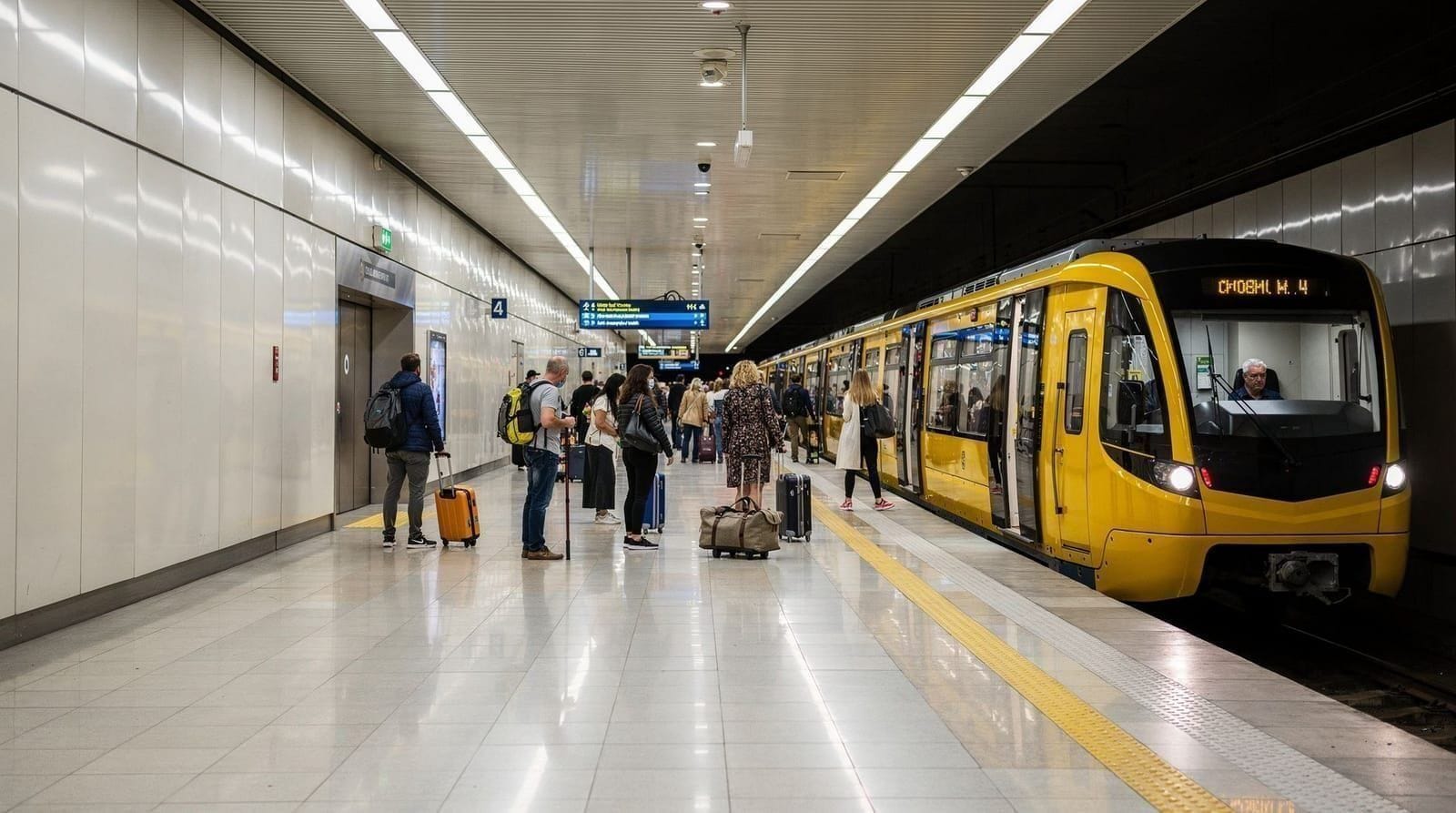
The simplest habit is to decide how you will reach the center before you land, not after you step into the arrivals hall tired and carrying luggage. The Sofia airport to city guide compares the options side by side, and the getting around Sofia guide explains how the rest of the local transport works once you are settled in.
2. The bar tab scam (nightlife version)
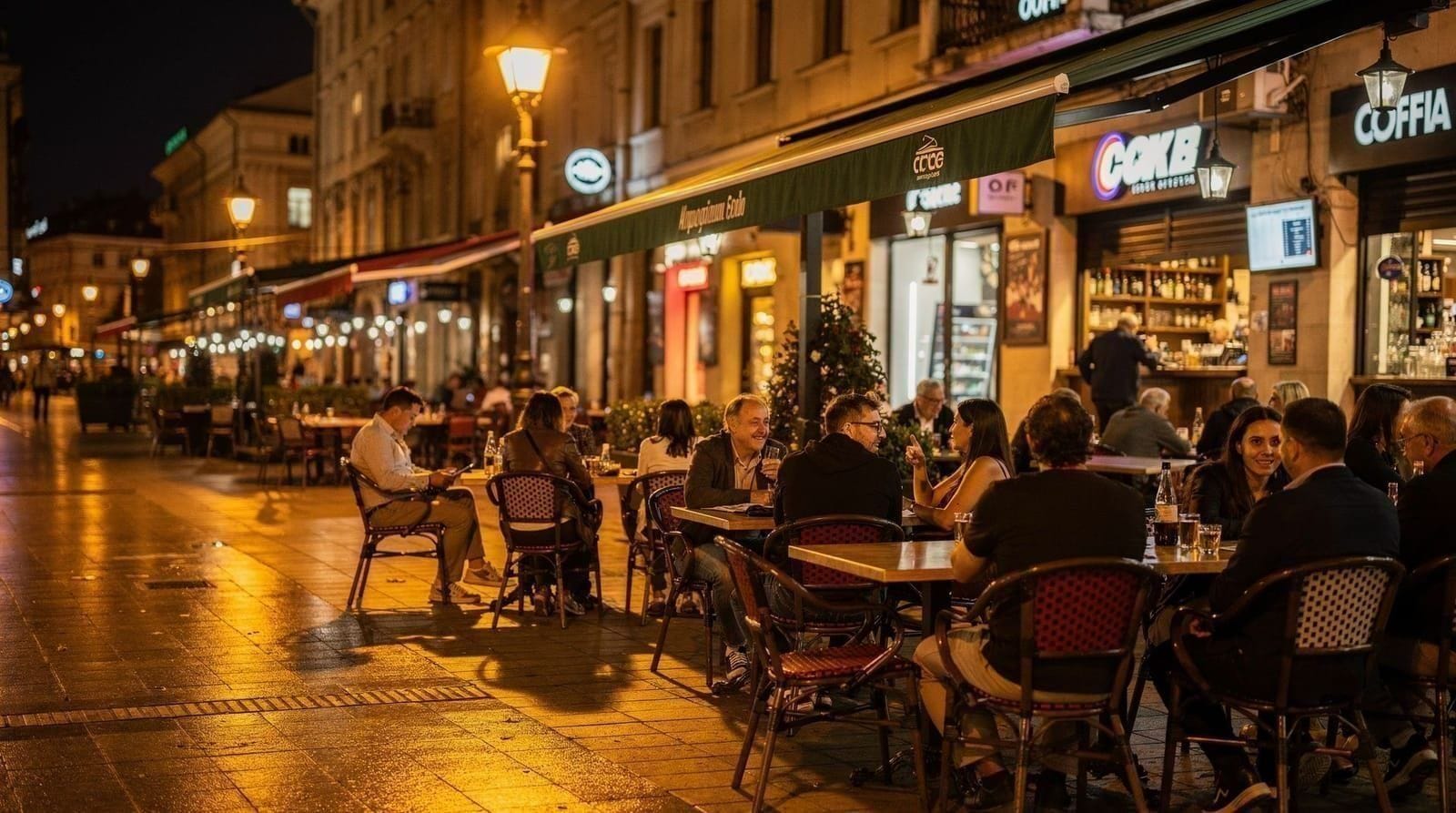
This scam targets tourists on and near Vitosha Boulevard in the evening and has been consistently documented in Sofia for over a decade.
How it works: A friendly person (can be any gender, often speaking English well) approaches a solo traveler or a small group on Vitosha Boulevard. They suggest going for a drink at a “local place” or a “bar only locals know.” The venue appears to be a normal bar from outside. Inside, you are presented with a menu where drinks are priced at €10-30 each. By the time the bill arrives, the minimum consumption is typically €150-200 per person. The venue may have bouncers. Security may stand near the exit. There is heavy social pressure or implied threat to pay.
This is a coordinated fraud involving the person who approached you, the venue management, and sometimes additional personnel.
How to avoid it: Do not enter a bar with anyone who approached you on the street. This rule handles the entire scenario. If you want to explore the nightlife, see the Sofia nightlife guide for actual local venues — you choose the bar, you walk in without an invitation, and the menus are outside the door.
If you encounter it: you are not legally obligated to pay a “minimum consumption” that was not disclosed when you entered. However, extracting yourself from the situation while inside is the priority. Try to leave calmly. If prevented from leaving, call 112 (the Bulgarian emergency number, EU-standard). Having a companion in the street outside who can call on your behalf is useful. Tourist police in Sofia are aware of this scam and have dealt with it before, but enforcement varies.
The specific block on Vitosha Boulevard to be most alert on is between Positano Street and Patriarch Evtimiy Boulevard.
If you would rather not spend your first evening picking a venue blind, there are gentler ways to start. A daytime stop at one of the places in the best cafes in Sofia list or a read of the Sofia coffee culture guide gives you a feel for what normal local prices and menus look like, which makes an inflated menu easy to spot. Travelers on their own will also find useful habits in the solo female travel guide, most of which apply to anyone walking alone at night.
3. Overpriced tourist restaurants
This is not technically a scam but a pricing trap worth knowing. Sofia has a strip of restaurants along Vitosha Boulevard that serve acceptable but undistinguished food at prices approximately double what you pay 200 meters away on a side street.
How it works: the menus have photos, translations in 6+ languages, and prices for dishes (pizza, pasta, grilled meat) that seem reasonable by Western European standards but are expensive for Sofia. A schnitzel or a pizza that costs €8-10 here costs €5-6 in a Bulgarian restaurant on Graf Ignatiev Street two blocks east. The quality is similar or inferior.
How to avoid it: eat away from the main tourist strip. Look for restaurants where the menu is in Bulgarian first (translations secondary or absent), where the seating is mostly local, and where the daily special board is handwritten. The area around Serdica metro station, the streets north of Lavele Street, and the Oborishte neighborhood all have legitimate local restaurants. See the budget travel guide for more on where locals eat.
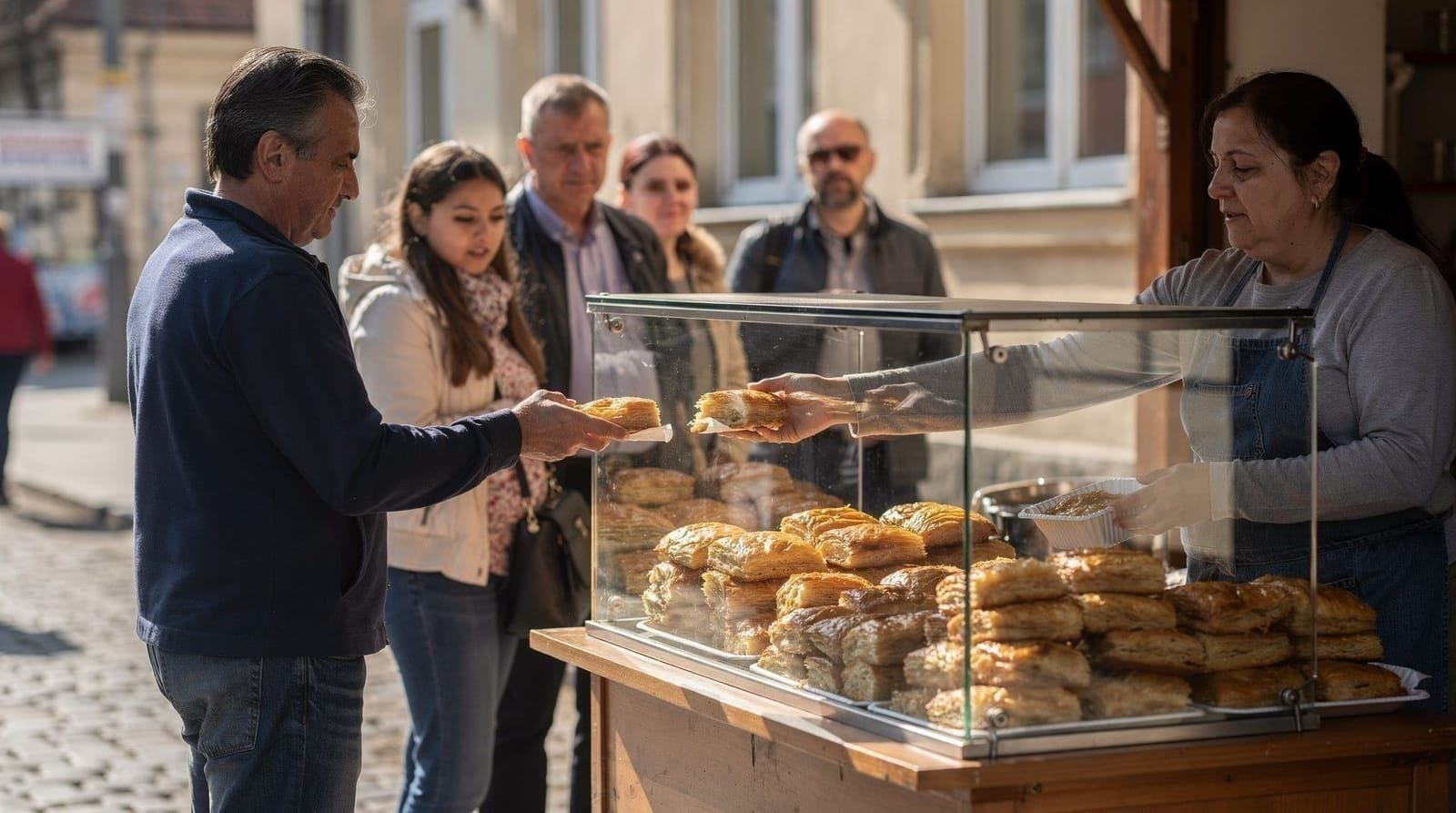
For ideas on what to order once you have found a good place, the Sofia food guide, the banitsa and street food guide and the Sofia street food guide all point you toward the kind of simple, local meals that tourist menus rarely do well. The Sofia on a budget guide is also worth a look if you want to keep an eye on spending generally.
4. The euro transition confusion
Bulgaria joined the eurozone on January 1, 2026. Some confusion remains in early 2026 around pricing and the old lev.
How it works: this is usually unintentional rather than deliberate fraud. Some vendors — particularly in markets, smaller shops, and informal settings — may price things in lev mentally and accidentally quote a figure in BGN rather than EUR. The official rate was BGN 1.95583 per euro, so BGN 5 should be quoted as €2.56, not €5.
More concerning is deliberate exploitation of confusion: a vendor quotes a price that sounds like euros but collects it as lev, or vice versa. This is most likely to occur in informal market settings.
How to avoid it: always confirm the currency and price before handing over money. Ask “euros?” when the price seems ambiguous. All official POS card transactions are in EUR — if you are paying by card, the receipt will show the EUR amount. Review your receipt before leaving.
If overcharged: for official businesses, a receipt is legally required. Ask for one. Reporting to the Bulgarian Consumer Protection Commission (KZP) is possible online, though enforcement for small amounts is limited.
5. The fake police / plainclothes officer scam
This scam is significantly rarer in Sofia than in some other Eastern European capitals but has been reported occasionally.
How it works: a person approaches on the street claiming to be a plainclothes police officer, sometimes flashing what appears to be a badge. They may claim you have been involved in a money-changing irregularity, that they need to “check your wallet” for counterfeit notes, or that you need to come with them to resolve an issue. The purpose is to access your cash.
Real Bulgarian police identification: uniformed police are obvious; plainclothes police (who do exist legitimately) carry a specific ID card (служебна карта). In any encounter with someone claiming plainclothes authority, you have the right to ask to see the card and to go to the nearest police station rather than complying on the street. Call 112 if you feel threatened.
How to avoid it: if approached by someone claiming police authority who wants to see your wallet or cash, say you are going to call 112 to verify their identity and do so. Legitimate officers do not object to this; scammers disappear.
6. ATM skimming
A universal urban risk, not specific to Sofia but present in the city.
How it works: a card skimming device is attached to an ATM, often combined with a small hidden camera above the keypad. Your card data is captured and your PIN recorded. The card is cloned and used remotely.
How to avoid it: use ATMs inside bank branches during banking hours rather than standalone machines on the street. The ATMs inside the lobby areas of banks like UniCredit, DSK, and Fibank are the safest options. Check the card reader for anything loose or overlapping before inserting your card. Cover the keypad with your hand when entering your PIN.
Foreign visitors with European bank cards have strong statutory fraud protection — contact your bank immediately if unauthorized transactions appear.
7. The photograph demand
Minor and infrequent but occasionally reported.
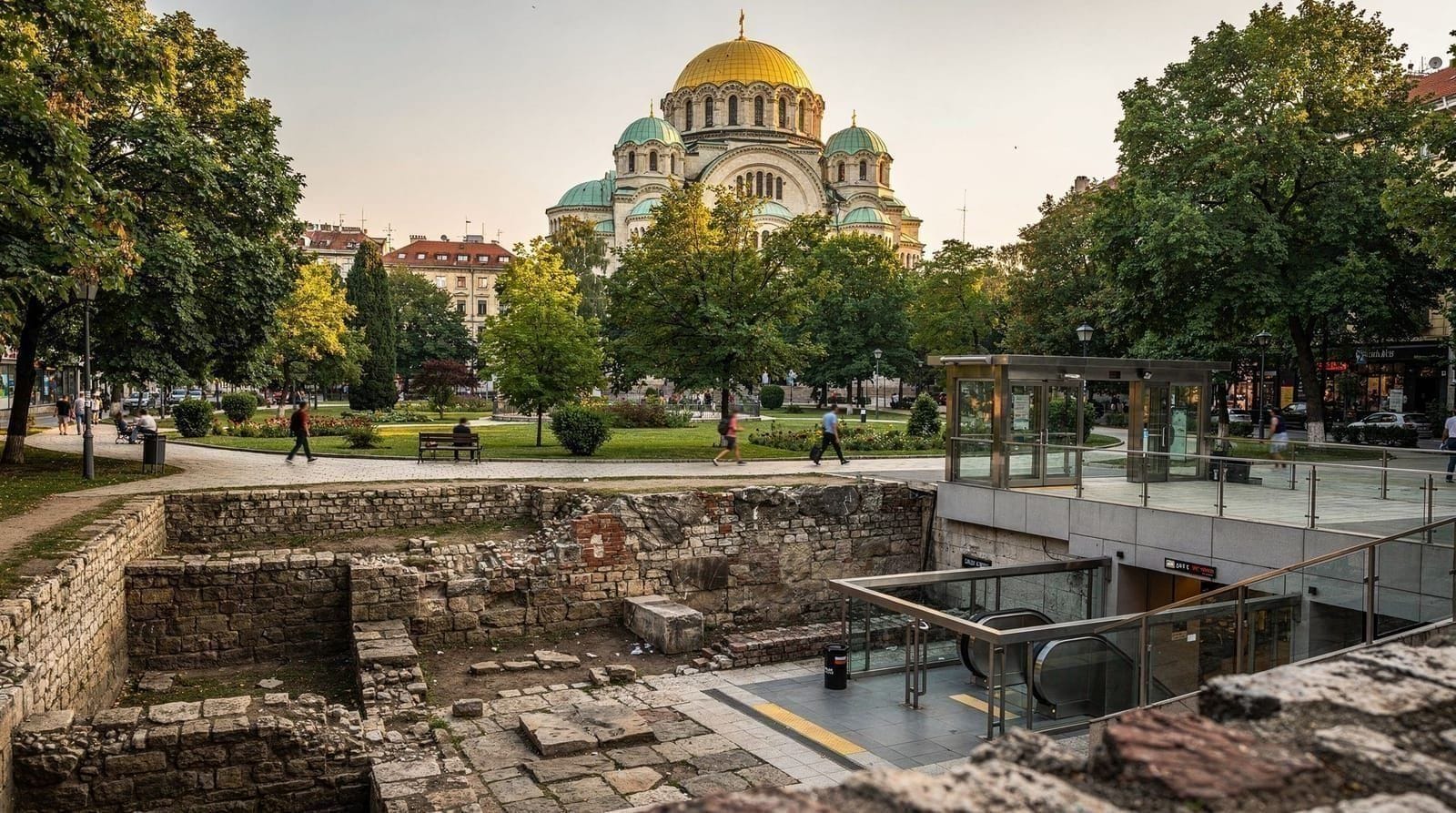
How it works: a person in traditional Bulgarian dress or with an animal (typically near the Alexander Nevsky Cathedral or the main tourist walking route) invites you to take a photo. After the photo is taken, they demand payment — sometimes aggressively.
How to avoid it: if someone poses for a photo and you accept, agree the fee before you take the picture. A standard “street performer” photo rate in Sofia is €1-3; anything above that is not standard. Do not photograph people who approach you for this purpose unless you have established beforehand whether there is a cost and what it is.
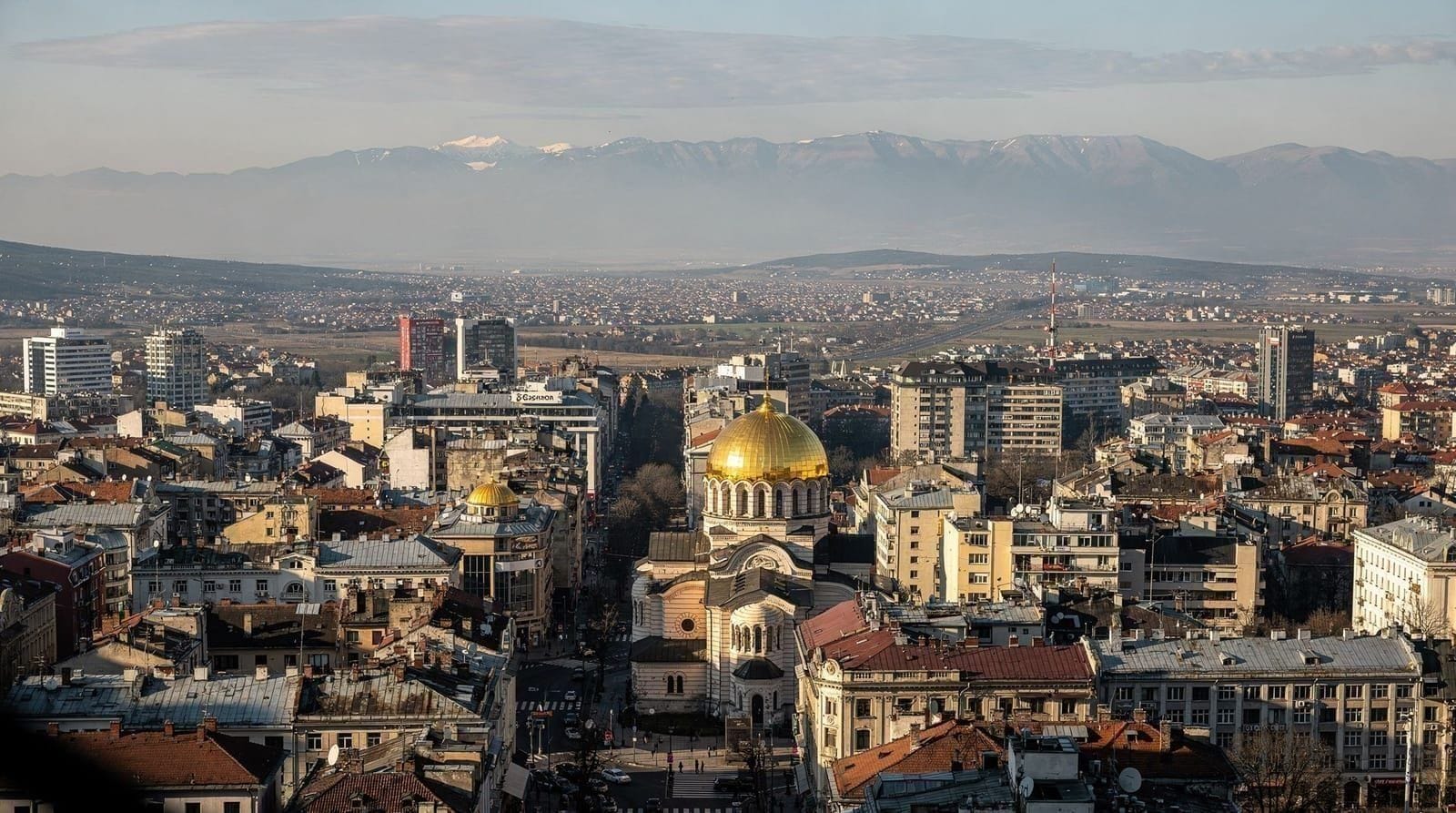
The area around the Alexander Nevsky Cathedral is where most visitors first meet this, simply because everyone stops there for pictures. If you prefer to explore the old center without fielding approaches, joining a guided walking tour of the city center means a local guide handles the logistics and tells you which stops are worth your time. You can also follow the Sofia old town walk on your own, using the same awareness described above.
8. Currency exchange bureaus with hidden rates
Not unique to Sofia, but worth flagging specifically for the center’s tourist strip.
How it works: exchange bureaus, particularly on and near Vitosha Boulevard, advertise a favorable headline rate in large numbers outside, but the actual rate applied — or a “commission” deducted at the counter — is significantly worse. This is legal but deliberately deceptive: the fine print with the real terms is often in small text near the counter, not on the street sign.
How to avoid it: use a bank ATM (inside a branch, per the skimming advice above) for cash withdrawals rather than a street exchange bureau — you get the interbank rate minus your home bank’s foreign transaction fee, which is almost always better than a street bureau’s spread. If you must use a bureau, ask for the exact amount you will receive in hand before committing, and compare two or three bureaus a block apart; rates vary more than you would expect over a short distance.
Quick reference: how each scam is avoided
| Scam | Where it happens | The one thing that avoids it |
|---|---|---|
| Airport taxi overcharging | Terminal 2 arrivals | Use OK Supertrans, Taxi S, or book via app |
| Bar tab scam | Vitosha Boulevard evenings | Never enter a bar with someone who approached you |
| Overpriced tourist restaurants | Vitosha Boulevard | Eat on side streets or in Oborishte |
| Fake plainclethes police | Central tourist areas | Ask to call 112 to verify identity |
| ATM skimming | Street-standalone machines | Use ATMs inside bank branches |
| Currency exchange spread | Tourist-strip bureaus | Use a bank ATM instead of a street bureau |
General safety context
For context: Sofia’s crime rate for violent incidents against tourists is low by European capital standards. The Metropolitan Police statistical data and anecdotal traveler reporting both indicate that physical safety on the street is not a significant concern in the main tourist areas, the center, and the restaurant districts. The risks above are economic, not physical.
Standard urban common sense applies: do not display expensive equipment ostentatiously, use Bolt rather than street taxis at night, keep your bag in front of you in the metro during rush hour, and be alert to approaches by strangers who seem unusually interested in your plans for the evening.
The Sofia nightlife guide covers the bar scam in more depth alongside practical venue recommendations. The getting around Sofia guide has more on transport pricing and licensed taxi operators.
If you are still planning the trip, the Sofia travel guide is the best overall starting point, and the 48 hours in Sofia plan or the Sofia in 2 days itinerary show how a short visit fits together without wasted time in the tourist traps. For a first visit with a guide who knows the city, a guided city tour is a low-stress way to get your bearings before heading out on your own. The Sofia itinerary planning guide helps you pick the right pace.
Frequently asked questions about scams and safety in Sofia
Is Sofia safe for solo travelers?
Yes, including solo female travelers. See the solo female travel guide for specifics. The main risks are economic (taxi overcharging, the bar scam) rather than physical. Standard city awareness — staying in lit areas, using trusted transport apps, not following strangers to unknown venues — handles the relevant risks.
Which taxis are safe to use in Sofia?
At the airport: OK Supertrans (yellow, green stripe) or Taxi S. Book via Bolt or Yandex Go app for pre-confirmed pricing. For city travel, Bolt and Yandex Go are the most reliable options — fare is shown before you get in, paid by app, no cash negotiation needed. Avoid unlicensed taxis flagged on the street, especially near the airport, the Central Railway Station, and late at night on Vitosha Boulevard.
Is the bar scam really that common in Sofia?
Common enough to be documented consistently over more than a decade in tourist forums and consumer complaint reports. The venues operating the scam are clustered on Vitosha Boulevard and a few side streets nearby. The avoidance is simple: do not go to a bar with someone who approached you on the street. If you choose your own venue and walk in on your own initiative, the scam cannot reach you.
What should I do if I am overcharged in a taxi?
Note the driver’s name and car registration (displayed inside the taxi). Pay what the meter shows, not what the driver demands. Report to the transportation regulator at Sofia Municipality or file a complaint via the Sofia Municipality app. For serious incidents (demand is aggressive or you feel unsafe), call 112.
Did the euro adoption create new scams?
Opportunistic confusion around the lev-euro transition has occurred in informal settings. Always confirm the currency and price before paying, especially in markets and from vendors who may be quoting in mental lev amounts. Official POS terminals issue receipts in EUR.
Is there a tourist police service in Sofia?
Yes. Sofia has tourist police officers who speak English and patrol the main tourist areas in summer. They can be found near the central walking route (Alexander Nevsky, Vitosha Boulevard) and at Sofia Airport. The general police emergency number is 112.
What is the safest part of Sofia for tourists?
The city center — the area bounded by Vitosha Boulevard to the west, the Alexander Nevsky Cathedral to the northeast, Serdica to the north, and the NDK to the south — is the most police-patrolled and most visited area. It is also where the highest concentration of tourist-targeting economic scams operates. Being in a central, well-lit area reduces physical risk; staying alert to approaches from strangers reduces economic risk.
Are currency exchange bureaus in Sofia trustworthy?
Most are legal but some on the Vitosha Boulevard tourist strip advertise favorable headline rates while applying a worse rate or hidden commission at the counter. A bank ATM inside a branch generally gives a better effective rate than a street bureau. If using a bureau, confirm the exact amount you will receive before handing over cash.