Sofia nightlife guide: bars, clubs, and where locals actually go
Sofia has a genuine nightlife scene that gets very little attention in international travel coverage. The reviews that do exist tend to focus on Vitosha Boulevard — the pedestrian main drag — which is precisely the wrong place to evaluate the city’s bars and clubs. The Vitosha strip has some legitimate spots, but it also has a concentration of tourist-trap venues, overpriced cocktail bars, and the “entertainment establishments” that operate as bar scams targeting solo visitors. Locals rarely go there after 8pm.
This guide covers where people in Sofia actually drink, what things cost in 2026, the club scene, and the practical warnings worth knowing.
| Where | Oborishte (craft beer/wine), Studentski Grad (cheap), Lozenets (clubs) |
| Cost | around €15-25 local bar; €30-60 full club night |
| Time needed | bars from 10pm; clubs peak 2-4am |
| Getting there | walkable center; Bolt/Yandex Go for outer neighborhoods |
| Best time | year-round; terraces best May-September |
The shape of Sofia’s nightlife
Sofia’s bar and club culture runs late by most Western European standards. Dinner happens at 8-10pm rather than 6-7pm. Bars start filling up around 10pm. Clubs rarely have a crowd before 1am and run until 5-6am on weekends. If you show up at a Sofia club at 11pm, you will be watching staff set up.
The flip side: if you are a 10pm-to-midnight person, you will find Sofia quiet in the bars. This is not 6pm-to-pub-closing British or American style. Plan accordingly.
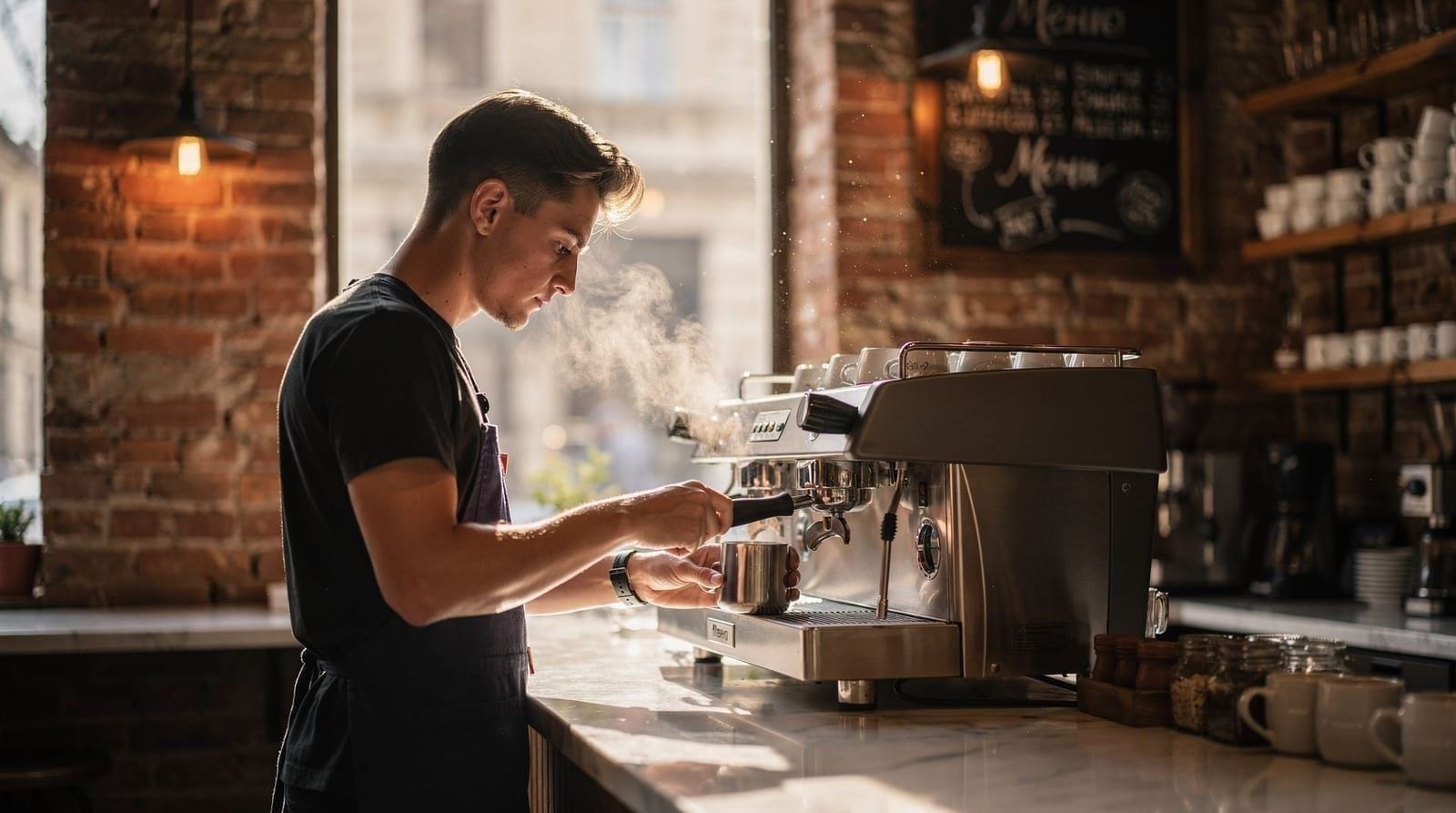
The city’s drinking culture is also strongly coffee-oriented in the evenings — sitting in a café drinking espresso at 9pm is completely normal. Many of the best evening venues are kafene (café-bars) that serve both specialty coffee and alcohol.
Vitosha Boulevard: what to do and what to skip
Vitosha Boulevard (Vitosha Bulevard, locally shortened to “Vitoshka”) is the central pedestrian street running south from Serdica Square toward the National Palace of Culture (NDK). It is not without good options, but it requires selective navigation.
The north end around Serdica has some solid café terraces with reasonable prices. The further south you go, the more tourist-facing the venues become. The block between Georgi Rakovski Street and Graf Ignatiev Street contains the highest concentration of venues with photo boards outside, multilingual menus, and €8 cocktails. These are fine for a drink if you are already walking by; they are not where you should plan your evening.
The south end of Vitosha, approaching NDK, has some genuinely better spots — wine bars and cocktail bars with local clientele, somewhat removed from the tourist traffic. The NDK park itself has outdoor bars in summer that are popular with locals on warm evenings.
What to genuinely avoid on Vitosha Boulevard: the venues with touts outside who approach you with phrases like “traditional show tonight” or “cheap drinks, my friend, come see.” These establishments are almost certainly operating the bar scam (see Sofia scams to avoid for detail). The drink-running schemes targeting solo male travelers on Vitosha are not new; they have been documented since the 2010s. The formula is consistent: approach on the street → “local bar” → minimum consumption charge of €150-200+ → aggressive collection.
The Oborishte neighborhood: craft beer and wine bars
Oborishte is a residential neighborhood northeast of the center, roughly bounded by Vasil Levski Boulevard to the west and Yanko Sakazov Boulevard to the north. It has become the main area for what Sofians call “gastro bars” — places emphasizing craft beer, natural wine, and food in a non-tourist setting.
The streets around Oborishte Park and the Orthodox churches cluster contain the highest density of these venues. They tend to be small (20-40 seats), reasonably priced, and populated almost entirely by locals.
What to order in Oborishte bars:
Craft beer: Bulgaria’s craft beer scene grew rapidly after around 2015. Two domestically significant brands are Zmeya (Dragon Brewery) and 21 Degrees. Several bars in Oborishte pour their own house brews on tap. A 0.5L pour costs €3.50-5.50 at a craft beer bar. Comparison: the same size of Zagorka (mass market) at a local mehana or convenience store is €1.50-2.
Wine by the glass: Bulgarian wine has improved significantly and Oborishte bars stock a solid selection of local bottles. A glass runs €3-6 depending on the wine and venue. Local varieties worth trying: Melnik 55 (a local grape variety, full-bodied red), Mavrud (Bulgaria’s most distinctive red grape), and Dimyat (white, produced along the Black Sea coast). Expect the bar staff in these venues to be knowledgeable.
Rakia: the Bulgarian grape or plum brandy typically starts at €1.50-2.50 per 50ml shot at local bars, and €4-6 at tourist-facing venues. Order it with a small salad (shopska or zelena) — this is the traditional way to drink it and most bar staff will expect it.
Studentski Grad: cheapest drinks, local crowd
Studentski Grad is the university district in south Sofia, adjacent to the main campus of Sofia University’s faculties. The bars here are priced for students — this means the cheapest drinks in the city. A beer is €1.50-2.50. A shot of rakia or vodka can be under €2.
The atmosphere is accordingly young and local. If you are 18-25 and looking for cheap nights out with a Bulgarian crowd, Studentski Grad is the answer. If you are looking for a polished bar experience, it is not the right area.
The trade-off is logistics: Studentski Grad is about 3-4 km south of the center and requires a taxi or night bus. Bolt from the center costs €4-6. Worth it if the student-bar vibe is your preference.
Graf Ignatiev and nearby streets: the middle ground
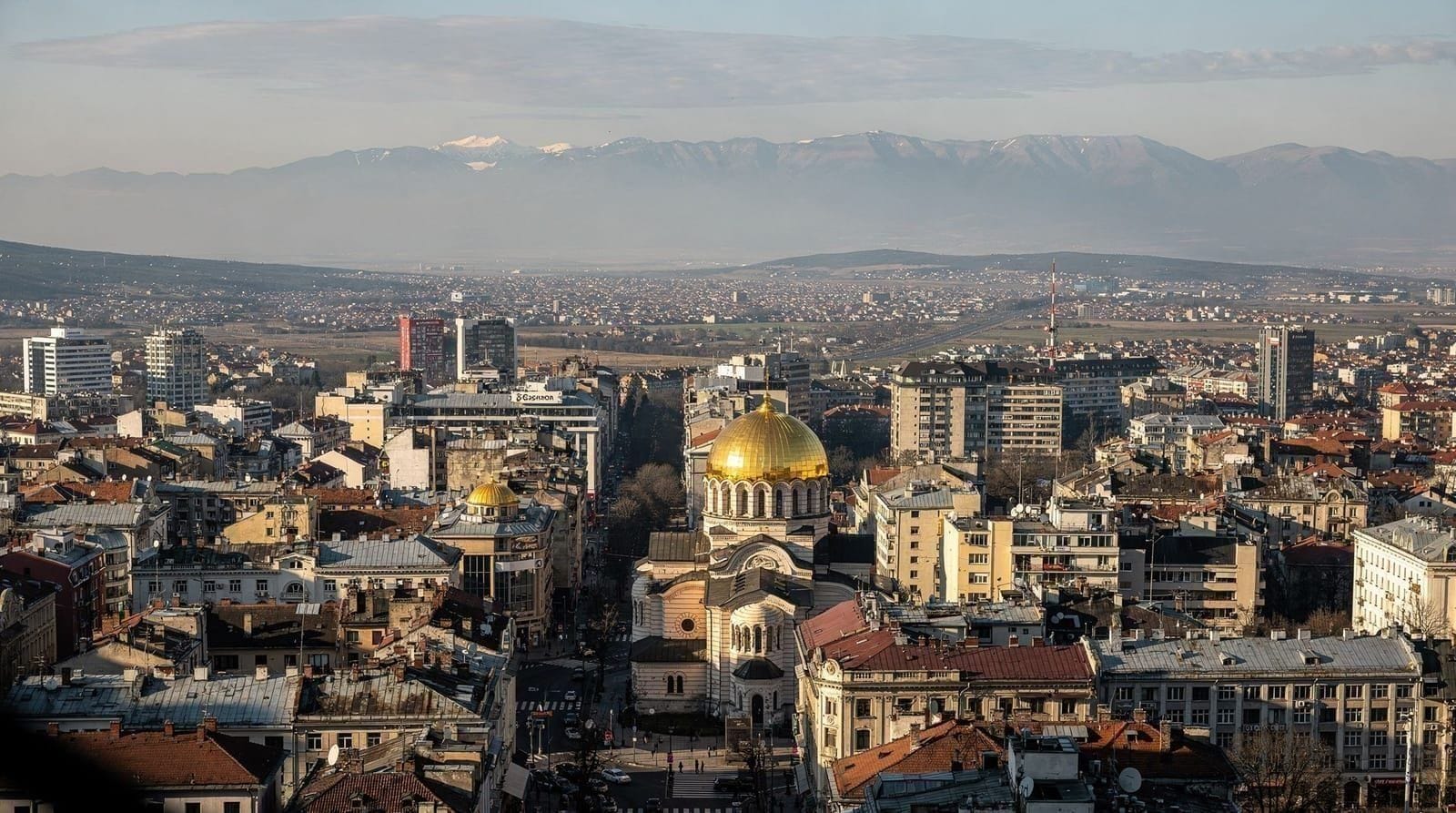
Graf Ignatiev Street runs parallel to Vitosha Boulevard two blocks east and is significantly less touristy. The cross streets off Graf Ignatiev — particularly toward the Alexander Nevsky area — contain a mix of neighborhood bars, wine bars, and kafene that are more local-facing than Vitosha but more accessible than Oborishte.
The area around Aleksandar Stamboliyski Boulevard (the main bus corridor through the center) has several underground bars and live music venues that are generally not visible from the street and require knowing what you are looking for.
Clubs and electronic music
Sofia has a real electronic music club scene. This is not the Ibiza-adjacent beach club world — it is closer to Berlin in aesthetic: late starts, underground venues, focus on the music.
Club venues change over years — specific clubs open, rebrand, and close with some frequency, so naming particular clubs in a guide risks obsolescence faster than bar recommendations. The current venues worth checking before you visit:
Search for current information on Facebook events (Sofia club culture is heavily promoted via Facebook events) and platforms like Resident Advisor (Sofia listings are not comprehensive there but electronic events do appear). Local Facebook groups like “Sofia Club Events” or venue-specific pages are the most reliable current source.
What is stable: venues cluster in two areas. The first is the Lozenets neighborhood south of NDK, which has several clubs in repurposed industrial or residential basement spaces. The second is the center, particularly around Patriarch Evtimiy Boulevard and the side streets south of Vitosha Boulevard.
Entry prices: €5-15 for most clubs depending on the night and the DJ. Events with international bookings can reach €20-30.
Drink prices at clubs: €5-8 for a cocktail, €3-5 for beer, €3-4 for a spirit-mixer. These are significantly higher than bar prices and comparable to mid-range club prices in Western European cities.
Hours: nothing meaningful happens before 1am. Peak hours are 2-4am. Clubs run until sunrise.
Live music venues
Sofia has a live music scene beyond clubs. The main categories:
Jazz: there are two or three dedicated jazz venues in Sofia, most of which also serve food. Shows typically start at 8-9pm, making them accessible for visitors who do not want a 3am night. Entry is usually €5-10, occasionally free.
Rock and alternative: the rock bar scene is concentrated in the center and around Studentski Grad. Several venues host Bulgarian and occasional international bands. These tend to be cheaper (€5 entry or free) with a local crowd.
Folk and ethno: traditional Bulgarian folk music has a growing presence in Sofia bar culture, partly driven by younger Bulgarians rediscovering traditional music. Events mixing traditional instruments with modern arrangements happen several times a week at various venues. A tourist-accessible version of this exists in the upmarket mehani with live folk music, but the more authentic events are in smaller venues and advertised via social media.
Organized pub crawls: the trade-off
Organized pub crawls exist in Sofia and are marketed heavily at tourists staying in central hostels. Typical price: €15-25, usually including a welcome shot, some free drinks at early stops, and entrance to a club at the end.
Sofia pub crawl through the hidden barsThe case for a pub crawl: you meet other travelers, you do not have to figure out where to go, and the venues are pre-vetted for the scam issue. The case against: the bars on the route are the “safe for tourists” options, not necessarily the best local bars, and the group dynamic means you are not really experiencing the city.
If you are solo and have limited time, a pub crawl is a reasonable option. If you have more time and are comfortable navigating independently, the Oborishte bar scene is more interesting.
What to drink and what it costs
A price summary for 2026, across different venue types:
| Drink | Local bar/mehana | Craft/wine bar | Tourist strip | Club |
|---|---|---|---|---|
| Local beer (0.5L) | €1.50-2.50 | €3.50-5.50 | €4-6 | €3-5 |
| Rakia (50ml) | €1.50-2.50 | €2.50-4 | €4-6 | €4-6 |
| Wine by glass | €2-4 | €3-6 | €5-8 | €5-8 |
| Cocktail | €5-7 | €6-9 | €8-12 | €7-10 |
| Espresso | €1.20-1.60 | €1.80-2.50 | €2-3.50 | n/a |
Tipping: 10% is standard in bars and restaurants where you receive table service. No expectation to tip at self-service bars.
Practical logistics for a night out
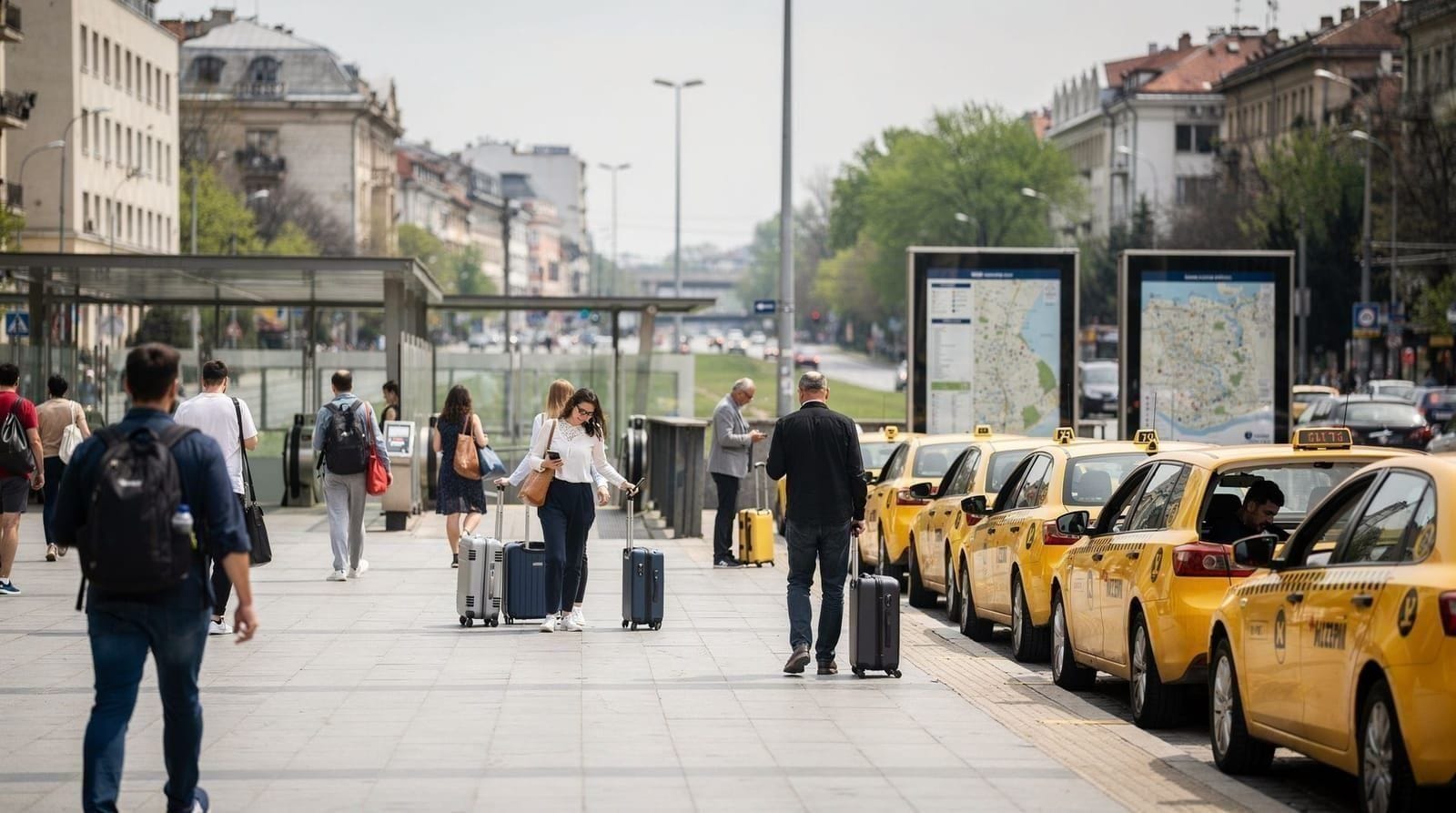
Getting home: Bolt and Yandex Go are the reliable options. Do not get into an unlicensed taxi at 3am outside a club — the risk of overcharging is real (see scams guide). The Bolt app works consistently in Sofia and fares are predictable.
Night buses: Sofia has a night bus network that runs on limited routes between 11pm and roughly 5am. The route maps are on the CUP Sofia website. They are cheap (€1.60) but not comprehensive.
Safety: Sofia center at night is generally safe by European standards. The main risks are the bar scam (targeted at tourists on Vitosha Boulevard) and taxi overcharging. Street crime is not a significant issue in the main nightlife areas. Walk with basic awareness, particularly around large groups outside clubs at 3-4am.
Dress code: varies. Most bars have none. Some of the upmarket clubs have a relaxed dress code and will turn away people in sportswear or very casual attire on busy nights. Check the specific venue’s social media if you are uncertain.
Meeting people: Sofia’s nightlife is friendly toward solo travelers and small groups by regional standards. Craft beer bars in Oborishte and the more casual rock venues tend to have the most approachable atmosphere for striking up a conversation; upmarket cocktail bars and clubs are less geared toward it. If you are traveling alone and want company for a night out, a pub crawl or a small-group wine tasting is a lower-friction way to meet other travelers than showing up solo at a club.
Eating before you drink: because bars fill late, there is room for a proper dinner first. The Sofia street food guide and the Bulgarian dishes to try guide help you line something up, and a solid meal makes a late night easier to enjoy. For the full picture of eating out, see the Sofia food guide.
Planning around a budget: if your evenings are a large part of your spending, Sofia on 50 euros a day and the Sofia on a budget guide show how to balance bars against the rest of your days. Getting between neighborhoods is covered in the getting around Sofia guide.
Traveling alone or as a couple: the right bar changes with the company. Solo female travel in Sofia has advice for going out alone, while Sofia for couples suggests calmer evenings for two.
Neighborhood cheat sheet
If you are short on time and want a fast decision rather than reading the full breakdown above, this comparison covers the trade-offs.
| Area | Vibe | Price level | Best for |
|---|---|---|---|
| Vitosha Blvd (south end) | Mixed, tourist-adjacent | High | Convenience, not exploration |
| Oborishte | Local, craft beer/wine | Moderate | Best all-round evening |
| Studentski Grad | Young, loud | Lowest | Cheap drinks, student crowd |
| Graf Ignatiev | Local-leaning, varied | Moderate | Middle ground, live music |
| Lozenets | Clubs, industrial spaces | High | Electronic music, late nights |
Combining a night out with the rest of your trip
A late Sofia night has practical knock-on effects worth planning for. If you are heading to Vitosha Mountain or Boyana Church the next morning, a 3am finish makes an early departure unrealistic — build in a slower start or push the outdoor activity to the afternoon instead. If a day trip to Rila Monastery is on the itinerary, avoid scheduling it the morning after a club night; the early departure times for group tours (often 7-8am) do not mix well with a 5am finish.
Sofia alternative walking tourFrequently asked questions about Sofia nightlife
When do bars and clubs open in Sofia?
Bars start filling from 10pm-midnight. Clubs do not have a real crowd until 1-2am and run until dawn. Sofia nightlife runs significantly later than Northern European equivalents. If you are going to a club, arriving at midnight is early.
Is Vitosha Boulevard safe for nightlife?
Vitosha Boulevard is generally safe in terms of physical security. The risk is the bar scam: touts approaching with invitations to “local bars” that are actually scam venues charging €150-200+ minimum consumption. Avoid venues where you were approached on the street, and stick to places you chose rather than were guided to. See the Sofia scams guide for specifics.
What is rakia and should I try it?
Rakia is a fruit brandy — typically grape or plum in Bulgaria. Bulgarian rakia is typically 40-50% ABV. It is drunk in small shots (50ml), often with a small salad or pickle on the side. Quality varies enormously; a good home-made or artisan rakia is complex and smooth, while cheap commercial versions can be harsh. At a craft bar or mehana, ask for the house rakia or a specific recommendation.
Are there good craft beer options in Sofia?
Yes. Zmeya Brewery and 21 Degrees are the main local craft producers; several other microbreweries operate in and around Sofia. The craft bar scene in Oborishte neighborhood has the widest selection. Expect to pay €3.50-5.50 for a 0.5L pour of craft beer — comparable to Prague or Krakow rather than Amsterdam or London.
Is Sofia a good destination for electronic music?
Yes, if you like underground-oriented techno and house rather than commercial EDM. The scene is small compared to Berlin or Budapest but genuinely exists, with local promoters booking international DJs regularly. Resident Advisor and local Facebook event pages are the best sources for current listings.
How much should I budget for a night out in Sofia?
At a local bar in Oborishte: €15-25 for 3-4 drinks, depending on what you order. At a mid-range cocktail bar: €25-40 including entry and 3 drinks. A full club night (entry + drinks): €30-60. The range is wide because venue type matters more than quantity consumed.
Is it safe to take taxis home after a night out?
Use Bolt or Yandex Go app, not street taxis flagged at 3am outside clubs or near Vitosha Boulevard. The app shows the fare in advance and requires payment by card or pre-loaded balance, eliminating the overcharging dynamic that affects unlicensed cabs.
Which Sofia neighborhood is best for a first night out?
Oborishte, for most visitors — it has the best mix of quality, price, and local atmosphere without requiring specialist knowledge of the club scene. If you want cheap and lively, Studentski Grad; if you want a proper club night, Lozenets. Avoid basing your whole evening around Vitosha Boulevard itself.