How many days in Sofia? An honest guide to trip length
Sofia: Full-Day Tour
How many days should I spend in Sofia?
Most first-time visitors do best with 2–3 days: one day for the city centre, and one or two days for day trips to Rila Monastery, Seven Rila Lakes, or Plovdiv. One day is feasible but tight. Four to five days is ideal if you want to use Sofia as a base for the surrounding mountains and countryside.
The short answer: 2–3 days is the sweet spot for most first-time visitors. One full day if you’re tight on time. Four to five if you want to use Sofia as a base for mountains and countryside. Seven or more if you want a genuine regional exploration.
The longer answer depends on why you’re coming, what you want to do, and whether you’re treating Sofia as a destination or a base. This guide works through each scenario honestly so you can decide before you book.
| Minimum worthwhile stay | 1 full day (city centre only) |
| Recommended for most visitors | 2–3 days |
| Best for hikers/mountain base | 4–5 days |
| Best for a regional circuit | 7+ days |
| Cheapest add-on day trip | Plovdiv (train from around 10 BGN / around €5) |
What 1 day in Sofia looks like
One day in Sofia is enough to see the city centre — but only the city centre. Manage expectations accordingly.
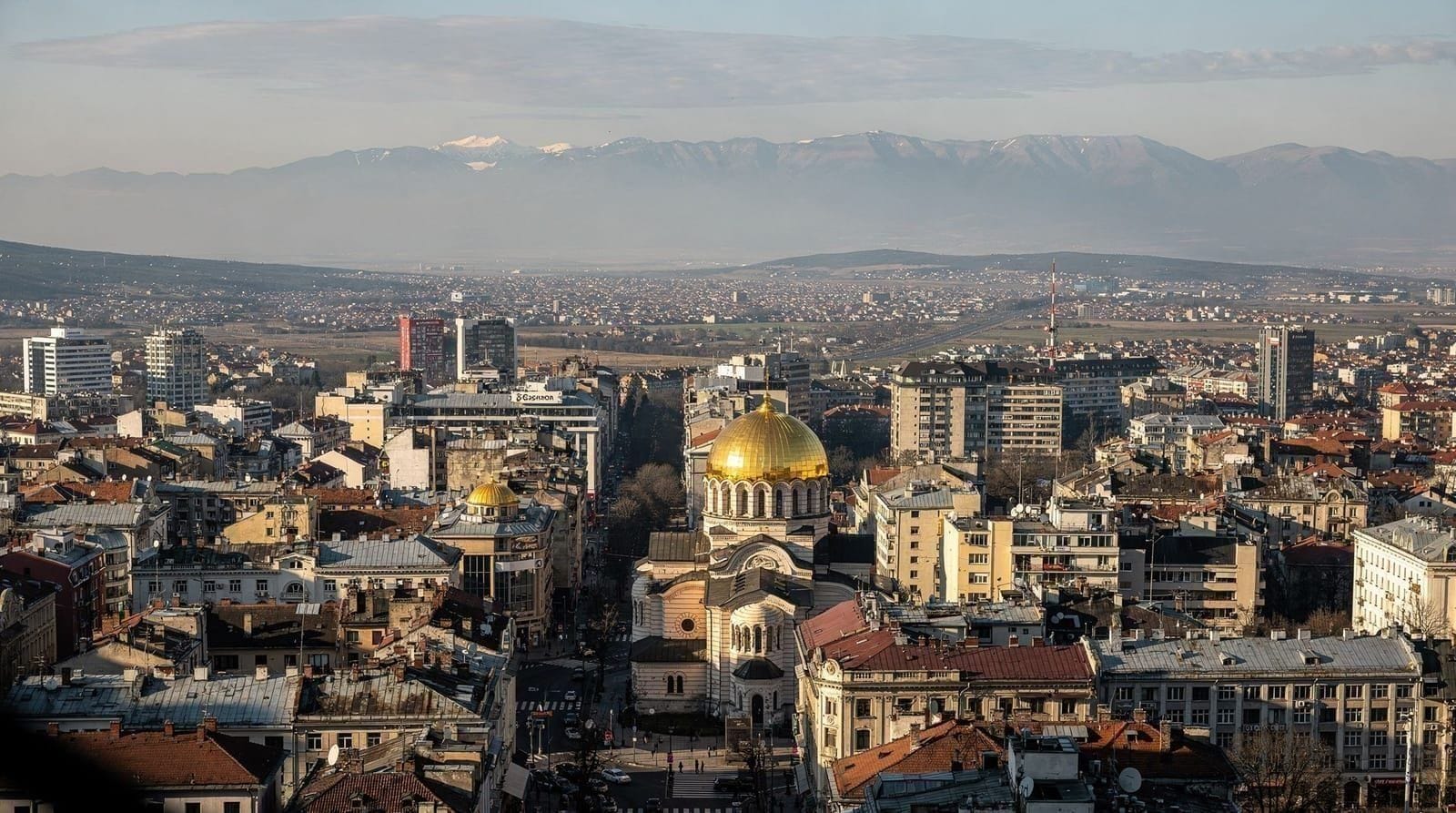
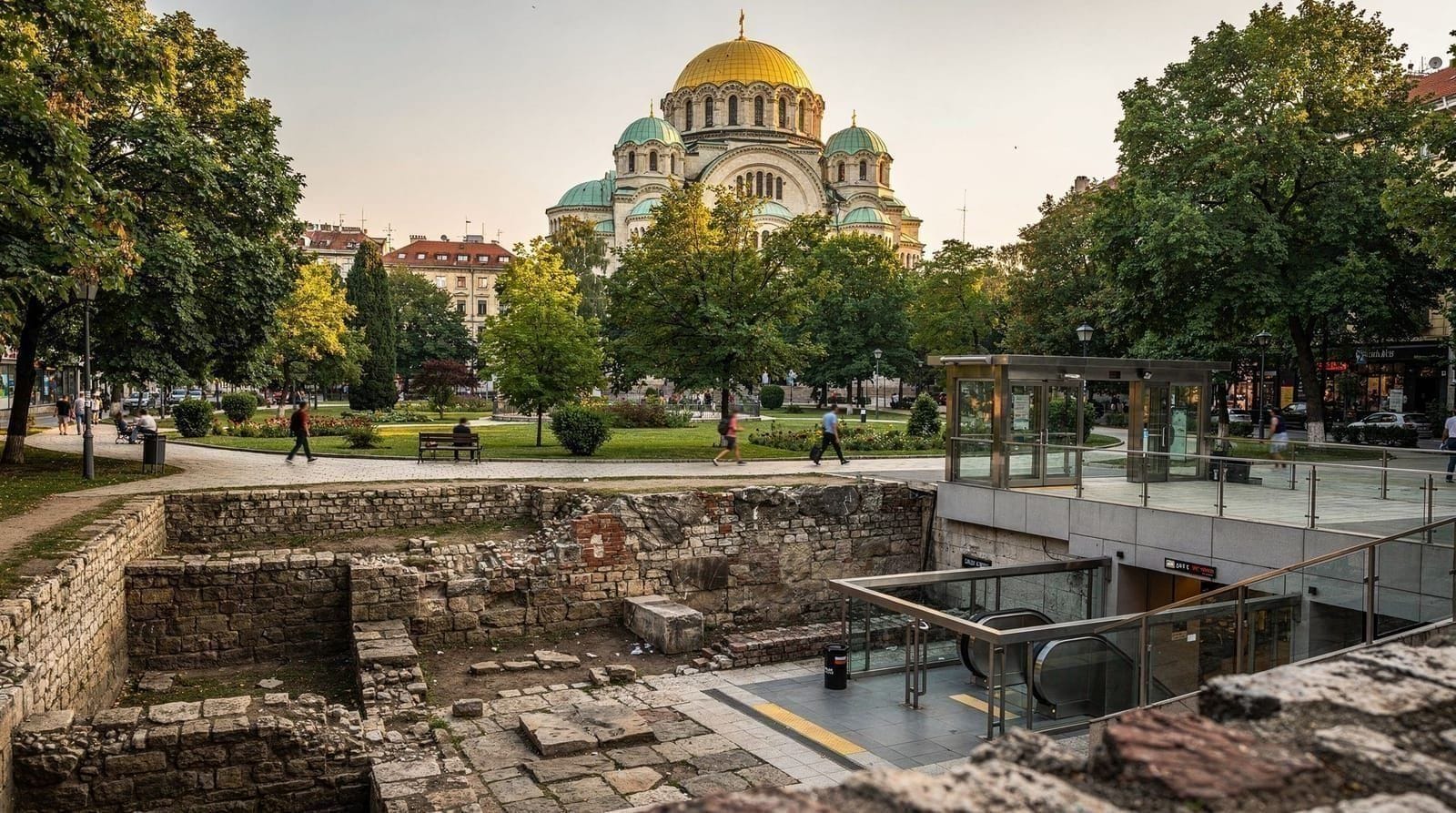
A focused day looks like this: start at Serdica metro station to see the Roman ruins through the glass panels (free, 15 minutes), walk the Largo to absorb the scale of the Soviet-era urban planning, detour into the hotel courtyard to find the Rotunda of St George (4th century, free, 15 minutes), then walk east along Tsar Osvoboditel to the Alexander Nevsky Cathedral (free nave, €3 icon crypt — this alone is worth the trip). Swing back west via Banya Bashi Mosque (16th century, still active, free) and the Sofia Synagogue (€4, Moorish Revival, remarkable history) before walking Vitosha Boulevard south to the NDK for a coffee.
That covers roughly 3.5 km and 3–4 hours of walking. The afternoon gives you time for the Alexander Nevsky icon crypt in depth, a long lunch, and either the Sofia Synagogue museum or a return to something you wanted to linger at.
What you’ll miss in one day: Boyana Church (UNESCO, 4 km south, €10 — the 13th-century frescoes are extraordinary but require a 30-minute bus or taxi each way), the National History Museum (30 minutes south by bus, €5, needs two hours), and any day trips at all. These are significant omissions if you’re interested in history.
If you are determined to see Boyana Church in a single day, leave the hotel by 9am, take a taxi directly to Boyana (15–20 minutes), spend 45–60 minutes at the church, then head back to the city centre for the walking route in the afternoon. It’s doable but slightly rushed.
One-day visitors who want structure and context benefit most from a guided city tour — a good guide covers the historical layers (Roman, Byzantine, Ottoman, communist) in a way that a first-time visitor can’t easily get from signage alone.
GetYourGuideSofia: Night Walking Tour with GuideCheck availability →What 2 days in Sofia looks like (minimum recommended)
Two days is the standard recommendation for a reason: it gives you the city centre properly on day one and room for one major day trip on day two.
Day 1 — City centre: The full historic walk (Serdica, Alexander Nevsky, Rotunda, Banya Bashi, Synagogue, Vitosha Boulevard), including the Alexander Nevsky icon crypt in the afternoon. Evening in a restaurant in the centre or Lozenets neighbourhood.
Day 2 — One day trip:
-
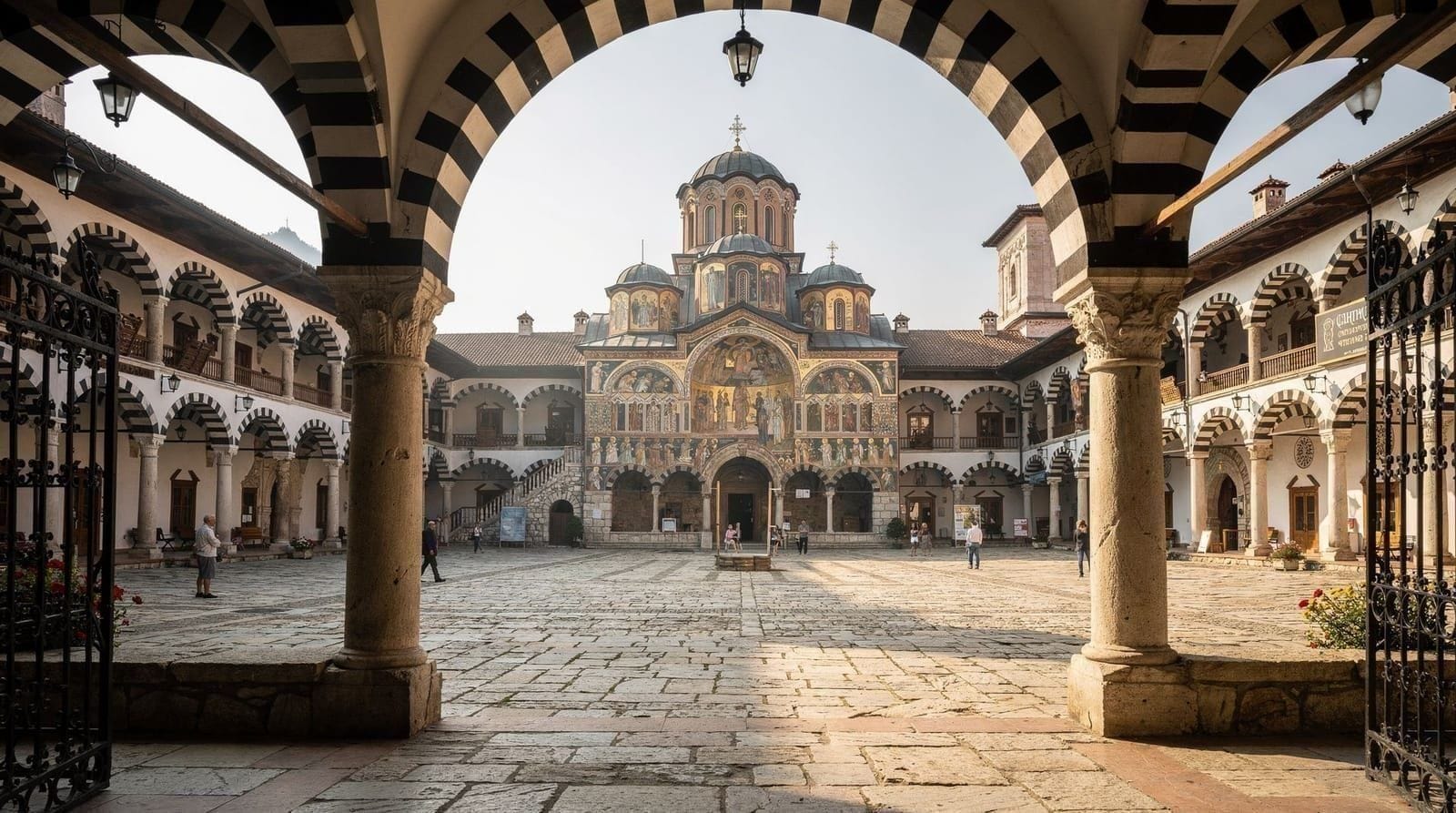
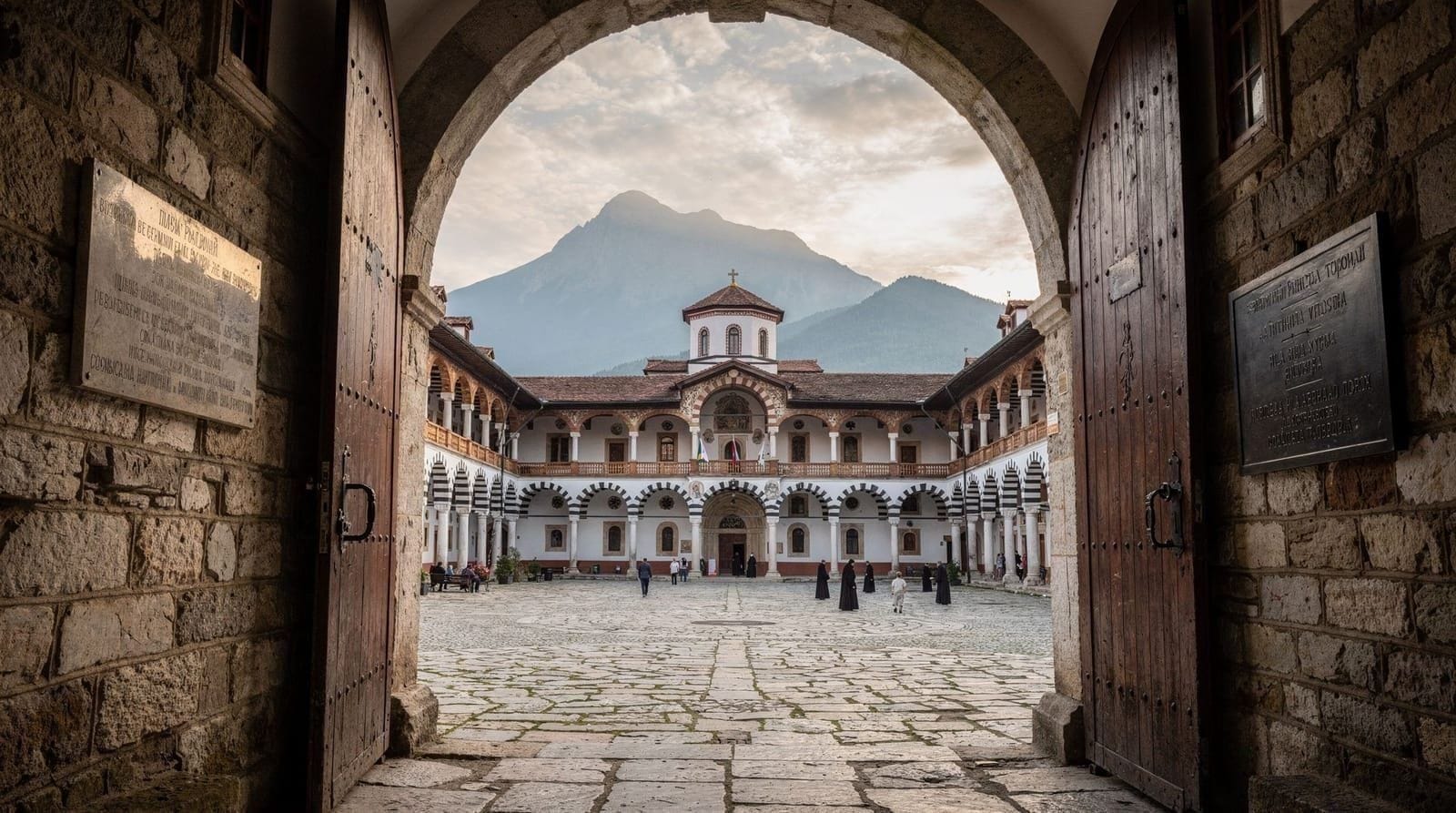
Rila Monastery (2 hours each way, 120 km southwest): Bulgaria’s most visited site outside the capital. A 10th-century monastery rebuilt in the 19th century in its current candy-stripe painted form, sitting in a forested valley below the highest peaks in the Balkans. You need a full day — there’s no point rushing Rila. The Rila Monastery day trip guide covers all the transport options. A guided tour with round-trip transfer removes the logistical complexity.
-
Plovdiv (1.5 hours by train or bus): Bulgaria’s second city and arguably the more charming of the two. The old town on the hills above the Maritsa River is full of National Revival mansions, galleries, and good restaurants. Trains run frequently; see the Plovdiv day trip guide for the schedule and what to focus on. Good for travellers more interested in urban culture than nature.
-
Seven Rila Lakes (2.5–3 hours to trailhead): A chain of glacial lakes at 2,100–2,500 metres, reached by drive and then a 1.5–2 hour hike up. More demanding than Rila Monastery as a day trip (longer journey, physical effort required), but the views are spectacular. Best from June to October when trails are clear. See the Seven Rila Lakes hike guide for difficulty and route options.
Two days leaves no time for Boyana Church and the National History Museum in the southern suburbs. If those are priorities, you need three days minimum.
What 3 days in Sofia looks like (recommended for most visitors)
Three days is where a Sofia visit reaches a comfortable balance. You have the city, one substantial day trip, and a second day trip or a more relaxed third day.
Day 1 — City centre: Full historic walk plus Alexander Nevsky icon crypt. Afternoon: Boyana Church (take a taxi south, 15 minutes) or the Sofia Synagogue museum in depth. Evening meal in the city.
Day 2 — First day trip: Rila Monastery (best option for most visitors) or Seven Rila Lakes for hikers.
Day 3 — Second day trip or local exploration: Options:
- Plovdiv — pairs well with Rila (two very different experiences, both excellent)
- Koprivshtitsa (1.5–2 hours) — small 19th-century village, April Uprising history, good for travellers with a specific interest in Bulgarian nationalism. See the Koprivshtitsa day trip guide.
- Vitosha Mountain (30 minutes from centre) — the most accessible mountain escape from Sofia, with cable car access and well-marked hiking trails. The Vitosha hiking guide covers routes and difficulty levels.
- National History Museum + Boyana Church in the southern suburbs, if skipped on Day 1.
Good three-day combinations:
- City + Rila Monastery + Plovdiv (nature and urban — good contrast)
- City + Seven Lakes + Rila Monastery (mountain-focused, physically demanding)
- City + Rila Monastery + Koprivshtitsa (history-focused)
- City + Plovdiv + Vitosha (easier pace, more walking, less driving)
The Sofia in 3 days itinerary gives a day-by-day plan for the most popular combination.
GetYourGuideSofia: Full-Day TourCheck availability →What 4–5 days in Sofia looks like
Four to five days suits hikers, history enthusiasts, slow travellers, and anyone who wants to do things at a relaxed pace rather than moving on a tight schedule.
With five days, a typical outline:
- Day 1: City centre walk and Alexander Nevsky icon crypt
- Day 2: Boyana Church (morning, by taxi) + National History Museum (afternoon, nearby)
- Day 3: Rila Monastery full day
- Day 4: Seven Rila Lakes (challenging but rewarding — full day commitment including travel)
- Day 5: Plovdiv or Vitosha Mountain, depending on energy and interests
This is a genuinely satisfying pace. You’re not rushing anything, you can linger over lunch in the old town restaurants, and you have flex for a rainy day or a slow morning.
Five days also gives space for Vitosha — the mountain that sits directly above Sofia’s southern edge. You can take the metro to Vitosha station, bus to Aleko hut at 1,800 metres, and hike from there. It doesn’t require a full day trip as such; it’s accessible enough to combine with an afternoon back in the city.
For four-day plans, see the Sofia long weekend 4-day itinerary.
What 7+ days in Sofia looks like
A week or more makes Sofia a genuine regional base rather than just a city destination. With this length of time, you can reach parts of Bulgaria that most visitors never see.
Add from the four-day base:
- Bansko (2 hours south, ~150 km): Bulgaria’s main ski resort in winter; a preserved 18th–19th-century old town in summer. Good for a night away if you want to escape the city for a day and a half. The skiing from Sofia guide covers winter specifics.
- Melnik (3 hours southwest, near the Greek border): Bulgaria’s smallest town, famous for its unique sand pyramids and local Shiroka Melnishka Loza wine. A beautiful, unusual destination that rewards travellers willing to make the long drive.
- Belogradchik (3 hours northwest): A fortress among extraordinary red rock formations — one of Bulgaria’s most dramatic and least-visited landscapes. Best combined with an overnight stay.
- Kazanlak and the Rose Valley (2.5 hours east): The centre of Bulgaria’s rose oil industry. The rose harvest runs from late May to early June; if your dates align, this is a genuine once-in-a-decade experience for most travellers.
- Veliko Tarnovo (2.5–3 hours east): Bulgaria’s medieval capital, with a spectacular hilltop fortress above a river gorge. One of the most dramatic settings in the Balkans, completely feasible as a day trip with early departure, better as an overnight.
A seven-day loop could run: Sofia (2 nights) → Plovdiv (1 night) → Kazanlak/Rose Valley (1 night) → Veliko Tarnovo (1 night) → return to Sofia. Or: Sofia (3 nights, day trips to Rila and Seven Lakes) → Bansko (1 night) → Melnik (1 night) → back to Sofia.
See the Bulgaria highlights 7-day itinerary for a structured route.
Factors that change the calculation
You’re a hiker: Add days. Seven Rila Lakes, the Rila Mountains, and Vitosha all reward those who want to go beyond the easy day-trip loop. Five days minimum; a week if you want to do multiple mountain days without cramming.
You’re here for skiing: The calculation shifts to December–March, and the relevant question is whether you’re basing yourself in Sofia or going directly to Bansko or Borovets. Sofia works well as a one- or two-night starting or ending point, with the ski resort as the main base. The skiing from Sofia guide covers this in detail.
You have children: Sofia with kids works best at 2–3 days. The historic centre is walkable and interesting for older children; Vitosha is an excellent half-day escape. Boyana Church requires patience from kids (small, darkened interior). The National History Museum has broad enough coverage to hold most ages. See the Sofia with kids guide for specifics.
You want nightlife: Sofia has a solid bar and club scene, particularly in the streets south of Vitosha Boulevard and around Rakovsky Street. The scene runs late — midnight to 4am — and is cheap by European standards. If nightlife is a priority, build in at least one late night, which usually means a gentler sightseeing day to follow. Three to four days works well for this pattern.
It’s your first time in Bulgaria: Three days is the sweet spot. You get the city, one big day trip, and enough time for the history to settle. You’ll leave with a clearer picture of the country than if you’d rushed through in 48 hours.
You’re in transit (Istanbul–Sofia–Belgrade or Sofia–Plovdiv–Thessaloniki): One to two days is entirely appropriate. One full day for the city centre walk is satisfying. A second day for Plovdiv (on a Sofia–Thessaloniki route) makes the journey more interesting without adding significant complexity. See the Sofia airport to city guide for smooth transfers in both directions.
You’re comparing Sofia to other Balkan capitals on a longer trip: If Sofia is one stop among several — Belgrade, Skopje, Bucharest — most travellers allocate it two to three days and move on, which is broadly the right call: Sofia rewards attention but does not need a week to feel complete the way a slower single-city trip might. See Sofia versus other Balkan capitals for how it stacks up if you are dividing a fixed number of days across the region.
Practical note on day trip timing
The practical ceiling on day trips per day is one. Rila Monastery, Seven Rila Lakes, and Plovdiv each take most of the day when you account for travel time. Two day trips in a single day means shallow visits to both and exhaustion by evening.
The exception is combining two geographically close sights: Boyana Church and the National History Museum are 10 minutes apart by taxi in the southern suburbs and can be combined naturally in a half-day. Similarly, Rila Monastery and the village of Bansko are in the same general direction from Sofia, so an overnight at Bansko can follow a Rila day without backtracking.
For transport planning between day trips, see getting around Sofia and the day trips from Sofia guide.
GetYourGuideSofia Full-Day Sightseeing Tour with TransportCheck availability → GetYourGuideSofia Full Day TourCheck availability →Trip length comparison at a glance
| Length | City coverage | Day trips possible | Best for |
|---|---|---|---|
| 1 day | City centre only, no Boyana | None | Transit stops, tight layovers |
| 2 days | City centre + icon crypt | 1 (Rila Monastery or Plovdiv) | First-timers on a short break |
| 3 days | City centre + Boyana or synagogue | 2 | Most first-time visitors |
| 4–5 days | Full city + southern suburbs | 3–4 | Hikers, history enthusiasts, slower pace |
| 7+ days | Full city + regional circuit | 5+ (with overnights) | Treating Sofia as a base, not just a stop |
What a Sofia trip costs by length
Budget varies less by trip length than you might expect, since the biggest daily costs — accommodation and food — stay roughly constant per night, and day trips add a fixed cost each rather than scaling. As a rough guide for a mid-range traveller (private room, sit-down meals, one paid activity per day): a single day in the city centre, including a guided walking tour, runs approximately 120–160 BGN (around €60–80) once you count a hotel night either side.
Two to three days with one guided day trip to Rila Monastery or Plovdiv typically comes to 500–750 BGN (around €250–380) all-in. A five-day trip with two guided excursions and a more relaxed pace lands around 900–1300 BGN (around €450–650). These figures hedge toward mid-range choices — budget travellers using hostels and public buses instead of tours can come in noticeably lower, and anyone adding Rila Mountains hiking with a hut stay should budget separately for that.
Direct recommendation
If you have one day: Focus entirely on the city centre. Serdica ruins, Alexander Nevsky (including the icon crypt), Banya Bashi Mosque, Sofia Synagogue, Vitosha Boulevard. Don’t attempt day trips.
If you have two days: City centre on day one. Rila Monastery on day two — it’s the single most worthwhile excursion from Sofia. Alternatively, Plovdiv if you prefer cities to monasteries.
If you have three days: This is the right amount. City, Rila Monastery, and either Plovdiv or Seven Rila Lakes depending on your interests.
If you have four to five days: City at a relaxed pace, Boyana Church and National History Museum on a separate half-day, Rila Monastery, Seven Rila Lakes, and a choice of Plovdiv or Vitosha.
If you have a week: Build a regional circuit and treat Sofia as the hub rather than the destination.
The Sofia itinerary planning guide works through these options with day-by-day details. For pre-built plans, Sofia in 2 days and Sofia in 3 days are the most commonly used starting points.
Frequently asked questions about How many days in Sofia? An honest guide to trip length
Is 2 days enough in Sofia?
Yes, two days is enough to see the city centre properly and complete one good day trip — to Rila Monastery or Plovdiv. You won't feel rushed if you focus. Two days is the recommended minimum for most first-time visitors.What can I see in Sofia in 1 day?
In one day you can cover the city centre walk: Serdica Roman ruins at the metro, Alexander Nevsky Cathedral, Banya Bashi Mosque, Sofia Synagogue, Vitosha Boulevard, and the Rotunda of St George. Boyana Church is a stretch but possible if you leave early and take a taxi south. No day trips are realistic in a single day.Is 3 days in Sofia too many?
Not at all. Three days is arguably the sweet spot for a first visit: one day for the city, two days for day trips. The city itself has enough museums, neighbourhoods, and restaurants to fill three days without feeling padded, especially if you add Boyana Church and the National History Museum.What is the minimum time in Sofia worth visiting for?
Even a single full day gives you a meaningful experience — the historic centre is compact and rich. A half-day in transit is too short to feel anything but rushed. If you have a full day and a clear focus, it is worth it.Should I combine Sofia with Plovdiv?
Yes, this is one of the best combinations in Bulgaria. Plovdiv is 1.5 hours from Sofia by train and is Bulgaria's most atmospheric city. If you have 3–4 days, a day trip to Plovdiv is strongly recommended. With 5+ days, an overnight in Plovdiv makes even more sense.How long does a first-time visitor need in Sofia?
Three days is the sweet spot for first-timers: the city centre on day one, one major day trip on day two (Rila Monastery or Plovdiv), and either a second day trip or a relaxed exploration of Boyana Church and Vitosha on day three.Can you see Sofia in a day?
You can see the highlights of the city centre in a single day. Alexander Nevsky, Serdica ruins, Vitosha Boulevard, and the main churches are walkable within a few hours. You'll miss the day trips and the deeper neighbourhood experience, but a focused one-day visit is genuinely rewarding.Does trip length change much between summer and winter in Sofia?
Not for the city centre itself, but it changes what fills your extra days. In winter, Seven Rila Lakes and hiking routes in the Rila Mountains are largely inaccessible, so a 4–5 day trip shifts toward Boyana Church, museums, and possibly skiing at Bansko or Borovets instead. In summer, all the day trips are open, which is why 4–5 days works especially well between June and September.
Top experiences
Bookable activities with verified prices and instant confirmation on GetYourGuide.