How to plan a Sofia trip: booking strategy, day-by-day patterns, and logistics
Sofia Full-Day Sightseeing Tour with Transport
How much planning does a Sofia trip need in advance?
Not much for most things. The key exceptions: Rila Monastery tours fill on weekends May–September (book 3–7 days ahead), Boyana Church requires advance timed-entry booking, and popular restaurants book out on Friday and Saturday nights. Everything else — walking tours, museums, day trips to Plovdiv — can be done walk-in.
| Where | Sofia city centre, with Rila Monastery, Plovdiv, and Vitosha as day trips |
| Cost | City transport €0.80/ride; day tours roughly €35–70 per person |
| Time needed | 2 days for the city core; 4–7 days to add day trips comfortably |
| Getting there | Metro from the airport in 18 minutes; buses or tours for day trips |
| Best time | Book Rila Monastery and Boyana Church a few days ahead in peak summer |
Planning a Sofia trip is not complicated, but a few decisions made early will save you a lot of friction on the ground. This guide covers the practical framework: how the city’s geography shapes your days, what to book ahead and what you can leave flexible, day-by-day patterns for different trip lengths, and how Sofia fits into a wider Bulgaria itinerary.
Understanding Sofia’s geography
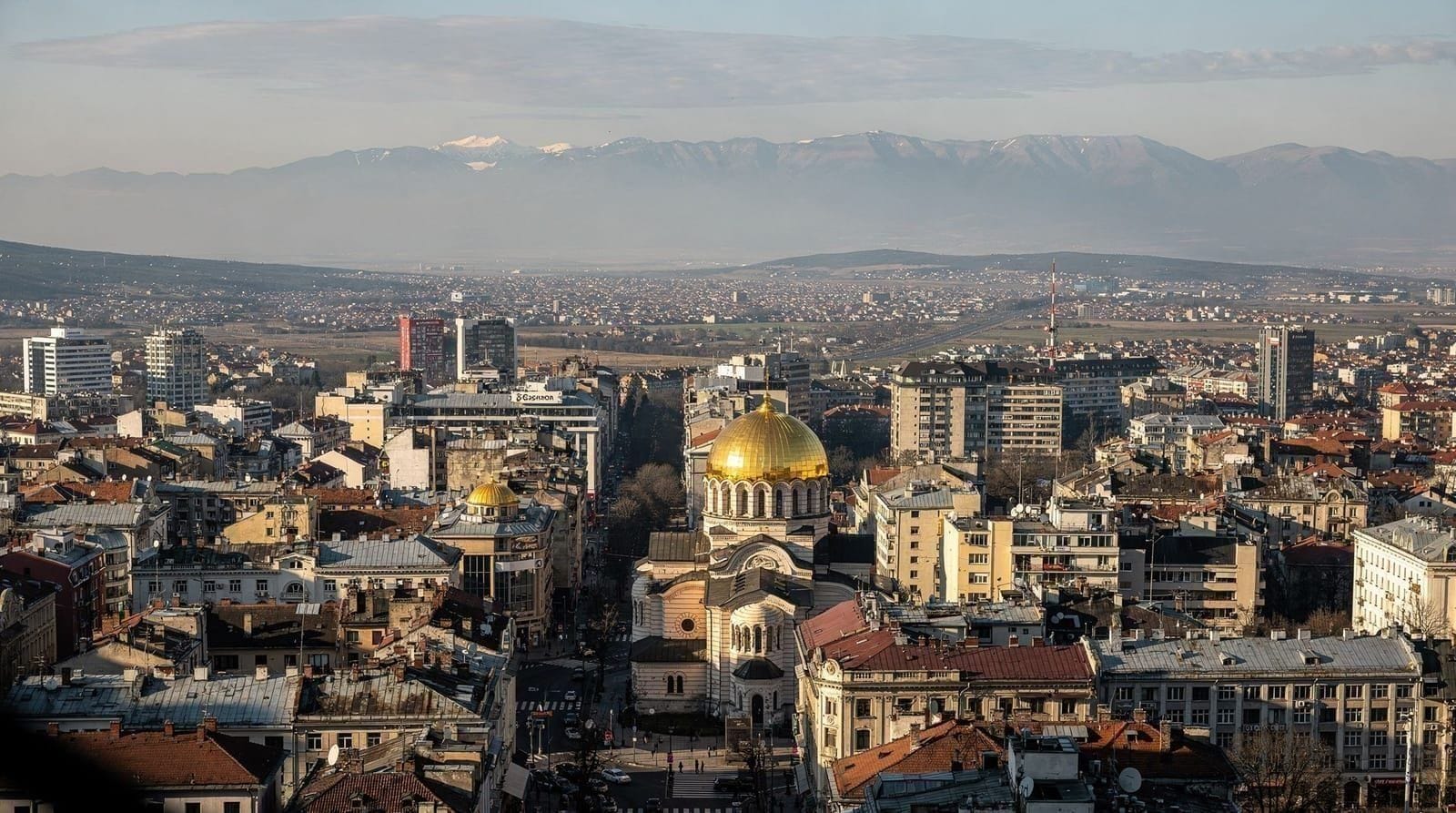
Sofia sits in a wide basin ringed by mountains. That geography matters for planning because it determines how long things take and what transport you need.
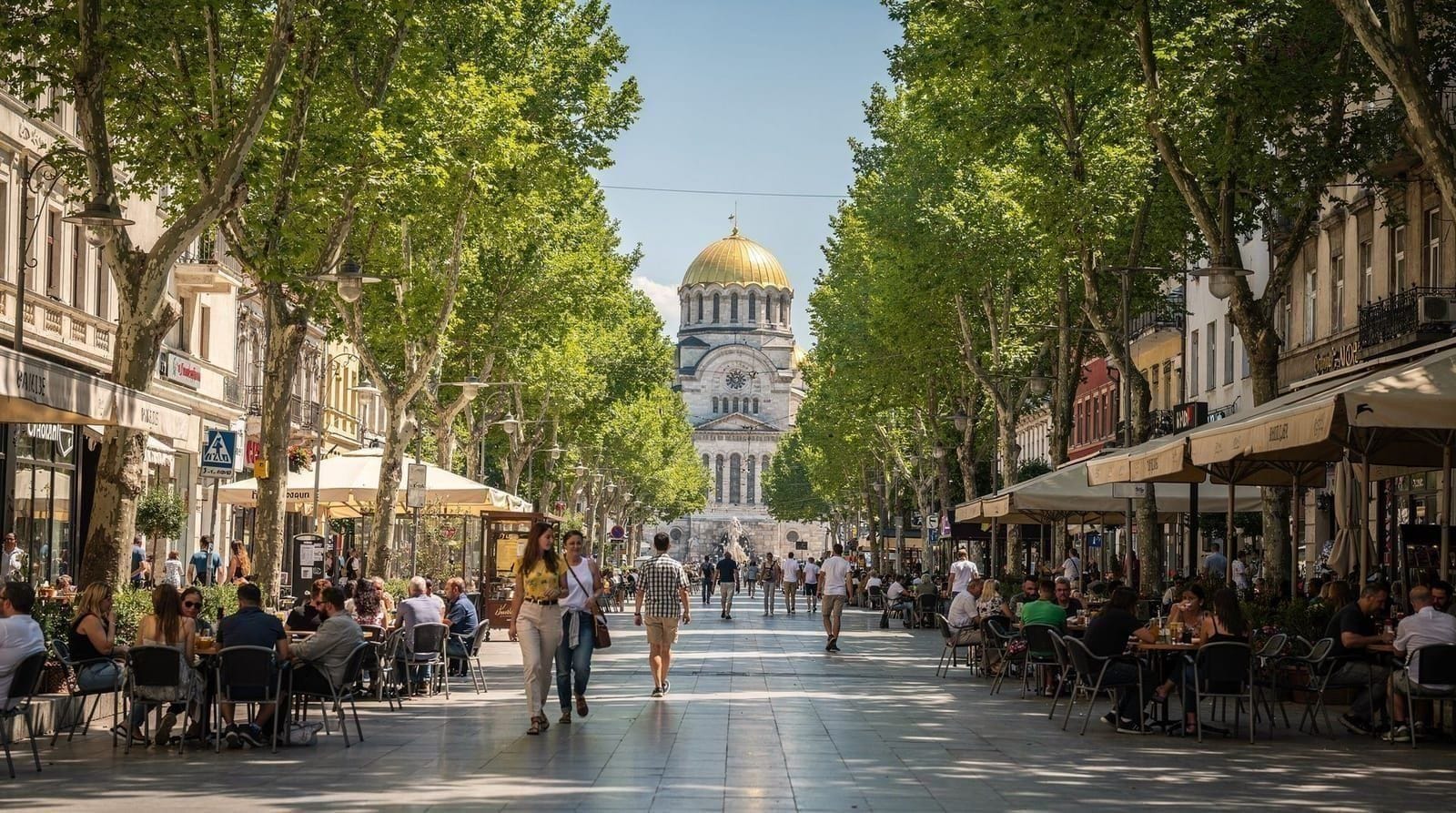
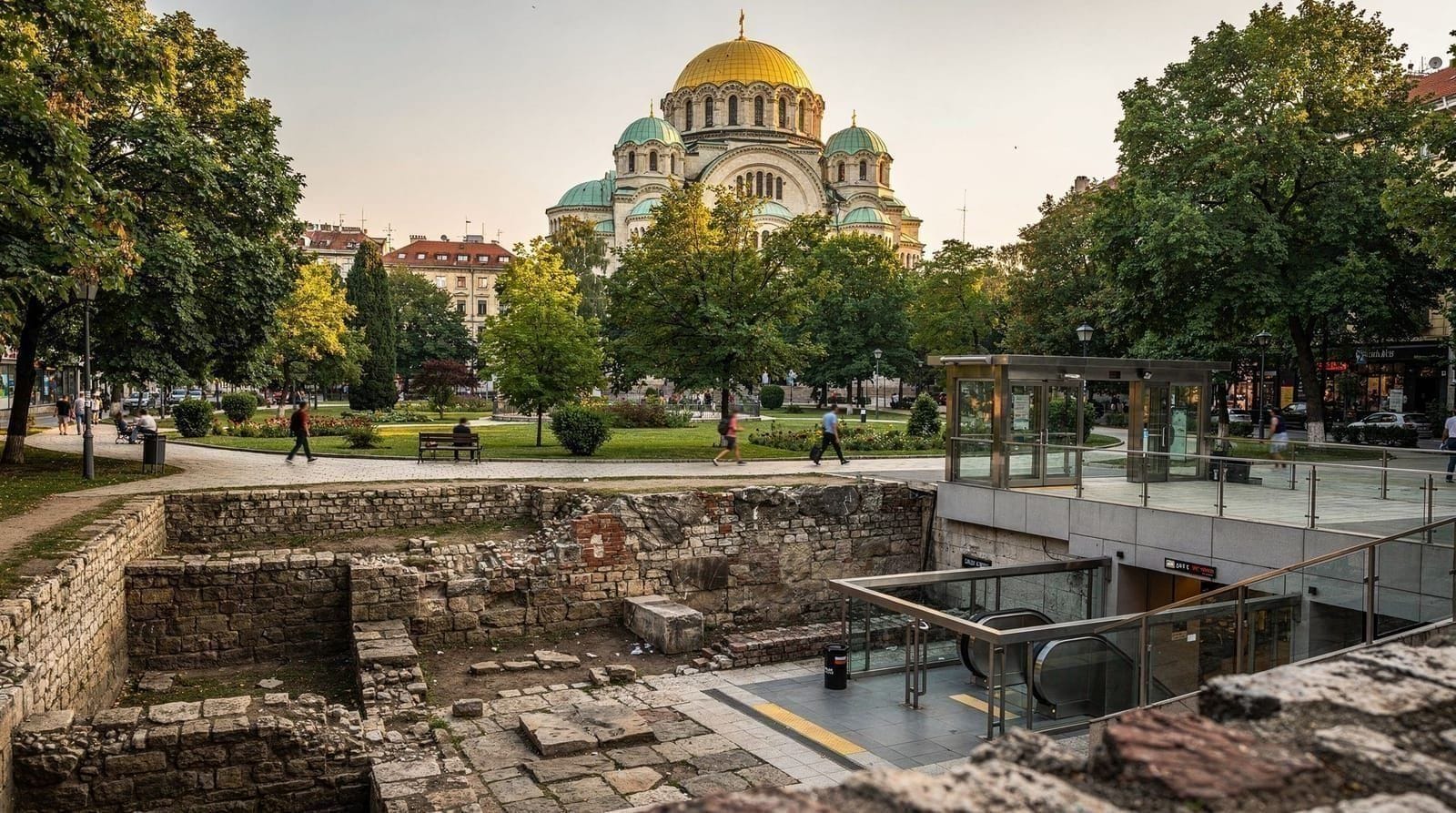
The city centre is flat and compact. The main tourist sites — Alexander Nevsky Cathedral, the Roman Largo, Vitosha Boulevard, Banya Bashi Mosque, the Synagogue — cluster within a 2 km radius of Serdica metro station. You can walk between all of them in an afternoon without getting tired. The pedestrian zone on Vitosha Blvd runs north–south through the heart of this area.
Vitosha Mountain rises directly south of the city. The trailheads at Dragalevtsi are about 30 minutes from the centre by bus (routes 64 or 93). The mountain is Sofia’s back garden — visible at the end of Vitosha Blvd on clear days — and a serious hiking destination with trails up to 2,290m at Cherni Vrah peak. See the Vitosha hiking guide for route details.
Sofia Airport is 10 km north of the centre. The M4 metro line runs directly between the airport and the city (Serdika interchange) in about 30 minutes for €0.80. There is no need for a taxi unless you have heavy luggage or are arriving late at night.
Day-trip destinations require separate transport planning:
- Rila Monastery — 120 km south, 2 hours by car, no viable direct public transport
- Seven Rila Lakes — 90 km south, followed by a gondola lift from Panichishte
- Plovdiv — 150 km east, 1.5–2 hours by bus or car, good public bus connections
- Koprivshtitsa — 110 km east, accessible by train or car
- Vitosha Mountain — 30 minutes south, bus from centre
The practical implication: plan your day trips around transport availability and avoid assuming that “nearby on the map” means “quick to reach.”
Booking strategy: tours vs self-drive vs public transport
The right approach depends on what you’re doing and your experience level.
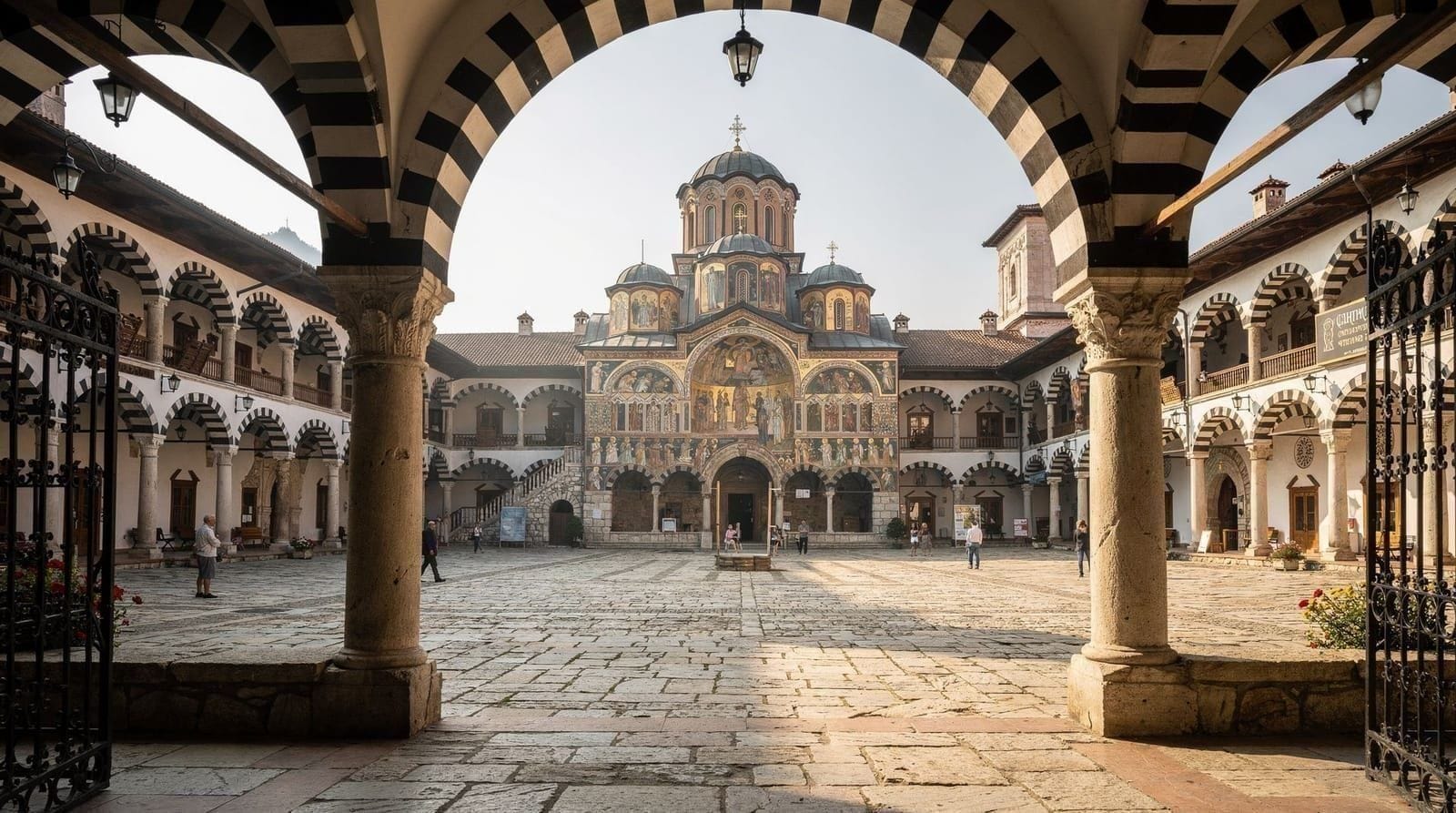
Organised tours make most sense for Rila Monastery and the Seven Lakes. Both destinations have poor or non-existent direct public transport from Sofia, the routes involve narrow mountain roads that unfamiliar drivers sometimes find stressful, and a guide adds genuine value — particularly at Rila, where the frescoes and monastery history benefit from explanation. Tours depart early (around 8am) and return around 7pm. They’re also often cheaper than self-driving once you factor in car rental, fuel, and parking.
GetYourGuideFrom Sofia: The Seven Rila Lakes & Rila Monastery Day TourCheck availability →Self-drive becomes worthwhile if you want to combine several stops, travel at your own pace, or reach places that tours don’t cover — Koprivshtitsa in depth, a Melnik wine detour, or a loop through multiple villages. Car rental runs €30–50/day from the airport (Hertz, Sixt, Europcar all present). A motorway vignette costs €15 for 7 days and is required on A-road stretches.
Public transport covers the city perfectly and Plovdiv adequately. The metro (€0.80/ride, daily card €4) handles all the central tourist sites. Buses serve Vitosha trailheads and the National History Museum. Plovdiv is well served by buses from Serdika/Ovcha Kupel terminal (€8–12 return, around every hour). For more detail, see getting around Sofia.
What to book in advance
Most of Sofia is flexible. These are the genuine exceptions:
Rila Monastery tours (May–September weekends): Book 3–7 days ahead. Weekend slots, especially in July and August, fill by Tuesday or Wednesday of the same week. Weekdays in shoulder season are more forgiving — 24–48 hours is usually enough.
Boyana Church: This UNESCO site operates a timed-entry system. Visitor numbers per slot are strictly limited. Book a few days ahead, especially on weekends. Entry is €10. The church is 4 km south of the centre (bus or short taxi). It opens at 9:30am — arriving early in your slot avoids overlap with other groups.
Popular restaurants, weekend evenings: The best mehanas (Bulgarian taverns) and the well-reviewed spots in the Lozenets and Oborishte neighbourhoods fill for Friday and Saturday dinner. Book by Thursday if you have a specific place in mind.
Free walking tour: No booking required. Show up at 11am or 6pm at the National Theatre on Tsar Osvoboditel Blvd, look for the guide with the coloured umbrella. Donations suggested.
National History Museum, Alexander Nevsky Cathedral, Sofia synagogue: All walk-in. No advance booking needed.
Day-by-day patterns
2-day pattern
Day 1 — City core: Start at Serdica metro and walk the Sofia old town route: Roman Largo (9–9:30am), Rotunda of St George (15 min), Presidency and changing of the guard (on the hour), Alexander Nevsky Cathedral including the icon crypt (€3, allow 45 min). Lunch near Alexander Nevsky Square. Afternoon: Banya Bashi Mosque, Sofia Synagogue (€4), then south along Vitosha Blvd to NDK. Coffee on Vitosha Blvd, dinner in a central mehana.
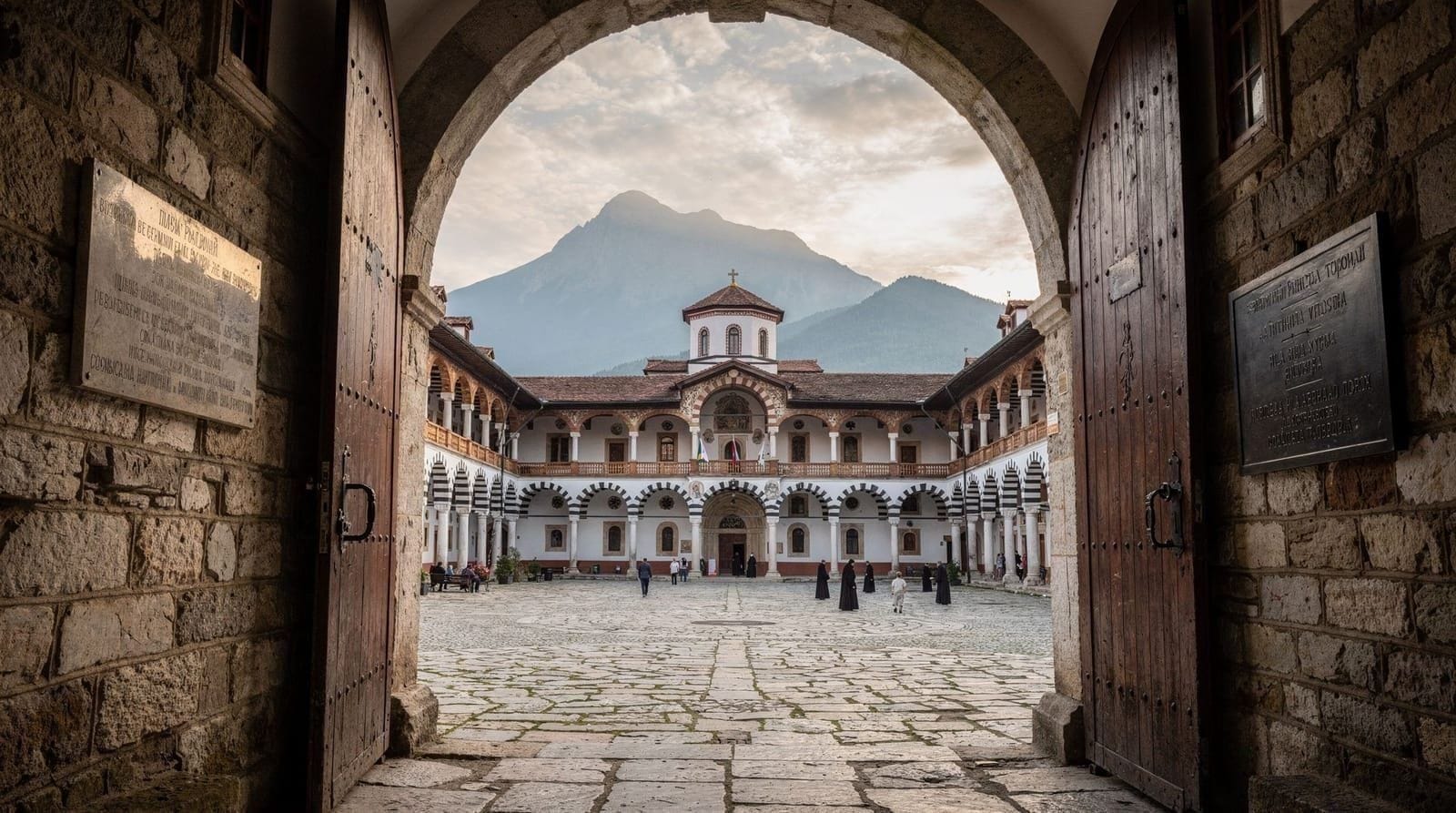
Day 2 — Rila Monastery day trip: Depart 8am on an organised tour. The drive south takes about 2 hours. At the monastery: courtyard, main church, Hrelyo Tower, the surrounding area (allow 2.5–3 hours minimum). Return to Sofia around 7pm. If you have energy, evening walk around Sofia’s centre.
For a tighter itinerary, see Sofia in 2 days.
3-day pattern
Days 1 and 2 as above, then:
Day 3 — Plovdiv or Seven Lakes (your choice):
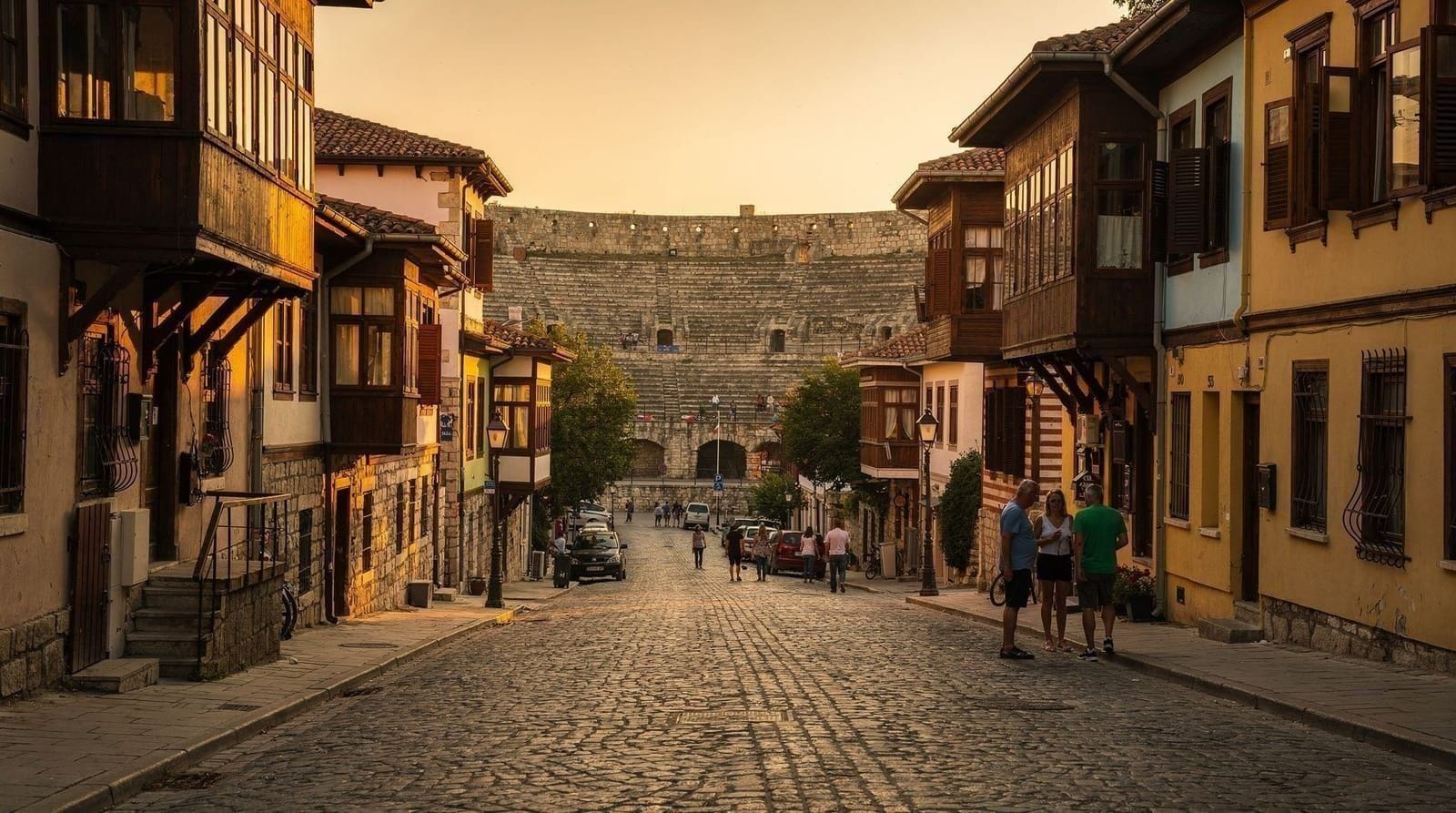
- Plovdiv: Bus from Serdika/Ovcha Kupel terminal (around 1.5–2h). Walk the Plovdiv old town — cobblestone streets, National Revival houses, Roman amphitheatre. Return bus in early evening. Total cost: €12–15 transport + lunch.
- Seven Lakes: Organised tour or car to Panichishte, gondola up (€10–12 return), 4–5 hours hiking the lake circuit. Best May–October; avoid in bad weather.
See Sofia in 3 days for a worked-out version with timings.
4-day pattern
Days 1–3 as above (city + Rila + Plovdiv), then:
Day 4 — Vitosha Mountain + Boyana Church: Bus 64 or 93 from centre to Dragalevtsi (30 min). Hike up to the stone river (Zlatni Mostove) or all the way to Cherni Vrah if fit (4–5 hours return). Descend and take a taxi to Boyana Church (€10, timed entry — book ahead). Return to centre by bus or taxi. This day works best in dry weather; check the forecast.
The Sofia long weekend 4-day itinerary has a fully structured version.
7-day pattern
Days 1–2 — Sofia city, deep version: City walk on Day 1 as above. Day 2: Boyana Church morning (€10), National History Museum afternoon (€5, bus 111 from Vitosha Blvd, allow 2–2.5 hours at the museum), evening in the Lozenets or Oborishte neighbourhood for dinner.
Day 3 — Rila Monastery: As above.
Day 4 — Seven Rila Lakes: Organised tour or car. Gondola from Panichishte, lake circuit hike (4–5 hours at altitude, bring layers). See Seven Lakes day trip guide.
Day 5 — Plovdiv: Bus, full day in the old town. The Plovdiv day trip guide covers the walk, what to eat, and the Roman amphitheatre.
Day 6 — Koprivshtitsa: 110 km east of Sofia, one of Bulgaria’s best-preserved 19th-century village complexes. Six house-museums covering the April Uprising. Day trip by car or organised tour. See the Koprivshtitsa day trip guide.
Day 7 — Vitosha Mountain + rest: Hike to Zlatni Mostove or Aleko hut, or take the chairlift in season. Afternoon at leisure in the city. Evening: dinner and the Vitosha Blvd area.
GetYourGuideSofia Full-Day Sightseeing Tour with TransportCheck availability → GetYourGuideDay Tour from Sofia to Skopje, North MacedoniaCheck availability →Combining Sofia with wider Bulgaria
Sofia works well as a base for a wider Bulgaria loop, or as the start/end of a longer trip.
South loop (best for first-timers): Sofia → Rila Monastery → Melnik (small wine town, Rozhen Monastery) → Plovdiv → back to Sofia or continue to Greece via Kulata border. This loop covers Bulgaria’s greatest hits in 5–6 days, mostly driving south. See the Bulgaria highlights 7-day itinerary.
North/east route: Sofia → Koprivshtitsa → Kazanlak/Rose Valley (roses bloom late May/early June) → Veliko Tarnovo (medieval capital, dramatically positioned above the Yantra river) → back by bus or continue to the Black Sea coast. This route works well by car or by a combination of buses and trains.
Ski circuit: Sofia → Bansko (2.5h south) or Borovets (1.5h south) for skiing, then return to Sofia. Both resorts are day-trip distance but staying overnight gives a full ski day. See skiing from Sofia.
For cross-border connections: Sofia to Thessaloniki (Greece) is 3–4 hours by road or bus; Sofia to Belgrade (Serbia) is 3.5–4 hours. Both are realistic if you’re on a Balkans circuit.
Packing by season
Spring (April–May) and autumn (September–October): The most comfortable season for city walking. Pack a light jacket for evenings, a waterproof layer for afternoon showers, and comfortable walking shoes. If you’re doing mountain day trips, add a fleece — temperature drops significantly above 1,500m even in May.
Summer (June–August): Light clothes for the city, but always pack a fleece and waterproof if hiking Vitosha or going to the Seven Lakes. The altitude is serious — it can be 15°C and rainy at Cherni Vrah when it’s 30°C in the city. Modest dress (covered shoulders and knees) is required for churches and the mosque; a light scarf does the job.
Winter (November–March): Warm coat, hat, and gloves for the city — Sofia winters can be cold and grey. Sofia in winter covers the city in the cold months: Christmas markets, ski day trips, lower hotel prices.
Year-round: Comfortable walking shoes with grip. The centre is flat but some cathedral and synagogue entrances have worn stone steps. For Orthodox churches, remember: no shorts, bare shoulders covered. The Synagogue provides kippot (head coverings) for men at the entrance.
Apps and tools
Navigation: Google Maps has good Sofia coverage including metro lines. Download an offline map before arriving in case of connectivity issues. Maps.me is useful for Vitosha hiking trails (mark the Zlatni Mostove trailhead before you leave wifi).
Transport: The metro doesn’t have a dedicated app — tickets are bought at station machines (card accepted). For taxis, use Bolt or Uber rather than street hails. The local TAXIme app aggregates Sofia taxi firms. For day-trip buses, check schedules at the terminal on arrival or via Google Maps routing.
Language: Google Translate’s camera function handles Cyrillic menus and signs well. Most central restaurants have English menus; museums have English labels at the major sites.
For all transport logistics, see getting around Sofia. For the airport specifically, see Sofia airport to city.
GetYourGuideSofia: Night Walking Tour with GuideCheck availability →Trip length at a glance
| Trip length | What fits | What to skip |
|---|---|---|
| 2 days | City core + Rila Monastery | Everything else — don’t try to squeeze in Plovdiv too |
| 3 days | Add Plovdiv or Seven Rila Lakes | Koprivshtitsa and Vitosha in depth |
| 4 days | Add Vitosha Mountain + Boyana Church | Multi-day mountain excursions |
| 7 days | City in depth, Rila, Seven Lakes, Plovdiv, Koprivshtitsa, Vitosha | Nothing — this is the comfortable full set |
Common planning mistakes to avoid
The most frequent error is treating Rila Monastery and the Seven Rila Lakes as a single day-trip option — they are two different destinations that happen to be in the same general direction, and combining them properly requires either a very long day or splitting them across two separate trips. Another common mistake is underestimating Plovdiv: visitors often plan it as a half-day add-on, when the old town, Roman amphitheatre, and Kapana creative district genuinely reward a full day. Overpacking the itinerary with day trips while skimping on time in central Sofia itself is a third pattern worth avoiding — the city has enough restaurants, museums, and neighbourhood character to fill two unhurried days on its own, before you factor in any day trips at all.
Frequently asked questions about How to plan a Sofia trip
When should I book Rila Monastery tours?
Book 3–7 days ahead if you're going on a weekend between May and September. Weekday tours in shoulder season (April or October) are usually available with 24–48 hours notice. In winter, availability is generally fine with same-week booking.Can I visit Sofia without a car?
Yes, entirely. The city centre is walkable and the metro covers the main tourist sites. Day trips to Plovdiv are straightforward by bus. For Rila Monastery and the Seven Lakes, an organised tour is the easiest option if you don't want to drive — both destinations have awkward public transport connections.What's the best day of the week to visit Rila Monastery?
Tuesday to Thursday. Weekends bring large tour groups and significantly more crowding around the monastery courtyard. If your schedule is fixed to a weekend, aim to arrive early — before 10am — to get ahead of the main groups.How far apart are the main sights in Sofia?
The historic centre is compact. Serdica metro station to Alexander Nevsky Cathedral is about 1.5 km (15–20 minutes on foot). NDK to Serdica is roughly 20 minutes walking. Boyana Church is 4 km south of the centre by taxi or bus. The National History Museum is 30 minutes by bus 111 from Vitosha Blvd.Do I need a guide in Sofia?
Not strictly. The free walking tour (daily 11am and 6pm from the National Theatre) gives solid orientation for the historic centre. A guided tour adds depth on specific topics — Roman history, communist-era architecture, or food culture — and is worth it for Rila Monastery, where context matters a great deal.Is Sofia worth more than two days?
Yes, if you plan to do day trips. The city itself can be covered thoroughly in two days, but adding Rila Monastery, Plovdiv, or a Vitosha hike each requires a full day. Three to four days is the sweet spot for most visitors who want both the city and one or two day trips.Should I combine Rila Monastery and the Seven Rila Lakes in one day?
It's possible but makes for a long, rushed day of 12–13 hours total. Most planners are better served splitting them across two separate day trips, especially if travelling by public transport rather than car, where the logistics are considerably tighter.What's the biggest planning mistake first-time visitors make?
Overpacking the itinerary with day trips while underestimating how much central Sofia itself has to offer. The city rewards two unhurried days on its own — museums, neighbourhood restaurants, and the compact historic centre — before you add Rila Monastery, Plovdiv, or Vitosha into the mix.
Top experiences
Bookable activities with verified prices and instant confirmation on GetYourGuide.