Sofia street food guide: what to eat, where to find it, what it costs
Sofia does not have a prominent street food culture in the Southeast Asian sense — you will not find long rows of open-air stalls. What it does have is a network of small bakeries, fast-food counters, market vendors, and neighborhood kiosks that together form a practical, cheap, and genuinely tasty alternative to restaurants. If you eat the way locals eat, you can fill yourself for €5-8 a day without any sacrifice in quality.
This guide covers the main foods, where to find them, what they cost, and where tourists consistently waste money on worse versions.
| Where | Zhenski Pazar market, neighborhood bakeries, skara stands near tram stops |
| Cost | Around €5-8/day for street food and market lunches |
| Time needed | No planning required — grab-and-go, best done across a full day |
| Getting there | Zhenski Pazar is a 5-minute walk from Serdika metro station |
| Best time | Morning for banitsa and mekitsi; before mid-afternoon for market stalls |
Banitsa — the one thing you must eat
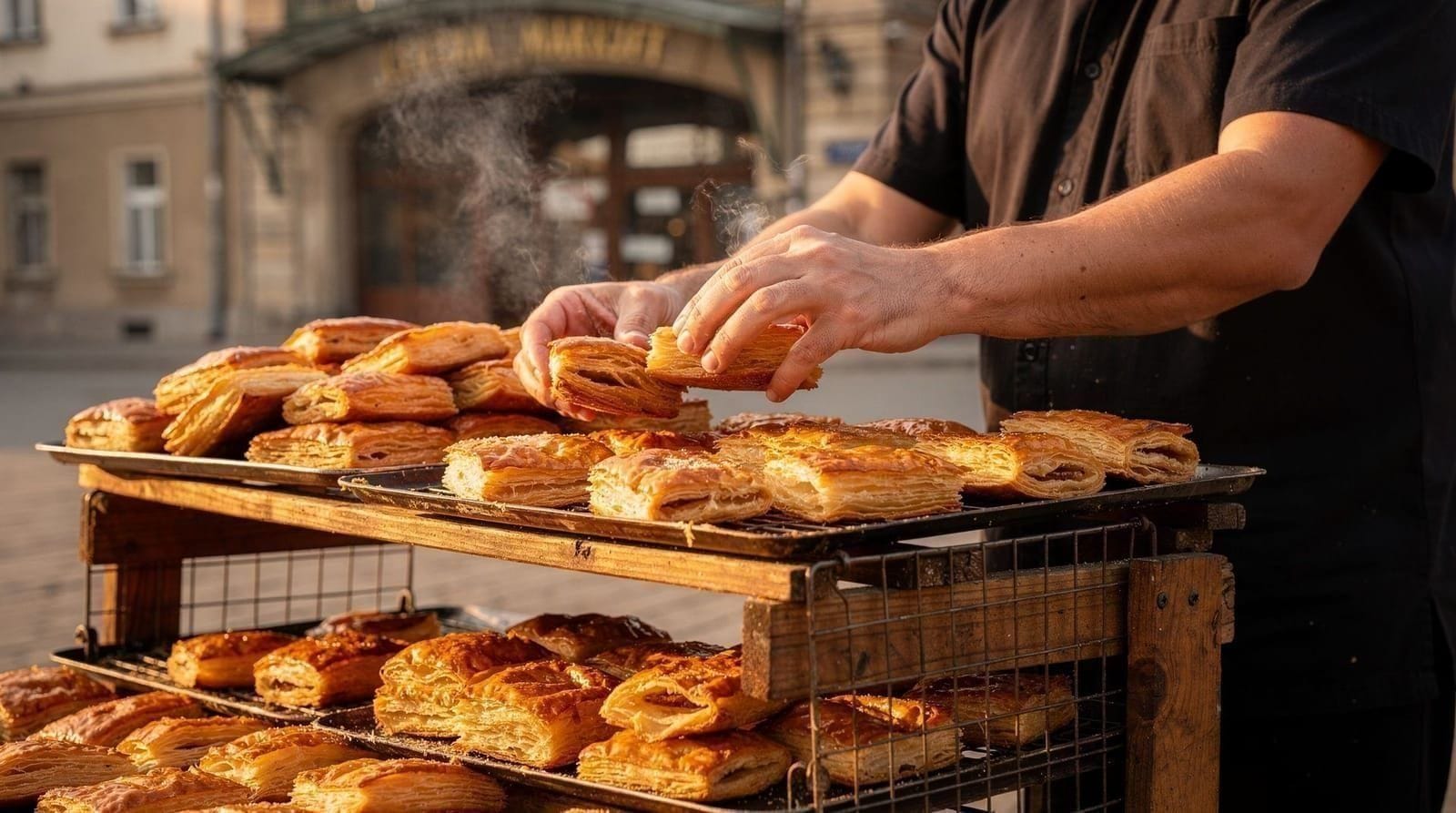
Banitsa is a layered filo pastry, typically filled with sirene (Bulgarian white cheese similar to feta) and egg. Spinach is the second most common filling. Versions with pumpkin appear in autumn, and some bakeries offer sweet fillings with honey, but the cheese version is the standard.
Price: €0.50-0.80 for a single portion from a street kiosk or neighborhood bakery. Tourist-oriented “traditional” restaurants on Vitosha Boulevard may charge €3-5 for what is essentially the same item with a table cloth and a story.
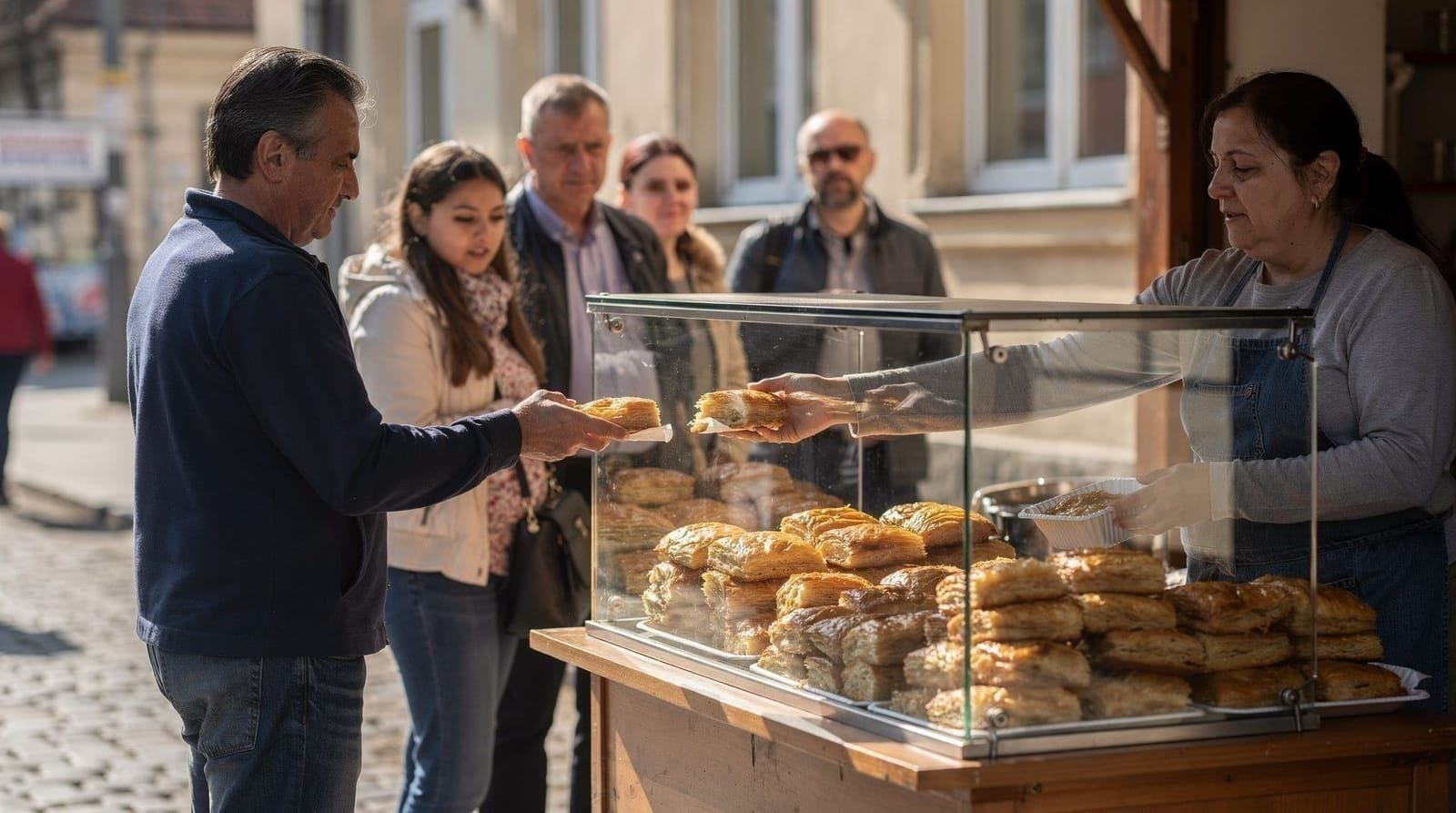
The best banitsa comes from kiosks and bakeries that sell it fresh throughout the morning. Look for places with a line of locals — Bulgarians buy it on the way to work and eat it standing up. It is a breakfast food primarily, though you will find it throughout the day.
One honest note: banitsa sitting in a glass case for two hours at room temperature is not worth eating. If the pastry looks dry or deflated, move on.
Good places to find it: any neighborhood bakery (фурна — furna) in residential areas such as Lozenets, Oborishte, or around the residential blocks north of Serdika station. The Zhenski Pazar area has multiple options. Avoid bakeries with English-language signs prominently advertising “traditional Bulgarian pastry” — the markup rarely comes with improvement in quality.
If you want to understand banitsa rather than just eat it, a hands-on pastry class is a genuinely useful add-on — you learn the filo-folding technique and take home the recipe, which no amount of kiosk-eating teaches you.
Sofia banitsa-making pastry classMekitsi — fried dough, the other breakfast
Mekitsi are rounds of fried yeasted dough, served hot with powdered sugar, jam, or sirene cheese. They are Sofia’s closest equivalent to a doughnut and are a morning staple rather than a dessert.
Price: approximately €0.50 each, sometimes slightly more at market stalls.
You will find mekitsi at Zhenski Pazar market and at some of the older-style zakuska (snack) counters scattered through residential neighborhoods. They are less ubiquitous than banitsa — not every bakery makes them — but when you find fresh ones, they are worth stopping for.
Zhenski Pazar — the main street food market
Zhenski Pazar, meaning Women’s Market, is a covered market located near Serdika metro station. It is the largest and most varied daily market in central Sofia and the best single location for eating the way Sofia residents actually eat.
The market sells fresh produce, dairy, dried goods, and prepared food. You will find vendors selling banitsa, grilled meats, tarator (cold yogurt and cucumber soup), shopska salad, and seasonal vegetables. Prices are lower here than almost anywhere else in the city center.
What to buy and eat at Zhenski Pazar: fresh sirene cheese (ask for a taste before buying — quality varies), lyutenitsa (a roasted tomato and pepper spread sold in jars or by weight from deli counters), dried herbs, pickled vegetables, and mekitsi from the bakery stalls inside the covered section.
Arrive in the morning for the best selection. By mid-afternoon, prepared food stalls start running low. The market operates daily, though Sunday is quieter. You can reach it easily from Serdika metro station, which is also where some of Sofia’s Roman ruins are visible below the station’s glass floor.
Kebapche — grilled minced meat at fast food stands
Kebapche is a grilled sausage made from minced pork and beef, seasoned with cumin, and cooked over charcoal or a flat grill. It is not a Turkish kebab — the name is similar but the product is distinctly Bulgarian. Served in a bread roll (sometimes called a kifte roll locally) or on a plate with lyutenitsa and fries.
Price: €1-1.50 at a fast food counter; €3-5 if you sit down at a mehana (traditional restaurant) and order it as a dish.
Street-level grilled meat stands (skara stands) are common near bus and tram stops, around Zhenski Pazar, and in working-class neighborhoods. They are less visible in the polished streets immediately around Vitosha Boulevard. If you see smoke and a charcoal grill at a small counter without a formal dining room, that is the type of place to try.
Skara is the general term for grilled meats in Bulgarian — it covers kebapche, kyufte (flat minced meat patties), and various pork cuts. A full skara plate at a mehana-style restaurant costs €5-10 depending on how much you order.
Mish-mash — the breakfast standard
Mish-mash is scrambled eggs cooked with roasted peppers, tomatoes, and sirene cheese. It appears on menus at traditional breakfast spots and some cafés but is technically a prepared dish rather than pure street food. You will find it at mehana restaurants as a breakfast item and at some market eateries.
It is mentioned here because it is so common in Sofia and because visitors regularly enjoy it without knowing it has a name. If you see it on a menu alongside other Bulgarian breakfast items, it costs €3-5 at a sit-down spot.
Boza — the fermented grain drink
Boza is a mildly fermented drink made from wheat or millet. It is thick, slightly sweet, very slightly sour, and has a low alcohol content. Bulgarians and many Balkan countries drink it, and it has been commercially produced in Sofia since the 19th century.
Price: approximately €0.50 for a cup.
It is an acquired taste. The texture is closer to a thin porridge than a conventional drink. Some people enjoy it immediately; others find it challenging. It is worth trying once — the Boza Factory near the Banya Bashi Mosque area has been in operation for well over a century and remains the most well-known place to buy it fresh.
Lyutenitsa — the spread worth knowing
Lyutenitsa is a roasted tomato, pepper, and eggplant spread. It is not strictly street food but is so fundamental to Bulgarian eating that it belongs in any honest food guide. You will encounter it as an accompaniment to grilled meats, spread on bread, or in jars at market stalls and grocery stores.
Good lyutenitsa from a deli counter or a local market is noticeably better than the jarred supermarket variety. Zhenski Pazar has vendors who sell homemade versions by weight — €2-4 for a small container is typical. As a souvenir food item, it travels well in a sealed jar and is a genuinely useful thing to bring home.
For more context on Bulgarian food traditions, the Bulgarian dishes to try guide covers the broader cuisine beyond street food, and the Sofia food guide includes restaurant recommendations.
Pairing street food with rakia — and when to skip it
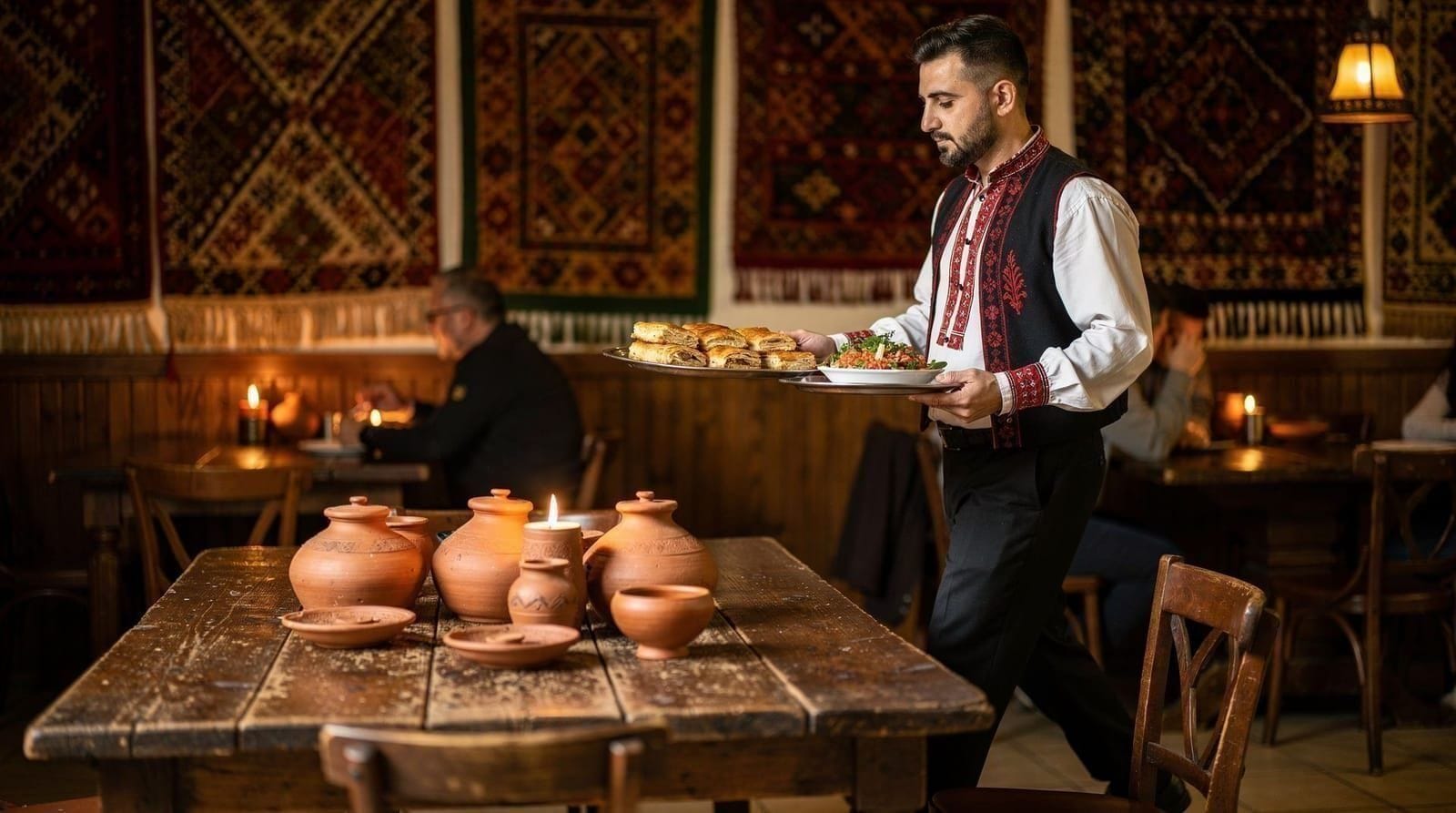
Rakia, the Balkan grape or plum brandy, is not street food itself, but it turns up constantly alongside it — a shot offered with a skara plate, a welcome pour at a mehana, or a tasting stall at Zhenski Pazar. A standard pour is 50ml at 40-50% ABV, which is significantly stronger than it looks in the small glass it is served in. Grilled meats and lyutenitsa are the traditional pairing; sirene cheese is the other common match.
If you are eating street food standing up mid-afternoon, skip the rakia — it is a sit-down, end-of-meal habit rather than something locals drink with a kebapche in hand. For a structured introduction with context on how it is made and what distinguishes plum (slivova) from grape (grozdova) rakia, and how homemade versions from a village relative differ sharply in strength and quality from bottled supermarket rakia, a tasting session is a reasonable way to get past guessing at unlabeled bottles.
Sofia premium rakia tastingEating street food on a day trip
If you are combining Sofia with day trips to Plovdiv or elsewhere, the same street-food logic applies regionally: bakeries and market stalls outside the capital tend to be even cheaper, and banitsa quality varies by region rather than declining. The day trips from Sofia guide covers transport logistics, but on the food side, do not assume you need to eat before leaving the city — most day-trip destinations have their own bakery culture worth sampling on arrival.
What to avoid on Vitosha Boulevard
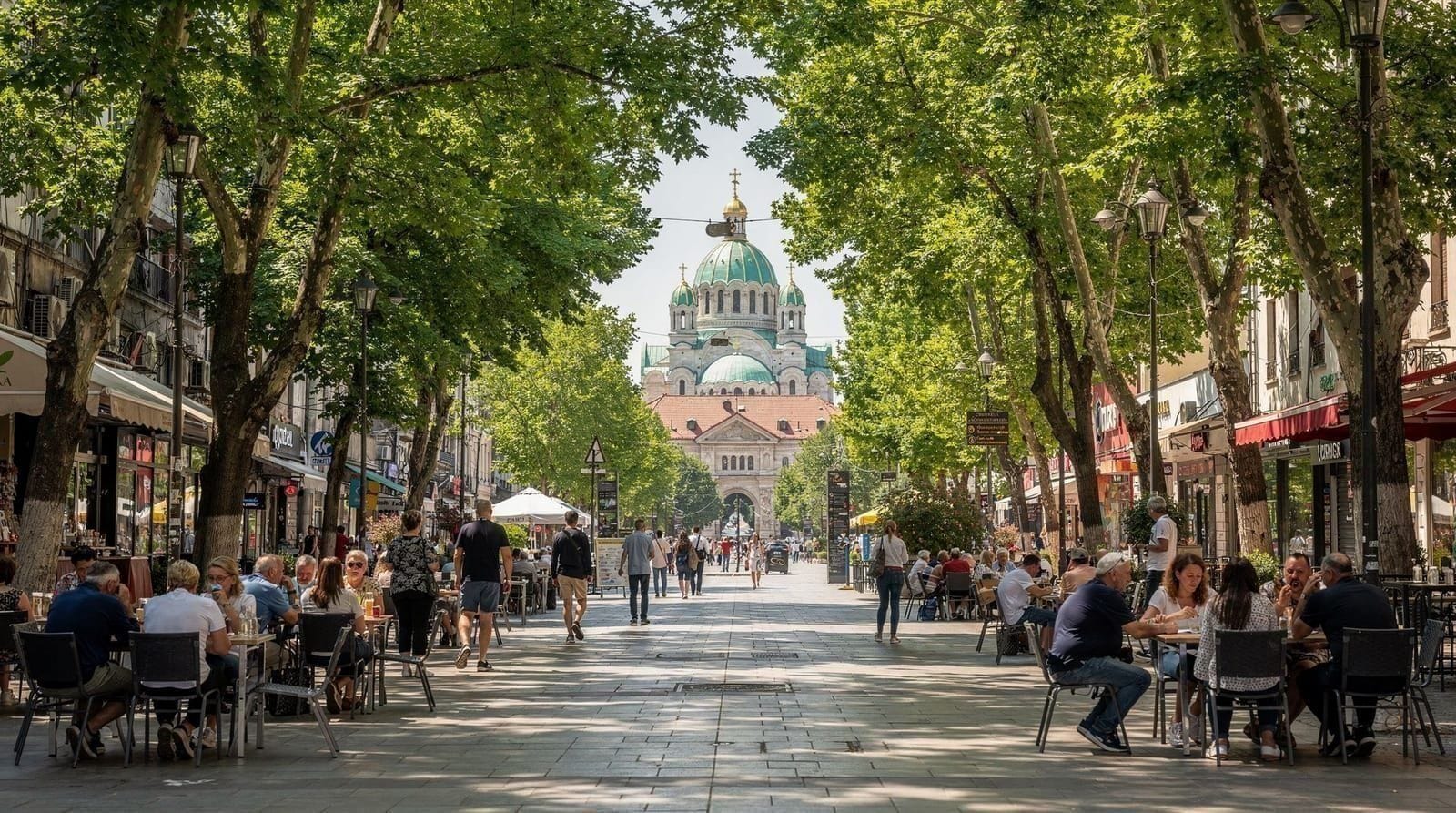
Vitosha Boulevard is Sofia’s main pedestrian shopping street and the location of several cafés and restaurants that market themselves to tourists as “traditional Bulgarian” experiences. The food is not necessarily bad, but the prices are significantly higher than what you would pay two streets away.
A banitsa set with tea at a Vitosha Boulevard tourist café can run €8-12. The same banitsa from a nearby kiosk is €0.60. If you want to sit and have coffee alongside it, walk one or two blocks off the main strip. The Sofia on a budget guide has more detail on this pattern across different spending categories.
Joining a guided food tour
If you want a structured introduction to Sofia’s food scene — including market stops, tastings, and local context from a guide who can explain what you are eating and why — a walking food tour is a practical option. These typically last 2-3 hours and include 6-10 tastings.
Sofia food and cultural walking tourThis covers the kinds of foods described in this guide, often including Zhenski Pazar and neighborhood bakeries, with a guide to contextualize what you are eating. It is a reasonable way to get oriented on your first or second day before exploring independently.
Fitting street food into your days
Street food works best as a rhythm rather than a destination. Start with banitsa or mekitsi in the morning, keep lunch light and local at the market, and save a proper sit-down meal for the evening. This also leaves room for the sights: a morning snack pairs naturally with the Sofia old town walk, and a market lunch fits easily between the Alexander Nevsky Cathedral and the museums in the center.
If coffee is part of your routine, the Sofia coffee culture guide and the best cafés in Sofia cover where to sit down after a pastry. For an evening after the street snacks, the Sofia nightlife guide suggests where to go next, and the banitsa and street food guide goes deeper on the pastry side.
Travelers on their own can also read solo female travel in Sofia for practical comfort tips on eating out alone, and the Sofia scams to avoid page for the tourist-trap patterns that sometimes show up around food and drink.
Budget summary
Eating on street food in Sofia is genuinely cheap by European standards:
- Banitsa from a kiosk: €0.50-0.80
- Mekitsi from a market stall: €0.50
- Kebapche in a roll: €1-1.50
- Boza: €0.50
- Market lunch (kebapche, bread, vegetable): €3-4
- Full day eating from street food and kiosks: €5-8
A 3-night break in Sofia combining street food with one or two proper restaurant meals and city sightseeing can easily come in under €30/day total food spending. For the bigger picture on stretching a Sofia budget, see the 48 hours in Sofia itinerary and the Sofia 2-day itinerary.
Frequently asked questions about Sofia street food
Is street food in Sofia safe to eat?
Yes. Bulgaria has EU-standard food safety regulations that apply to market vendors and food stalls. The main practical concern is freshness — buy from places with visible turnover (a line or active customers) rather than stalls where food has been sitting. Grilled meats should be hot off the grill, not pre-cooked and reheated.
Where is the best place to find banitsa in Sofia?
Neighborhood bakeries (furni) are the best source — specifically those in residential areas rather than tourist corridors. Zhenski Pazar has reliable options and is central enough to visit. The key indicator is freshness: banitsa should feel warm and slightly flaky, not cold and compressed.
Can I eat well in Sofia as a vegetarian on street food?
Mostly yes. Banitsa with cheese or spinach is vegetarian. Mekitsi are vegetarian. Zhenski Pazar has abundant fresh produce, dairy, and vegetable-based dishes like shopska salad and tarator. The challenge is that many Bulgarian dishes traditionally use lard in the pastry, so banitsa is not always strictly vegan — vegetarian travelers generally have an easier time than vegans.
What is the difference between kebapche and kyufte?
Both are grilled minced meat. Kebapche is elongated (sausage-shaped), while kyufte is round and flat (patty-shaped). Both are made from a mix of pork and beef seasoned with cumin and black pepper. They appear on the same menus, cost roughly the same, and are interchangeable in terms of how they are eaten.
Is boza alcoholic?
Barely. Commercial boza sold in Sofia typically has 0.5-1% alcohol by volume — similar to kombucha or kefir drinks. It is safe to give to children and is not considered an alcoholic drink in Bulgarian food culture. The fermentation is very mild.
What is Zhenski Pazar and how do I get there?
Zhenski Pazar (Women’s Market) is a large covered market near Serdika metro station in central Sofia. Take Metro Line 1 or Line 2 to Serdika and walk north for about 5 minutes. The market is open daily from early morning, with the best selection before noon.
Are there any foods I should avoid if I am not used to Bulgarian cuisine?
Boza is the one item people most often find challenging on first encounter — its thick, fermented texture is unusual if you have not grown up with it. Otherwise Bulgarian street food is accessible: grilled meats, cheese pastries, and vegetable-based dishes are familiar categories. Rakia (grape brandy) is not food, but it is offered freely in some contexts and is significantly stronger than it looks — a standard pour is 50ml at 40-50% ABV.