Best cafes in Sofia: where locals actually drink coffee
Bulgaria has been drinking coffee seriously for a long time. The Ottoman period introduced coffee houses — kahvehanes — as social institutions to the Balkans in the 16th and 17th centuries, and the culture of sitting with a small, strong cup and talking for hours never really left. The communist period interrupted some of this (the state café networks were functional rather than pleasant), but since the early 1990s, Sofia has rebuilt and then significantly evolved its café culture into something that is now genuinely interesting to navigate.
This guide covers what to order, where to go by neighborhood, what things cost, and how to read the difference between a café that exists for tourists and one that exists because people need coffee.
| Where | Oborishte (neighborhood cafes), Lozenets (specialty) |
| Cost | around €1.50-2.50 espresso; €3-6 specialty drinks |
| Time needed | any single visit is 20-40 min; a proper crawl is a half day |
| Getting there | walkable from center; metro to Lozenets/Oborishte edges |
| Best time | terraces open May-September; year-round indoors |
The Ottoman foundation and what it left behind
The kahvehane tradition that the Ottomans brought to Bulgaria in the 16th century was a place for conversation, chess, storytelling, and information exchange as much as for coffee. The coffee itself was what is now called Turkish coffee — finely ground, unfiltered, prepared in a small long-handled pot called a cezve, served in a small cup with the grounds settled at the bottom.
This tradition persists. In Sofia, Turkish coffee is called tursko kafe and is available at almost every café, particularly those that have been operating for more than a decade. It costs €1-1.50 and is typically served with a small glass of water. The grounds settle during the few minutes after serving; you drink carefully and leave the last sip. If you have never had it, the taste is stronger and earthier than espresso — not better or worse, different.
The sofia-coffee-culture guide covers the full history from Ottoman period through communist era to the present. The Sofia food guide places café culture within the broader context of how Sofia eats and drinks.
What Bulgarians actually order
Understanding the menu at a Sofia café requires a small vocabulary.
Espresso is simply “espreso” and is the standard short black. A double is “doppio.” This is what most Sofia office workers drink: standing at the bar or sitting for 15 minutes with a cigarette, then leaving. Price range: €1.50-2.50 at a standard café, up to €3-4 at a specialty roaster.
Kafe s mlyako is the local equivalent of a café au lait — espresso with steamed or hot milk. It is not a latte in the Italian sense; the ratio leans toward coffee. This is the default morning drink for people who want something longer than an espresso but do not want the sweetness of a cappuccino. Price: €2-3.
Frappe is enormous in summer. This is the iced blended coffee drink that Greece made famous in the 1950s and that spread throughout the Balkans: instant coffee blended with water and ice until foamy, served with milk on the side if requested. It is made with Nescafé, not with espresso, and Bulgarians are not apologetic about this. On a 33°C July afternoon in Sofia, a frappe from a kiosk for €1.50 is exactly correct. Do not order one and then complain it is not third-wave specialty coffee.
Cappuccino exists everywhere and is roughly what you expect. Flat whites are common in specialty cafes. Filter coffee (drip or pour-over) appears specifically at specialty roasters — it is not a standard item at a traditional Bulgarian café.
Neighborhoods by café concentration
Oborishte
Oborishte is the neighborhood immediately east of the main center — roughly between Eagle Bridge and the Russian Church. It is residential and commercial in a functional rather than designed way: apartment buildings from various eras, embassies, law offices, small shops, and a density of cafes that serves the people who live and work here.
The cafes in Oborishte tend to have better coffee than those on the tourist strip. Prices are lower. Terraces on side streets fill up on weekday mornings with office workers and on weekend mornings with people who are not in a hurry. This is a good neighborhood to walk through looking for the café that looks right rather than following a specific address — the category is consistent enough that you are unlikely to pick badly.
For context on the neighborhood and what else it has to offer, the sofia-old-town-walk guide passes through the edges of Oborishte.
Lozenets
Lozenets is south of the center, between the NDK and Vitosha. It is a quieter, more affluent residential neighborhood with wide tree-lined streets and a higher concentration of independent cafes than most parts of the city. The specialty coffee scene is particularly concentrated here: a handful of small roasters and single-origin-focused cafes that would fit in Vienna or Berlin without any adjustment.
Prices in Lozenets specialty cafes are slightly higher than elsewhere — espresso at €2.50-3.50, specialty drinks at €4-6 — but still modest by western European standards. Since Bulgaria joined the eurozone in January 2026, prices have stabilized in euros across the city.
The Sofia on a budget guide notes that Lozenets is one of the pricier neighborhoods for cafes, but the gap from the center is not large.
Studentski Grad
Studentski Grad (Student City) is the university district on the southeastern edge of Sofia, built primarily in the 1960s to house the expanding university population. It has the café culture you would expect from a student neighborhood: open late, cheap, tolerant of people sitting for three hours over one drink, and concentrated around the streets between the university faculties and the student dormitories.
The coffee is functional rather than excellent at most Studentski Grad spots. The frappe culture is dominant. But if you want to see Sofia under 25 and without tourist overlay, spending an afternoon here gives you a different picture of the city than the center does.
The city center: what to avoid and what to seek
The main pedestrian strip of Vitosha Boulevard has cafes, but they are overwhelmingly oriented toward capturing foot traffic rather than serving good coffee to regulars. Prices are higher, quality is lower, and the outdoor seating is designed to be visible rather than comfortable. The chains — Lavazza, Costa, a few local chains — are here.
This is not a strict rule: there are individual cafes on Vitosha Boulevard that are fine. But the density of tourist-trap options is high enough that walking one or two streets to the side consistently produces better results.
The specialty coffee scene
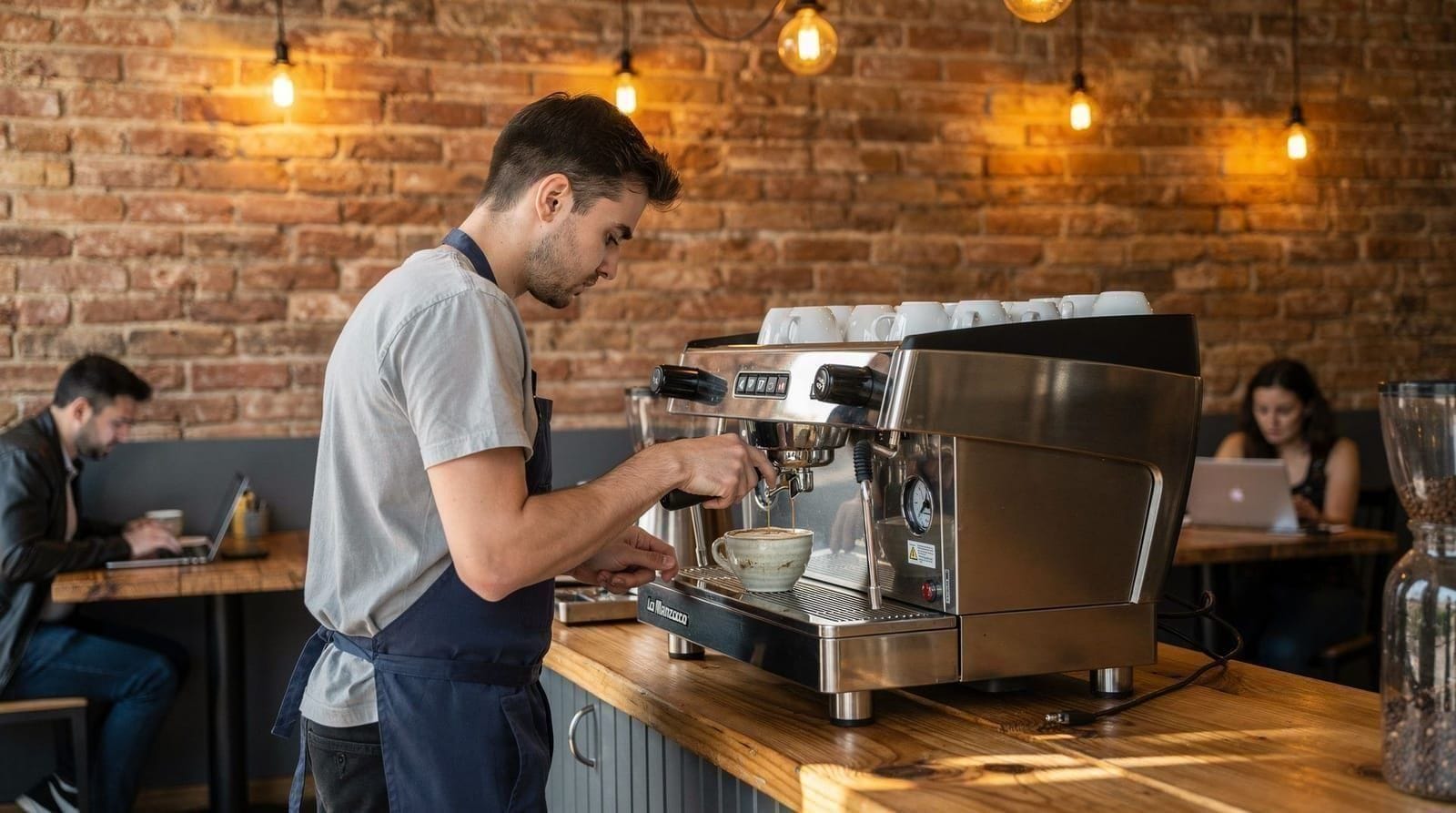
Sofia’s third-wave specialty coffee scene is real and has been developing since around 2010-2012, when the first shops sourcing single-origin beans and using proper extraction equipment opened. By 2026, there are enough specialty roasters and cafes in Sofia to spend a dedicated half-day exploring them, particularly in Lozenets and Oborishte.
What distinguishes these places from a standard Sofia café: menu information about coffee origin and processing, pour-over or Chemex options alongside espresso, staff who can explain what they are serving, and higher prices that reflect the sourcing costs. Expect €3-5 for espresso drinks and €4-7 for filter coffee.
The sofia-coffee-culture guide identifies specific spots and covers the development of this scene in more detail.
Outdoor terrace culture
Sofia summers are hot — regularly above 30°C from late June through August — and the outdoor café terrace is the primary way the city manages this. By mid-May, terraces open across the city. By June, the social life of Sofia moves substantially outside.
The best terrace situations are on quiet side streets rather than main pedestrian zones: shade from trees, tables that are not pressed against each other, and the ambient sound of the street rather than piped music. Finding these requires walking; they do not advertise.
The park around the NDK has outdoor café seating along the paths, which is pleasant in the early evening. The area around Alexander Nevsky Cathedral has a few café terraces on the square that are worth sitting at if you want to watch the cathedral from the outside with a coffee.
If you are in Sofia for only a couple of days, the sofia-in-2-days itinerary builds in time for sitting at a terrace in the late afternoon, which is one of the better uses of time in the city in summer.
Boza: the fermented drink at kiosks
Alongside coffee, Sofia has a parallel drink culture built around boza — a thick, slightly fermented drink made from wheat or millet, with a low alcohol content (around 1%) and a sour-sweet flavor. Boza is available at street kiosks throughout the city, particularly in the morning, and is drunk cold from a cup or warm from a small bowl depending on the season and the preference of the person drinking it.
Boza kiosks are not cafes but they are part of the same landscape of street-level beverage culture that runs through Sofia. The banitsa and street food guide covers boza alongside other street food in more detail.
The experience of drinking boza from a kiosk near Zhenski Pazar market at 8am, with a piece of banitsa, is more distinctly Sofia than any specialty coffee experience. It costs around €0.50-0.80 and is worth trying before deciding it sounds unpleasant.
Price guide
At a standard neighborhood café in 2026:
- Turkish coffee (tursko kafe): €1-1.50
- Espresso: €1.50-2.50
- Kafe s mlyako: €2-3
- Cappuccino: €2-3
- Frappe (iced): €1.50-2.50
At a specialty roaster or third-wave café:
- Espresso: €2.50-3.50
- Flat white / latte: €3.50-5
- Pour-over / filter coffee: €4-6
The sofia-on-a-budget guide puts these prices in context against accommodation and food costs. Sofia remains affordable by EU standards even after the eurozone transition.
Café etiquette worth knowing
Sofia cafes run on a slower rhythm than the espresso-bar model common in Italy or Vienna. Ordering at the counter and drinking standing up is unusual outside a handful of office-district espresso stops; the default is to sit, and staff will not rush you to free the table even over a single €2 espresso. Table service is standard — you wait to be approached rather than order at a counter, except at kiosk-style boza and frappe stands. Tipping 10% is customary if you had table service and are paying by card or leaving change; it is not expected at a takeaway kiosk.
Wi-fi is near-universal and free without needing to ask, which partly explains why Sofia cafes tolerate long single-drink stays, particularly in Studentski Grad and around the university. If a café is genuinely busy and you plan to stay a long time working, ordering a second drink after an hour or so is the polite move rather than a strict requirement.
Reading a café correctly
A few reliable signals that a café is for locals rather than tourists: no menu board in English outside, no staff standing at the door to encourage entry, prices on a small chalkboard or laminated card rather than a glossy menu, and the presence of regulars who are not taking photos of their drinks. None of these are absolute rules, but the pattern is consistent.
The Sofia travel guide covers the broader skill of reading Sofia’s commercial landscape — which restaurants, shops, and cafes are oriented toward residents and which toward tourists.
Coffee and the day trip question
If you are using Sofia as a base for day trips — to Rila Monastery, Plovdiv, or Vitosha Mountain — coffee matters for the start of the day. The early departure point for most day trip buses and cars is the area around the central bus station or the NDK car parks. Getting a decent coffee before a 7am departure is possible but requires knowing where to go; the cafes directly at bus stations are uniformly bad.
The day trips from Sofia guide mentions this logistical point, and the rila-monastery-day-trip guide notes specific departure logistics. Build in 20 minutes to get coffee from a neighborhood spot rather than the station.
Choosing a neighborhood: quick comparison
If you only have time to pick one café district, this is the honest trade-off between the three main options covered above.
| Neighborhood | Coffee quality | Prices | Local feel | Best for |
|---|---|---|---|---|
| Oborishte | Good, consistent | Low-moderate | High | Neighborhood cafes, no tourist premium |
| Lozenets | Best specialty scene | Moderate-high | Moderate | Single-origin, pour-over, roasters |
| Studentski Grad | Functional | Lowest | Very high | Cheap frappe, student atmosphere |
| Vitosha Blvd (center) | Inconsistent | Highest | Low | Convenience only, not worth a detour |
Pairing coffee with a walking tour
If you want the café scene woven into a broader orientation walk rather than tracked down solo, a guided city walk covers the historic core and leaves you near good coffee streets on either end. It is a reasonable first-morning activity before you start navigating neighborhoods independently.
Sofia Must-See Attractions Walking TourWhen a guide helps with the café question
Reading a café correctly takes a few days of practice, and not everyone has that time. If you would rather have a local explain where the neighborhood habits come from, a private walking tour that includes a breakfast stop puts a Bulgarian-style morning meal and a coffee inside the orientation itself, with someone on hand to answer questions about what you are ordering. For a different angle on the city, an alternative walking tour of the less polished side of Sofia tends to pass through the kind of streets where the unadvertised neighborhood cafes sit. Neither is necessary: everything in this guide works on foot and without booking. They are simply an option if you prefer company to wandering.
Frequently asked questions about Sofia café culture
What is the most common type of coffee in Sofia?
Espresso is the standard. Most Bulgarians drink short, strong coffee — either espresso or Turkish coffee — rather than large milk-based drinks. Kafe s mlyako (coffee with milk) is common in the morning. Frappe is the summer default for younger Bulgarians and anyone who wants something cold. Specialty filter coffee is available at perhaps a dozen places in the city.
Is Turkish coffee common in Sofia?
Yes. It is called tursko kafe and is on the menu at the majority of traditional Sofia cafes. It is prepared in a cezve, served in a small cup with grounds settled at the bottom, and typically comes with a small glass of water. It is cheaper than espresso at most places — €1 to €1.50.
How much does a coffee cost in Sofia in 2026?
Since Bulgaria joined the eurozone in January 2026, prices are in euros. Espresso at a standard café runs €1.50-2.50. Specialty drinks at third-wave roasters run €3-6. Turkish coffee is €1-1.50. Frappe at a kiosk is €1.50-2. The sofia-on-a-budget guide covers the full price landscape.
Where should I drink coffee in Sofia as a first-time visitor?
Oborishte, one or two streets east of the center, has a good density of neighborhood cafes that are not oriented toward tourists. For specialty coffee, Lozenets is the main concentration. Avoid the cafes directly on the Vitosha Boulevard tourist strip unless you are simply stopping because your feet hurt.
Do Sofia cafes have outdoor seating?
Yes. Outdoor terrace culture is a major part of Sofia café life from May through September. Most cafes with any floor space outside open terraces in late spring. The best ones are on side streets with shade trees rather than on main pedestrian boulevards where you are sitting in direct sun next to a stream of people.
What is boza and should I try it?
Boza is a thick, slightly fermented drink made from wheat or millet, with a low alcohol content and a sour-sweet taste. It is sold at street kiosks in Sofia, particularly in the morning, for around €0.50-0.80. It is a genuinely traditional Bulgarian drink and worth trying at least once, ideally alongside a banitsa from the same kiosk. See the banitsa and street food guide for context.
Are there specialty coffee shops in Sofia?
Yes. Sofia has had a developing specialty coffee scene since around 2010, with a cluster of third-wave cafes in Lozenets and Oborishte that source single-origin beans and use proper extraction methods. Prices are higher than at standard cafes — €3-6 for a drink — but still low by western European standards. The sofia-coffee-culture guide identifies the main spots.
Can I combine a café crawl with sightseeing?
Yes, easily. The area around Alexander Nevsky Cathedral has terraces worth sitting at, and Oborishte cafes sit close enough to the historic center that a coffee stop fits naturally between sights rather than requiring a special trip. The sofia-in-2-days itinerary builds in terrace time deliberately.