Boyana
Boyana Church holds 13th-century frescoes 300 years ahead of the Renaissance. Half-day from Sofia, combine with the National History Museum and Vitosha.
Half-Day Private Tour: Sofia, Boyana Church & History Museum
Quick facts
- Distance from Sofia centre
- 8 km south (20–25 min by taxi)
- Entry fee
- ~€6 (pre-booking strongly recommended)
- Visit duration
- 10–15 min inside the church (small group policy)
- UNESCO status
- World Heritage Site since 1979
- Frescoes
- 89 scenes, 240 figures painted 1259
What is Boyana Church? A small 13th-century Orthodox church 8 km south of Sofia that contains a cycle of 89 fresco scenes dated to 1259 — considered among the most significant examples of medieval European painting, with a naturalism and psychological depth that predates the Italian Renaissance by three centuries. UNESCO World Heritage since 1979. Visits are timed, limited to 10–15 minutes inside, and require advance booking.
| Where | Boyana suburb, 8 km south of central Sofia |
| Cost | ~€6 church entry; ~€5 History Museum |
| Time needed | 30–45 min at the church; half a day combined with the museum |
| Getting there | Taxi/Bolt (20–25 min), public transport, or guided tour |
| Best time | Weekday mornings for the smallest groups |
Why the Boyana frescoes are significant
The frescoes were painted in 1259 by an unknown artist, sometimes called the Boyana Master. At a period when Byzantine iconography across most of Eastern Europe used flat, stylised figures, the Boyana portraits show individual faces with realistic expressions, spatial depth, and narrative complexity.
The donor portrait of Sebastocrator Kaloyan and his wife Desislava (in the north narthex) is the example most often cited: the faces are individual, not generic Byzantine types. Desislava’s portrait in particular has been compared to Giotto’s figures from the 1290s — 30 years later and in a different cultural tradition.
In total, the church has 89 narrative scenes across three architectural periods: the eastern chapel (10th–11th century), the central nave (1259), and the western narthex (14th century). The 1259 cycle dominates.
Boyana is not the only significant church in Sofia’s medieval and Ottoman-era heritage — the city’s churches guide covers the Rotunda of St. George and the other must-see interiors within central Sofia itself, useful context if Boyana is your first stop on a wider church-focused day.
Visiting Boyana Church: practical reality
You will spend 10–15 minutes inside the church. This is not negotiable — the policy exists to control humidity and carbon dioxide from visitors, which damage the frescoes. Groups are limited to 8 people at a time, and a guard ensures no group exceeds the time limit.
This means: pre-book a specific time slot. Walk-ins risk being turned away or waiting 2–3 hours for an opening. The official Bulgarian Cultural Heritage Commission website has online tickets (approximately €6). Tour operators include booking in their prices.
What you see in 15 minutes: a trained eye can take in the main scenes and the quality of the painting. First-time visitors often leave wanting more time. A knowledgeable guide who explains the specific paintings before entry significantly increases the value of those 15 minutes.
GetYourGuideHalf-Day Private Tour: Sofia, Boyana Church & History MuseumCheck availability →Combining Boyana with the National History Museum
The National History Museum is 400 m from the church — it is built into the former communist-era Boyana Residence, a palace used by the Zhivkov regime. The combination makes a logical half-day: church in the timed slot, then 1.5–2 hours in the museum.
The museum holds the Panagyurishte Gold Treasure (Thracian rhytons from ~300 BC) and a large collection spanning Thracian, Roman, medieval Bulgarian, and Ottoman periods. Not all exhibits are labelled in English; a guide helps. Entry approximately €5.
The approach to Boyana by taxi or car passes through the upmarket Boyana suburb, which is worth noting — this is where Sofia’s wealthier residents and many embassies are located, and the contrast with the communist apartment blocks of the city centre is striking.
Combining Boyana with Vitosha Mountain
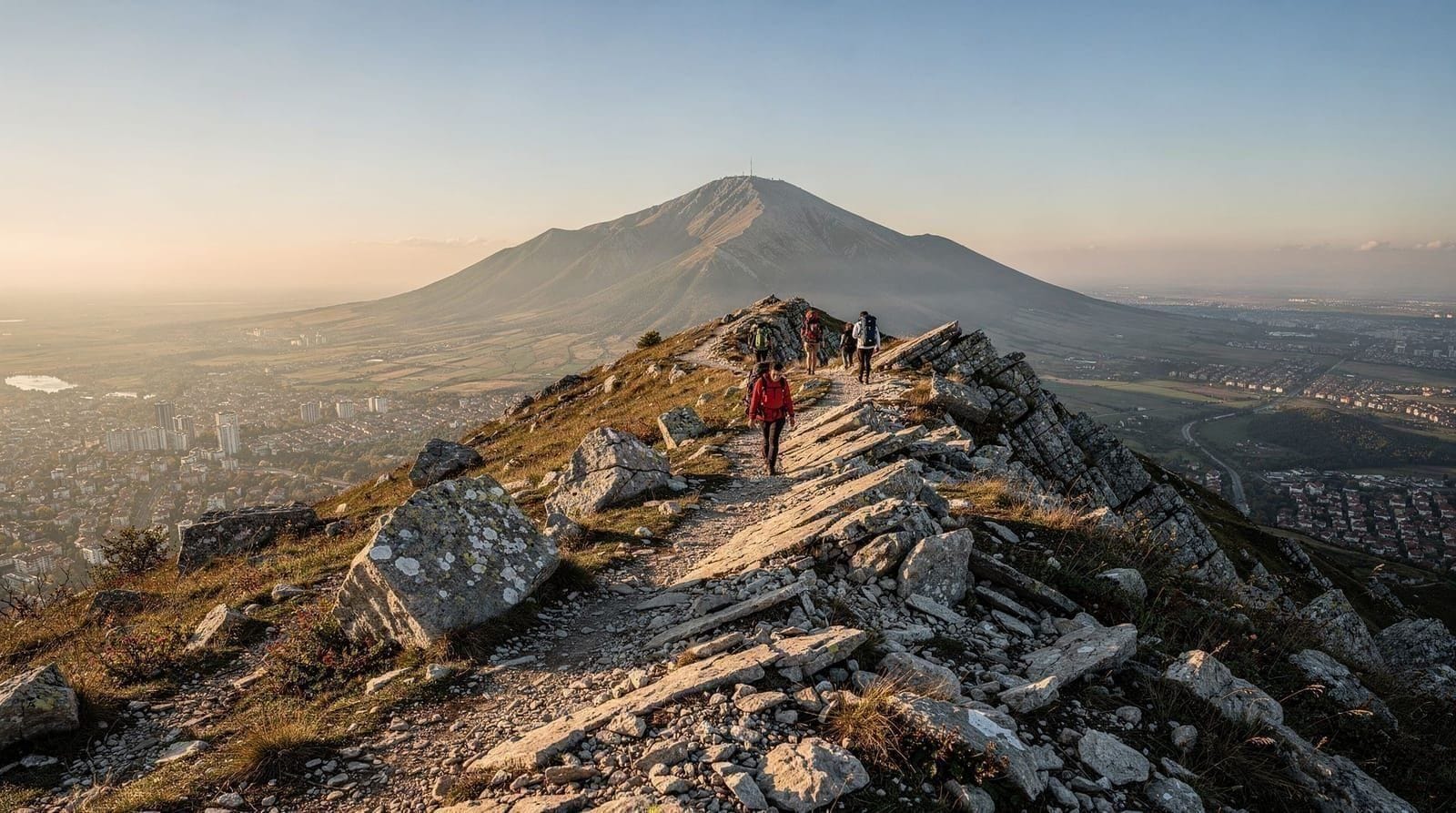
Vitosha’s trailheads start at the edge of the Boyana neighbourhood. After the church visit, you can walk directly into the mountain park — the Boyana waterfall is a 20–30 minute walk uphill from the church area. The Vitosha Mountain guide covers the hiking routes in detail.
A combined programme — Boyana Church at 10:00, National History Museum 11:00–13:00, lunch at the Boyana area restaurants, afternoon hike on Vitosha — fills a full day effectively. This is covered in the Sofia in 2 days itinerary, and the longer Sofia in 3 days itinerary has room to add Rila Monastery or a second Vitosha route on top.
GetYourGuideSofia: Vitosha Mountain, Boyana Church & History MuseumCheck availability →Combining Boyana with Rila Monastery
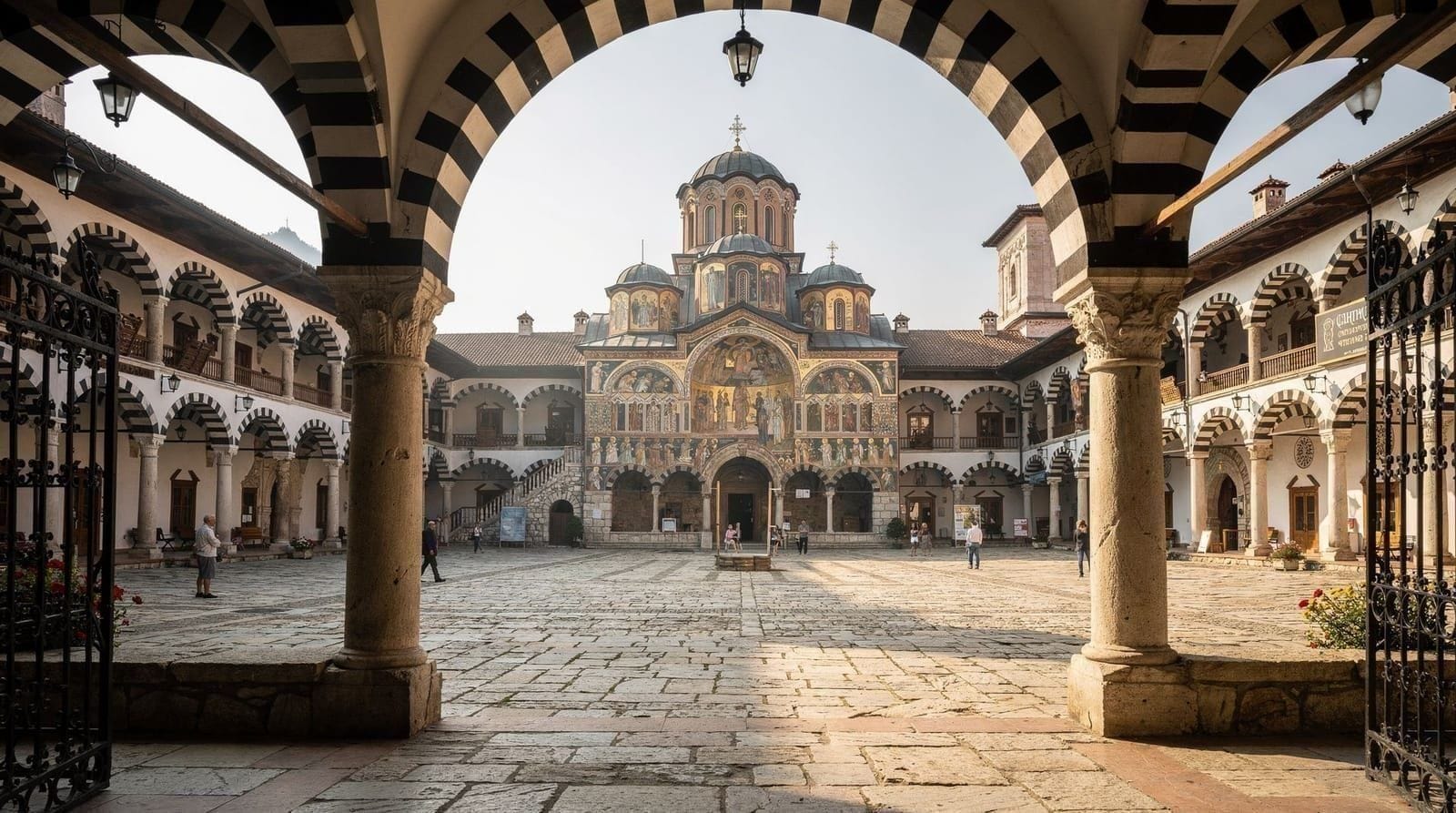
Many Sofia-based operators pair Boyana with a full-day Rila Monastery excursion, using Boyana as a shorter add-on either on the outbound or return leg. It is a genuinely popular combination since both sites are south of the city on a similar route, though it does mean accepting a long day with two significant stops rather than lingering at either. See the Rila Monastery guide for what the fuller visit involves on its own.
Sofia: Rila Monastery and Boyana Church day tourHow to prepare for your short slot inside
Because the time inside is so short, the best preparation happens before you reach the door. Decide in advance which scenes you most want to see, and read a little about the Boyana Master and the donor portraits so that your eyes go straight to them. Visitors who walk in cold tend to spend the first few minutes simply adjusting to the dim light and the small space, and the guard’s signal to leave arrives before they have settled.
It helps to treat the visit in three passes. First, look at the overall interior and let the colour and composition register. Second, go to the donor portraits and study the faces. Third, use whatever time remains for the narrative scenes. If you arrive with a guide, ask them to brief you outside, where there is no time limit, so that the minutes indoors are spent looking rather than listening.
If you are curious about how Boyana sits alongside the rest of the capital’s religious art, the Sofia museums guide and the Bulgarian Revival architecture guide give useful context for the later centuries of church building and decoration, and the Thracian heritage guide explains the older layers of history that the History Museum next door draws on.
Planning the rest of your day around Boyana
Boyana works best as the anchor of a half-day rather than a stop squeezed between other things. Because the church slot is fixed, build the rest of the day around it: book the earliest time you can, so the museum and any walk follow naturally and you are not rushing to reach the church on time.
If your trip is short, the Sofia itinerary planning guide helps you decide where a Boyana morning fits, and the how many days in Sofia guide is useful if you are weighing Boyana against other sights. For longer stays, the Sofia long weekend itinerary leaves room to add the church without cutting anything essential.
Families sometimes wonder whether a timed, silent visit suits younger children. It can work for those with some patience, and the museum and the green setting afterwards give a chance to let off steam; the Sofia with kids guide covers other options that suit different ages better. Visitors interested in the city’s wider history can follow Boyana with the communist Sofia tour, since the residence building next to the church links directly to that story.
After Boyana: lunch and a slower afternoon
Once the timed visit and the museum are behind you, the afternoon can be as relaxed as you like. The Boyana area has restaurants where you can sit down and let the intensity of the morning settle, and if you are curious about what to order, the Bulgarian dishes to try and Sofia food guide will help you choose.
If you would rather head back toward the centre, a walk through the Sofia old town is a good contrast: after a single small medieval church, the layers of Roman, Ottoman and later Sofia are laid out within a short distance of each other. For a gentler end to the day, the Sofia coffee culture guide points to places where you can sit and reflect on what you have seen.
Travellers who enjoy mountain air can instead use the afternoon for the Vitosha hiking guide, which describes routes of different difficulty. Whichever option you choose, remember that the church is the fixed point of the day and everything else is flexible, so keep the afternoon loose and let your energy decide.
Getting to Boyana from Sofia
By taxi or rideshare: 20–25 minutes from Sofia centre, approximately €5–8 one way. Bolt operates in Sofia. Return taxi must be ordered — there is no rank at the church.
By public transport: take tram or metro to the southwest districts, then a bus that goes to Boyana (check Sofia urban transport app). Slower but possible.
By guided tour: tours from Sofia centre typically include transport, entry booking, and a guide who explains the frescoes. Given the 15-minute time constraint, a guide is good value here. Many guided day tours of Sofia include Boyana as an add-on or combine it with Rila Monastery.
What the tourist brochures skip
- No photography inside the church. This is enforced strictly. The church’s reproduction quality in books and official postcards is significantly better than phone photos in low light anyway.
- The exterior is underwhelming. The church looks like a small, modest building. The entire interest is inside. Set expectations accordingly.
- Combined Boyana + Rila Monastery tours exist and are popular but require accepting a very full day. If you want to appreciate both properly, allocate separate visits.
- The Boyana Residence (the communist palace, now the History Museum building) is interesting in its own right as an example of socialist luxury. The contrast with the modest medieval church 400 m away is historically telling.
Getting there: options compared
| Option | Cost | Time | Notes |
|---|---|---|---|
| Taxi/Bolt | €5–8 one way | 20–25 min | Must order return, no rank at church |
| Public transport | €1–2 | 40–50 min | Tram/metro plus bus, slower |
| Guided tour | Included in tour price | Varies | Booking and guide explanation included |
For a first visit, a guided tour or taxi is worth the small extra cost given the 15-minute time constraint inside — you do not want to lose part of that window figuring out transport on the way back.
Frequently asked questions about Boyana
Do you need to book Boyana Church in advance?
Yes. Pre-book a timed entry slot online or through a tour operator. Walk-in availability is unpredictable, especially on weekends May–September.
How long is the visit to Boyana Church?
10–15 minutes inside the church itself. Allow 30–45 minutes total including the introductory panel exhibit in the small visitor area.
Is Boyana Church worth visiting?
For anyone interested in medieval European art or Byzantine heritage: yes, strongly. As a tourist stop without context or explanation: less rewarding given the time constraint. A guide makes a significant difference.
Can you visit Boyana and Vitosha on the same day?
Yes — it is one of the most natural day combinations in the Sofia area. Church + museum in the morning, Vitosha hike in the afternoon.
How do you get from Boyana Church to Sofia centre?
Taxi (Bolt) is the most practical. Order it from the church area — there is no rank. Journey 20–25 minutes, approximately €5–8.
Can you combine Boyana with Rila Monastery in one day?
Yes, and it is a common tour combination, but it makes for a long day with two significant stops. If you want to appreciate both properly rather than tick them off, consider separate visits.
Is Boyana suitable for a first-time visitor to Sofia?
Yes, especially paired with the National History Museum and a short Vitosha walk — it gives a half-day outside the city centre that covers medieval art, Thracian history, and mountain scenery without requiring a full day trip.
Top experiences
Bookable activities with verified prices and instant confirmation on GetYourGuide.