Skiing from Sofia: Vitosha, Borovets, and Bansko compared
Day Tour: Ski Borovets & Relax in Thermal Pools and Sauna
Which ski resort is closest to Sofia?
Vitosha's Aleko ski area is the closest — about 35–45 minutes by taxi from the city centre — but it is very small, suited mainly to beginners and locals wanting a quick session. Borovets (73km, 1.5 hours) is the best option for a full ski day, with 58km of runs and reliable snow. Bansko (160km, 2 hours) is the most developed resort and worth an overnight stay if you have time.
Sofia has an unusual advantage among European capitals: three ski resorts sit within two hours of the city centre, covering a range from a beginner slope above the city skyline to a fully developed mountain with challenging black runs. Bulgaria joined the eurozone in January 2026, so all prices are now in euros, and skiing here remains noticeably cheaper than equivalent resorts in Austria or France. This guide covers each resort honestly — what it offers, how to get there, what it costs, and who it suits best.
| Where | Vitosha (35–45min), Borovets (73km/1.5h), Bansko (160km/2h) from Sofia |
| Cost | Lift pass around €20–60/day depending on resort; rental €15–30/day |
| Time needed | Half-day (Vitosha) to a full weekend (Bansko) |
| Getting there | Car, seasonal shuttle bus, or organised day trip from Sofia |
| Best time | January–February for reliable snow; March on higher north-facing sectors |
Three resorts, three very different experiences
The choice between Vitosha, Borovets, and Bansko depends less on ability level than on how much time you have and how far you want to travel. Vitosha is the convenience pick — a taxi ride from your hotel. Borovets is the best-value day trip with genuine terrain variety. Bansko is the resort that warrants a weekend or longer.
All three operate roughly December through March, with January and February being the most reliable months for snow. March is worth checking snow reports for: high-elevation north-facing runs at Borovets and Bansko often ski well into late March, while Vitosha’s lower slopes become unreliable after mid-month.
Vitosha: skiing above Sofia
The Aleko ski area sits at around 1800m on the Vitosha plateau, about 35–45 minutes from Sofia’s city centre by taxi. It is the smallest of the three options — three or four runs, a handful of lifts, and a modest infrastructure of huts and a small rental shop. Lift passes cost around €20–30 for a day; ski rental runs €15–20.
Getting there: the most scenic option is the Dragalevtsi gondola, which departs from the Dragalevtsi neighbourhood (reachable by bus or taxi from central Sofia). The gondola runs on a schedule that varies by season — check current operating hours before you plan around it. Alternatively, a taxi can drive directly to the Aleko plateau when the road is clear. In heavy snowfall the road may be restricted to vehicles with snow chains.
The honest assessment is that Vitosha’s ski area is not worth travelling specifically to ski, unless you are a complete beginner who wants a relaxed, low-pressure first experience, or a Sofia resident who wants a quick two-hour session without the drive to Borovets. The terrain is limited, the lift infrastructure is basic, and the mountain can feel crowded on Sofia weekends despite having few runs. What it does offer — and this is genuinely appealing — is the experience of skiing above one of Europe’s capitals, with a panoramic view of the city below you. For one morning, that is a memorable thing.
For more on Vitosha beyond the ski season, see the Vitosha hiking guide and the Vitosha Mountain destination page.
Borovets: the best day trip for skiers
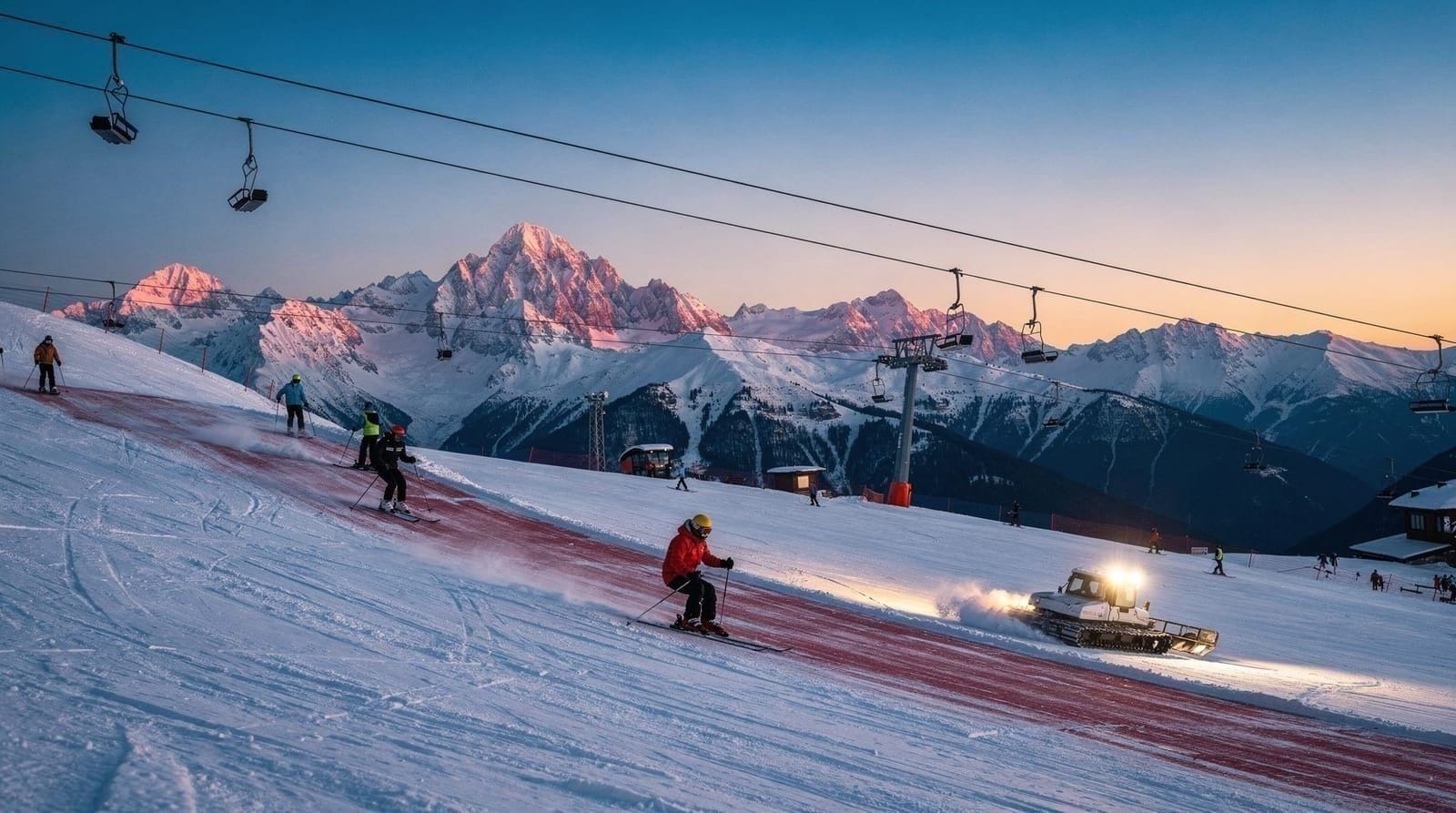
Borovets is Bulgaria’s oldest ski resort, established in the late 19th century as a royal hunting retreat. Today it covers 58km of marked runs spread across an altitude range of 1300–2560m, served by four gondola lines and a network of smaller lifts. The highest terrain, on the Markudjik sector, holds snow well into March. Lift passes cost €35–45 per day; ski rental at the resort is €20–30 per day.
Getting there: The drive from Sofia takes around 1.5 hours via the E79 motorway south to Samokov, then a well-signed mountain road. Distance is 73km. Shuttle buses from Sofia’s Central Bus Station depart regularly during the ski season, taking about two hours and costing €5–8 one way. If you prefer an organised day with transport included, a guided day trip from Sofia handles the logistics and often includes a ski instructor option for beginners.
GetYourGuideSofia: Small-Group Sofia Airport to Borovets TransferCheck availability →The terrain: Borovets divides into three main sectors — Sitnyakovo (the lower mountain, good for beginners and gentle blues), Yastrebets (mid-mountain, the heart of the resort with a busy gondola), and Markudjik (the high sector, accessed by a second gondola from Yastrebets, with red and black runs and some of the longest vertical on offer). A dedicated beginner area at the base has its own short drag lift and is separated from faster traffic.
Green and blue runs dominate the lower two sectors, making Borovets well-suited for beginners and intermediates building confidence. Advanced skiers will find the Markudjik sector more interesting — there are genuinely steep pitches and good off-piste terrain in the right snow conditions. The mountain is not as large as Bansko but it is substantial enough to keep an intermediate busy for two or three days before repeating runs.
Après-ski and food: Borovets has a modest but growing après-ski scene. The base area has several bars and restaurants; the most popular tend to get lively from about 4pm when lifts close. On-slope food options include a handful of mountain restaurants at Yastrebets — nothing fancy, but functional. Budget around €8–14 for a mountain lunch. A handful of hotels cluster around the base village if you want to stay overnight.
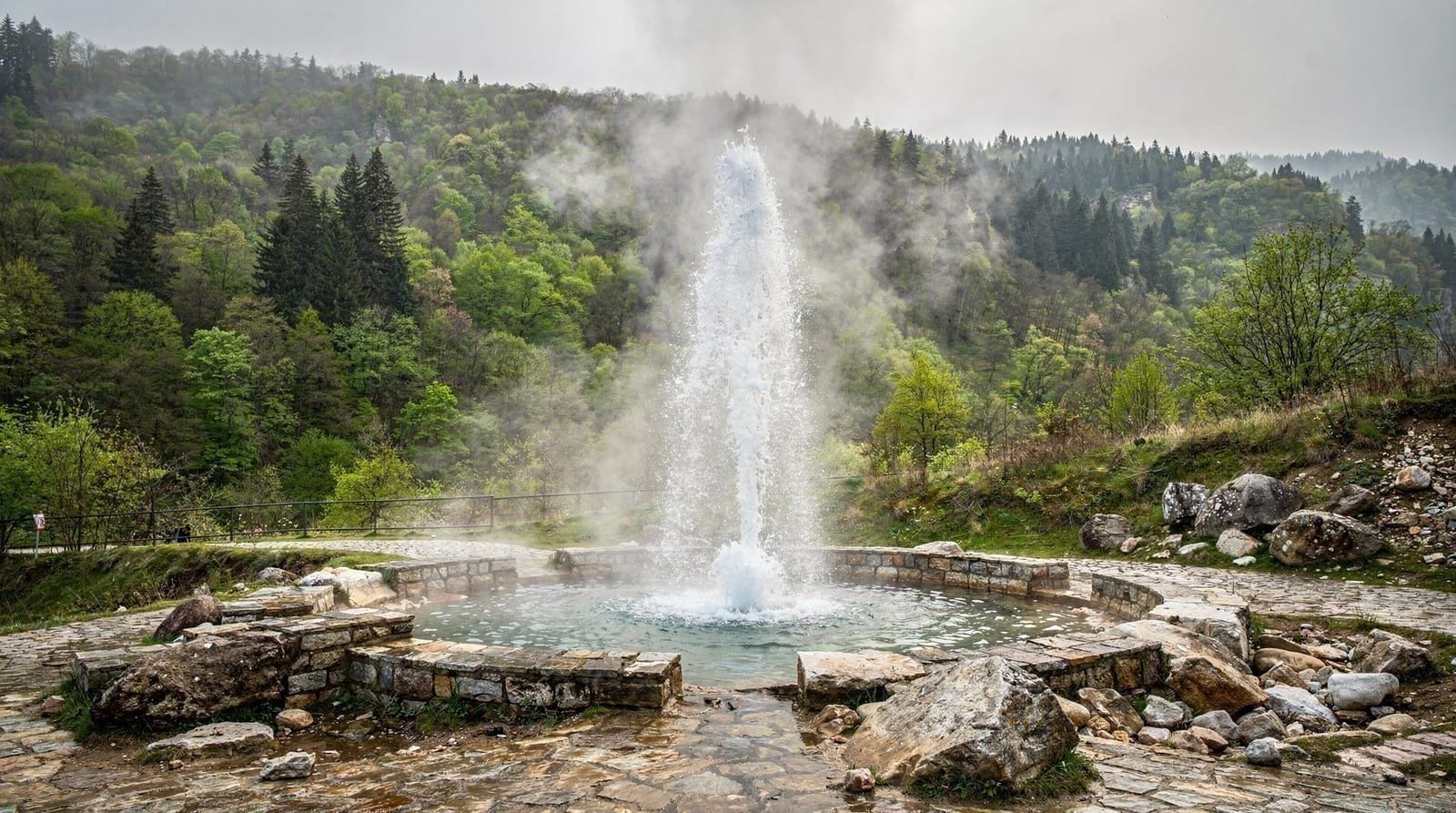
Combining with Sapareva Banya: One of the better ski itineraries in this part of Bulgaria is Borovets in the morning followed by the thermal pools at Sapareva Banya in the afternoon. The spa town is about 15km from Borovets — an easy 15-minute drive. The natural spring there runs at 103°C, making it the hottest in Europe; the public pools are maintained at a comfortable bathing temperature and are open year-round. This combination — ski until noon, soak for the afternoon — works particularly well on days when snow is soft and the lifts slow down after lunch anyway.
GetYourGuideDay Tour: Ski Borovets & Relax in Thermal Pools and SaunaCheck availability →Bansko: the most developed option
Bansko sits 160km from Sofia — about two hours by car — which makes it a longer day trip but a natural fit for a ski weekend. The town itself is one of the most attractive ski bases in the Balkans: a well-preserved old town with cobbled streets, 18th-century stone houses, and a dense cluster of restaurants and bars that constitute the most developed après-ski scene in Bulgarian skiing. The mountain operates at 1000–2600m, with lift access starting from a large gondola terminal at the edge of the old town’s pedestrian zone.
Getting there: By car, take the E79 motorway south (the same road as Borovets) past Blagoevgrad, then follow signs for Bansko and Razlog. The last stretch through the Mesta valley is scenic. Shuttle buses from Sofia operate during the ski season and take around 2.5 hours; they typically depart in the early morning and return in the evening. Private transfers from Sofia airport — useful if you are landing in Sofia before heading straight to the mountain — are a practical alternative to self-driving with luggage and ski bags.
GetYourGuideSofia: Bansko Shuttle Transfer from/to Sofia AirportCheck availability →The terrain: The gondola from the town deposits you at the Banderitsa station (~1640m), from which a network of linked lifts covers the main mountain. The easiest runs concentrate around the base of the gondola top station. Higher up, red runs serve the bulk of intermediate skiers; the black runs and off-piste terrain on the upper mountain (particularly the Plato sector) are genuinely challenging. The longest continuous descent covers around 16km if you link sectors creatively. Total marked piste: approximately 75km.
Bansko’s gondola is a bottleneck on peak-season weekends — queues of 30–45 minutes are not unusual on Saturday mornings in February. Early start (on the gondola before 9am) significantly reduces waiting. Midweek visits are noticeably quieter.
Après-ski and accommodation: The old town mehanas (traditional taverns) fill fast after the lifts close. Expect grilled meats, local wine, Bulgarian craft beer, and a convivial atmosphere. Bansko has more accommodation variety than either Vitosha or Borovets — from large ski-in/ski-out hotels on the slopes themselves to apartments in the old town, a 10-minute walk from the gondola. If you are staying overnight, the old town side is often the more interesting choice for character; the slope-side hotels are more convenient for early starts.
The surrounding area also offers hiking and cultural interest beyond skiing. The Pirin National Park borders the resort, and in summer Bansko functions as a hiking base. If you have time for a second day, the park’s interior and the town of Bansko itself reward a slower exploration.
GetYourGuideSofia: Pirin National Park Hike & Bansko VisitCheck availability →Comparison: Vitosha, Borovets, and Bansko
| Vitosha (Aleko) | Borovets | Bansko | |
|---|---|---|---|
| Distance from Sofia | 35–45 min by taxi | 73km / 1.5h | 160km / 2h |
| Altitude range | ~1800m (plateau) | 1300–2560m | 1000–2600m |
| Marked runs | 3–4 short runs | 58km | ~75km |
| Lift pass (day) | €20–30 | €35–45 | €45–60 |
| Ski rental (day) | €15–20 | €20–30 | €20–30 |
| Run variety | Very limited | Good (green to red/black) | Excellent (green to black) |
| Après-ski | Minimal | Modest but growing | Best in Bulgarian skiing |
| Beginner-friendly | Yes (only option here) | Very good | Good (dedicated areas) |
| Family-friendly | Yes | Yes | Yes |
| Overnight worth it? | No | Optional | Yes, recommended |
| Best for | Quick session, Sofia locals | Day trips, intermediates | Weekend trip, all levels |
Practical tips for skiing from Sofia
When to book: Weekends in January and February at Borovets and Bansko fill early — accommodation especially. If you are planning a ski weekend, book at least three to four weeks in advance. Weekdays in the same period are significantly quieter and sometimes cheaper.
Ski rental at resort vs. in Sofia: A handful of ski shops in Sofia rent equipment, occasionally at slightly lower rates for multi-day rentals. The practical advantage of renting at the resort is being able to swap equipment on the day if boots do not fit well — worth the marginal extra cost if you are particular about your gear.
Day trip vs. overnight stay: For Borovets, a day trip from Sofia is the natural format — you get a full day on the mountain without unnecessary expense. For Bansko, an overnight stay (or two nights) is worth it: the gondola queue alone justifies not spending half your day driving. The old town evenings are a genuine part of the Bansko experience.
Combining with thermal pools: The Borovets-plus-Sapareva Banya itinerary described above works well. Read more about hot springs near Sofia for additional spa options in the region.
What to bring: Standard European mountain kit applies — helmet (strongly recommended, rentable at all three resorts), goggles, waterproof ski jacket and trousers, base layers, and thin gloves under waterproof mittens. Sunscreen is often forgotten but essential on clear February days above 2000m. A small rucksack for a packed lunch is useful at Borovets and Bansko where on-slope food queues can be long around noon.
Insurance: Travel insurance covering mountain rescue and skiing is strongly advised. Bulgarian mountain rescue services (planinski spasiteli) are professional, but evacuation costs can be significant without coverage. Check your policy’s definition of “piste skiing” versus “off-piste” before you venture beyond marked runs.
Getting to and from Sofia’s transport hub: If you are arriving or departing by air and want to head directly to the mountain, both Borovets and Bansko offer airport transfer options that bypass Sofia city centre entirely — useful for ski-focused trips. See also getting from Sofia airport to the city and Sofia to Rila and mountain transport for broader transport context.
If your flight lands late or you have gear to store, some transfer operators allow a stop in central Sofia to check into a hotel before continuing to the mountain the following morning, which is worth asking about when booking rather than assuming a direct-to-resort transfer is the only option.
Non-skiers and mixed groups
Not everyone in a group wants to ski, and all three resorts handle this reasonably well. Bansko’s old town has enough restaurants, shops, and the Pirin National Park trails nearby to fill a non-ski day comfortably, and several hotels have spa facilities for a relaxed alternative to the slopes. Borovets is thinner on non-ski activity but the Sapareva Banya thermal pools 15km away make an easy half-day for someone sitting out the skiing. Vitosha suits non-skiers least well in winter, since the appeal is specifically the skiing and city view; a non-skier is better off spending that day in central Sofia and joining the group for dinner. If your group is genuinely mixed, Bansko or the Borovets-plus-Sapareva-Banya combination gives the non-skiing half of the party something worthwhile to do rather than a day spent waiting around a base lodge.
Timing the season
January and February are the prime months. Snow cover is most reliable, temperatures at elevation stay consistently below freezing overnight, and groomed pistes are in good condition. March skiing is genuinely possible — sometimes excellent — on the higher sectors at Borovets (Markudjik) and Bansko (Plato), but lower runs deteriorate fast once afternoon temperatures rise above zero. If you are planning a late-season trip, choose a north-facing upper sector and go earlier in the day.
December is variable. Early December can have excellent natural snow after a cold November; it can equally be bare and icy through Christmas. Most resorts open with artificial snow on key runs by late November or early December but do not hit full capacity until January. For a reliable first ski trip with children or beginners, stick to January or the first two weeks of February.
For a broader look at what Sofia and the surrounding mountains offer in winter, see the Sofia in winter guide and the best time to visit Sofia. If you are planning a ski weekend itinerary, the Sofia ski weekend itinerary pulls together accommodation, mountain days, and evening options into a ready-to-use format.
Lift pass types and lessons
All three resorts sell single-day and multi-day lift passes, with multi-day rates offering a modest per-day saving of roughly 10–15% over buying single days. Season passes exist but are aimed squarely at Bulgarian residents, not visitors on a short trip. If you are learning, both Borovets and Bansko run ski schools with English-speaking instructors; a half-day group lesson typically costs €30–45, and private lessons run considerably higher. Booking a lesson a few days ahead in peak season (weekends in January and February) is worth doing, since the better instructors get booked up. Vitosha has more limited formal lesson infrastructure — it works better as a place to practise after a first lesson elsewhere than as a place to take one.
Frequently asked questions about Skiing from Sofia
Which ski resort near Sofia is best for beginners?
Borovets is the most beginner-friendly resort near Sofia. It has a good spread of green and blue runs, affordable lift passes (€35–45/day), and ski rental on the mountain. Vitosha's Aleko area is even simpler but has almost no variety — it is fine for a first session but you will outgrow it quickly. Bansko has beginner zones too, but you are paying for a bigger resort and the drive is twice as long.How do I get from Sofia to Borovets?
By car, take the E79 motorway south through Samokov — the total distance is around 73km and the drive takes 1.5 hours. Shuttle buses depart from Sofia's Central Bus Station; the journey takes around 2 hours and costs €5–8 one-way. Organised day trips from Sofia include transport and can be booked in advance — useful if you do not have a car or prefer not to drive on mountain roads.How do I get from Sofia to Bansko?
Bansko is 160km from Sofia, roughly 2 hours by car via the E79 motorway and then the A3/Struma motorway. Direct shuttle buses run from Sofia during the ski season (December–March), taking around 2.5 hours. Private airport transfers are available if you are coming straight off a flight. The distance makes Bansko more practical as an overnight trip rather than a pure day trip.Can I ski on Vitosha Mountain from Sofia?
Yes, but the Vitosha ski area at Aleko (1800m) is very small — three to four runs, suitable for beginners and short sessions. You reach it via the Dragalevtsi gondola or by taxi to the Aleko plateau. Lift passes cost around €20–30. The appeal is skiing literally above Sofia with city views, not the terrain variety. If you want a full ski day, go to Borovets or Bansko instead.When is the ski season in Bulgaria?
The ski season typically runs December through March. January and February have the most reliable snow conditions, particularly at higher elevations. March can be excellent on north-facing runs above 2000m but increasingly slushy at lower elevations by mid-month. Early December and late March are hit-or-miss — check snow reports before committing to a trip in those shoulder weeks.Can I combine skiing with a thermal spa near Sofia?
Yes, and it is one of the better ski-day combinations in the region. Sapareva Banya, a thermal spa town 95km from Sofia, sits just a few kilometres from Borovets. Its natural spring runs at 103°C — the hottest in Europe — and the public spa pools are open year-round. After a morning of skiing, a 15-minute drive brings you to the pools for the afternoon. Some organised day trips from Sofia cover both in one itinerary.Is ski rental cheaper in Sofia or at the resorts?
Prices at the resorts and in Sofia are broadly similar — expect €15–20 per day on Vitosha, €20–30 at Borovets and Bansko. Some Sofia ski shops near the city offer marginal savings if you rent for multiple days, but the convenience of picking up gear at the resort (and swapping it if something does not fit) usually outweighs the small price difference. Boot fitting at resort rental shops tends to be quicker.Can I ski from Sofia without a car?
Yes. Shuttle buses run from Sofia's Central Bus Station to both Borovets and Bansko during the ski season, and organised day trips from Sofia handle transport, and often equipment logistics, without you needing to drive. Vitosha is reachable by public transport plus the Dragalevtsi gondola or a taxi. A car only becomes an advantage if you want full flexibility over timing or plan to combine skiing with a wider road trip through the mountains.Which resort has the most reliable snow late in the season?
Borovets' Markudjik sector and Bansko's Plato sector both hold snow well into March thanks to their north-facing aspect and higher elevation. Vitosha's Aleko area, being lower and smaller, is the first to become unreliable once temperatures rise in mid-to-late March. For a late-season trip, check snow reports and favour the higher sectors at either of the two larger resorts.
Top experiences
Bookable activities with verified prices and instant confirmation on GetYourGuide.