Sofia in winter: what to expect and why it's worth it
Day Tour: Ski Borovets & Relax in Thermal Pools and Sauna
Is Sofia worth visiting in winter?
Yes. Hotel rates drop 30–50% below summer peak, the major museums and restaurants operate normally, two ski resorts are within 90 minutes, and the city has a genuine Christmas atmosphere from late November into December. The main trade-offs are cold temperatures (-5 to 5°C) and short daylight hours.
| Where | Sofia city centre, with Vitosha, Borovets, Bansko, and Sapareva Banya as day trips |
| Cost | Hotels around €40–65/night, 30–50% below summer peak |
| Time needed | A long weekend covers the city; add a day for skiing or the thermal pools |
| Getting there | Metro and taxis run normally; winter doesn’t disrupt city transport |
| Best time | January–February for value; late November–December for the Christmas market |
Sofia in winter gets overlooked. Most travellers assume that a city at 550m elevation in the Balkans, with sub-zero January temperatures and short daylight hours, offers little reason to visit once the hiking season closes. That assumption misses a lot. The city’s restaurant scene does not sleep in winter. Its museums are better without the crowds. And within 90 minutes of the city centre, two established ski resorts and the Sapareva Banya thermal springs make for day trips that are, in some ways, more rewarding than the equivalent summer options. Hotel prices being 30–50% lower than peak season is not a footnote — it is a significant argument.
This guide covers the practical reality of visiting Sofia from December through February: what the weather actually means for daily life, which activities are better in winter than in summer, and what to plan around.
What the cold actually feels like
Sofia’s winter climate is continental and dry. December averages 5–8°C during the day and around -1 to 0°C at night. January and February are the coldest months: expect highs of 2–5°C on a normal day, dropping to -3 to -5°C overnight, with occasional cold snaps pushing to -8 or -10°C. These cold snaps usually last three to five days rather than settling in for weeks.
The city gets snow several times each winter, but accumulation in the centre is typically modest — 5–15cm — and cleared from main streets within 24 hours. Pavements in residential areas can become icy; waterproof boots with a grip sole are not optional, they are the single most important packing decision you will make.
Days are short. In December, sunset is around 4:30pm; by early February it extends to 5:30pm. This compresses outdoor sightseeing into the morning and early afternoon. The practical response is to organise days the other way around from summer: outdoor walking in the morning, museums or galleries in the afternoon, restaurant and bar time in the evening. Sofia’s dining and nightlife scenes run perfectly normally in winter — if anything, the bars are more atmospheric when it is dark and cold outside.
What to pack: Thermal base layer, mid-layer fleece or down jacket, a proper winter overcoat rated to -10°C, waterproof ankle boots with grip soles, gloves, hat, and a scarf. If you plan to snowshoe or ski, add a ski jacket and warm trousers — the temperatures at 1600–2200m are significantly colder than in the city.
Christmas and New Year in Sofia
From late November, Vitosha Boulevard — Sofia’s main pedestrian street — is strung with lights that stay up through January. The Christmas market at Ploshtad Sveta Nedelya (Cathedral Square) typically opens in early December and runs until around December 28. It is modest by Central European standards, but genuine: stalls selling mulled wine (grejano vino), banitsa, roasted chestnuts, local honey, and handmade crafts. The market is busiest on weekend afternoons and evenings.
Christmas in Bulgaria is celebrated on December 25, with Orthodox Christmas on January 7 observed as a national holiday (government and bank closures, but most tourist-facing services remain open). The period between the two can feel like an extended holiday, with families gathering and restaurants running seasonal menus.
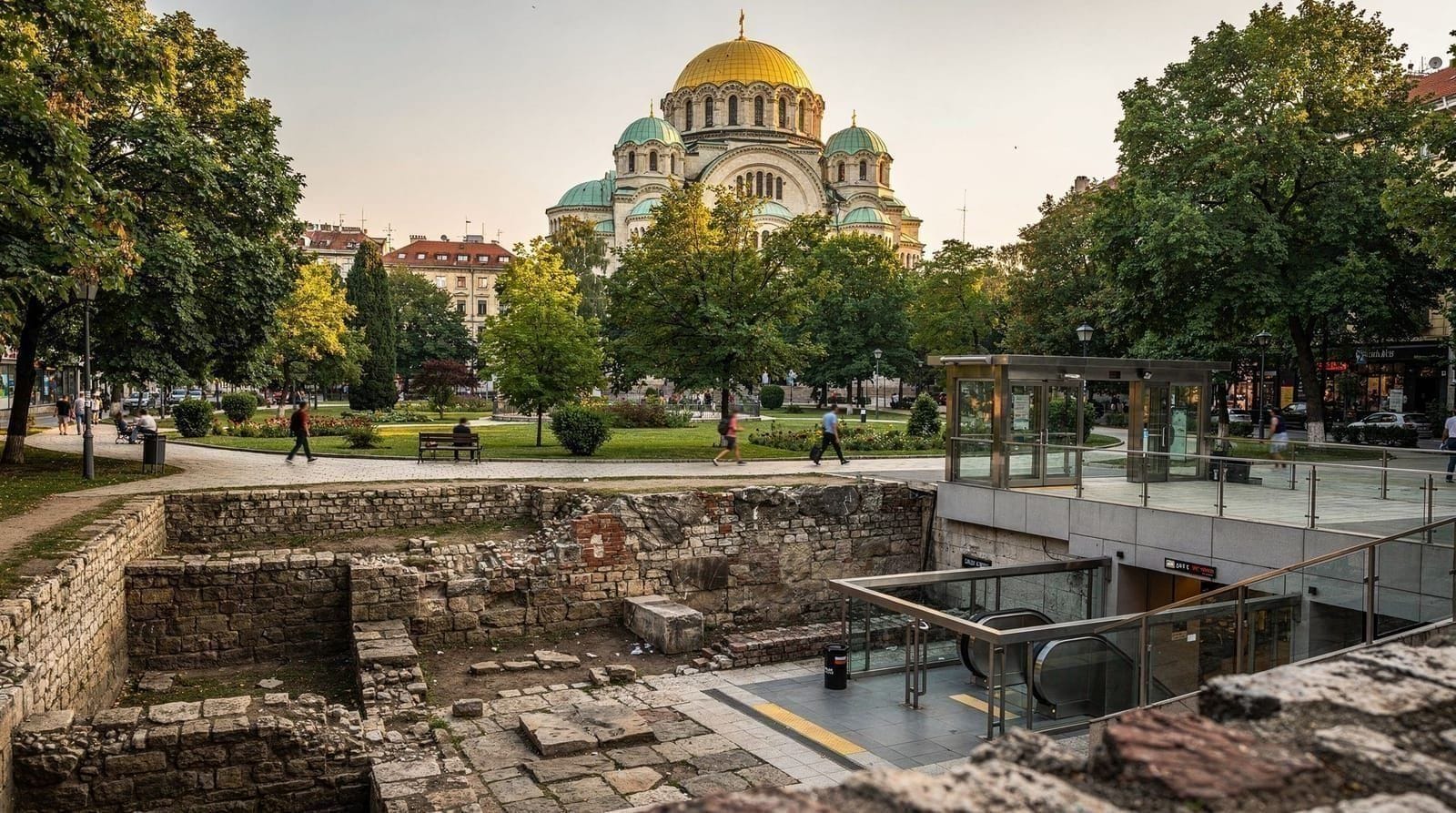
New Year’s Eve centres on Alexander Nevsky Square. The crowds are large, the fireworks are timed to midnight, and there is live music in the square for several hours beforehand. It is a chaotic, enjoyable, and free experience. The metro runs extended hours on New Year’s Eve; book a restaurant for dinner in advance as tables fill up weeks ahead.
Vitosha in winter: snowshoeing and winter walks
Vitosha Mountain becomes a different place in winter. The lower trails through the Boyana beech forest are peaceful and atmospheric even without snow. Above 1500m, reliable snow cover typically builds from January and holds through March. This is the window for snowshoeing.
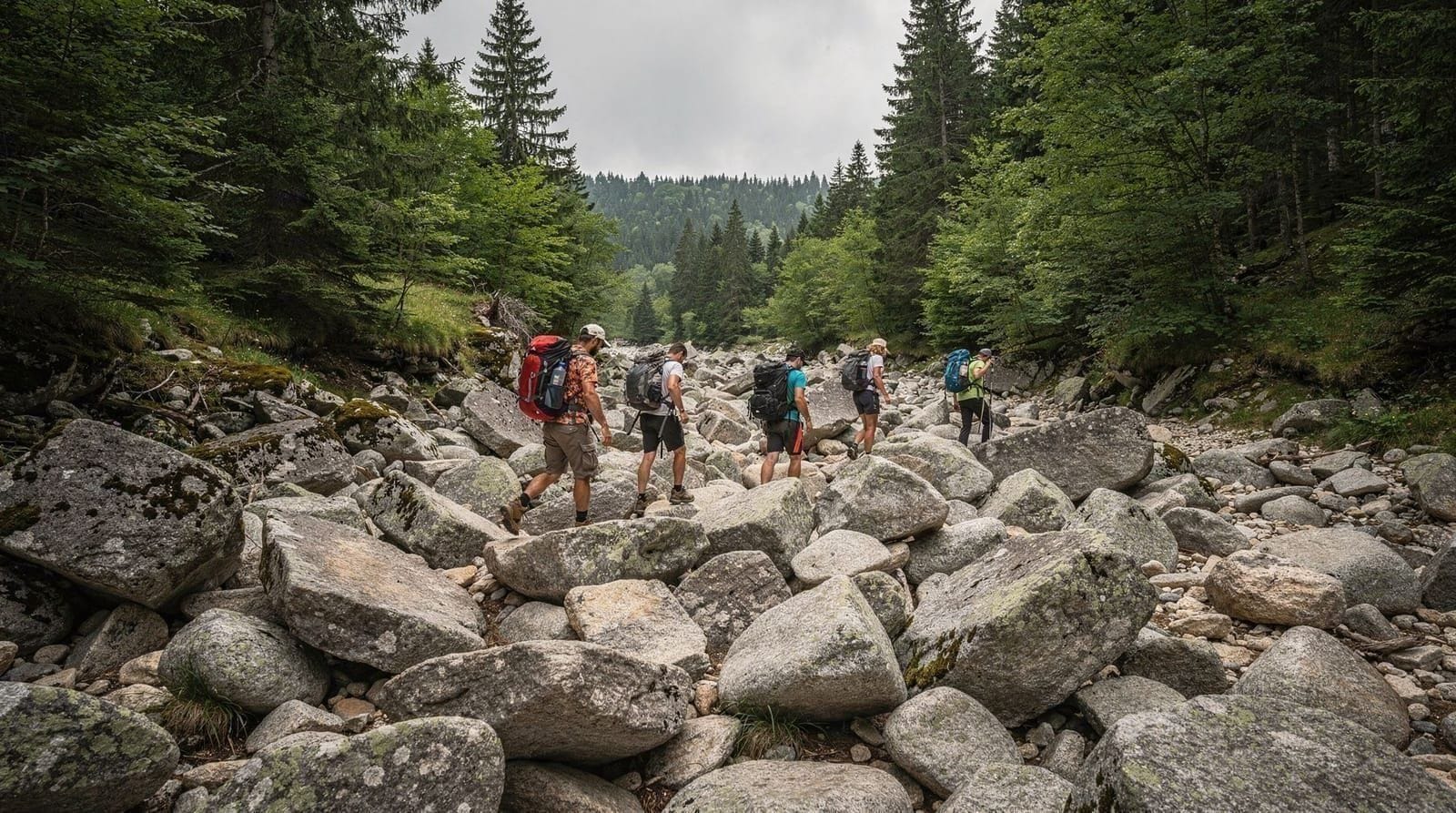
The most popular snowshoe route goes from Dragalevtsi up through the Kumata area to Cherni Vruh summit (2290m), following marked summer hiking trails that translate well to winter use. The full circuit takes 6–8 hours round trip. A shorter alternative is the Zlatni Mostove plateau — the famous stone river — which reaches 1750m via the Boyana trailhead and suits beginners and families.
GetYourGuideFrom Sofia: Snowshoe Hike on Vitosha MountainCheck availability →Guided snowshoe tours depart from central Sofia and include equipment rental. This is the recommended option for anyone without their own snowshoes or winter mountain experience. The guide also handles route decisions based on current snow and visibility conditions, which change frequently in January and February.
GetYourGuideSofia: Black Peak-Vitosha Mountain Snowshoeing Day TripCheck availability → GetYourGuideOne-Day Hiking with Snowshoes on VitoshaCheck availability →Vitosha also has a small ski area at Aleko, around 1800m elevation. A taxi from the city centre to the Aleko area takes 35–45 minutes. The runs are short and limited — this is not a serious ski destination — but if you want to ski within sight of Sofia for a couple of hours, Aleko delivers. Lift pass prices are well below Borovets or Bansko.
For a full account of Vitosha’s trails and how to access them, see the Vitosha hiking guide.
Ski day trips from Sofia
Sofia’s position relative to the Bulgarian mountain resorts is one of its genuine winter strengths. Two established ski areas are within day-trip range, and a third is closer still.
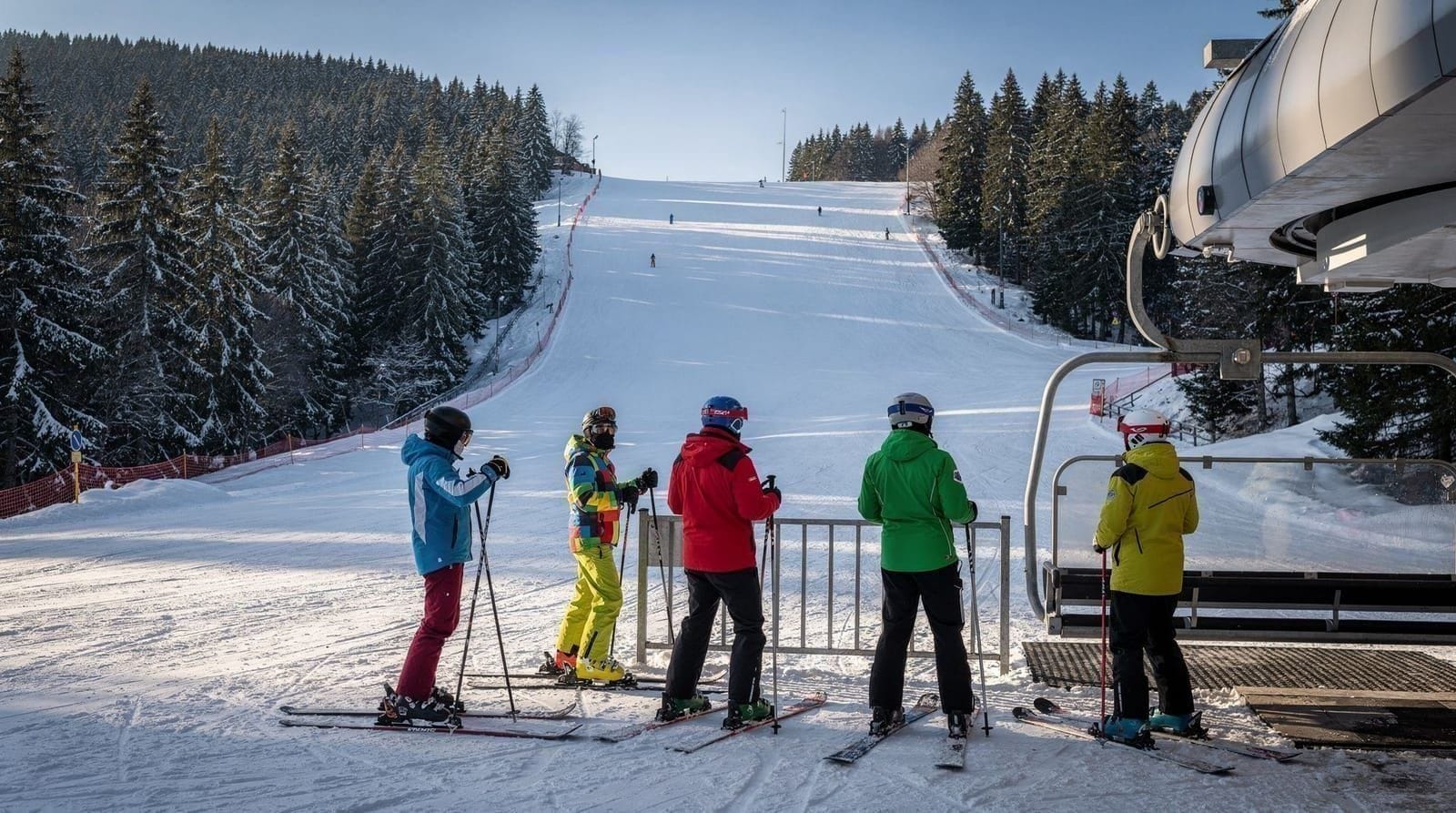
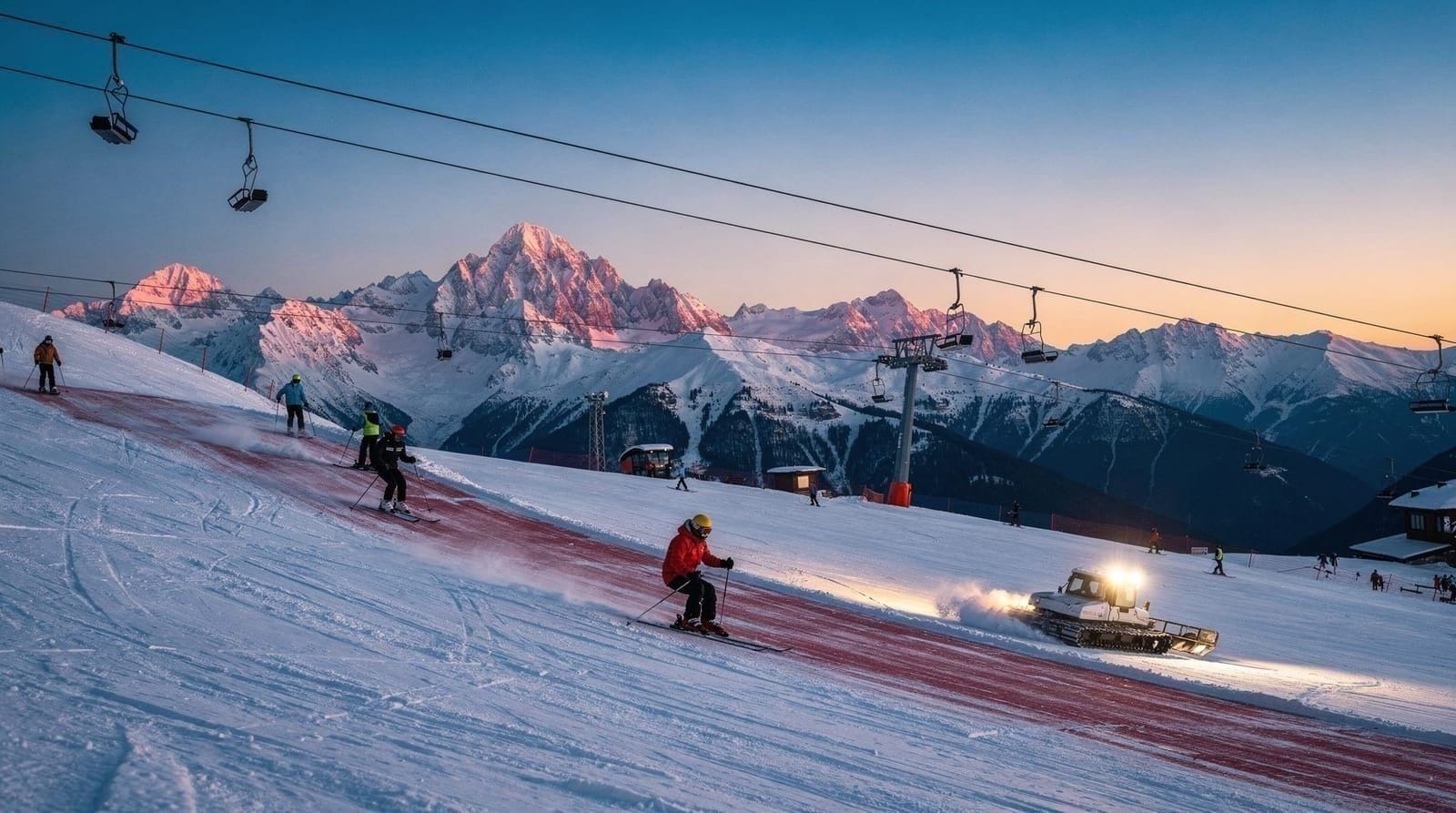
Borovets sits 73km south of Sofia, around 1.5 hours by road. It is the oldest ski resort in the Balkans and operates a December–March season. The piste network is not vast but covers all ability levels adequately, with around 23km of marked runs from 1270m to 2560m. Day lift passes run €35–45. Shuttle services from Sofia depart daily in season from around €15–20 per person return. Combining a morning of skiing with an afternoon at the Sapareva Banya thermal pools on the way back makes for an excellent full day.
GetYourGuideDay Tour: Ski Borovets & Relax in Thermal Pools and SaunaCheck availability →Bansko is 160km south, roughly two hours by road. It is a larger resort with approximately 75km of piste, snowmaking, modern gondola infrastructure, and a well-developed resort town with restaurants and apres-ski. Lift passes are €45–60 per day. The longer transfer distance makes it better suited to an overnight trip than a day trip, though organised day tours do run from Sofia. Bansko is also the gateway to Pirin National Park for winter hiking. The ski season runs from late December into April in good snow years.
For a comparison of both resorts, see skiing from Sofia.
Thermal spas: Sapareva Banya
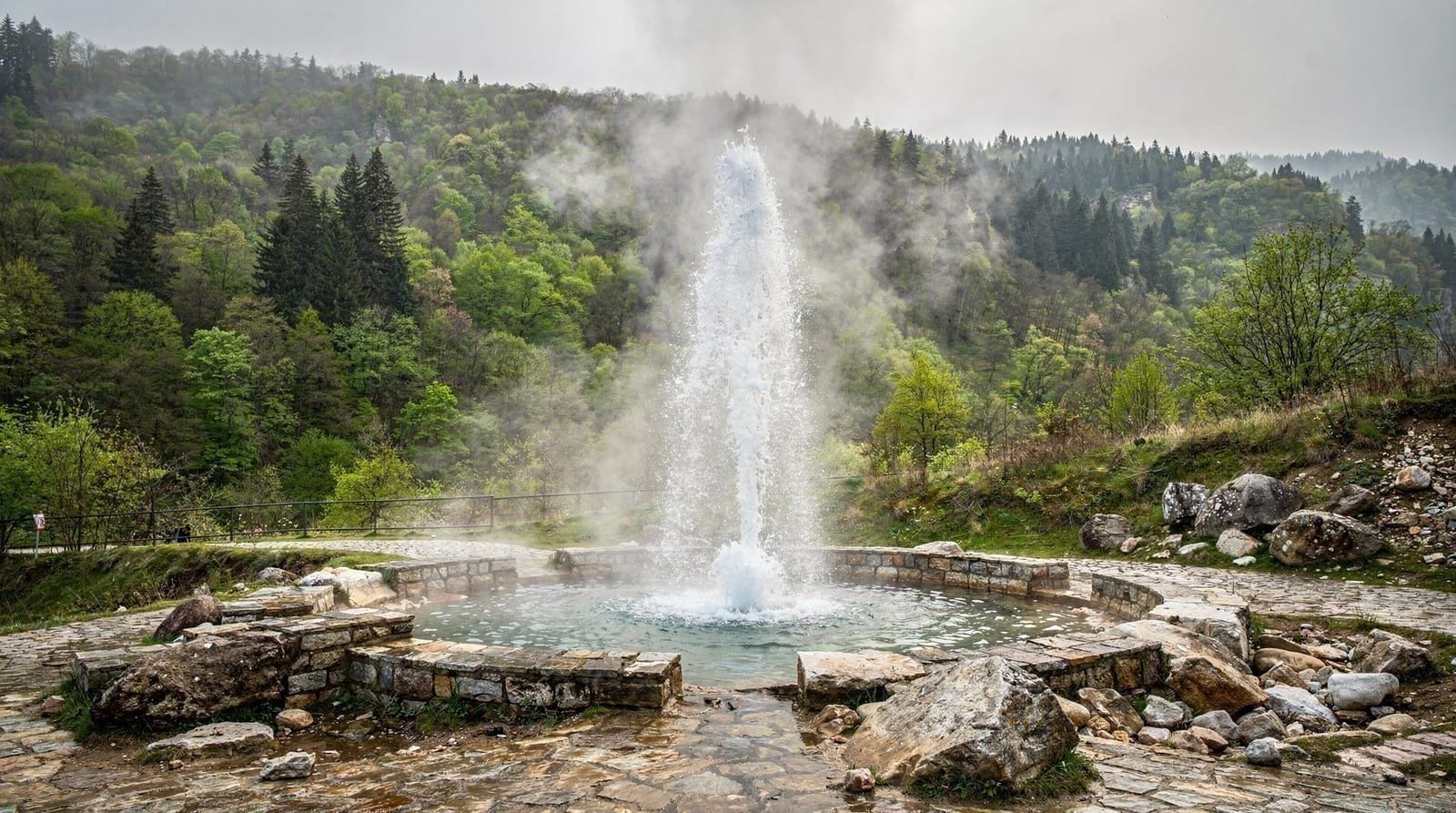
Sapareva Banya is 90km southeast of Sofia, often paired with a Borovets ski day but equally rewarding as a standalone winter excursion. The town is home to the hottest geyser in Europe, with a source temperature of around 103°C. The thermal water is cooled to pool temperature before use, and the outdoor pools remain open year-round — sitting in 38°C mineral water while snow falls around you is one of the more memorable experiences available on a Sofia day trip.
Multiple spa complexes in the town offer day access, typically €10–20 per person including use of outdoor and indoor thermal pools. Some include saunas and steam rooms. The water has a distinct mineral sulphur character — you will smell it before you see it, and your skin will feel noticeably soft afterward.
GetYourGuideSofia: Seven Rila Lakes Snowshoe Walk & Thermal Spring PoolsCheck availability →The hot springs in Bulgaria guide covers Sapareva Banya and other thermal options accessible from Sofia.
Indoor Sofia: what stays open and what’s good
All major museums maintain their normal opening hours in winter. The National History Museum (€5 entry, 20 minutes from the centre) and the National Gallery (in the former Royal Palace on Ploshtad Alexander I) are both better in winter than summer purely because of the absence of queues and tour groups. The Archaeological Museum near the Presidency building is compact and excellent.
Sofia Zoo charges €5 for adults and €3 for children and operates year-round. In winter, some animals are moved indoors, but the zoo grounds are peaceful and the reduced visitor numbers mean better wildlife viewing of the animals that remain active.
The National Opera runs its season from October through June. Tickets are genuinely affordable by Western European standards — good seats cost €10–25, and productions are often of high quality. The Sofia Philharmonic performs at the National Palace of Culture (NDK). Both organisations publish programmes online and sell tickets through their own websites.
The city’s mineral baths are worth knowing about. The public Central Mineral Bath building near the Halite market is an architectural landmark (restored art nouveau exterior), though the public bathing facilities inside have been closed for renovation; free outdoor mineral water taps near the building remain available. Several hotels in the city have indoor mineral pools using the local spring water supply.
Getting around Sofia in winter
The metro runs on its standard schedule year-round and is heated. Lines M1 and M2 cover the main sightseeing axis from the airport to the outer residential districts, with M3 covering the central zone. A single ticket is €0.80. The metro to the airport runs every 5–8 minutes and takes 18 minutes from the centre — no need for a taxi regardless of the weather.
Taxis remain plentiful in winter. Use Bolt or Yandex apps to avoid inflated prices; always check that the meter is running if you take a street taxi. In snowfall conditions, allow 5–10 extra minutes for journeys.
Walking between sights in central Sofia is straightforward even in winter. The pedestrian Vitosha Boulevard is salted and cleared quickly. The stretch from NDK up to Ploshtad Sveta Nedelya and across to Alexander Nevsky Cathedral covers the majority of central sights in about 40 minutes of walking — well within normal winter conditions.
For a broader overview of transport options, see getting around Sofia.
Where to stay and what to budget
Hotels in central Sofia drop significantly in winter. A comfortable mid-range double room — centrally located, with breakfast, good reviews — costs €40–65 per night in January and February. This compares to €70–110 for the same room in July. A budget hostel or guesthouse room goes for €15–30 per night. The central neighbourhoods around Vitosha Boulevard and the NDK are the best base for winter visits: walking distance to sights, restaurants within easy reach, and taxi/metro access to ski shuttle pickup points.
Restaurant prices are consistent year-round. A full evening meal for two with wine in a mid-range Bulgarian restaurant costs €25–40. Coffee is €1.50–2.50. Beer is €1.50–3 in a bar. The city’s restaurant scene has genuinely expanded in recent years — expect everything from traditional mehanas (taverns) serving slow-cooked stews perfect for cold evenings, to modern European bistros and a growing natural wine scene.
What is limited or closed in winter
A few things to check before you go:
Mountain huts in Rila: Most staffed huts in Rila National Park close from November to April. This does not affect the Rila Monastery itself (open year-round) or guided snowshoe tours, which do not rely on hut accommodation. If you are planning multi-day backcountry skiing or snowshoeing in Rila, check hut availability directly.
Gondola and chairlift schedules: Vitosha’s Simeonovo gondola runs on a reduced schedule in winter and sometimes closes for maintenance in November. The Dragalevtsi chairlift is seasonal and may not operate outside ski season. Always verify operating status before building a plan around them. The Sofia in winter conditions are navigable without the gondola, but it affects timing.
Tour frequency: Some summer day-trip operators reduce their departure frequency in winter. The Rila Monastery and Seven Lakes routes still operate, but often only on weekend departures from January. Book ahead and confirm your departure is scheduled — do not assume daily service.
Daylight: Plan outdoor activities for the morning window. Vitosha snowshoe tours typically depart by 9am and aim to be off the upper mountain before the light fades around 4:30–5pm.
For a broader look at how winter compares to other seasons, see the best time to visit Sofia guide. For ski resort comparisons, see skiing from Sofia. If you are planning an itinerary, the Sofia ski weekend itinerary covers two days that combine city sightseeing with a day on the slopes.
Winter month by month
| Month | Weather | Highlights | Notes |
|---|---|---|---|
| December | 5–8°C, milder | Christmas market, festive atmosphere | Book restaurants ahead for the holiday period |
| January | 2–5°C, coldest | Cheapest hotel rates, quiet museums | Best ski conditions at Borovets and Bansko |
| February | 2–5°C, still cold | Same value as January, fewer holiday crowds | Good month for a ski-and-city combination trip |
A realistic three-day winter plan
Day one: arrive, settle in, and use the short daylight window for an outdoor walk through the centre — the Soviet Army Monument, the Largo, and Alexander Nevsky Cathedral can all be covered before lunch. Spend the afternoon in the National Gallery or Archaeological Museum, where winter’s thin crowds are most noticeable, then head to a mehana for a warming dinner. Day two: an early departure for Borovets or a Vitosha snowshoe tour, back in the city by early evening for the Christmas market if it’s in season.
Day three: Sapareva Banya’s thermal pools in the morning, a slower afternoon around Vitosha Boulevard’s shops and cafés, and a final dinner at one of the city’s better mid-range restaurants before departure. This sequence keeps outdoor activity in the higher-light hours and uses the evenings, when Sofia’s restaurant and bar scene is at its best regardless of season, for warmth and food.
Frequently asked questions about Sofia in winter
How cold is Sofia in winter?
Average daytime highs sit between 2 and 5°C in January and February. December is milder at 5–8°C. Cold spells regularly push temperatures to -8 or -10°C, especially in January. Snow in the city is possible but usually light and clears quickly. Pack a proper winter coat, waterproof boots, and layers — the cold is dry and crisp rather than damp.What is there to do in Sofia in winter?
Skiing at Borovets or Bansko, snowshoeing on Vitosha, thermal spa at Sapareva Banya, Christmas market at Ploshtad Sveta Nedelya, National Opera and Sofia Philharmonic season, all major museums, and the full restaurant and bar scene. The city does not shut down in winter — it just slows to a more relaxed pace.Are the museums open in winter?
Yes. The National History Museum, National Gallery, Archaeological Museum, and all major Sofia museums maintain their regular schedules in winter. Crowds are noticeably thinner than in summer — the National Gallery in January is practically empty on weekday mornings. Some monastery guesthouses in the countryside close, but the monasteries themselves remain open.What is the Christmas atmosphere like in Sofia?
From late November, Vitosha Boulevard is lit with Christmas lights and the main Christmas market opens at Ploshtad Sveta Nedelya. The market runs until around December 28 and includes stalls selling mulled wine (called grejano vino), local handicrafts, and street food. New Year's Eve brings large crowds to Alexander Nevsky Square for live music and fireworks.Is it easy to get to the ski resorts from Sofia?
Borovets is 73km south, about 1.5 hours by car or direct shuttle, and operates from December through March. Bansko is 160km south, roughly 2 hours by road. Both have direct shuttle services from Sofia in ski season. Vitosha's Aleko area is the closest — 35–45 minutes by taxi — but offers only short beginner runs.When is the cheapest time to visit Sofia?
January and February are consistently the cheapest months. A solid mid-range hotel room can be found for €35–55 per night — roughly half the summer rate. Flights to Sofia are also at their seasonal low. The trade-off is cold weather and limited daylight, but for budget-conscious travellers who want to combine a city break with skiing, it is hard to beat.What should I pack for a winter trip to Sofia?
A winter coat rated to around -10°C, waterproof ankle boots with grip soles, thermal base layers, gloves, a hat and scarf. If you plan to ski or snowshoe, add ski-specific layers, since temperatures at 1600–2200m on Vitosha, Borovets, or Bansko are noticeably colder than in the city centre.Is three days enough to see Sofia in winter, including a day trip?
Yes. A realistic plan covers the central sights and museums on day one, a day trip to Borovets, Vitosha, or Sapareva Banya on day two, and a slower final day for shopping, cafés, and a final dinner. This fits comfortably within short winter daylight hours if outdoor activity is scheduled for the morning.
Top experiences
Bookable activities with verified prices and instant confirmation on GetYourGuide.