Hot springs and thermal spas near Sofia: a practical guide
Seven Rila Lakes Guided Hike with Lunch and Spa Included
Where are the best hot springs near Sofia?
Sapareva Banya (95km south) has the most impressive thermal pools, fed by one of Europe's highest-temperature natural springs at 100°C. Bankya (17km west, 25 min by train) offers mineral water baths for a quick half-day. Kostenets (70km east on the E80) is a minor mineral spa worth a stop if driving to Plovdiv.
Bulgaria has a long relationship with mineral and thermal water. The country sits on a geologically active zone where groundwater percolates through rock at depth, heats against magmatic bodies, and emerges at the surface in dozens of locations scattered from the Rhodopes to the Danube plain. This is not incidental: Bulgaria has more than 600 registered mineral spring sites, a figure that explains why small spa towns appear on the map with unusual frequency. For visitors based in Sofia, the accessible spa options range from a 25-minute train ride to a 90-minute drive, with very different characters and price points at each destination.
This guide covers the practical reality of each option: how the water differs, what facilities exist, how to get there, what it costs, and how to combine a spa visit with other activities in the area — including the Rila Mountains and the Seven Rila Lakes.
| Where | Sapareva Banya (95km) or Bankya (17km) |
| Cost | Bankya €3–7; Sapareva Banya €5–12 |
| Time needed | Half-day (Bankya) or full day (Sapareva Banya) |
| Getting there | Train to Bankya (25 min); car or tour for Sapareva Banya |
| Best time | Year-round; especially good December–February |
Sofia-area spas compared
| Destination | Distance | Water temperature | Vibe |
|---|---|---|---|
| Sapareva Banya | 95km, ~1.5h | Source 100°C, pools 36–40°C | Genuine hot spring, mountain setting |
| Bankya | 17km, 25 min by train | ~37°C | Local tradition, low-key |
| Kostenets | 70km (Sofia–Plovdiv route) | Lower than Sapareva Banya | Basic, motorway stop only |
| Pancharevo | 15km | Springs present, thin infrastructure | Lake recreation, not a spa destination |
Understanding Bulgaria’s mineral waters
Not all of Bulgaria’s mineral waters are the same, and the distinction matters for managing expectations. The broad division is between geothermal springs (hot, sometimes very hot, volcanic in origin) and cold or mildly warm mineral springs (naturally mineralised groundwater at ambient or slightly elevated temperatures). The best-known example of each type near Sofia illustrates the gap clearly:
Sapareva Banya’s main spring emerges at approximately 100°C — a true hot spring in the volcanic tradition. Bankya’s famous mineral water comes out at around 37°C and is prized as a drinking water rather than a bathing medium, though bathing pools exist. Visiting Sapareva Banya expecting the Bankya experience, or vice versa, leads to disappointment. Read the relevant sections below before choosing.
Sapareva Banya: the high-temperature option
Sapareva Banya is a small town 95km south of Sofia, situated at the foot of the Rila Mountains close to the Panichishte basin where the gondola for the Seven Rila Lakes departs. It is not a glamorous place — the town itself is functional rather than picturesque — but the thermal infrastructure is the most developed and the most impressive of any spa destination within reasonable reach of Sofia.
The signature feature is a natural spring that emerges at around 100°C, sometimes described as the highest-temperature hot spring in Europe. The source is known locally as “The Geyser.” You cannot bathe in water at 100°C; it is cooled through a distribution system before reaching the pools, where it is maintained at 36–40°C for outdoor soaking and slightly higher for indoor private cabins. At 38°C the water is warm enough to feel genuinely therapeutic after a cold day in the mountains and comfortable enough to stay in for 30–40 minutes without discomfort.
Facilities and access
The main public pool complex in Sapareva Banya is Aqua Nikolis, which operates year-round and offers large outdoor pools at varying temperatures. Several smaller hotel spa complexes also sell pool access to non-guests; prices typically run €5–12 for outdoor pool entry, with private spa cabin hire available at higher rates. A few operators run indoor hydrotherapy facilities for more medically-oriented visits, though most day-trippers from Sofia are looking for a straightforward soak rather than a therapeutic programme.
Getting to Sapareva Banya without a car is awkward. There is no direct bus from Sofia. The closest practical approach by public transport is to take a bus or train to Dupnitsa (a larger town on the E79, around 80km from Sofia), then arrange a taxi onward — roughly 20km on a local road toward Samokov. This adds time and complexity. If you are not driving, an organised tour is almost always more efficient.
By car, follow the E79 motorway south from Sofia for approximately 60km to the Dupnitsa area, then take the road east toward Samokov. Sapareva Banya is signposted off this road; the total drive is around 95km and takes 1.5 hours under normal conditions. Parking at the main pool complexes is free.
GetYourGuideSeven Rila Lakes Guided Hike with Lunch and Spa IncludedCheck availability →Combining Sapareva Banya with the Seven Rila Lakes
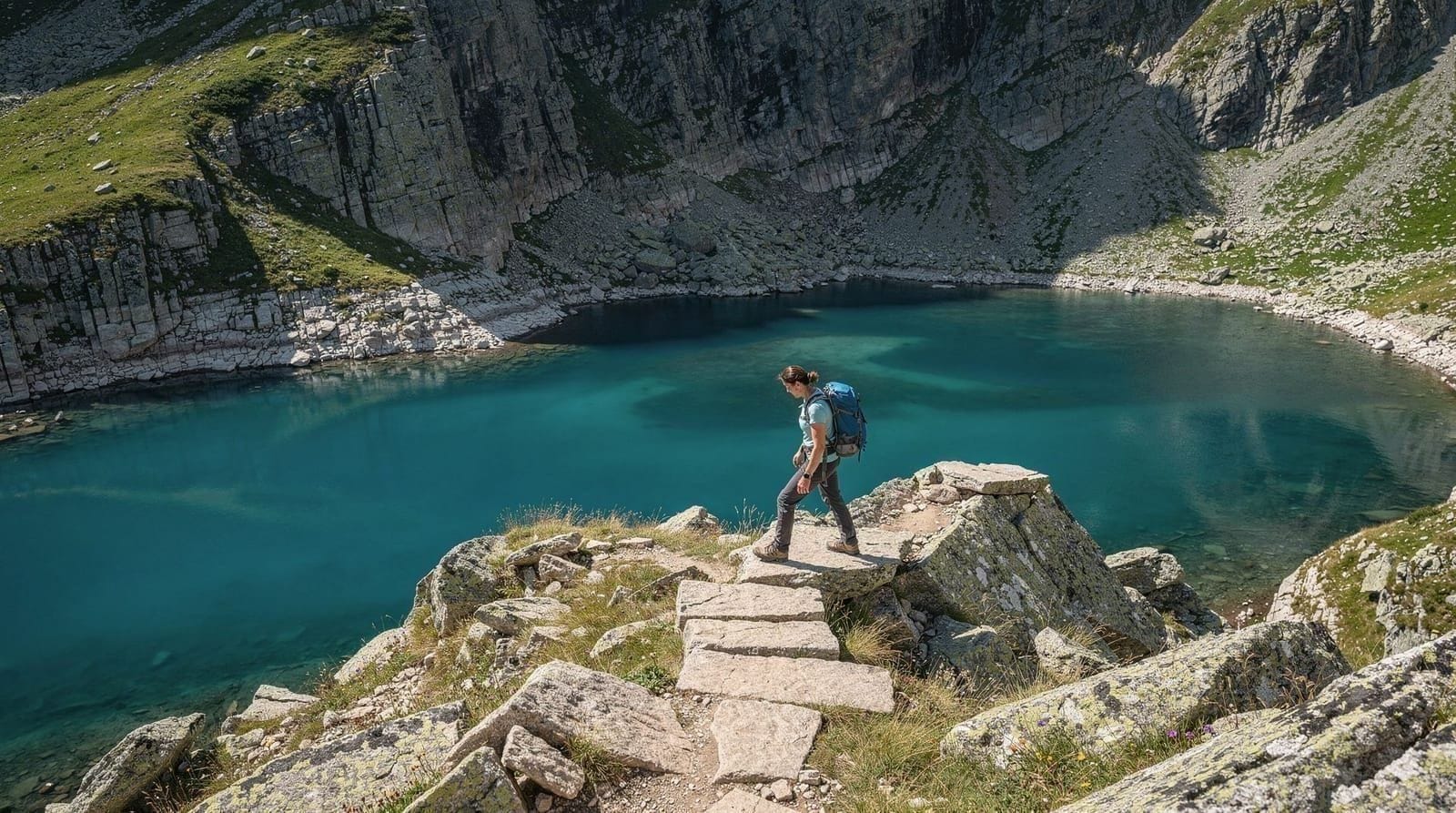
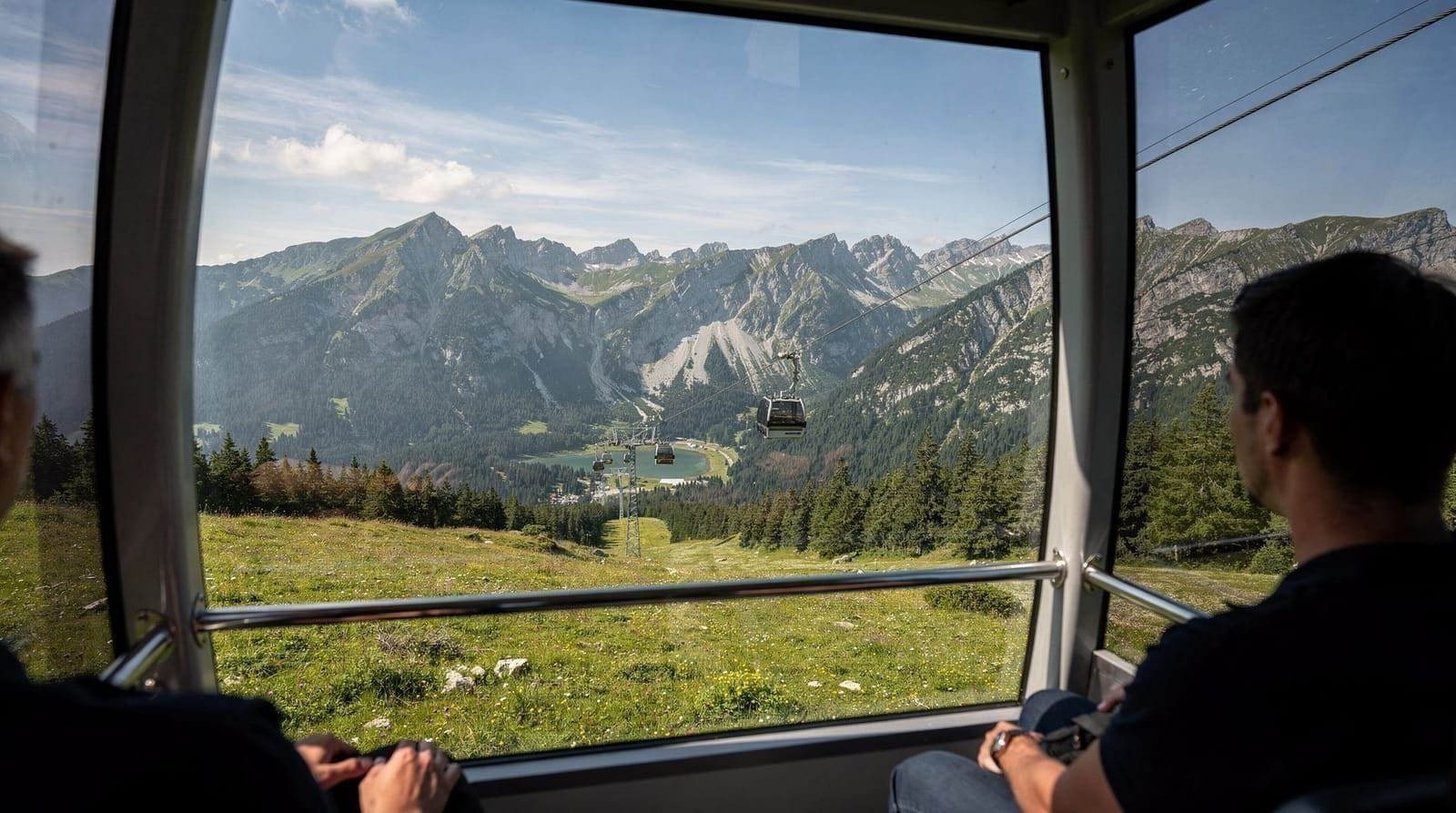
The Panichishte gondola base for the Seven Rila Lakes is approximately 15km from Sapareva Banya — an easy drive. The combination works logistically: hike the lakes circuit in the morning (3–4 hours from the gondola top), return by early afternoon, and drive or transfer to Sapareva Banya for a late-afternoon thermal pool session. Muscles that have spent 4–6 hours at 2000–2500m appreciate the contrast.
Several operators run this exact combination as a single day tour from Sofia: transport, gondola ticket, the lakes hike, and pool entry at Sapareva Banya, typically at a price in the €45–65 range per person.
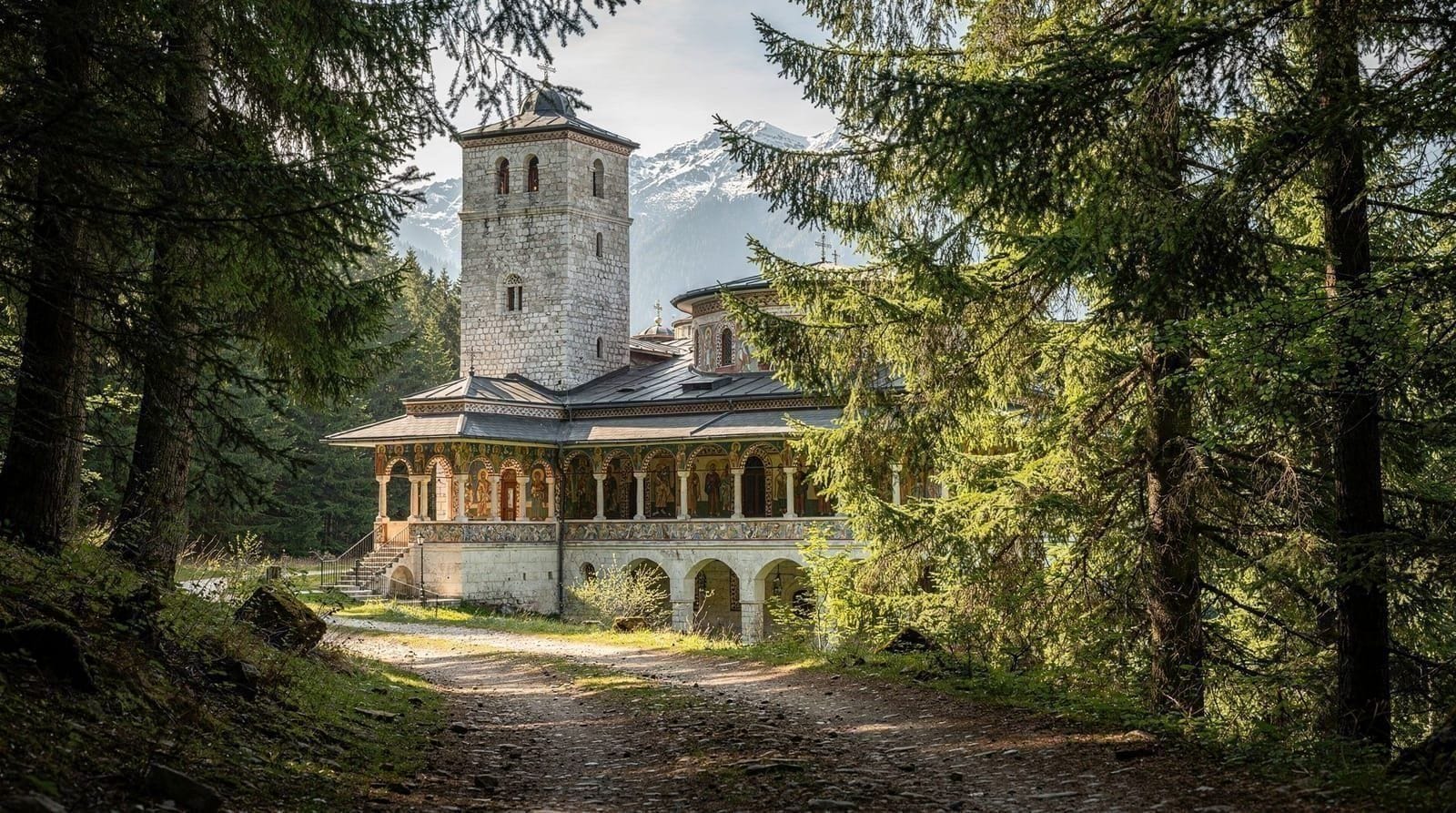
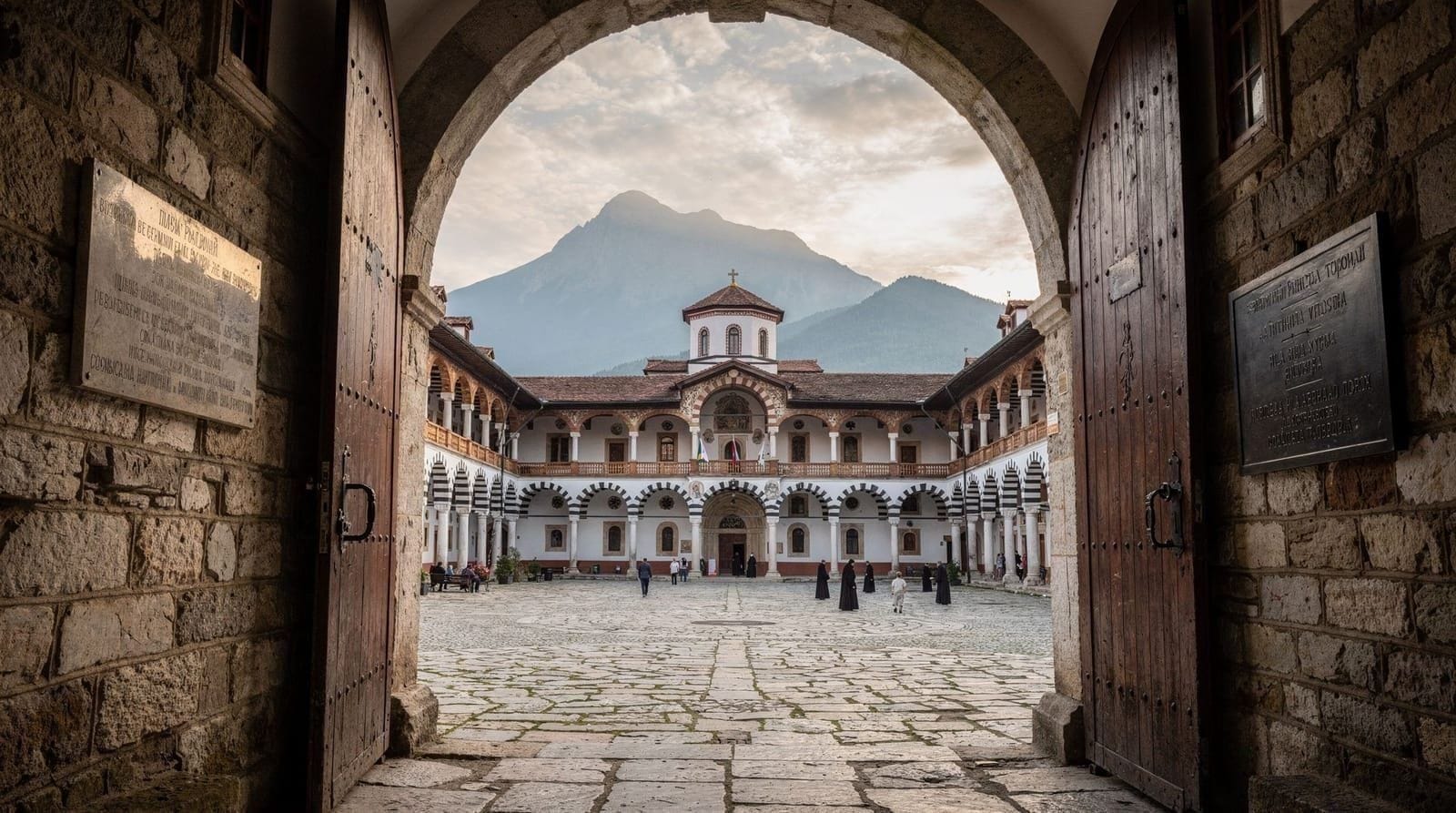
For a longer version of this area, Sapareva Banya also works as a one-night base. There are several spa hotels at reasonable rates (€40–80 for a double), and an overnight stay allows you to do the Seven Rila Lakes hike on day one and the Rila Monastery or lower Rila trails on day two, with a thermal pool session each evening. The Rila Monastery day trip guide covers the monastery visit in detail.
Bankya: the quick Sofia option
Bankya sits 17km west of central Sofia and is officially part of Sofia Municipality. It has been a mineral water retreat since at least the early 20th century, and in Bulgarian culture the name is synonymous with mineral water and healthy air — a place historically used for convalescence and rest. It is not a hot spring destination in the geothermal sense; the mineral water here emerges at around 37°C and is valued primarily for its mineral content (calcium, magnesium, bicarbonate) rather than its heat.
The public Bankya Mineral Baths occupy a period building from the early 20th century with outdoor and indoor pools. The experience is more of a local tradition than a tourist attraction, which is part of its appeal. On a weekday morning you are likely to be in the water alongside retirees and local families rather than tour groups. The park setting around the baths is pleasant for a post-soak walk.
Getting to Bankya is one of the most accessible excursions from Sofia. Trains from Sofia Central Station to Bankya run every 1–2 hours, take about 25 minutes, and cost roughly €1. The baths are a short walk from the Bankya station. By car, it is a 25-minute drive. Metro Line 1 goes as far as Lyulin, from where Bankya is accessible by suburban bus.
Pool entry costs €3–7 depending on which facility and time of day. For a half-day outing from Sofia — particularly in winter, when outdoor thermal pools have obvious appeal — Bankya is hard to beat on convenience. Manage expectations: this is mildly warm mineral water, not a high-temperature volcanic spa, and the facilities are functional rather than luxurious.
Kostenets: the motorway stop
Kostenets is a small town on the E80 Sofia-Plovdiv highway, about 70km east of Sofia and 70km west of Plovdiv. It has mineral springs, a modest spa infrastructure, and a name that appears in Bulgarian lists of mineral water destinations. In practice, it is relevant mainly to drivers making the Sofia–Plovdiv journey who want to break the trip with a quick stop, or to people combining a spa visit with a Plovdiv day trip.
The facilities at Kostenets are basic. There are local mineral baths and a few small spa hotels, but this is not a developed resort and the experience is low-key. The mineral water temperature is lower than Sapareva Banya. It is a reasonable 30-minute stop if you have a car and are already passing through; it is not worth making a special trip from Sofia.
To reach Kostenets: on the E80 heading east toward Plovdiv, take the Kostenets exit (around 70km from Sofia). The road into town is a few kilometres from the motorway. By bus, any of the frequent Sofia–Plovdiv buses can drop you at Kostenets, though services back toward Sofia are less frequent.
Pancharevo: the suburban lake option
Pancharevo is a district on Sofia’s southeastern edge, about 15km from the city centre. It is better known for Pancharevo Lake — a reservoir created in the 1950s — than for mineral springs. Natural mineral springs do exist in the area, and on hot summer weekends the lake is used for swimming, kayaking, and picnicking by Sofia residents. However, the spa infrastructure is thin and this is not a thermal spa destination in any meaningful sense.
If you happen to be in the area for the lake, note the mineral spring presence as a curiosity. For anything resembling a thermal spa experience, continue to Sapareva Banya. Bus route 5 reaches Pancharevo from central Sofia.
Central Mineral Baths in Sofia
The most architecturally notable mineral-water site in the Sofia area is also the one where you cannot bathe. The Central Mineral Baths building on Maria Luiza Boulevard — a large, ornate neo-Byzantine structure completed in 1913 — operated as a public bathhouse until the late Soviet period and reopened as the Sofia History Museum in 2015. The building is worth seeing from the outside (and the museum is worth seeing from the inside) but it no longer has any bathing function.
What it does have, and what Sofia residents use regularly, is a row of free drinking fountains on the building’s exterior. The mineral water emerges at around 37°C and is bottled by locals in large plastic containers. This is the same aquifer that once fed the bathhouse. Standing next to Banya Bashi mosque — the 16th-century Ottoman mosque across the street, still an active place of worship — and filling a bottle from a thermal fountain is a pleasingly specific Sofia experience, located a few minutes’ walk from the central market halls and the old town.
This is not a spa visit, but it is a free, low-effort encounter with Sofia’s mineral water culture and worth combining with any walking tour of the old town area.
Organised spa tours from Sofia
For visitors without a car, or for those who want the logistics handled, several tour operators run spa-focused day trips from Sofia. The main options are:
Seven Rila Lakes and Sapareva Banya: The most popular combination. Minibus from Sofia, gondola at Panichishte, the lakes hike, afternoon thermal pools at Sapareva Banya, return to Sofia. Full day of 10–11 hours. Typically includes transport and gondola ticket; pool entry may be extra depending on operator.
GetYourGuideFrom Sofia: 7 Rila Lakes Hiking & Thermal Spa Day TourCheck availability →Rila Monastery and mineral spa: Some operators combine the monastery visit with a stop at an outdoor mineral pool, sometimes in the Kostenets or lower Rila area. A good option if cultural heritage and spa recovery appeal equally.
GetYourGuideFrom Sofia: Rila Monastery UNESCO Site & Outdoor Mineral SpaCheck availability →Half-day thermal option near Sofia: A shorter tour that focuses on the nearer mineral water destinations, suitable if you have only a morning free or are combining with something else in Sofia in the afternoon.
GetYourGuideHalf Day Tour: Sofia and the Mountains with Thermal SpaCheck availability →Booking tours from a central platform means you can compare what is included — transport, guide, gondola, pool entry — rather than assembling individual components.
Practical tips for spa visits
What to bring: Swimwear is required everywhere. Flip-flops or plastic sandals are mandatory at most facilities (bare feet in changing areas and on pool decks are not permitted). Bring your own towel or budget to rent one. A small waterproof pouch for your phone is useful at outdoor pools.
Winter visits: Outdoor thermal pools in winter are a genuine pleasure. Sapareva Banya’s pools steam in cold air, the surrounding mountains are often snow-covered, and the facilities are much less crowded than in summer. If you are visiting Sofia in December through February, a spa day is one of the most enjoyable possible excursions. The Sofia in winter guide covers other winter options and the general rhythm of the city in the cold months.
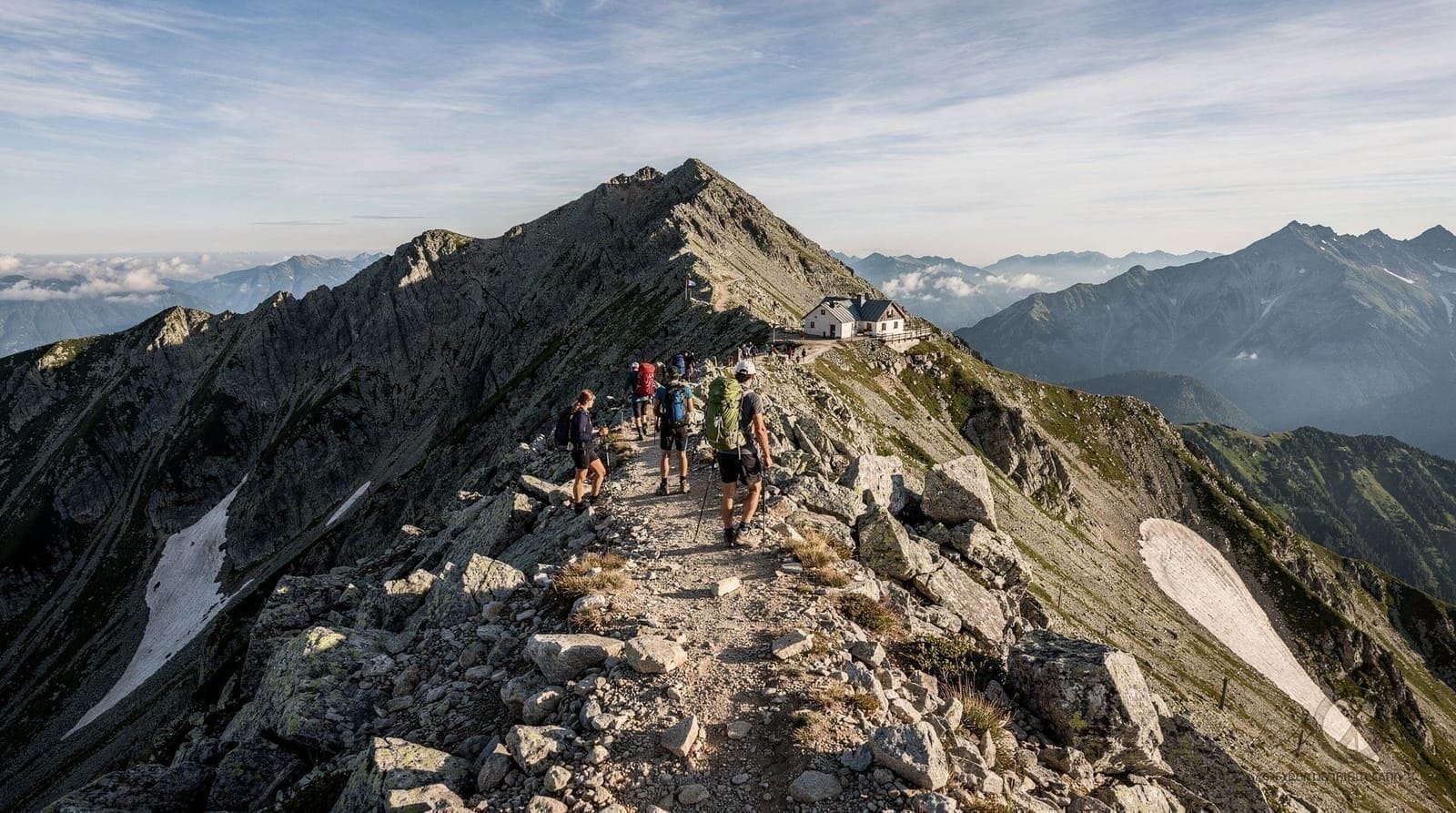
Post-hiking recovery: The pairing of a demanding mountain hike with a thermal soak is a Bulgarian tradition. After a full day on the Rila Mountains trails, arriving at Sapareva Banya by 16:00 and spending an hour in warm water before the drive back to Sofia makes the physical recovery substantially better. If you are doing the Seven Rila Lakes hike (detailed in the Seven Lakes day trip guide), Sapareva Banya is close enough to add without significant extra driving.
Skin sensitivities: Mineral water with high sulphur or mineral content can irritate sensitive skin. If you have eczema or known skin sensitivities, start with a shorter soak (15–20 minutes) and see how your skin responds. This is not a concern for most people but worth noting.
Children: Most outdoor pool facilities in Bulgaria allow children. Bankya in particular tends to attract families. Sapareva Banya’s main pool complex has areas suitable for children. Check specific facility rules if you are travelling with very young children.
Spa hotels for an overnight: If you want more than a day-visit experience, the Sapareva Banya area has several spa hotels with in-house thermal pools, full-board packages, and access to the town’s public pool facilities. Rates are typically €40–90 per night for a double with pool access. This makes a comfortable base for a two-day Rila itinerary combining the Seven Rila Lakes on day one and Rila Monastery or Borovets on day two.
For broader trip planning, the day trips from Sofia guide compares all the main excursions, and how many days in Sofia helps with overall scheduling. The best time to visit Sofia guide is relevant for timing a winter spa day.
Frequently asked questions about Hot springs and thermal spas near Sofia
Where are the best hot springs near Sofia?
Sapareva Banya, 95km south of Sofia near the Seven Rila Lakes gondola, has the most substantial thermal infrastructure. Its geyser-source hot spring reaches 100°C — the highest natural spring temperature in Europe — and several spa complexes cool the water to bathing temperature (36–40°C). For a much quicker option, Bankya is 17km from Sofia with mineral water pools and regular train service.How do I get to Sapareva Banya from Sofia?
By car, Sapareva Banya is about 95km from Sofia via the E79 motorway south toward Dupnitsa, then a local road east through Samokov direction. The drive takes around 1.5 hours. There is no direct bus from Sofia to Sapareva Banya; the practical options are a car, a taxi from Dupnitsa (the nearest rail and main bus hub), or an organised tour that combines the thermal pools with the Seven Rila Lakes.What is the temperature of the hot springs in Sapareva Banya?
The source spring in Sapareva Banya, sometimes called 'The Geyser', emerges at around 100°C and is one of the highest-temperature natural springs in Europe. The water is cooled before entering public pools, which are typically maintained at 36–40°C for outdoor pools and slightly warmer for private spa cabins. This temperature range is warm enough to be genuinely therapeutic but comfortable for extended soaking.Can I combine the Seven Rila Lakes hike with a thermal spa visit?
Yes, and it works very well. The Panichishte gondola station for the Seven Rila Lakes is about 15km from Sapareva Banya. If you have a car, you can hike the lakes in the morning and reach Sapareva Banya by mid-afternoon. Several organised tours from Sofia combine both in a single day, including transport, the gondola, the hike, and the thermal pool entry.Are there thermal pools in Sofia itself?
Sofia does not have public bathing thermal pools. The landmark Central Mineral Baths building (1913, next to Banya Bashi mosque) is now a history museum and closed for bathing. Outside the building, there are free mineral water drinking fountains where locals fill bottles — this is mineral water at around 37°C, not a bathing facility. The nearest bathing options are Bankya (17km, mineral water pools) and Pancharevo (15km, natural springs but limited spa development).What is the cost of visiting thermal spas in Bulgaria?
Entry to public outdoor pools at Sapareva Banya typically costs €5–12 per person. Private spa cabins or hotel pool access are higher, around €15–25 for a session. Bankya's public baths are more affordable, in the €3–7 range. Organised tours from Sofia that include thermal spa access usually price pool entry into the total tour cost, which runs €35–65 depending on what else is included.What should I bring to a Bulgarian thermal spa?
Bring swimwear, flip-flops or sandals (required in most facilities for hygiene), and a towel — some venues rent towels but it adds cost and the quality varies. A waterproof bag for your phone is useful if you want to take photos at outdoor pools. Facilities in Sapareva Banya range from simple public pools to hotel spas with changing rooms, lockers, and shower facilities; the better hotel spas have everything you need on-site.Which is better for a first-timer: Sapareva Banya or Bankya?
Sapareva Banya if you want a genuine hot-spring experience and can combine it with the Seven Rila Lakes or a car trip. Bankya if you want convenience — a 25-minute train ride, low cost, and a low-key local atmosphere, with the trade-off that the water is warm rather than truly hot. Most first-time visitors with limited time choose Bankya; those prioritising the mountains choose Sapareva Banya.Are Bulgaria's thermal spas open year-round?
Yes, both Sapareva Banya and Bankya operate year-round, with outdoor pools open even in winter — the contrast between hot water and cold air is part of the appeal. Some smaller hotel spa cabins may have seasonal hours, so check ahead if visiting a specific smaller facility in the off-season.
Top experiences
Bookable activities with verified prices and instant confirmation on GetYourGuide.