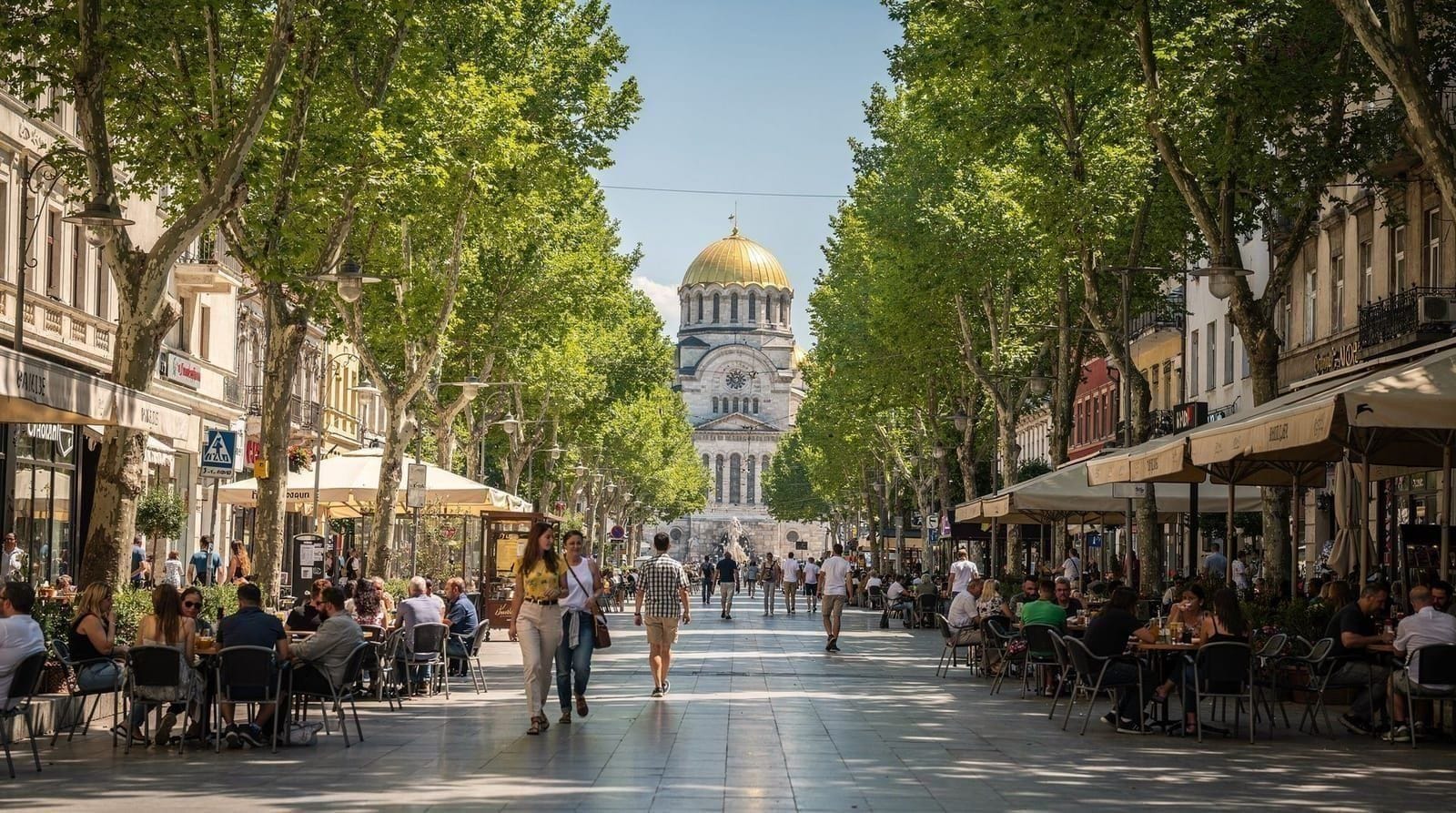
Best time to visit Sofia: a month-by-month guide
From Sofia: Full-Day Tour to Rila Monastery with Options
When is the best time to visit Sofia?
April to May and September to October are the sweet spots — mild temperatures (15–22°C), manageable crowds, and the full range of day trips open. Serious hikers head to the Rila Lakes in July and August despite the heat and peak prices. Skiers and budget travellers get the best deal in January and February.
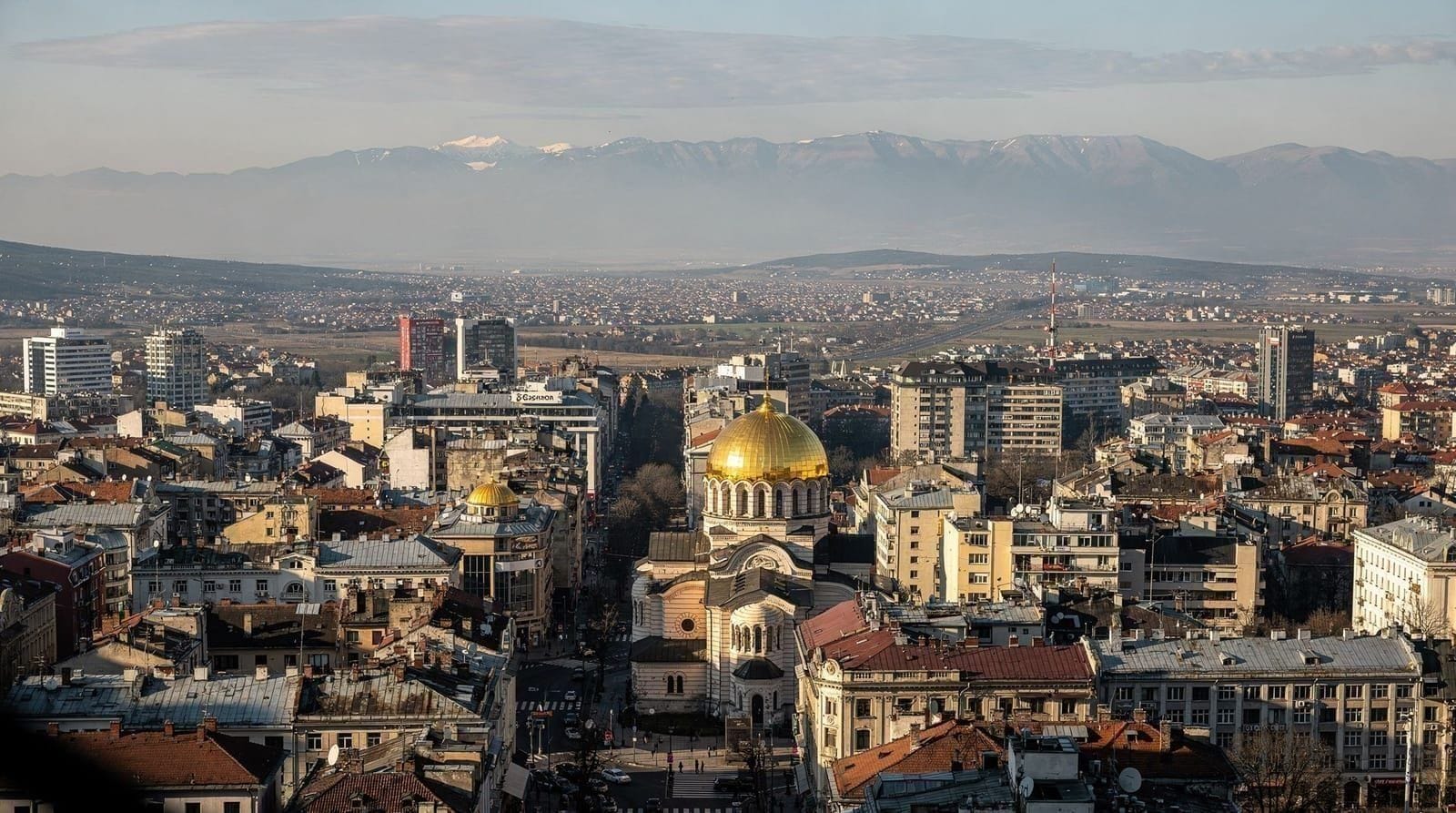
Sofia rewards visitors in every season, but not equally. Spring and autumn offer the best balance of comfortable weather, reasonable prices, and full access to hiking trails and day trips. Summer concentrates crowds and heat in the city, but unlocks the highest mountain terrain at its most accessible. Winter strips away the tourists, cuts accommodation prices, and puts two ski resorts within easy reach. The honest answer is that the best time depends on what you’re here to do.
| Season | Temperature | Crowds | Best for |
|---|---|---|---|
| Spring (Apr–May) | 12–22°C | Low–moderate | Vitosha wildflowers, Rila Monastery, city walks |
| Summer (Jun–Aug) | 27–30°C | Moderate–high | Seven Rila Lakes, coast add-on |
| Autumn (Sep–Oct) | 15–22°C | Low–moderate | Day hikes, wine harvest, best overall value |
| Winter (Dec–Feb) | -3–5°C | Low | Skiing, Christmas markets, lowest prices |
Spring: April and May — the prime window
April and May are the months most visitors should aim for. Temperatures climb from around 12°C in early April to 20–22°C by late May, the days are long, and the city runs on a relaxed pre-peak rhythm. Vitosha Mountain comes alive with wildflowers, lower trails clear of snow by mid-April, and Cherni Vruh is typically accessible without snowshoes from late April onward. For a practical guide to Vitosha’s routes at this time of year, see the Vitosha hiking guide.
The Seven Rila Lakes area usually becomes snowshoe-free by mid-May, though a late snowfall can push that to early June in high-snowfall years. Check the current conditions via the Rila National Park website or the Seven Lakes hut Facebook page, both updated regularly during the season transition. If the lakes are accessible, May is the best time to do this trip — the crowds that descend in July and August have not yet arrived.
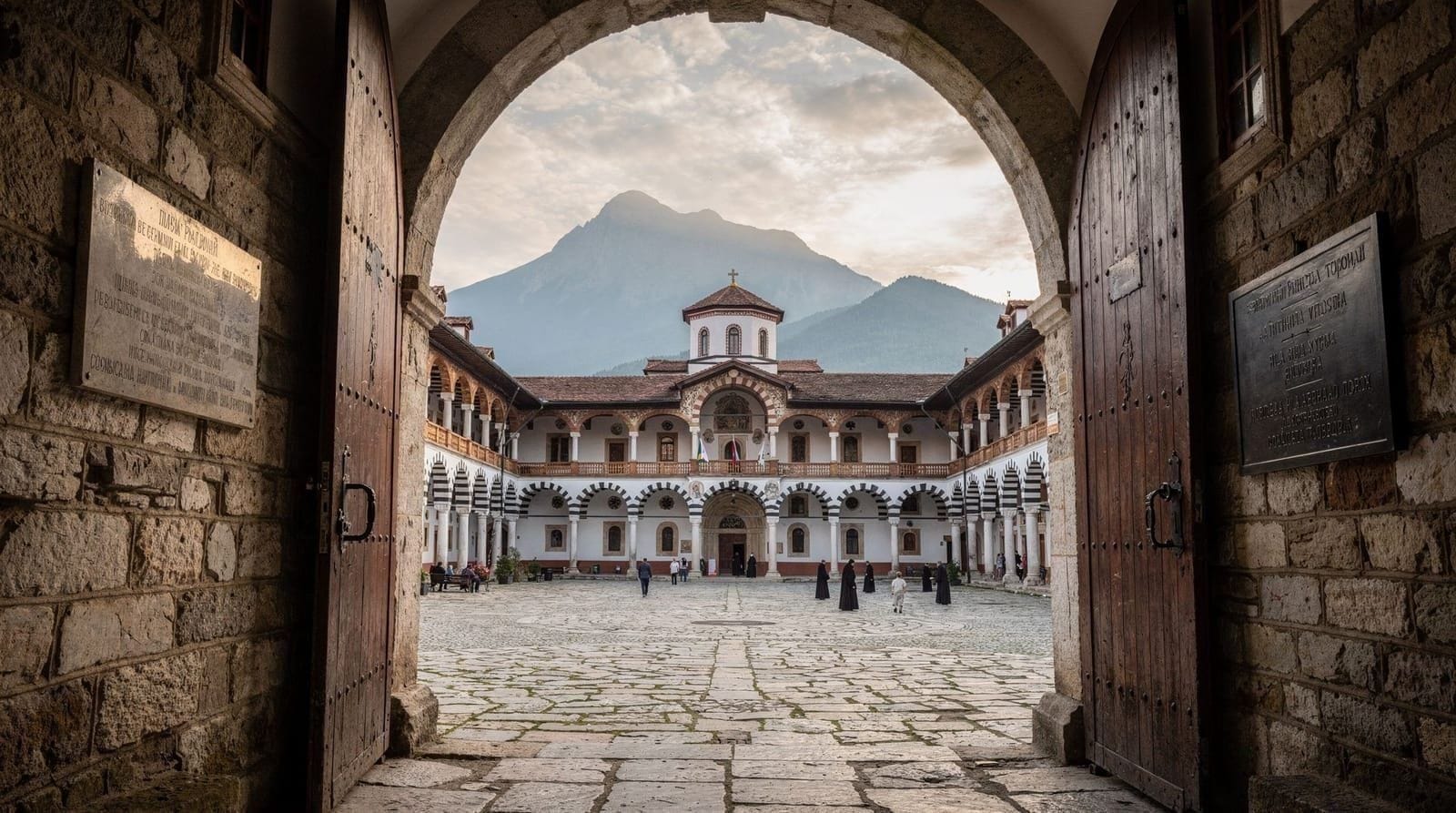
Rila Monastery is open year-round and visits are perfectly pleasant in spring. Going in April or May means arriving before the summer coach convoys.
GetYourGuideFrom Sofia: Full-Day Tour to Rila Monastery with OptionsCheck availability → GetYourGuideFrom Sofia: Skopje, Northern Macedonia Day TourCheck availability →Rose Festival, late May to early June: Bulgaria’s most distinctive cultural event takes place not in Sofia but in Kazanlak, roughly 200km to the east and around 2.5 hours by road. The exact dates shift each year depending on when the Damask roses bloom, but the main festival weekend typically lands in the last week of May or first week of June. Celebrations include rose-picking ceremonies at dawn, folk music, and parades. If you are timing a Sofia trip around the festival, pair it with a stop in Plovdiv on the return leg.
Budget note: Hotels and guesthouses are at mid-season prices in April, stepping up slightly in May. You will typically pay €45–80 per night for a comfortable mid-range room, and almost everything can be booked a few days in advance without stress.
March: shoulder season with variable conditions
March sits in an awkward middle zone. Temperatures are 6–12°C, but cold spells can still arrive from the north, and snow above 1500m is common throughout the month. The city is quiet, prices are low, and most museums and restaurants operate normally. Liberation Day (March 3, a national public holiday) brings crowds to Alexander Nevsky Square for ceremonies and parades — a distinctive experience if you happen to be in Sofia.
March is not recommended for hiking in Rila without experience in winter mountain conditions. The Seven Rila Lakes remain accessible only on snowshoes until late March or April, and conditions can change rapidly. Borovets ski season (December–March) typically runs until the month’s end, so early March is actually a reasonable time for a combined city-and-skiing trip before the slopes close.
Summer: June to August — heat, crowds, and superb mountains
Sofia in summer is warm and fairly lively, but the city lacks the tourist hordes of Western European capitals. Temperatures reach 27–30°C in July and August, which makes wandering the old town on a hot afternoon less pleasant but hardly intolerable. The city has good shade, affordable cafes everywhere, and Vitosha’s forested lower slopes provide relief within half an hour of the centre.
The real summer draw is the high mountain terrain. By July, the Seven Rila Lakes circuit is fully open, the paths are dry, and the views from the Rila ridge are unobstructed. This hike is genuinely spectacular, and it is the one experience on the Sofia day-trip list that is best done in summer rather than spring or autumn. Go on a Tuesday or Wednesday if possible — weekend trails in July and August can be genuinely congested near the chairlift at Panichishte.
GetYourGuideFrom Sofia: The Seven Rila Lakes Full-Day Self-Guided TourCheck availability →Bansko transforms from a ski town into a hiking base in summer, with trails into Pirin National Park opening from June. Koprivshtitsa is pleasant in summer for its architecture and folk atmosphere. The day trips from Sofia guide covers both.
June is the warmest month without yet hitting peak prices or crowds. It sits in a sweet spot: trails open, days long (sunset around 9pm), and hotel rates 10–15% below the July peak. Rila Monastery is a lovely visit in June when the valley around it is deeply green.
July and August are the most expensive months — hotel rates run 30–50% higher than winter. Book tours and accommodation at least two to three weeks in advance for popular options. The Rila Monastery day trip and Seven Lakes tours sell out regularly on summer weekends.
Budget note: A mid-range double room in Sofia costs €65–110 in peak summer. Budget hotels and hostels remain affordable (€25–45), but fill up faster.
September and October: the underrated season
September and October are arguably the best months of the year for a Sofia trip combining city exploration with day hikes. Temperatures drop back to 15–22°C, the summer crowds dissipate, and the mountain landscapes take on amber and gold tones by mid-October. Trails remain dry and clear, the Seven Rila Lakes are fully accessible without snow, and accommodation prices begin easing after the August peak.
Wine harvest season in September and October brings its own regional interest. The Thracian Valley south of Plovdiv and the Struma Valley toward Melnik are the main wine zones. Melnik — Bulgaria’s smallest town and largest wine producer — is worth an overnight trip in this period.
October sees the first dustings of snow on Vitosha above 1800m, which makes for dramatic photography without requiring winter gear on the lower trails. By late October, though, hiking footwear with ankle support and waterproofing becomes important on any trail above the treeline.
The Sofia International Film Festival takes place in October, and the National Opera (season October–June) opens its programme with new productions.
Budget note: September prices are still close to summer rates. By October, hotel prices begin falling back toward the spring mid-season level. October can be an excellent budget option if you accept shorter daylight hours (sunset around 6:30pm by month’s end).
November: the quietest month
November is Sofia at its quietest. Temperatures drop to 4–10°C, the trees shed their leaves, and the city enters its lowest-traffic period. Hotels are at their cheapest, restaurants are unhurried, and the National History Museum, National Gallery, and other indoor attractions are practically empty. There is nothing wrong with visiting Sofia in November if you are comfortable with grey skies and short days — but it is the one month where the city’s outdoor appeal is genuinely reduced.
Vitosha trails can be muddy and cold in November, and the first snowfall of the season can arrive at any point after mid-month. The Rila Monastery is as impressive in November fog as in summer sun, and the experience of having the courtyard largely to yourself is memorable.
Late November brings the first Christmas lights to Vitosha Boulevard, warming the city up visually even as temperatures fall.
Winter: December to February — skiing, markets, and low prices
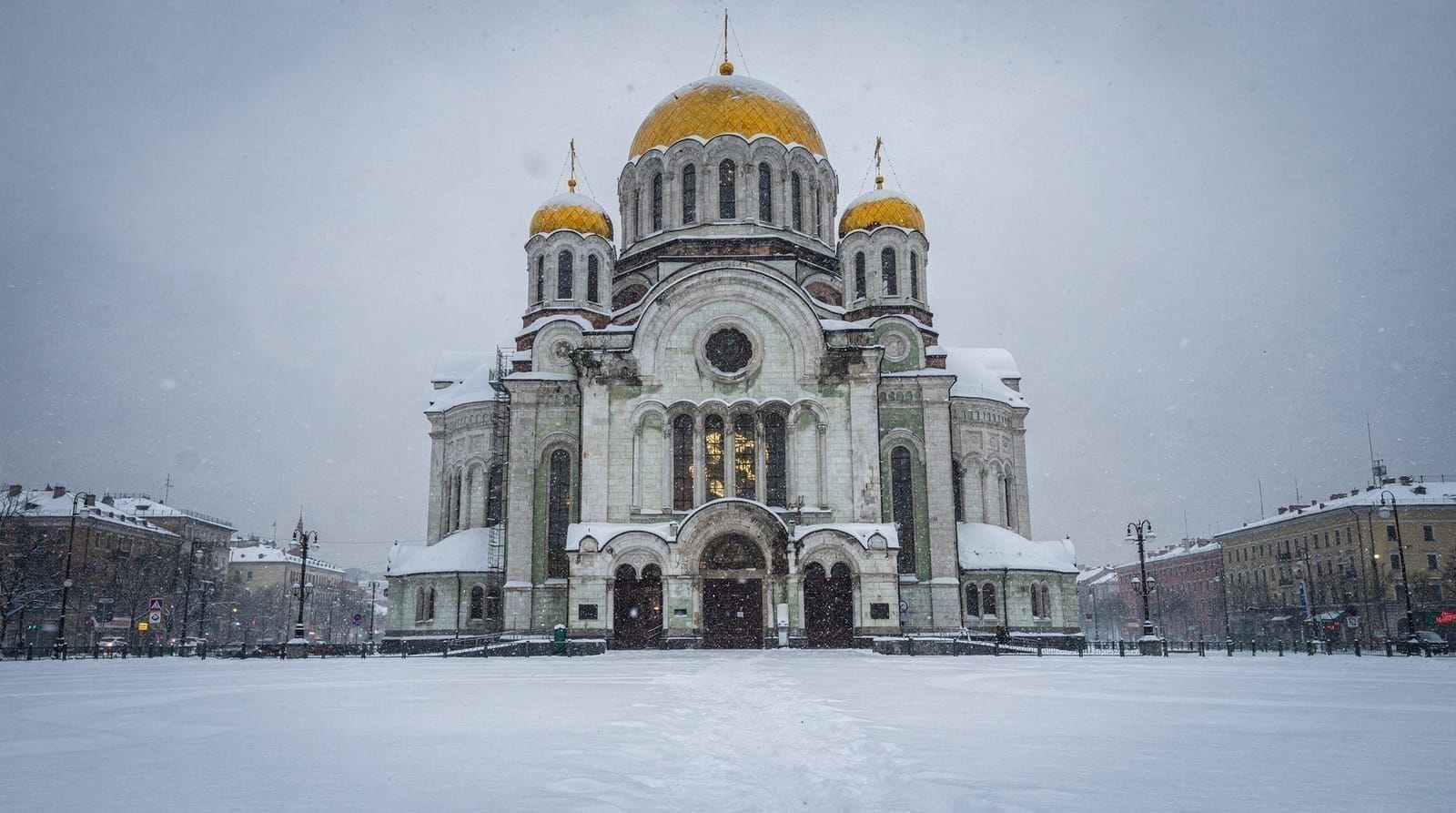
Sofia’s winter case is stronger than many visitors expect. The city has a genuine Christmas atmosphere from late November through December, with lights along Vitosha Boulevard, a market at Ploshtad Sveta Nedelya, and New Year celebrations at Alexander Nevsky Square that draw large local crowds. The National Opera and Sofia Philharmonic are in full swing. Restaurants are warm and cosy. And two ski resorts sit within a two-hour drive.
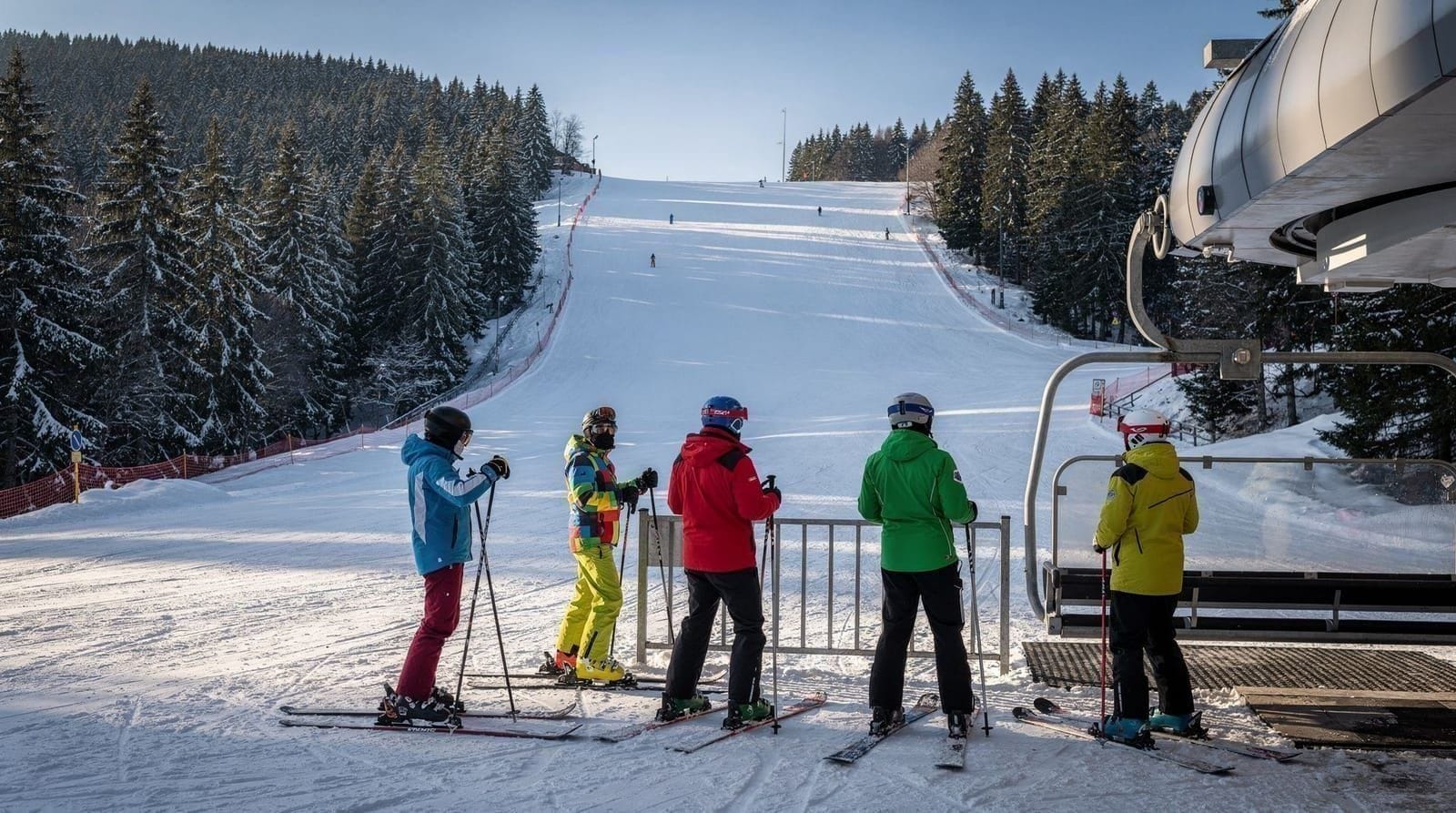
December offers the full Christmas atmosphere alongside reasonable skiing at Borovets (73km, December–March season) and Bansko (160km, typically December–April). Borovets daily lift passes run €35–45; Bansko runs €45–60. A guided ski day trip from Sofia that combines skiing with thermal pools at Sapareva Banya is one of the best-value winter activities available.
GetYourGuideFrom Sofia: Snowshoe Hike on Vitosha MountainCheck availability →January and February are cold (average highs 2–5°C, lows around -3 to -5°C with periodic colder snaps to -10°C), but ski conditions are often at their best. Hotel rates drop to their annual low — 30–50% below summer peak. A quality mid-range room costs €35–55 per night. The city moves at a slower pace, queues at museums and restaurants essentially disappear, and the day-trip landscape shifts toward snowshoeing and skiing rather than hiking.
Snowshoeing on Vitosha is particularly good in January, with reliable snow cover above 1600m and marked snowshoe routes up to Cherni Vruh and along the Zlatni Mostove plateau. Guided snowshoe tours depart from central Sofia and handle all equipment rental.
Orthodox Christmas (January 7) is a significant date. Banks, government offices, and some shops close, though most tourist-facing services remain open. The period between January 7 and Orthodox New Year (which follows the Gregorian calendar — January 1 for most Bulgarians) can bring a second round of celebrations.
What is limited in winter: Some mountain huts in Rila close from November to April, and guided hiking tours to the Seven Rila Lakes operate only sporadically (snowshoe tours replace them). Gondola and chairlift schedules can be curtailed outside ski season — always check before planning a trip that depends on them. Vitosha’s Aleko gondola from Simeonovo runs on a seasonal schedule, with reduced winter operating hours.
For a full breakdown of winter options, including what to pack and what stays open, see Sofia in winter.
Planning by budget
Sofia is affordable year-round by Western European standards, but the seasonal variation is real:
Peak season (July–August): Mid-range hotels €65–110/night. Tours and popular day trips book up 1–2 weeks in advance on weekends. Car rental and domestic flights to the coast are at their most expensive.
Shoulder season (April–May, September–October): Hotels €45–80/night. Walk-in availability for most tours, though the Seven Lakes on weekends in September can still fill quickly. Best overall value.
Low season (November, January–February): Hotels €35–55/night. Walk-in availability for almost everything. Ski tours should still be booked a day or two in advance in peak January.
December: Occupies a mid-tier — not high season, but the Christmas market period (typically December 10–30) pushes accommodation prices slightly upward, particularly for the city-centre hotels closest to Vitosha Boulevard.
How many days do you need?
The answer depends on what you want to combine. For city sightseeing alone, two days in Sofia covers the main sights without rushing. Add a third day for Rila Monastery or Koprivshtitsa. The three-day Sofia itinerary builds in both a day trip and a half-day on Vitosha. For a full loop taking in Sofia, Rila, and Plovdiv, four days or a long weekend is the minimum. See how many days in Sofia for a detailed breakdown by travel style.
Quick seasonal summary
Best overall (city + hiking + day trips): May, early June, September, early October.
Best for skiing: January and February for reliable snow; December if you want to combine with Christmas atmosphere.
Best for the Seven Rila Lakes: July and August for dry, snow-free conditions, or late May/early June if the season has opened early.
Best for budget travel: January and February (lowest prices, best skiing value), or November if you accept limited outdoor options.
Best for culture and events: December for Christmas markets; late May or early June for the Rose Festival; October for the film festival and autumn light.
Avoid if you dislike crowds: Mid-July to mid-August on the Seven Lakes trail and Rila Monastery on summer weekends.
Planning a trip around a specific experience? The Sofia itinerary planning guide maps out how to combine the city with each of the major day trips by season.
Frequently asked questions about Best time to visit Sofia
What is the best month to visit Sofia?
May is consistently the top pick. Temperatures reach 18–22°C, spring flowers are out on Vitosha, the Seven Rila Lakes are usually accessible without snow, and hotel prices have not yet hit the summer peak. If you want markets and Christmas atmosphere, December is excellent despite the cold.Is Sofia worth visiting in winter?
Yes, especially if you want low prices and ski access. Hotel rates in January and February are 30–50% lower than summer. Borovets is under 90 minutes away, Bansko is two hours, and the city itself runs at a calm, unhurried pace. The main trade-off is short daylight hours (sunset around 4:30pm in December) and the occasional cold snap with temperatures dipping to -10°C.When does Sofia get the most tourists?
July and August are the peak months. The city itself is manageable — nowhere near as crowded as Prague or Lisbon in summer — but the Seven Rila Lakes trail gets congested on weekends, accommodation prices jump 30–50%, and many locals leave the city for the coast. Book tours in advance from late June.What is the Rose Festival and when does it happen?
The Rose Festival takes place in Kazanlak, around 200km east of Sofia, every year in late May or early June. The exact dates shift annually depending on when the roses bloom. The festival celebrates the harvest of Damask roses used in Bulgarian rose oil production. Sofia-based visitors typically do it as an overnight trip or combine it with a stop in Plovdiv.When is Orthodox Easter in Bulgaria, and does it affect travel?
Bulgaria celebrates Easter on the Orthodox calendar, which places it one to five weeks after Western Easter — occasionally on the same date. In 2026 Orthodox Easter falls on April 19. The week before Easter (Holy Week) and Easter weekend see heavy domestic travel. Bus and train tickets sell out on key routes; book accommodation in mountain towns and monasteries two to three weeks ahead if you plan to travel then.Is Sofia expensive in summer?
Sofia is one of the most affordable capitals in Europe year-round. In peak summer, expect to pay €60–100 per night for a good mid-range hotel, versus €35–65 in winter. Meals, transport, and entrance fees do not change with the season. Day trips to popular destinations like the Seven Rila Lakes cost roughly the same, but tours book up faster.Can you combine Sofia with the Bulgarian coast in summer?
Yes, but it requires a bit of planning. The Black Sea coast (Varna, Burgas, Sozopol) is roughly 400–450km from Sofia — a 4.5 to 5.5 hour drive or train journey. This works well as an add-on at the start or end of your trip, rather than a day trip. Flying Sofia to Varna takes under an hour. The coast is at its best from June to September.What should I pack for Sofia depending on the season?
Spring and autumn: layers, a light rain jacket, sturdy walking shoes. Summer: light clothing, sun protection, a hat, and swimwear if combining with the coast. Winter: a proper warm coat, gloves, and waterproof boots for icy pavements; add ski gear only if you plan to rent locally, since most resorts offer rental. Bring a scarf year-round for church visits, where shoulders must be covered.Is there a single worst month to visit Sofia?
November is the weakest month for most travellers — short daylight, grey skies, muddy Vitosha trails, and no ski season yet. It's not a bad time if you only want the city itself, museums, and low prices, but if hiking or skiing matters to your trip, avoid it in favour of October or December.
Top experiences
Bookable activities with verified prices and instant confirmation on GetYourGuide.