Bulgarian wine guide: regions, grapes, and where to taste it
Sofia: Wine and Tapas - Bulgarian's Wine Tasting Experience
Is Bulgaria a good wine destination?
Yes — Bulgaria is one of Europe's oldest wine-producing countries with unique indigenous grapes like Mavrud and Melnik 55 that you genuinely cannot find elsewhere. Prices are low, quality has risen sharply since 1990, and tasting tours from Sofia are easy to organise.
Bulgaria has been making wine for longer than France, longer than Italy, longer than almost anywhere in Europe that wine drinkers typically think about. The Thracians cultivated vines in these valleys five thousand years ago. Ancient Greek writers described Bulgarian wine as among the best in the known world. And then, for several decades in the twentieth century, that entire tradition was nearly erased — before quietly coming back.
Understanding that trajectory helps explain why Bulgarian wine is simultaneously one of Europe’s great bargains and one of its best-kept secrets. This guide covers everything a traveler needs: the history, the regions, the grapes you can only find here, where to taste in Sofia, and how to plan the best wine day trip the country offers.
| Where | Sofia wine bars, or a Melnik/Struma Valley day trip |
| Cost | Bottles €8–15; guided tastings €25–55/person |
| Time needed | 2–3 hrs for a Sofia tasting; a full day for Melnik |
| Getting there | Melnik is roughly 3 hrs by car from Sofia |
| Best time | Year-round in Sofia; September–October for harvest atmosphere |
A short history worth knowing
The Thracians who inhabited what is now Bulgaria had a sophisticated wine culture — amphorae, ritualised drinking ceremonies, dedicated vineyard plots. When the Romans absorbed the region, they found an existing wine industry and expanded it. Medieval Bulgaria had monastery vineyards producing wines that traveled across the Byzantine trade routes.
Then came Ottoman rule, which lasted nearly five centuries. The Ottoman administration was formally Islamic and officially prohibited wine production, though in practice many vineyards survived under Christian monastery management and village tradition. The real disruption came later.
After the communist takeover in 1944, private vineyards were collectivized into large state cooperatives. The emphasis shifted to volume exports — Bulgaria became a significant bulk wine exporter to the Soviet bloc and, oddly, to the UK, where cheap Bulgarian Cabernet Sauvignon became a grocery store staple in the 1970s and 80s. Volume and consistency were prioritized over quality or variety. Indigenous grapes were ripped out in favor of internationally recognizable varieties that were easier to sell.
The post-1990 transition broke up the cooperatives and returned land to private ownership — but vineyards were often returned to elderly people with no capital to invest, and the industry fragmented badly. The real quality revival began in the early 2000s, when foreign investment arrived (most visibly the Italian winemaker Edoardo Miroglio, who planted French varieties in the Thracian Valley) alongside a new generation of Bulgarian winemakers trained in France, Italy, and Australia who returned and began replanting indigenous varieties.
Today Bulgaria has around 70,000 hectares under vine. The best estates produce wines that compete at European medal competitions. The indigenous grapes — Mavrud, Melnik 55, Rubin, Dimyat — are again being taken seriously. Prices remain a fraction of what comparable quality costs in Western Europe.
GetYourGuideSofia: Wine and Tapas - Bulgarian's Wine Tasting ExperienceCheck availability →The five wine regions
Bulgaria is divided into five official wine regions, each with distinct terrain, climate, and characteristic varieties.
Thracian Valley
The heartland of Bulgarian wine, centred on Plovdiv and the Maritsa River plain to the south and east. This is warm, continental climate country — hot summers, mild winters, fertile soils. Mavrud is the prestige grape here: a thick-skinned, late-ripening red that produces deeply coloured wines with grippy tannins, dark fruit, and genuine ageing potential. The town of Asenovgrad, just south of Plovdiv, is the traditional Mavrud zone.
Top estates to look for: Bessa Valley Winery (founded 2001, Bordeaux-trained team, produces both Mavrud and international varieties), Villa Yustina (one of the most consistent mid-range producers), Castra Rubra (organic-leaning, modern style). If you’re visiting Plovdiv on a day trip from Sofia, most wine shops there carry excellent Thracian Valley bottles.
Struma Valley
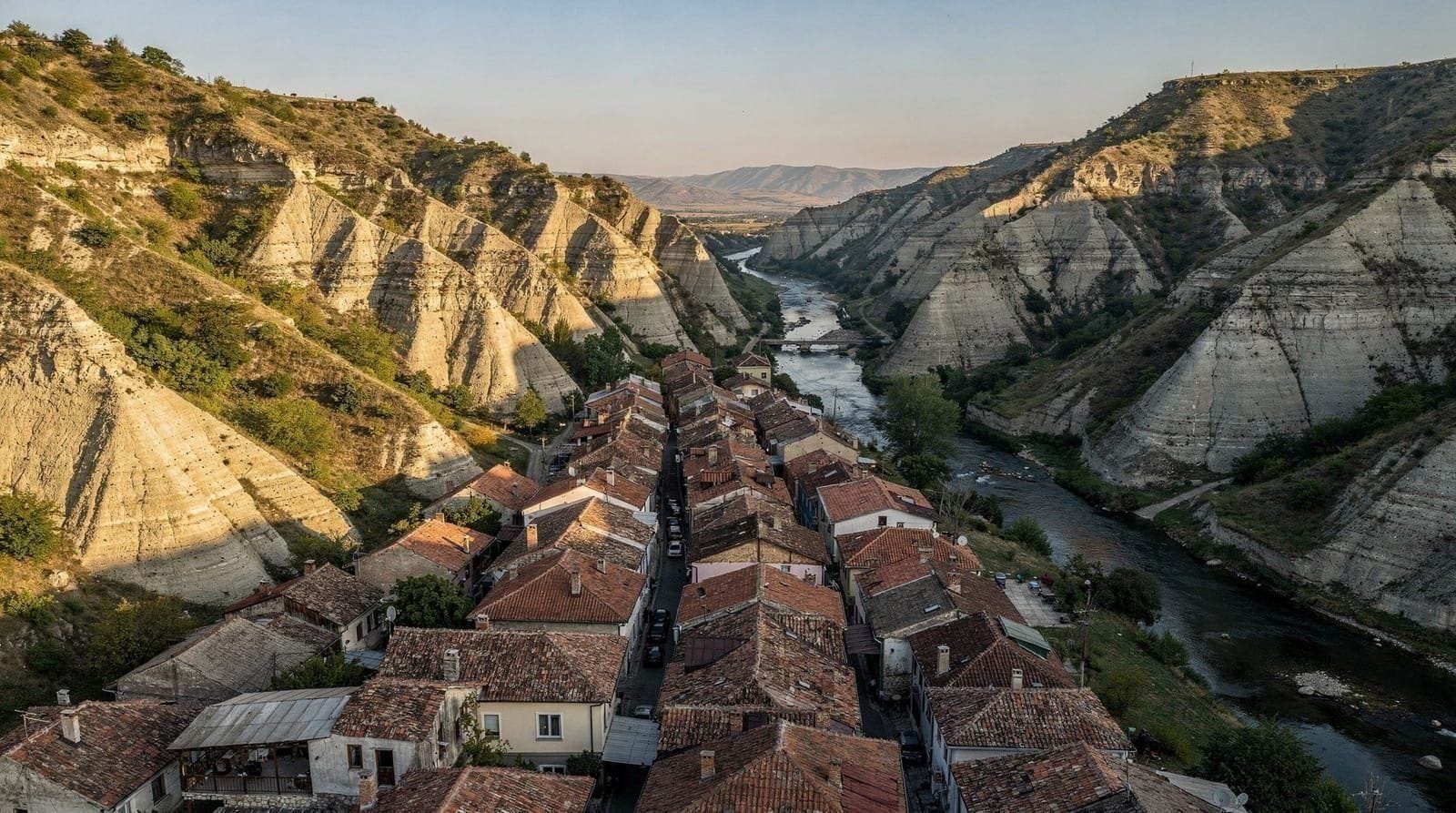
The narrow valley running south toward Greece, containing the remarkable town of Melnik and its unique landscape of white sandstone pyramid formations. The Melnik 55 grape — one of Bulgaria’s most internationally distinctive — is grown almost exclusively here. The “55” refers to the minimum number of days it must spend in wood or vats before release. It produces full-bodied, structured reds that age beautifully and develop dried fruit, spice, and leather notes over five to ten years.
Damianitza Winery in Sandanski is the valley’s leading modern producer, with international distribution and genuinely impressive quality. Smaller family producers like Mitko Manolev sell directly from cellars carved into the pyramid rock formations — an experience that exists nowhere else in the world.
The Melnik wine region guide covers this area in detail. The dedicated day trip is the single best wine experience available from Sofia.
Black Sea coast
Bulgaria’s coastal wine zone, running roughly from Varna south to the Turkish border. The maritime influence moderates temperatures and produces wines with higher natural acidity and more aromatic freshness than inland regions. Dimyat — a white indigenous grape related to Misket — is the traditional variety here, producing light, floral whites. International varieties (Chardonnay, Sauvignon Blanc) also perform well in the cooler microclimate.
This region is harder to access on a day trip from Sofia (Varna is four to five hours away), but bottles from coastal producers are widely available in Sofia wine shops.
Danube Plain
The northern region bordering Romania, with the flat alluvial soils of the Danube lowlands. This is Bulgaria’s highest-volume zone, producing large quantities of internationally familiar varieties — Cabernet Sauvignon, Merlot, Syrah. The style tends toward accessible, fruit-forward reds at low price points. Several northern estates export heavily to Germany and Scandinavia.
Quality here is consistent rather than exceptional. Look for Edoardo Miroglio’s northern range or bottles from Svishtov (a historic Danube wine town) for above-average examples.
Rose Valley and Sub-Balkan zone
Running along the southern slopes of the Balkan mountain range, this region is better known internationally for rose oil (Bulgaria produces the majority of the world’s rose oil for perfumery) than for wine. But the Misket grape — a local white variety with a muscat-adjacent aromatic profile — grows well here. Light, perfumed whites and some interesting sparkling wines come from this zone.
The Rose Valley sits between Sofia and Plovdiv, making it theoretically accessible as a combined itinerary. Kazanlak rose valley is the main tourist draw in the region, with wine increasingly part of the visitor offer.
The five regions compared
| Region | Signature grape | Character | Access from Sofia |
|---|---|---|---|
| Thracian Valley | Mavrud | Deep, tannic reds | 2 hrs (via Plovdiv) |
| Struma Valley | Melnik 55 | Full-bodied, ages well | 3 hrs (Melnik day trip) |
| Black Sea coast | Dimyat | Light, aromatic whites | 4–5 hrs, not a day trip |
| Danube Plain | Cabernet Sauvignon, Merlot | Accessible, fruit-forward | Rarely visited by Sofia-based travelers |
| Rose Valley | Misket | Perfumed whites, some sparkling | 2.5 hrs (via Kazanlak) |
Key indigenous grapes
The reason to seek out Bulgarian wine, rather than just drinking another Cabernet Sauvignon, is the indigenous varieties. These grapes exist in depth only in Bulgaria.
Mavrud — The flagship red. Deep purple, high tannin, dark fruit with cherry and plum, often with a characteristic earthy minerality. Ages well. Best from Asenovgrad and the Thracian Valley. Pairs with lamb, game, and slow-cooked meat dishes — exactly the food you’ll find in Bulgarian mehanas.
Melnik 55 — The wine traveler’s grape. Late-ripening, structured, full-bodied. Young examples can be grippy and austere; five to ten years of bottle age transforms them into complex, nuanced wines. If you are going to buy wine to take home and age, Melnik 55 is the obvious choice.
Rubin — A Bulgarian-bred cross between Nebbiolo and Syrah, developed in the 1940s. Produces vibrant, cherry-forward reds with good acidity, often more approachable young than Mavrud. Good mid-priced option at wine bars.
Dimyat — The most widely planted indigenous white, found particularly on the Black Sea coast. Light, clean, citrusy. Not a wine that will blow minds, but serves as a reliable warm-weather white at very low cost.
Misket — A muscat-related variety producing aromatic whites with floral notes. The Rose Valley Misket in particular has a devoted following. Often slightly sweet, always aromatic, best drunk young and cold.
GetYourGuideSofia: Bulgarian Wine and Rakia Tasting with SnacksCheck availability → GetYourGuideSofia: Rakia Museum Entrance TicketCheck availability →Where to taste wine in Sofia
Sofia is not, in the way that Plovdiv is, a wine city. The cafe and rakiya culture dominates — but dedicated wine venues exist and are worth seeking out.
Wine NOT (ul. Tsar Shishman 18) is the most centrally located wine bar with serious intent. The list focuses on Bulgarian producers with a smattering of imported natural wines. Staff are knowledgeable without being intimidating. Open from early afternoon; good for a pre-dinner glass with local cheese.
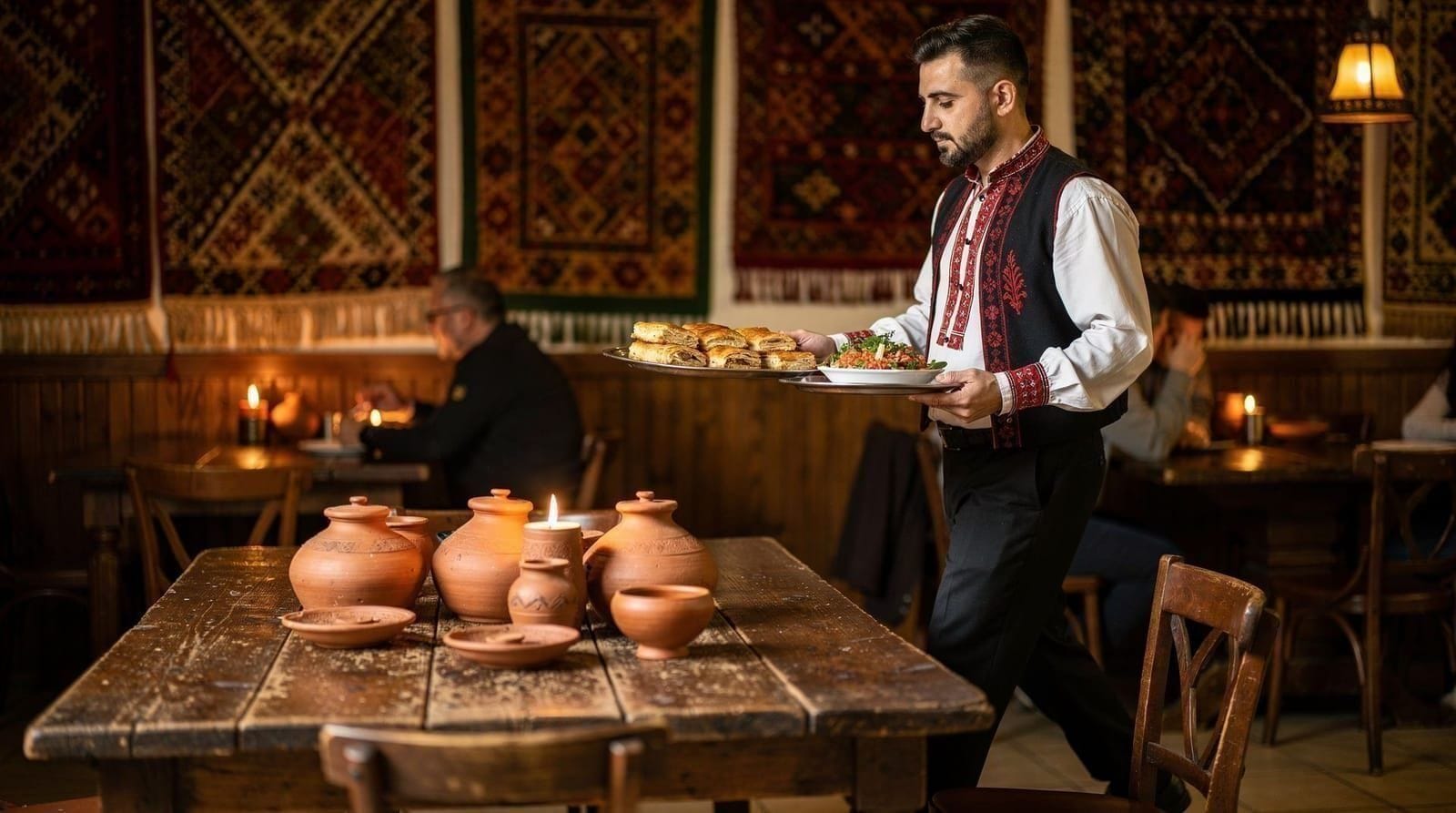
Hadjidraganovite Izbi (Kv. Vladaya — about 8km from the city centre, worth the taxi) is more of an immersive experience than a bar: a mehana-style cellar with live folk music, Bulgarian food, and a wine list that functions as an education in what the country produces. Heavy on tradition, cheerfully touristy, but the wine selection is genuine.
Wine events and festivals — Sofia’s wine scene is increasingly event-driven. The annual ProWein Sofia exposition (typically March) brings producers from across the country. Monthly tasting events are organized by several wine importers and education programs; checking local event listings in advance of your trip is worthwhile.
Organized tasting sessions are, practically speaking, the most efficient way to cover Bulgarian wine if you have one or two evenings. A good guided tasting in Sofia covers five to eight wines from multiple regions, with food pairings, explanation of the indigenous varieties, and the ability to ask questions — all for €25–45 per person. They also handle the selection so you’re not navigating an unfamiliar list alone.
GetYourGuideSofia: Guided Tasting of Local Wines and CheesesCheck availability →The Melnik day trip: best wine experience from Sofia
If wine is a significant motivation for your visit, the day trip to Melnik is worth reorganising your itinerary around. Melnik is Bulgaria’s smallest town — around 200 permanent residents — situated in the Struma Valley among extraordinary white sandstone pyramid formations. Wine cellars carved directly into the rock formations store Melnik 55 wines ageing in barrels below the pyramid cliffs.
The drive from Sofia takes approximately three hours (144km, but through winding mountain roads — do not underestimate the journey time). Public transport exists but is impractical: one bus per day, no return in the evening. Renting a car or booking an organized day trip (which typically costs €35–55 per person and includes tastings) is the realistic option.
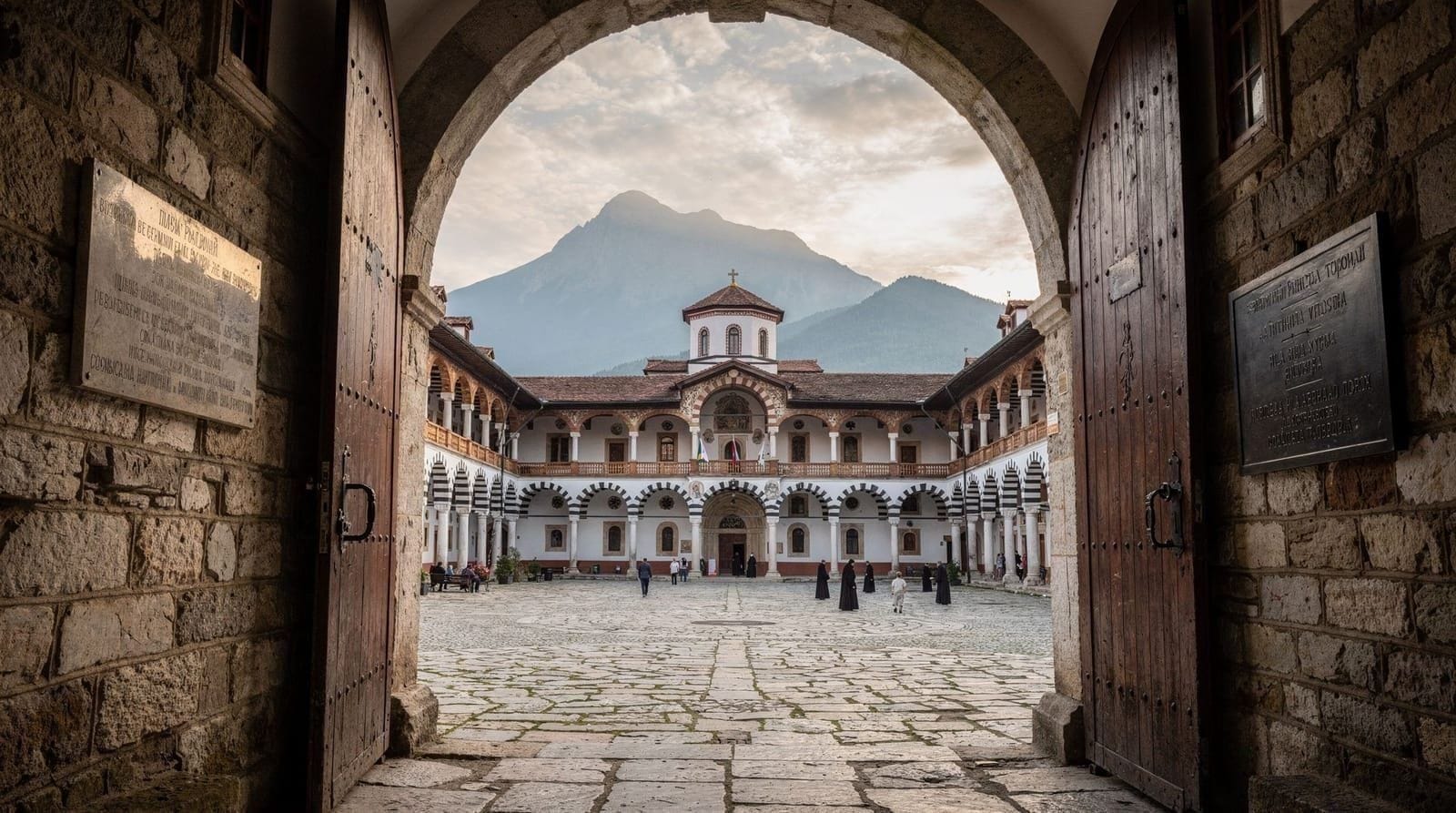
What to do once there: taste at the rock cellars (family producers in Melnik village open their cellars for visitors, often with no prior booking required outside peak summer weekends), walk the pyramid trail above the town (marked path, one to two hours), visit the Kordopulov House (an eighteenth-century National Revival mansion with its own rock-cut wine cellar, entry €3), and continue 5km up the road to Rozhen Monastery — one of Bulgaria’s most photogenic monastery complexes, perched above vine-covered terraces.
A dedicated tour that combines wine cellars with the Rozhen Monastery setting is the most complete experience of this corner of Bulgaria.
GetYourGuideMelnik Wine TourCheck availability →What to buy and take home
Bulgarian wine is genuinely excellent value to purchase and transport home. A few practical notes:
Best choices for travelling: Melnik 55 is the strongest candidate — it ages well (5-10 years from a good vintage), improves in bottle, and is essentially impossible to find outside Bulgaria. A Mavrud from a reputable Thracian Valley producer is the second obvious choice. Avoid buying white wines to age — Dimyat and Misket are best drunk young and fresh.
Budget: You can find seriously good bottles in wine shops and supermarkets for €8–15. Flagship single-vineyard wines from Bessa Valley or Castra Rubra reach €20–30. Restaurant prices multiply by two to three times, sometimes more in tourist-facing establishments — buy bottles to drink in your accommodation if budget matters.
Packing: Vacuum-seal wine pouches (sometimes called wine skins or wine savers) are available in larger wine shops and let you protect bottles in checked luggage without the risk of breakage. Alternatively, wrap bottles in clothing. Standard airline rules for checked baggage apply — no restrictions on quantity in hold luggage, but weight limits apply.
Where to shop: Fantastico and Kaufland supermarkets both carry decent Bulgarian wine selections at honest prices. Dedicated wine shops (including those near the Central Market Hall) offer better curation and staff advice.
Rakia: the other drink you need to try
No Bulgarian wine guide is complete without acknowledging rakia, because it will inevitably appear at the table before you’ve ordered anything.
Rakia is a fruit brandy — most commonly made from plums (slivova) or grapes (grozdova), though apricot, quince, and cherry versions exist. It is not wine, and is drunk completely differently: at room temperature, in a small glass, usually as an aperitif alongside a shopska salad or a piece of white sirene cheese. Home-distilled rakia is produced by many Bulgarian families and is often stronger than commercial versions (40–50% ABV is normal; home production regularly exceeds that).
The ritual matters: you clink glasses, say “nazdrave,” and sip rather than shoot. Drinking rakia like a shot is considered crude. A good rakia before dinner sets up the meal; a decent wine with the main course is the civilized Bulgarian sequence.
Both organized wine tastings and the Melnik wine region will give you opportunities to compare — most Bulgarian wine producers also make estate rakia from grape marc, and several Sofia tasting experiences include both.
Wine and food pairing in Bulgaria
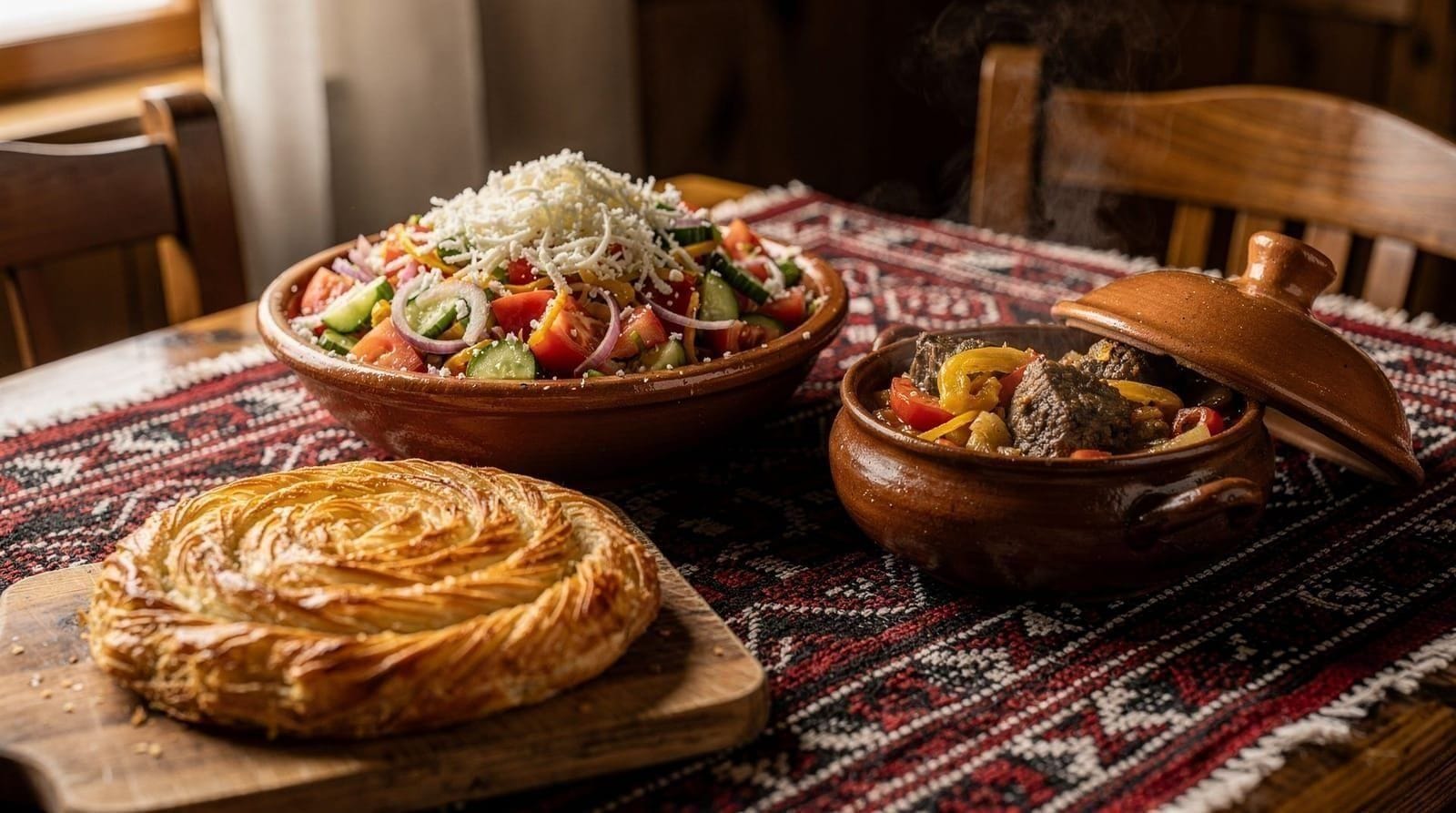
Bulgarian wine is designed for Bulgarian food, and the match is not accidental. The cuisine is robust: slow-cooked stews in clay pots (kavarma), grilled minced meat (kebapcheta and kyufte), lamb dishes, stuffed peppers, rich bean soup. These are not delicate flavors, and they respond well to tannic, full-bodied reds.
Mavrud with lamb and game: The combination is a classic for good reason. Mavrud’s dark fruit, high tannin, and earthy minerality cut through the richness of roasted or braised lamb in the way that lighter reds cannot. In Plovdiv and the Thracian Valley, lamb kavarma with Asenovgrad Mavrud is effectively the regional signature dish-and-wine pairing.
Melnik 55 with grilled meats: The full body and structured tannins of Melnik 55 suit the smoky, charred flavors of Bulgarian grill culture. A cold glass of a lightly chilled Melnik 55 rosé (produced by some Struma Valley makers) alongside a mixed grill works surprisingly well in summer.
Misket with salads and white cheese: The aromatic, slightly sweet white Misket grape from the Rose Valley pairs naturally with shopska salad (the ubiquitous tomato, cucumber, and white cheese combination), tarator (cold yogurt and cucumber soup), and the various white cheese dishes that open most Bulgarian meals.
Dimyat with fish: Bulgaria’s Black Sea coast produces both Dimyat and its seafood, and the pairing is intuitive — a clean, crisp white with grilled sea bass or fried goby fish, eaten at a table facing the sea. Less relevant for Sofia-based visitors but worth noting if the coastal trip extends the itinerary.
The Bulgarian dishes to try guide covers the food side of these pairings in detail, with notes on what to order at a traditional mehana.
Koprivshtitsa wine: a different angle
While Melnik dominates the conversation about Bulgarian wine day trips, the village of Koprivshtitsa — about 100km east of Sofia in the Sredna Gora mountains — offers a different combination: National Revival architecture (one of the best-preserved nineteenth-century Bulgarian town complexes in the country) combined with wine and traditional food tasting.
The Koprivshtitsa-Starosel wine and cultural tour combines the village with Starosel, home of the Starosel Winery, which operates within and around a restored Thracian ceremonial complex. The Thracians built a significant cult site here — a ritual center with tumuli (burial mounds) and a sacred circle — and the modern winery has been built to incorporate and display these Thracian elements. It is an unusual combination of ancient heritage and wine production that has no direct equivalent elsewhere in Bulgaria.
Wine from Starosel (primarily Mavrud and Rubin, with some Chardonnay) is good quality and the tour includes tasting alongside a visit to the Thracian site. For visitors with an interest in both Bulgarian history and wine, this is an alternative or complement to the Melnik trip. The Thracian heritage guide covers the archaeological side in more depth.
Planning your wine itinerary
For a single day in Sofia focused on wine: a morning guided tasting (two to three hours, covers the major regions and indigenous grapes), afternoon exploring the Sofia food market and buying bottles to take home, evening at Wine NOT or a mehana with a bottle of Mavrud alongside traditional food.
For a wine-focused trip of three days: Sofia tasting on day one, Melnik day trip on day two (leaving early, returning late), and day three covering Plovdiv with its proximity to Thracian Valley producers.
The Sofia in 3 days itinerary includes wine as part of a broader structure if you want to balance wine with other aspects of what Sofia offers. For those wondering whether to stay longer, the how many days in Sofia guide addresses the question directly — wine tourism is one of the arguments for extending beyond the standard two days.
Frequently asked questions about Bulgarian wine guide
What is Bulgaria's most famous wine grape?
Mavrud is the most celebrated indigenous red grape, producing deep, tannic wines from the Plovdiv area. Melnik 55 from the Struma Valley is equally distinctive — full-bodied, slow to mature, and one of the best candidates for buying and ageing at home.Where can I taste Bulgarian wine in Sofia?
Wine NOT (ul. Tsar Shishman) and Hadjidraganovite Izbi (Kv. Vladaya, slightly outside centre) are the two most respected dedicated wine venues. Organized tasting events with guided tutoring are also widely available and good value at €25-45 per person.How much should I pay for a good Bulgarian wine?
Expect to pay €8–15 for an excellent bottle in a wine shop or supermarket. Restaurant mark-ups push that to €30–80 for the same wines. Buying directly at a winery or in shops is dramatically better value.Can I take Bulgarian wine home in my luggage?
Yes. Vacuum-sealed bags (wine skin pouches, available in wine shops) let you pack bottles without breakage risk. Melnik 55 and Mavrud age well and make genuine gifts. Check your airline's liquid allowance for checked baggage.What is the difference between Bulgarian wine and rakia?
Rakia is a fruit or grain brandy — typically plum (slivova) or grape (grozdova) — completely separate from wine. It is drunk as an aperitif or digestif at room temperature, in small glasses, often with a shopska salad. Trying both is worth doing; they are distinct experiences.Is the Melnik wine day trip worth it if I only have three days in Sofia?
It's a stretch but doable if wine is a priority — the round trip is around six hours of driving, leaving roughly four to five hours in Melnik itself. If your three days are already packed with city sights and one other day trip, consider a Sofia-based wine tasting instead and save Melnik for a longer visit.Can beginners enjoy a Bulgarian wine tasting, or is it aimed at experts?
Beginners are well served. Organized tastings in Sofia are built around explaining the indigenous grapes from scratch, since most international visitors have never encountered Mavrud or Melnik 55. No prior wine knowledge is assumed or needed — the format is closer to an introduction than a connoisseur's session.
Top experiences
Bookable activities with verified prices and instant confirmation on GetYourGuide.