Seven Rila Lakes day trip from Sofia: complete planning guide
From Sofia: The Seven Rila Lakes Full-Day Hiking Tour
Can you do the Seven Rila Lakes as a day trip from Sofia?
Yes. The lakes are about 120 km from Sofia and reachable in roughly 1.5 hours by car. Add the gondola ride and a 4-hour walking circuit and you have a full but manageable day, provided you leave Sofia by 8–9am and are back at the gondola top station by 3:30pm at the latest.
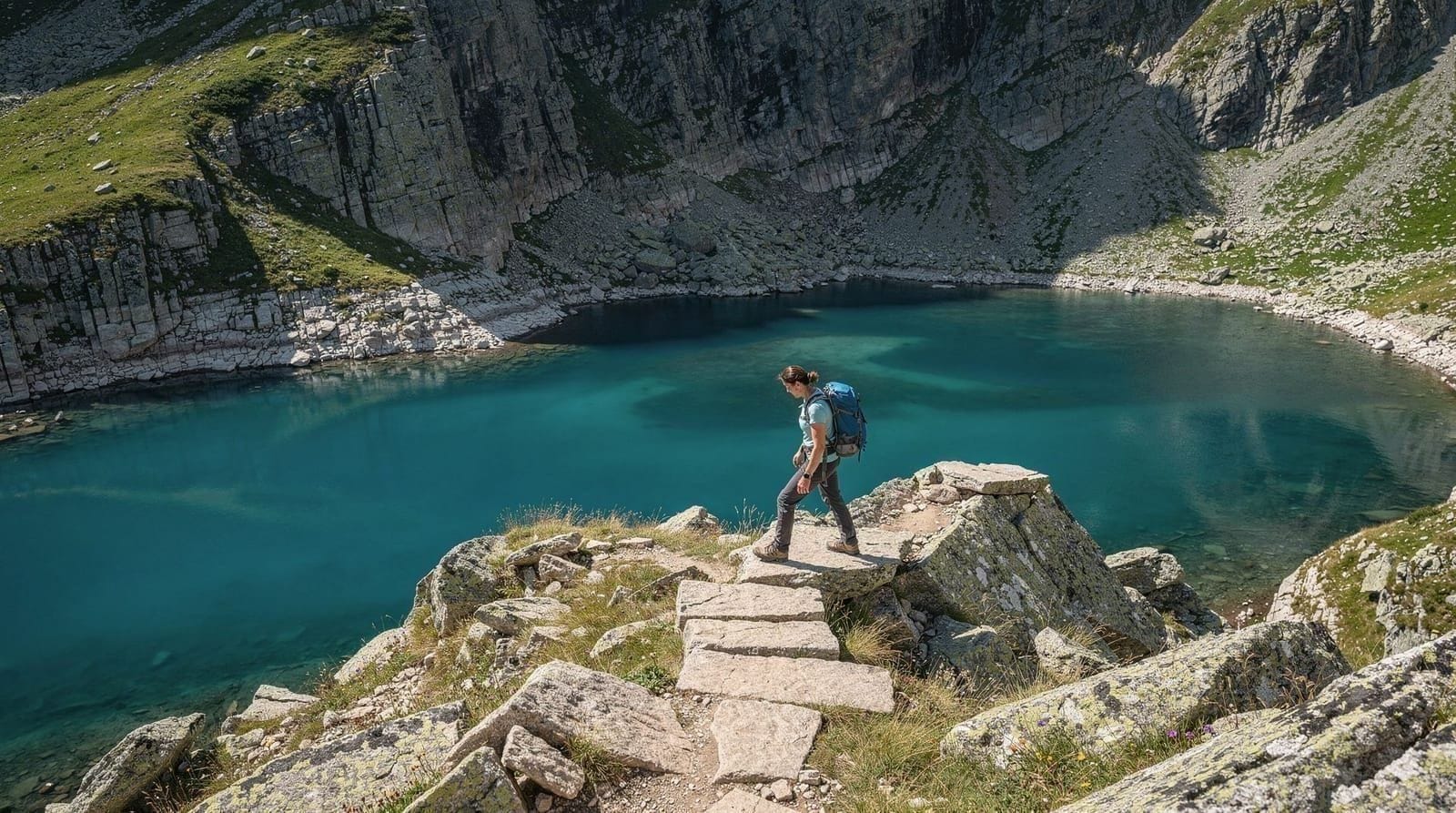
The Seven Rila Lakes sit in a glacial cirque in the Rila Mountains at altitudes between 2100 and 2500 metres above sea level. Each lake is named for a distinctive characteristic — the Tear, the Eye, the Kidney, the Twin, the Trefoil, the Fish Lake, and the Lower Lake — and together they form one of the most visited natural landmarks in Bulgaria. On a clear July morning with the peaks reflected in the still upper pools, the appeal is obvious. This guide covers the practical side: how to get there, what the day actually looks like, what to bring, and what to watch out for.
| Where | Rila Mountains, ~120km south of Sofia (via Panichishte) |
| Cost | Gondola ~€10–12; tours €40–60; self-drive fuel + parking |
| Time needed | Full day; leave Sofia by 8–9am |
| Getting there | Self-drive (~1.5h), organised tour, or bus + taxi |
| Best time | June–September; check for snow patches in early June |
What makes this trip worth doing
Most of Bulgaria’s famous sights are cultural or historical. The Seven Rila Lakes are purely natural, and they offer something genuinely different from a day of churches and museums: mountain air, real altitude, glacially-carved terrain, and a landscape that looks nothing like the Sofia basin you wake up in.
The lakes are connected by a marked circuit trail that passes all seven in sequence, climbing from around 2100m at the lowest lake to about 2500m at the highest. The path is well-maintained and clearly signposted. It is not a technical hike — there is no scrambling, no exposed ridgeline, no specialist gear required — but it is a genuine mountain walk on rocky terrain at altitude, and it asks for a basic level of fitness and appropriate footwear. People who underestimate it (flip-flops, no layers, no water) tend to have a difficult afternoon.
The gondola at Panichishte removes around 600m of vertical ascent each way, which is the difference between a possible day trip and a very hard one. Without it, you’d be looking at a full wilderness day. With it, the Seven Lakes are accessible to most reasonably healthy adults and to children from around 8 years old.
Departure timing: why early matters
Leave Sofia between 8am and 9am. This is not a soft recommendation — it matters for two specific reasons.
The first is the gondola queue. On summer weekends (particularly July and August), the queue at Panichishte can reach 30–45 minutes by mid-morning. Arriving before 10am keeps the wait manageable. The second reason is weather. The Rila Mountains generate afternoon thunderstorms with considerable reliability from around June onwards. Clouds build above the peaks through the morning and electrical activity typically peaks between 2pm and 5pm. Being caught at 2400m in a lightning storm is genuinely dangerous, and the open terrain near the upper lakes offers no shelter. Plan to be back at the gondola top station by 3pm to 3:30pm at the latest.
This timing works out comfortably if you leave Sofia at 8–9am: arrive Panichishte around 10–10:30am, gondola up by 10:30–11am, complete the lake circuit by 3pm, gondola down well before the last descent.
Transport option 1: organised guided tour
The easiest way to do this trip, especially if it is your first time in Bulgaria, is to book an organised day tour from Sofia. These depart from central Sofia (usually around 8am), handle all the driving and gondola queuing, include an English-speaking guide who knows the trail and the mountain conditions, and return you to the city in the evening. Prices are typically €40–60 per person.
The guide dimension is underrated. Someone who knows which weather patterns to watch for, can pace the group correctly for altitude, and can point out the characteristics of each lake adds real value on a mountain day. For families with children, having an adult whose job it is to manage the group logistics takes a lot of pressure off.
Book in advance for weekends between May and September — these tours fill quickly. Weekend spots in July and August can sell out days ahead.
GetYourGuideFrom Sofia: The Seven Rila Lakes Full-Day Hiking TourCheck availability →Transport option 2: self-drive
The most flexible option. From central Sofia, take the E79 south toward Blagoevgrad, exit at Dupnitsa, then follow signs to Sapareva Banya and continue up the valley to Panichishte. The total distance is around 120 km and the drive takes approximately 1.5 hours in normal traffic. The last section from Sapareva Banya to Panichishte is a narrow mountain road — manageable in any car but worth driving carefully, especially if wet.
Parking at the Panichishte gondola base is straightforward. There is a car park adjacent to the gondola station. Cost is approximately €3–5 per day depending on season. In peak season, arrive early enough that you are parked before 10am — the lot fills on busy summer weekends.
Car rental in Sofia runs €30–50 per day for a standard vehicle from the main companies at the airport. If you are splitting costs between two or three people, self-drive is the most cost-effective option for the day.
Transport option 3: public transport
Possible, but requires careful planning. Take a bus from Avtogara Yug (Sofia’s southern bus terminal) to Sapareva Banya. Services run but are infrequent — check schedules in advance and book return tickets when you board, as afternoon buses fill. From Sapareva Banya, a taxi to Panichishte costs approximately €5–8 for the 8 km journey. At the end of the day, you’ll need a taxi back from Panichishte to Sapareva Banya to catch your return bus.
The main risk with public transport is timing. If you miss the last afternoon bus from Sapareva Banya, your options are limited. This route works best mid-week when buses are less crowded and you have more flexibility on return timing. It is not the right choice for a busy July weekend when every bus back to Sofia will be full.
For anyone relying on public transport for day trips from Sofia generally, the self-guided tour option (which includes transport) effectively solves the logistics for you.
The gondola: what to expect
The gondola operates from Panichishte station at the foot of the ski area. The lift is a standard enclosed gondola cabin, not a chairlift, which makes it suitable for most people regardless of head for heights. The ascent takes around 15 minutes and rises from approximately 1500m to 2100m.
Operating hours in peak season (roughly June to mid-September) are 8am to 5pm, with the last descent at 5pm. Hours reduce outside this window. Check the current schedule before your visit — hours can shift based on conditions and seasonal demand.
Round-trip ticket: approximately €10–12. Buy at the ticket office at the base station. There is no advance online booking for individual tickets — you queue and buy on the day. On peak weekends, being at the ticket window by 9am means a short or no queue; arriving at 11am can mean 45 minutes of waiting. Groups on organised tours typically have priority access arrangements.
GetYourGuide7 Rila Lakes Under the Snow: Winter Hiking TourCheck availability →The hike: from gondola top to the lakes
The gondola drops you at around 2100m at the top station. From here, the first lake (the Lower Lake, or Dolnoto Ezero) is visible almost immediately — a wide, shallow pool at the base of the cirque. A well-marked trail leads from the station.
Timeline for the day:
- Top station to Lower Lake: approximately 1 hour at a moderate pace
- Full circuit of all seven lakes: approximately 4 hours (including the Lower Lake walk)
- Return to top station: already included in the circuit time
The circuit climbs from the Lower Lake at 2100m to the Eye (Okoto) at roughly 2440m and the Tear (Salzata) near the top at about 2500m, then descends back around the cirque. The path is marked with painted rock blazes and is easy to follow in good visibility. In cloud or mist, visibility drops fast and route-finding becomes harder — another reason to start early and watch the weather.
The terrain is rocky mountain trail, not a groomed path. Some sections involve stepping between boulders or crossing patches of scree. Sturdy footwear is genuinely important — trail runners are fine, hiking boots are ideal, road trainers are inadequate and can lead to slips on wet rock. In early June, there may be snow patches near the upper lakes even when Sofia is warm.
Altitude affects pace. At 2400m, most people walk noticeably slower than at sea level and feel breathlessness more quickly. Take it easy, drink water regularly, and do not push pace on the ascent.
What to bring
The micro-climate at 2100–2500m is dramatically different from Sofia even on the same day. A 30°C summer afternoon in the city can mean 12°C with wind at the upper lakes.
Essential:
- Warm mid-layer (fleece or equivalent) — temperatures at the top run 10–15°C in peak summer
- Waterproof jacket (not optional — afternoon storms build fast and you will get wet without one)
- Sturdy closed footwear with grip
- 2 litres of water per person minimum (more in hot weather)
- Food for the full day — there is a basic refreshment point at the gondola top, but it is expensive and limited; there is nothing at the lakes themselves
- Sunscreen and sunglasses (UV exposure increases significantly at altitude)
- Basic first aid: blister plasters, paracetamol
Useful:
- Hiking poles (particularly helpful on the rocky descent)
- Headtorch (in case you’re slower than planned)
- Rain cover for your bag
Food and the reality of the gondola café
There is a small café at the Panichishte base station selling hot drinks, sandwiches, and snacks. There is a basic refreshment cabin at the gondola’s top station. Prices are high by Bulgarian standards — expect to pay €4–6 for a coffee, €5–8 for a basic snack. There are no restaurants or shops at the lakes themselves.
The practical approach: bring your own lunch. A picnic at one of the upper lakes — particularly the Twin Lakes (Bliznaka) area mid-circuit — is one of the better parts of the day. Pack what you’d want for a mountain lunch: sandwiches, fruit, chocolate, nuts. The weight is worth it.
Return timing and the afternoon storm risk
This is the most important operational note of the whole day. The Rila Mountains are subject to afternoon electrical storms that develop with very little warning, particularly between June and August. Experienced mountain guides will tell you to be below the ridgeline by 2pm; on a day trip, being back at the gondola top station by 3–3:30pm is a conservative but sensible target.
If you see clouds building and darkening over the peaks while you are at the upper lakes, do not wait to see what happens. Descend immediately. The trail back to the top station from the highest lake takes 1–1.5 hours at a brisk pace.
The gondola’s last descent is around 5pm. Missing it means either waiting at the top station until the next morning or a long walk down the access road — neither is desirable. Work backwards from a 4pm gondola descent to set your turnaround time on the lakes circuit.
What the lake names mean and where to find each one
Understanding the naming helps orient you on the circuit, since each lake’s Bulgarian name describes its shape or character rather than being arbitrary. The Lower Lake (Dolnoto Ezero), the first one you reach from the gondola top station, is broad and shallow. Climbing further, the Fish Lake (Ribnoto Ezero) and Trefoil (Trilistnika) — named for its three-lobed shape — sit mid-circuit. The Twin Lakes (Bliznaka), actually connected as a single elongated body of water, are a popular picnic spot roughly halfway around. Higher still, the Kidney (Babreka) takes its name from its curved outline, and near the top, the Eye (Okoto) is prized for being the deepest and clearest, producing the sharpest reflections on a calm day. The Tear (Salzata), the smallest and highest of the seven, sits close to the ridge line and marks the turning point of the standard circuit before the trail loops back down.
Combining with Sapareva Banya hot springs
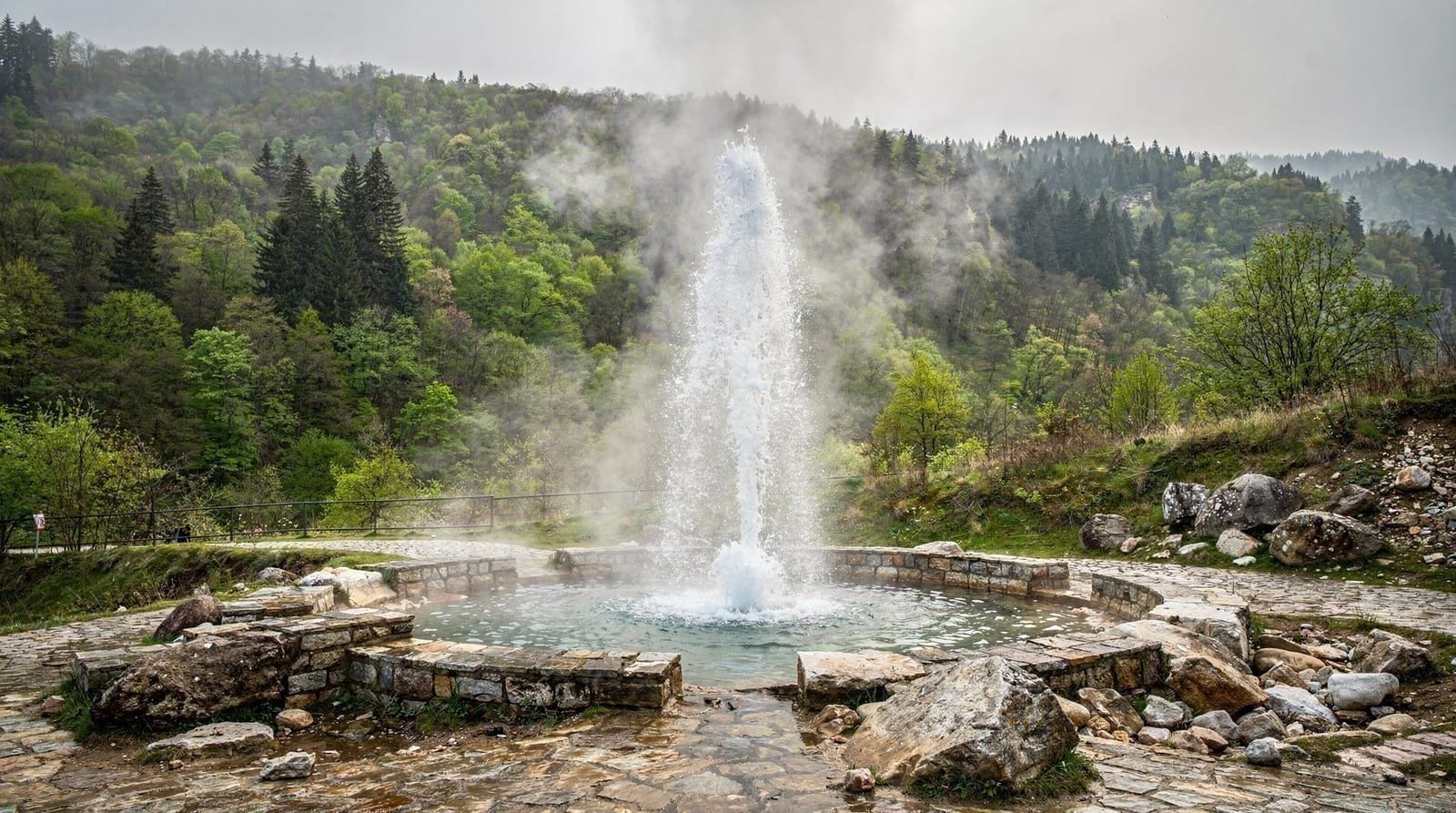
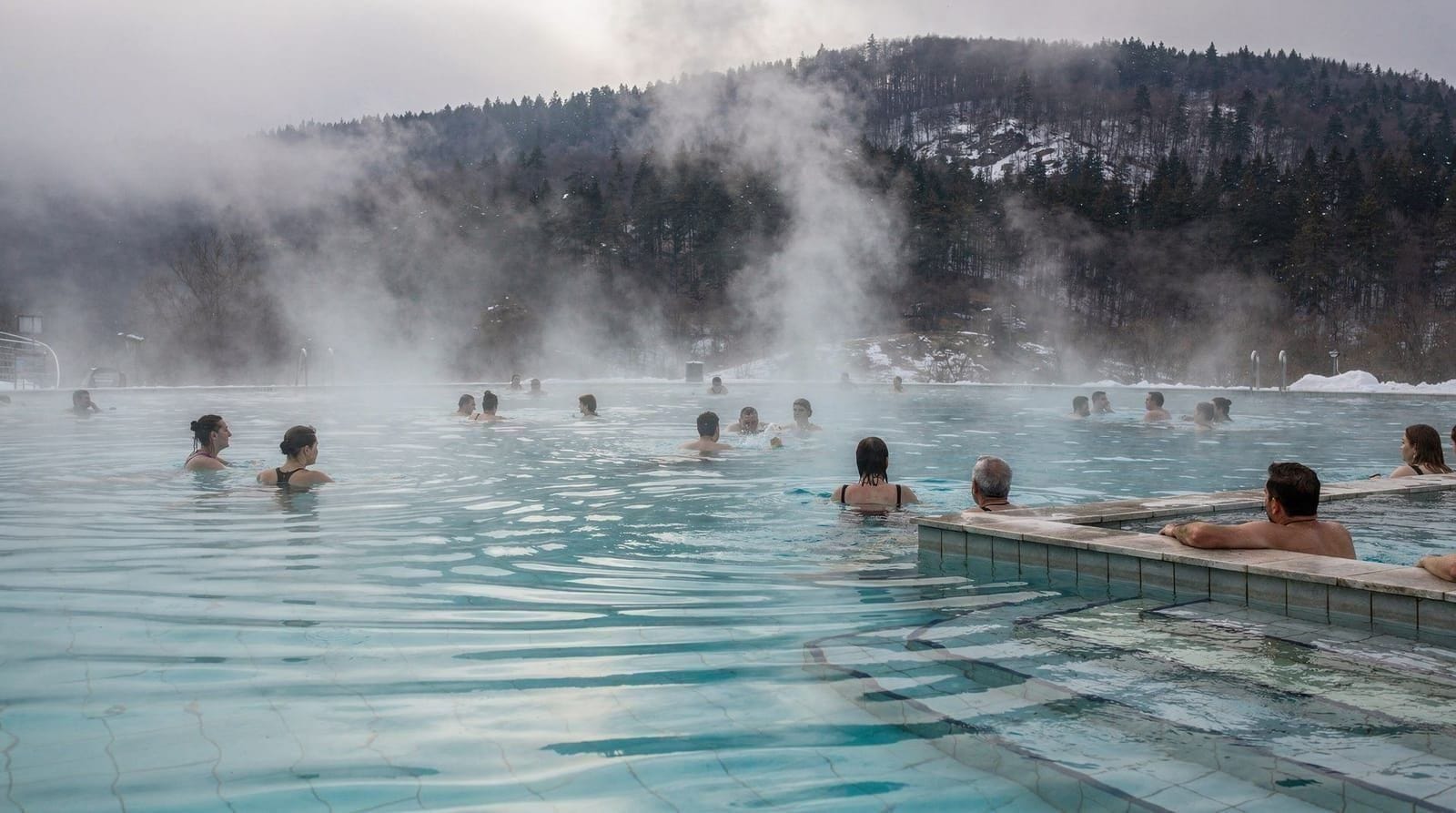
Sapareva Banya is an excellent addition to the day if you have energy after the hike. The town is 8 km from the Panichishte gondola base and is home to Bulgaria’s highest-temperature mineral spring (over 100°C at source, cooled to bathing temperature for the pools). After a 4-hour mountain walk, the hot springs at Sapareva Banya are a compelling reason to stop on the drive back rather than heading straight to Sofia.
The town has several thermal pool complexes — some attached to hotels, some standalone — with entry fees around €8–15 for a session. No booking required at most facilities, though weekends in summer can be busy. The combination of mountain hike in the morning and thermal pool in the afternoon makes for a particularly satisfying day out of Sofia.
GetYourGuideFrom Sofia: The Seven Rila Lakes Full-Day Self-Guided TourCheck availability →Tour versus DIY: which suits you
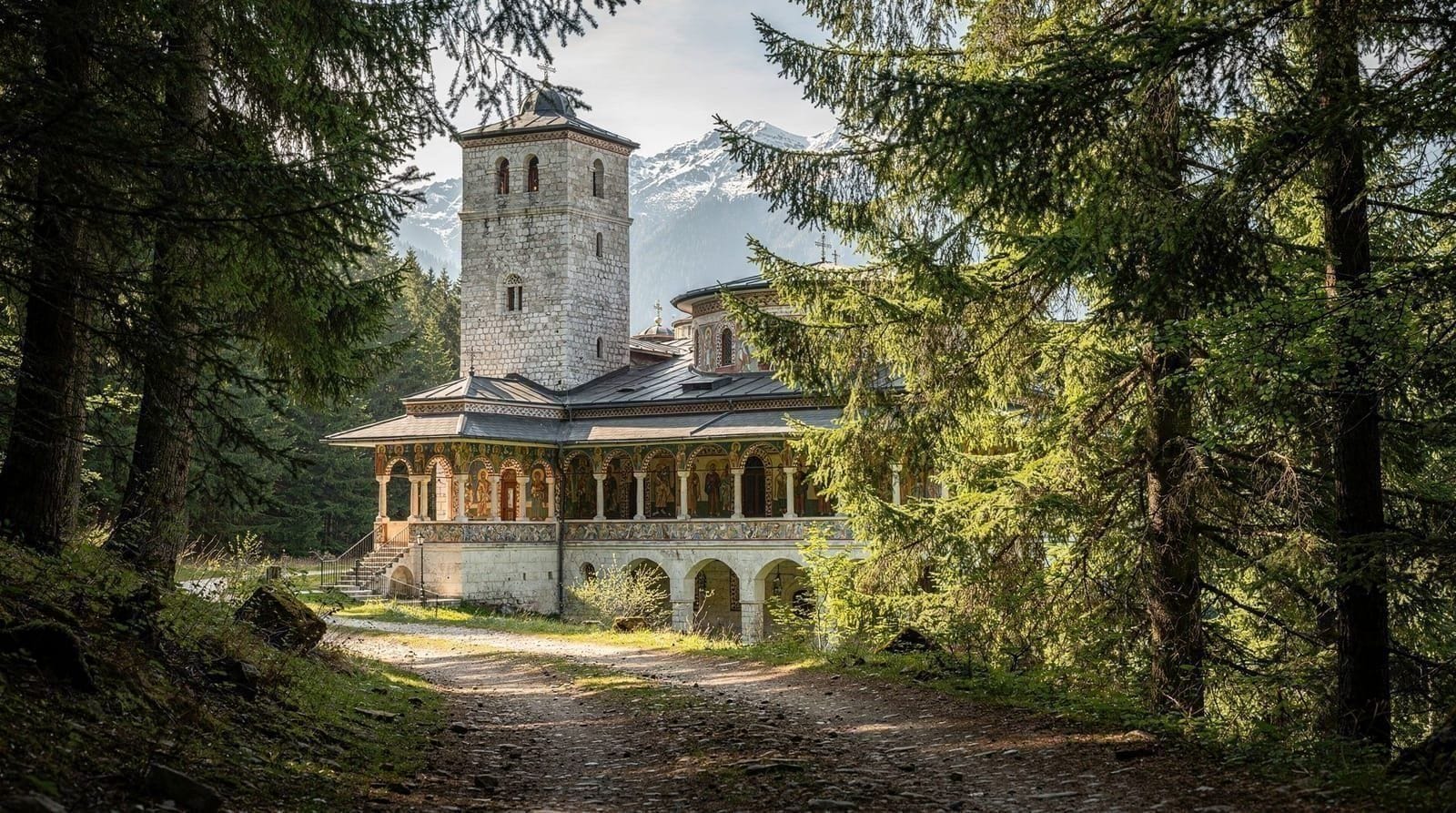
Choose an organised tour if: you don’t have a car, you’re visiting in peak season when driving and parking logistics are stressful, you have children and want a guide managing the mountain safety side, or this is your first time doing mountain hiking in Bulgaria. Tours also make the Rila Monastery combination much more practical — the monastery is 30 km from Panichishte and combining both on a self-drive day is genuinely possible but requires tight timing.
Self-drive suits you if: you want full flexibility on your own schedule, you’re comfortable with mountain navigation, you’re travelling off-peak (May, June before crowds build, or September), or you plan to stop at Sapareva Banya on the return and want to linger.
Public transport is for the committed and the patient. It works, but the infrequent buses and the taxi gap at Sapareva Banya make it stress-inducing on a busy summer day.
Group size is also worth factoring in. For two or three people splitting fuel and parking, self-drive is usually the cheapest per-person option and gives full control over the day’s pacing. For solo travellers, an organised tour is often better value than renting a car outright once you account for daily rental costs, and it removes the isolation of mountain navigation alone — a genuine safety consideration if weather turns and you are hiking without a companion.
Transport options compared
| Option | Time each way | Cost | Best for |
|---|---|---|---|
| Organised tour | ~1.5 hours | €40–60 per person | No car, first-timers, families |
| Self-drive | ~1.5 hours | Fuel + €3–5 parking | Flexibility, cost-splitting groups |
| Public bus + taxi | Variable, less reliable | ~€15–20 total | Budget travellers with flexible timing |
Who this trip is for
The Seven Lakes day trip suits families with children aged 8 and above, reasonably fit adults of any age, and anyone who enjoys mountain scenery without needing technical mountaineering skills. The gondola makes the key altitude gain painless, and the marked circuit trail is straightforward.
It is not suitable for: pushchairs or buggies, visitors with significant mobility limitations, very young children (the rocky terrain and altitude are genuinely demanding), or anyone with heart or respiratory conditions who has not taken medical advice on altitude. Anyone unsure whether the day suits their fitness level should look at the shorter option of walking only as far as the Lower Lake and the Twin Lakes before turning back — this covers the most accessible and arguably most photogenic part of the circuit in about two hours round trip, without committing to the full four-hour loop.
If you want a deeper, more immersive experience of the lakes and surrounding mountains, the dedicated Seven Rila Lakes hiking guide covers the longer approaches, overnight options, and more technical routes. For the full range of day trips in the region, see day trips from Sofia and the Rila Monastery day trip guide.
For planning the wider trip, see how many days in Sofia and the Sofia in 3 days itinerary, which fits the lakes into a broader city break. The Seven Rila Lakes escape itinerary covers the destination in more depth for those making the lakes the centrepiece of a trip.
Photographing the lakes well
The lakes are named for visual characteristics — the Eye (Okoto) and the Tear (Salzata) in particular are prized for their still, mirror-like surfaces on calm mornings — which makes timing matter more here than at most Bulgarian sights. Wind picks up through the morning as the day warms, so the earliest gondola slots tend to give the calmest water and the best reflections of the surrounding peaks. Midday light is harsher and flattens the landscape’s contours; late afternoon works well for warmer tones but conflicts directly with the need to be off the circuit before the storm risk window. If photography is a priority, weigh that against the safety guidance above — the safest approach is to prioritise the earliest sections of the circuit (Lower Lake, the Twin Lakes) for photography, since these are reached first and don’t require lingering near the exposed upper lakes as weather develops.
Frequently asked questions about Seven Rila Lakes day trip from Sofia
How far are the Seven Rila Lakes from Sofia?
Approximately 120 km by road, taking about 1.5 hours via the E79 south to Dupnitsa, then through Sapareva Banya to Panichishte. Traffic on the E79 can add time on busy summer weekends.What time does the gondola at Panichishte open?
The gondola runs roughly 8am to 5pm in peak season (June–September). Hours are reduced in shoulder months. The last gondola down is typically around 5pm, so plan to be at the top station no later than 3:30–4pm to give yourself a safety margin.How long does the hike to the Seven Rila Lakes take?
From the gondola's top station at around 2100m, the walk to the lowest (seventh) lake takes about 1 hour on a marked mountain trail. The full circuit visiting all seven lakes takes approximately 4 hours. The terrain is rocky and the altitude slows your pace compared to sea-level hiking.Is the hike suitable for children?
Yes, for children aged 8 and above who are reasonably fit and used to walking. The trail is not technical, but it is rocky, uneven in places, and the altitude (up to 2500m at the highest lake) can cause light breathlessness. Very young children and buggies are not suitable for this terrain.What should I wear and bring to the Seven Rila Lakes?
Bring sturdy closed shoes or hiking boots — trainers work at a push but can be slippery on wet rock. Pack warm layers (temperatures at the top run 10–15°C even in July and August), a waterproof jacket, at least 2 litres of water per person, snacks, sunscreen, and sunglasses. Hiking poles are useful on the descent.How much does the gondola cost?
The Panichishte gondola costs approximately €10–12 for a round-trip ticket. Prices are quoted in euros following Bulgaria's adoption of the euro in January 2026. Buy your ticket as early in the day as possible — queues build quickly on peak summer weekends.Is there food at the Seven Rila Lakes?
There is a small café at the gondola's base station and a basic refreshment point at the top station, both with limited and expensive options. There are no restaurants at the lakes themselves. Bring your own lunch and snacks — a picnic by one of the upper lakes is one of the better parts of the experience.What is the best time of day to photograph the Seven Rila Lakes?
Early morning, right after the first gondola ascent, gives the calmest water and best reflections before wind picks up through the day. Prioritise photographing the Lower Lake and the Twin Lakes early in the circuit rather than lingering at the exposed upper lakes, since afternoon weather and the need to descend before storms build take priority over chasing better light later in the day.Can I combine the Seven Rila Lakes with Rila Monastery?
Technically possible, but a long day. The monastery is roughly 30 km from Panichishte by road. If you do both, take the lakes first (earlier gondola queues, better morning weather), visit the monastery in the afternoon, and allow 2 hours there minimum. Organised tours that combine both exist and make the logistics much easier.
Top experiences
Bookable activities with verified prices and instant confirmation on GetYourGuide.