Sofia's mineral baths: the beautiful building, the free fountain, and where to actually bathe
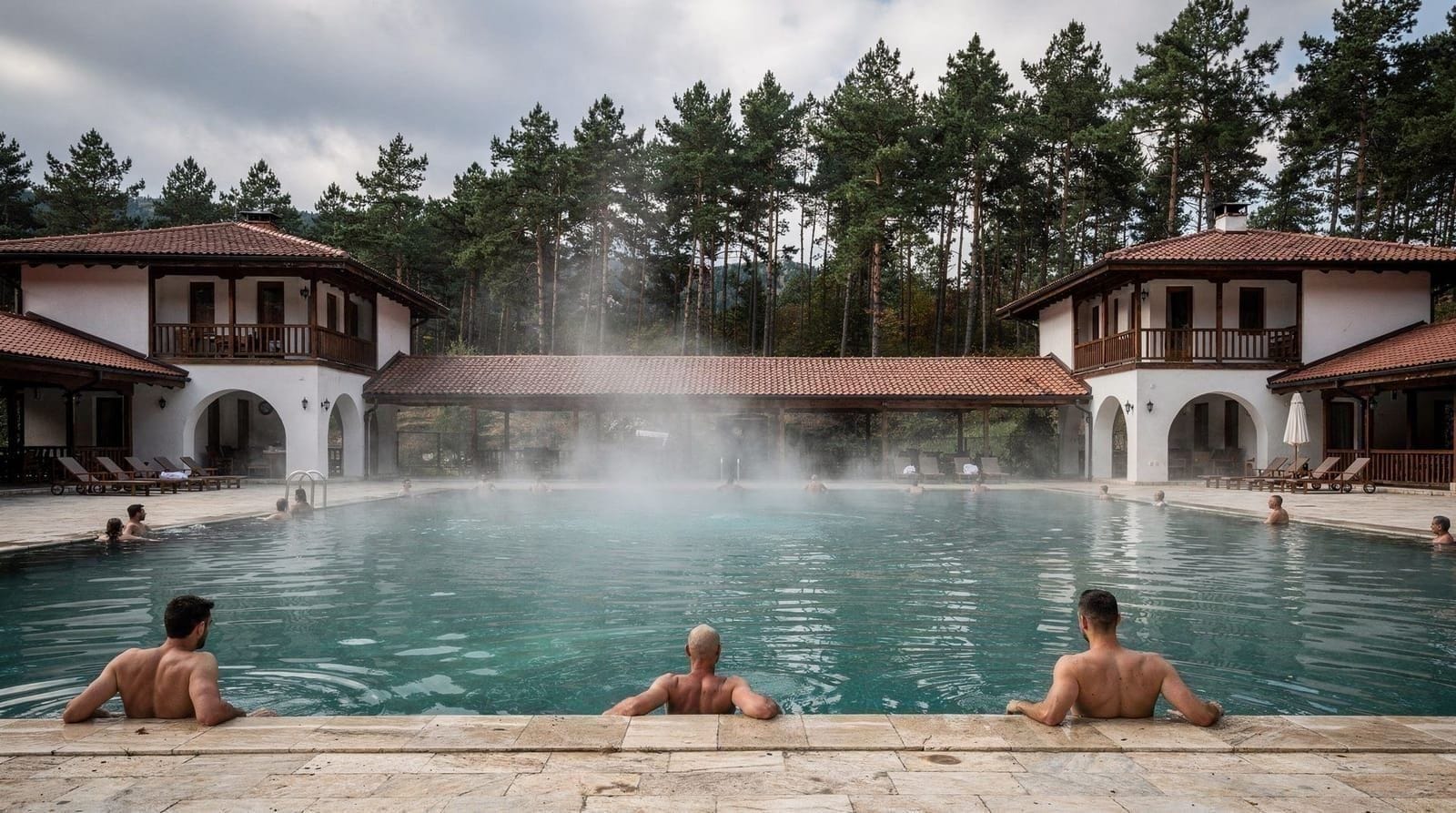
Half Day Tour: Sofia and the Mountains with Thermal Spa
Can you still bathe in the Sofia mineral baths?
Not in the city centre — the historic Central Mineral Baths building is now a museum. But the Banya Bashi Mosque next door has a free hot mineral water fountain, and for actual bathing you should head to Bankya (15km, easy half-day) or Sapareva Banya (70km, full day).
| Where | City centre (museum + free fountain); Bankya (15km) or Sapareva Banya (70km) for actual bathing |
| Cost | Museum €2; free fountain; Bankya day access €15–30; Sapareva Banya from €10–15 |
| Time needed | 10 minutes (fountain) to a full day (Sapareva Banya) |
| Getting there | Museum and fountain walkable; Bankya by metro+bus; Sapareva Banya by car or train+taxi |
| Best time | Any season — pools are indoor/outdoor year-round, though summer suits the outdoor circuits best |
Sofia has been a mineral spring city since before it was Sofia. The Romans founded Serdica here partly because of the hot water — springs at consistent temperature, reliable flow, useful for bathing, heating, and civic ceremony. Later, Ottoman administrators built a mosque with a fountain fed by the same springs. In 1913, the Austro-Hungarian-influenced new Bulgarian state built a monumental public bathhouse that remains one of the finest Art Nouveau-adjacent buildings in southeastern Europe.
Then, in 1986, the baths closed. They became a museum in 2015.
This is, from the perspective of a traveler hoping to actually bathe in historic thermal water, an awkward situation. The building is spectacular. The water is still flowing. But Sofia city centre has essentially no public bathing infrastructure. What it does have is a beautiful museum, a free fountain outside a mosque, and two genuinely good thermal bathing options within easy reach — they just require leaving the centre.
This guide covers all of it: what to see in the city, where to fill a water bottle, and where to actually get in the water.
The Central Mineral Baths building
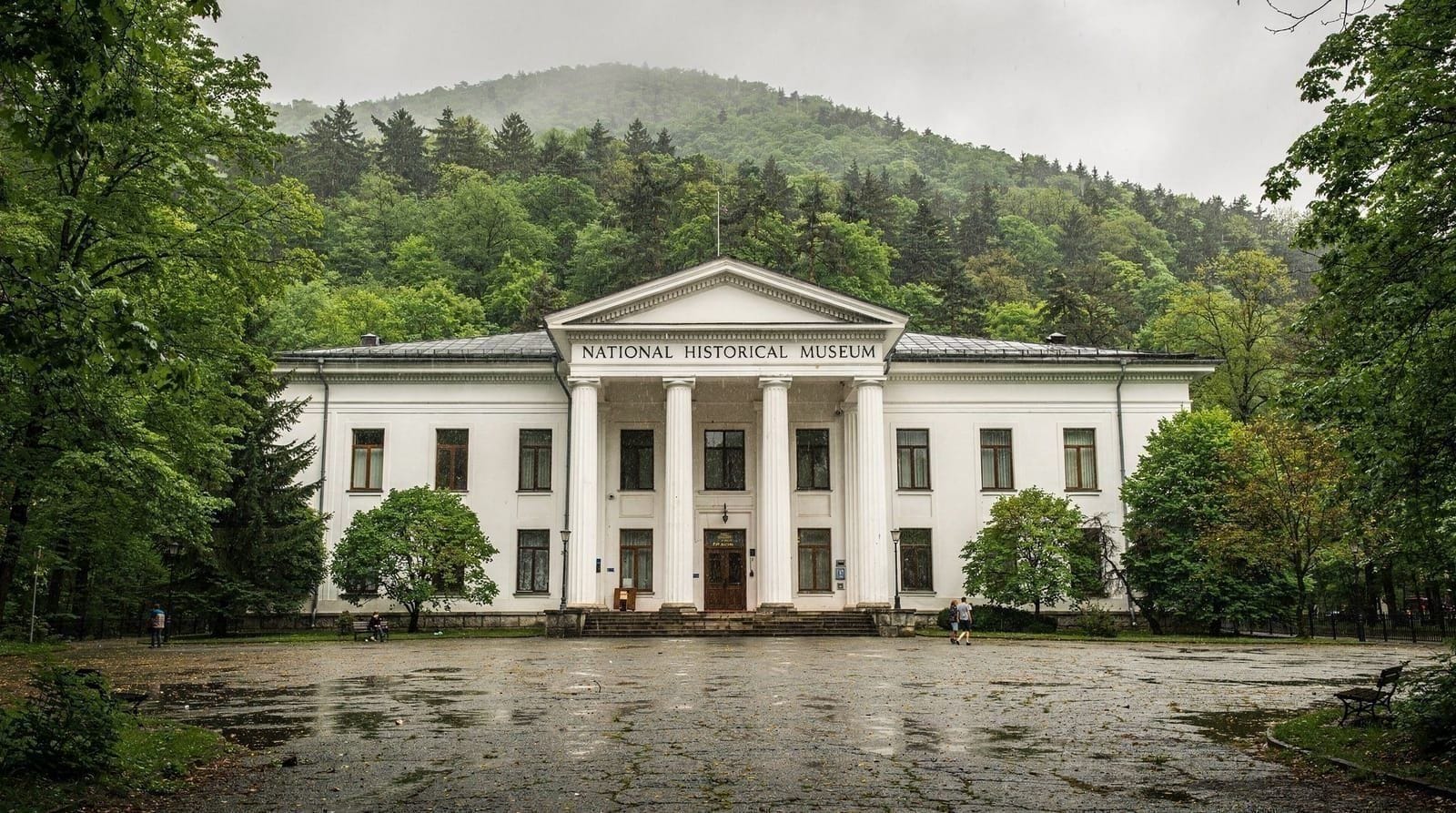
The former Central Mineral Baths on Maria Luisa Boulevard, a short walk north of the Serdica metro station, is one of Sofia’s most photogenic buildings — and one that most visitors walk past without realising what it was.
Built between 1906 and 1913 to designs by the Bulgarian architects Petko Momchilov and Friedrich Grünanger, the building draws from Viennese Secession influences while incorporating neo-Byzantine ornamental elements: rounded arches, glazed ceramic tile decorations in yellow, green, and terracotta, elaborate semi-domes above the entrance wings, and a central hall rising to a coffered ceiling. The exterior is a controlled riot of colour and surface pattern that makes surrounding Sofia architecture look austere by comparison.
The bathhouse was built to serve Sofia’s growing population with access to the city’s abundant mineral water. At its peak, the complex served thousands of bathers daily across segregated sections for men, women, and different social classes. Hot mineral water was pumped directly from the underground springs at a natural temperature of 51°C and mixed to comfortable bathing temperature in the pools. The water itself is sulfurous and mineral-rich, with properties traditionally considered therapeutic for skin conditions, joint problems, and respiratory ailments.
The baths operated until 1986, when they closed due to deterioration of the building fabric and the difficulty of maintaining Victorian-era plumbing systems. The structure sat unused for nearly three decades — a period that caused additional damage — before being restored and reopened in 2015 as the Sofia History Museum.
Visiting today
Entry to the Sofia History Museum costs €2, making it one of the better-value museum admissions in the city. The permanent collection traces Sofia’s history from the Neolithic period through Roman Serdica, medieval Bulgarian kingdoms, Ottoman rule, and the modern Bulgarian state. The exhibits are well-presented, with strong archaeological holdings — particularly from the Serdica-era excavations that have been ongoing since the 1990s.
The building itself justifies a visit independently of the collection. The original bathing halls have been repurposed as exhibition spaces, and the architecture — high ceilings, tiled surfaces, the play of light through the original glazed windows — remains extraordinary. Allow 60 to 90 minutes for a thorough visit.
The museum is open Tuesday to Sunday, 10am to 6pm. It is a five-minute walk from the Sofia old town walk route and easily combined with the Banya Bashi Mosque next door.
The Banya Bashi Mosque fountain: free mineral water, no bathing
Standing directly adjacent to the Central Baths building is the Banya Bashi Mosque, built in 1576 during Ottoman rule. The name literally means “many baths mosque” — a reference to the thermal springs that made this corner of Sofia valuable to the Ottomans for the same reasons it had attracted the Romans before them.
On the eastern exterior wall of the mosque, a row of taps feeds water from the same underground mineral source that once supplied the bathhouse. This fountain runs continuously, 24 hours a day, free of charge. The water temperature at the tap is approximately 51°C — hot enough to require caution when filling a vessel.
Locals use this fountain regularly. You will often find people in the early morning with multiple plastic bottles, filling up for the week. The water has a faint mineral smell (hydrogen sulfide — the characteristic egg-like note of sulfurous springs) and is considered safe to drink once cooled.
Practical note: Bring a reusable bottle. The fountain has no cups, and the water is too hot to drink straight from the tap. Let it cool in the bottle for 15–20 minutes before drinking.
You do not need to enter the mosque to access the fountain. The taps are on the exterior, accessible from the street at any time.
The mosque itself is one of the few operating Ottoman-era mosques in Sofia and is worth a brief look at its exterior — the central dome and minaret are visible from the boulevard, and the building sits in notable contrast to the Byzantine-influenced decorative language of the former baths building next door.
The honest situation: bathing options in Sofia itself
Here is the direct assessment: if you want to bathe in mineral water without leaving Sofia’s core city area, your options are very limited.
The historic baths are a museum. There are no public thermal pools in the central city. Several hotels in Sofia claim “wellness facilities” that involve small plunge pools or jacuzzis fed by municipal water, not mineral springs. The genuine mineral bathing infrastructure in Sofia is almost entirely concentrated in Bankya, a suburb 15km to the west.
Sofia sits on a major geothermal belt — natural hot springs occur across a broad zone stretching through the city and its suburbs. The city’s failure to develop public bathing infrastructure comparable to what exists in Budapest, Bath, or even smaller Bulgarian thermal towns like Hisarya is a genuine curiosity. The water is there; the tradition is there; the facilities are not.
GetYourGuideHalf Day Tour: Sofia and the Mountains with Thermal SpaCheck availability →Bankya: the practical mineral bathing option
Bankya is a residential suburb 15km west of Sofia city centre, incorporated administratively into Sofia municipality. It has been a mineral spring resort since the early twentieth century, when the springs here — gentler and cooler than the central Sofia sources, at around 37°C — were developed for health tourism.
Today Bankya has several spa hotels that offer day access to their mineral pools for non-resident guests. The most established is the Palace Hotel Bankya, a renovated hotel complex with indoor and outdoor mineral pools, a thermal circuit, and day spa facilities. Day access pricing typically runs €15–30 per person depending on the day and the facilities included.
The experience at Bankya is not dramatic — the town itself is unremarkable, and the pools are hotel-standard rather than spectacular public baths. But the mineral water is genuine, the logistics from central Sofia are manageable (metro to Lyulin then bus 57, around 45 minutes), and it works well as a half-day addition to a longer Sofia stay when weather or museum fatigue makes a relaxing afternoon appealing.
Who Bankya is for: Travelers with limited time who want a mineral bathing experience without a full day out of the city. Those staying in Sofia for four or more days who want a relaxing afternoon after heavy sightseeing. People specifically interested in the softer, cooler spring water (37°C is more immediately comfortable than the near-scalding 51°C of the central Sofia springs).
Sapareva Banya: Bulgaria’s geyser and the best thermal day trip
For a more significant thermal bathing experience — the kind that justifies a full day’s outing — Sapareva Banya is 70km east of Sofia and offers something genuinely unusual: the only naturally occurring geyser in Bulgaria, erupting water at 104°C.
The geyser itself is not for bathing — at 104°C, it is obviously too hot. But the village has developed a range of outdoor and indoor pool complexes that use the spring water cooled to bathing temperatures, typically 36–42°C. Several small spa facilities and thermal complexes operate here, ranging from basic outdoor pools (€10–15 entry) to slightly more developed indoor facilities.
Sapareva Banya has a village character that Bankya lacks — smaller, quieter, with the thermal spring activity giving the whole place an edge of geological theatre. Steam rises near the geyser source. The water is visibly warm. The setting is the Rila foothills, so the surrounding landscape is proper mountain country with the peaks of the Rila range visible on clear days.
Getting there: By car, the drive takes about 90 minutes from Sofia via Dupnitsa. By public transport, trains run from Sofia’s Central Railway Station to Dupnitsa (60–70 minutes), from where taxis or infrequent local buses cover the remaining 15km to Sapareva Banya. A car makes the day far easier.
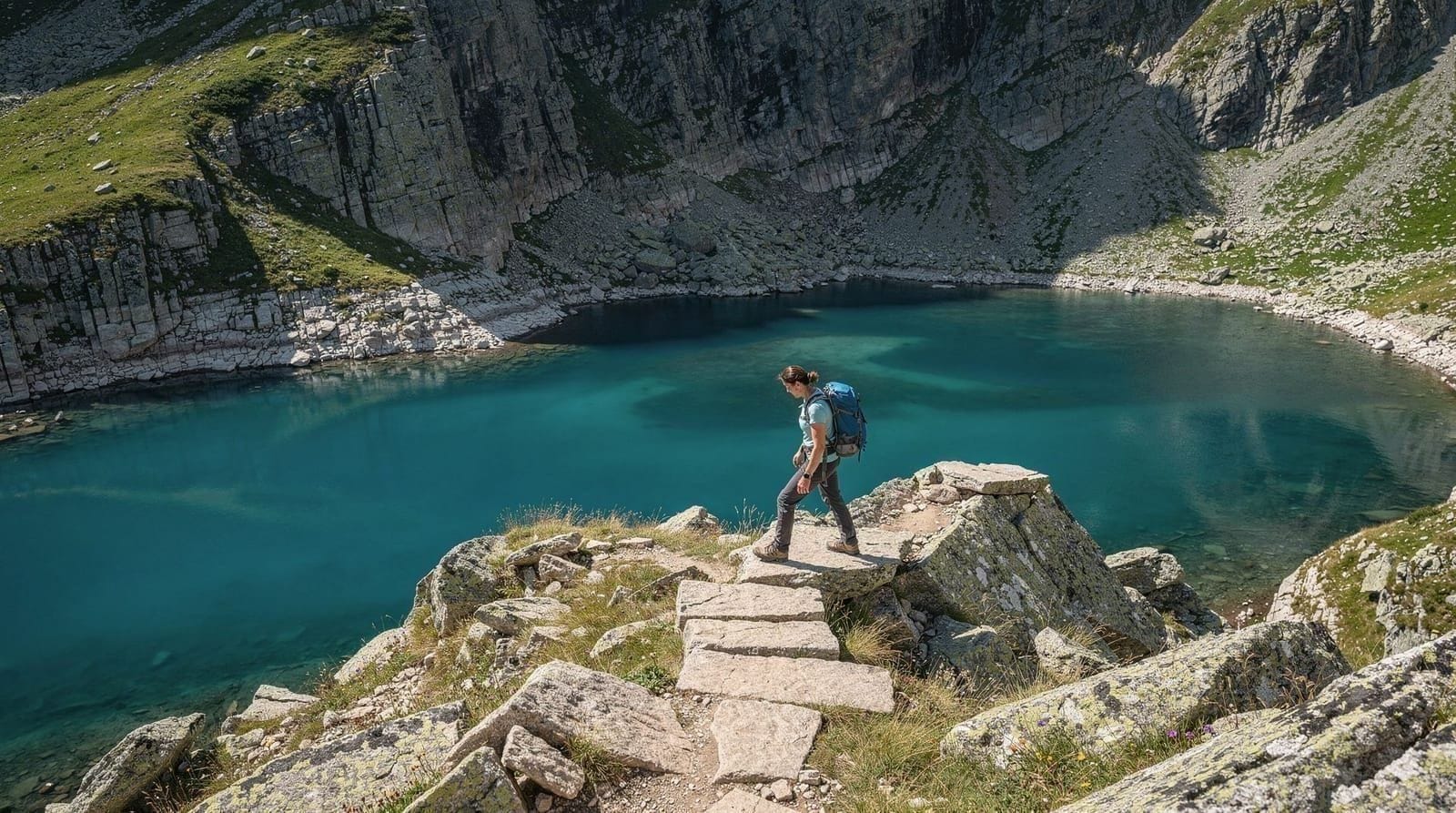
Combining with Seven Rila Lakes: Sapareva Banya sits in the foothills below the Seven Rila Lakes area. A combined day — hiking to the lakes in the morning and using the thermal pools in the afternoon — is genuinely one of the better structure days available from Sofia, blending alpine exercise with thermal recovery.
GetYourGuideSeven Rila Lakes Guided Hike with Lunch and Spa IncludedCheck availability →The mineral water composition: what you’re actually bathing in
Bulgaria’s geothermal belt produces mineral water with varying chemical composition depending on the specific source. Understanding what is in the water clarifies why proponents consider it therapeutic and what the physical sensation of bathing is like.
The Sofia city springs (Central Baths, Banya Bashi) produce water with relatively high sulfate and bicarbonate content, a trace hydrogen sulfide component (the faint egg smell), and elevated calcium and magnesium. The water is considered mildly alkaline and has traditionally been drunk for digestive complaints as well as used for bathing.
The Bankya springs are different in character — lower temperature, lower mineral concentration, softer water with less of the sulfurous note. They are comfortable to bathe in for extended periods and are traditionally associated with skin and respiratory conditions, though medical claims should be treated with appropriate skepticism.
Sapareva Banya’s high-temperature spring (104°C at source) carries a different mineral profile: higher silica content, more pronounced mineral character, and water that some bathers report feeling distinctly different from standard heated pool water even after it has been cooled to comfortable bathing temperature.
None of these claims have been subjected to the kind of clinical trials that would satisfy modern evidence standards. What is clear is that people have been coming to these springs for therapeutic purposes for at least two thousand years — which represents at minimum a strong placebo, and at most something worth not dismissing entirely.
What the Sofia mineral spring water tastes like
The Banya Bashi Mosque fountain provides perhaps the most accessible way to experience Sofia’s mineral water directly. Once cooled (the tap runs at 51°C and needs 15–20 minutes to reach a safe drinking temperature), the water tastes minerally — a mild bitterness on the finish from the calcium and magnesium content, a very faint sulfurous note that fades quickly, and an overall flatness because it is non-carbonated.
Local Bulgarians drink it regularly and consider it beneficial for digestion, skin, and kidney function. Whether or not these benefits are pharmacologically real, the ritual of filling a bottle from a medieval mosque fountain in the middle of Sofia has a certain appeal independent of the health claims.
The water is soft enough that regular drinkers notice a different mouthfeel from tap water — a slight slipperiness from the silica content. It is palatable once cooled and genuinely distinct from filtered tap water.
Comparing the options: a practical summary
For history and architecture only (no bathing): Sofia History Museum in the former Central Baths building. €2, 60–90 minutes. Excellent.
Free mineral water on the go: Banya Bashi Mosque fountain, Maria Luisa Boulevard. Any time, free, bring a bottle. 10 minutes.
Easy half-day mineral bathing without a long journey: Bankya. Metro + bus, around 45 minutes from city centre. Day access €15–30.
Full thermal bathing day trip with the most interesting geology: Sapareva Banya. 90 minutes by car, pools from €10–15. Best combined with Seven Rila Lakes or a Rila foothills walk.
Full spa day with organized transport from Sofia: Various organized half-day and full-day tours run to thermal facilities in the Sofia region, typically combining transport, entry, and sometimes guided elements. These remove the logistics burden and are worth considering if you’re not renting a car.
The spa and thermal Bulgaria guide covers a wider range of options including Hisarya and Velingrad if you’re planning more than a single thermal day or traveling beyond the immediate Sofia area.
What to bring and how to prepare for a bathing day
For Bankya or Sapareva Banya, pack a swimsuit, a towel (some facilities rent them but bringing your own avoids the wait and the fee), flip-flops for wet floors, and a change of clothes for the journey back. Most facilities provide lockers, though a small padlock of your own is a sensible backup at the busier weekend times. Neither destination requires advance booking for standard day access outside of major holidays, but arriving before midday on weekends avoids the busiest window, particularly at Sapareva Banya’s more popular pool complexes. If you have any open cuts, skin infections, or are pregnant, check with the facility staff before entering — sulfurous mineral water is generally considered safe but the higher mineral concentration is worth flagging with a doctor beforehand if you have specific health conditions.
The historical context: why Sofia never became a spa city
The puzzle at the centre of Sofia’s mineral bath situation — spectacular water, spectacular historic building, almost no functioning public bathing — has a specific historical explanation.
During the communist period (1944–1989), Sofia’s mineral springs were channeled into industrial uses and district heating rather than developed for tourism or public recreation. The Central Mineral Baths, already ageing, received minimal maintenance investment. When the building’s plumbing systems became unworkable in 1986, it was simply closed rather than renovated — capital investment went elsewhere.
After 1989, the transition period created competing claims over the building, disputes about who owned the spring rights, and chronic underfunding of cultural infrastructure. The building deteriorated for nearly three decades before the Sofia Municipality finally invested in restoration, reopening it as a museum in 2015. The restoration preserved the architecture beautifully but made no provision for restoring the bathing function.
Today, the spring water rights are split between municipal and private interests, and no coherent plan exists for developing public bathing infrastructure in the central city. The Banya Bashi fountain runs for free because the Ottoman-era infrastructure feeding it is simple enough to maintain. A new public thermal pool complex in central Sofia would require significant capital, institutional coordination, and political will — none of which has materialised.
This is genuinely unusual. Sofia’s geothermal resources are comparable to Budapest’s, which built its thermal bath culture into a functioning national tourism asset worth hundreds of millions annually. The comparison is not entirely fair — Hungary had different historical circumstances — but it illustrates the gap between what Sofia’s geology makes possible and what exists on the ground.
For the traveler, the practical consequence is simple: to actually bathe, leave the centre. The architecture stays in the centre; the water experience moves to Bankya or Sapareva Banya.
Other mineral fountains around Sofia
The Banya Bashi fountain is the best-known free mineral water source in the city, but it is not the only one. Several smaller taps and fountains fed by the same geothermal belt exist around Sofia’s outer districts, mostly known to locals rather than published on tourist maps — the Ovcha Kupel neighbourhood, for instance, takes its name (“sheep’s bath”) from a historic bathing tradition connected to a local spring, though the original bathing infrastructure there has long since disappeared. These smaller sources are not really worth seeking out specifically, but if you notice locals filling bottles at an unmarked tap somewhere in the city, it is very likely part of the same geothermal network that surfaces more famously at Banya Bashi.
Sofia’s other mineral connections
The Sofia museums guide mentions several places where the mineral spring heritage intersects with Sofia’s broader history as a Roman city. The Museum of Sofia History (the former Central Baths) includes exhibits on Roman Serdica that show how extensively the Romans developed the spring infrastructure. Archaeological excavations in central Sofia regularly encounter Roman-era water channels and bathing complexes, evidence that the geothermal belt was comprehensively exploited long before the Ottoman period.
The Sofia old town walk passes both the former Central Baths building and the Banya Bashi Mosque, making it a natural way to encounter the mineral spring history as part of a broader circuit through the historic centre. The two buildings — one Viennese Secession, one Ottoman classical — standing adjacent to each other represent 400 years of continuous use of the same underground water source.
Integrating mineral baths into a Sofia itinerary
For a standard Sofia in 2 days visit, seeing the former Central Baths building as part of the old town walking route covers the mineral heritage without requiring a separate excursion. Fill a bottle at the mosque fountain for the experience. Reserve Bankya or Sapareva Banya for a longer visit.
For travelers on a Sofia in 3 days or four-day long weekend itinerary, a half-day to Bankya or a full day to Sapareva Banya slots in naturally as the relaxed day between more active sightseeing or day trips.
If mineral bathing is a primary motivation for your visit to Bulgaria rather than an add-on, it is worth looking at Velingrad — the self-described spa capital of the Balkans — which has significantly more developed bathing infrastructure than anything in the Sofia region, though it requires three hours’ travel from the capital.
For travellers building a longer Bulgaria itinerary specifically around thermal culture, a reasonable sequence is Sofia (museum and fountain) for the history, Sapareva Banya or Bankya for a first real bathing day, and Velingrad or Hisarya later in the trip for the fuller spa-town experience — treating Sofia as the historical introduction rather than the bathing destination itself sets expectations correctly from the start.
The getting around Sofia guide has full transport details for reaching Bankya from different parts of the city.
Options compared
| Option | Distance | Cost | Time needed | Best for |
|---|---|---|---|---|
| Sofia History Museum | City centre | €2 | 60–90 min | Architecture and history, no bathing |
| Banya Bashi fountain | City centre | Free | 10 min | A quick taste of the mineral water |
| Bankya | 15km | €15–30 | Half day | Easy relaxation without a long trip |
| Sapareva Banya | 70km | €10–15 | Full day | The most interesting geology, combine with hiking |
Frequently asked questions about Sofia's mineral baths
What is the Sofia History Museum and was it really a bathhouse?
Yes — the beautiful yellow and green Viennese Secession building on Maria Luisa Boulevard is the former Central Mineral Baths, built in 1913 and operating as public baths until 1986. It now houses the Sofia History Museum (entry €2) with exhibits on the city's history from ancient Serdica to the present.Is the Banya Bashi Mosque fountain really free?
Yes. The hot mineral water spring outside the Banya Bashi Mosque (next door to the old Central Baths building) flows 24 hours a day, free to anyone. The water temperature is around 51°C. Bring a reusable bottle — locals fill up here regularly. Let it cool before drinking.How do I get to Bankya from Sofia?
Bankya is a Sofia suburb 15km west of the centre. Take metro line 1 to the end at Lyulin station, then bus 57 to Bankya (journey time around 45 minutes total). Several spa hotels here offer day access to their mineral pools without an overnight stay.Is Sapareva Banya worth a day trip from Sofia?
Yes, if thermal bathing is your priority. The only geyser in Bulgaria is here (104°C spring), and there are outdoor and indoor mineral pools starting from €10–15 entry. It's 70km from Sofia — a 90-minute drive, or reachable by train and taxi. Combine with Seven Rila Lakes if you want a full day.What temperature is the water in Sofia's mineral springs?
Sofia's natural mineral springs emerge at 37–51°C depending on the source. The Central Baths used water at 51°C. The Banya Bashi Mosque fountain runs at about 51°C. Bankya's springs are cooler, around 37°C. Sapareva Banya's geyser reaches 104°C but is cooled before use in pools.Which is better for a first visit: Bankya or Sapareva Banya?
Bankya suits travellers with limited time who want an easy half-day mineral bathing experience close to the city — roughly 45 minutes each way by metro and bus. Sapareva Banya is worth the longer 90-minute trip if thermal bathing is a real priority, since it combines Bulgaria's only geyser with a more interesting village setting, and pairs naturally with a Seven Rila Lakes hike.Can I visit the Sofia History Museum and Banya Bashi fountain in the same stop?
Yes — the two buildings sit directly next to each other on Maria Luisa Boulevard, a short walk from Serdika metro. Allow 60–90 minutes for the museum and 10 minutes for filling a bottle at the fountain, and combine both with the wider Sofia old town walking route.
Top experiences
Bookable activities with verified prices and instant confirmation on GetYourGuide.