Spa and thermal experiences from Sofia: Sapareva Banya, Bankya, Hisarya, Velingrad, and Bansko
Seven Rila Lakes Guided Hike with Lunch and Spa Included
What is the best spa or thermal experience accessible from Sofia?
Sapareva Banya (70km, 90 min) is the closest with the most interesting geology — Bulgaria's only geyser. Velingrad (140km, 3h) is the best-developed spa resort. Bankya (15km, 45 min) is the easiest half-day option if you're short on time.
Bulgaria sits on one of Europe’s richest geothermal zones. Mineral springs emerge across the country from the Rhodope foothills to the Rila mountains, from the Black Sea coast inland to the Danube plain. Some of these springs have been bathed in continuously for two thousand years — Roman legions soaked in them, Ottoman travelers wrote about them, and Bulgarian spa hotels have been operating around them since the early twentieth century.
Despite this, Bulgaria is not on most European spa tourism lists. That’s partly because the infrastructure at some sites remains limited, partly because marketing has lagged, and partly because places like Velingrad and Hisarya simply haven’t registered internationally the way Karlovy Vary or Baden-Baden have. The result is a curious situation: genuinely excellent thermal water at very low cost, with facilities ranging from rustic outdoor pools to respectable hotel spa complexes, all largely unknown to the non-Bulgarian visitor.
This guide covers every significant thermal and spa destination within reasonable reach of Sofia, from the suburb you can reach in 45 minutes to the resort town three hours away. For each one: what it offers, how to get there, what it costs, and who it’s actually for.
| Closest option | Bankya, ~45min, no car needed |
| Most unusual | Sapareva Banya’s geyser, 90min |
| Best-developed | Velingrad, ~3h, overnight recommended |
| Cost range | around €10–80 depending on facility |
| Best days | weekdays, to avoid crowds |
Sapareva Banya: the geyser town
Distance from Sofia: 70km east
Travel time: 90 minutes by car; 2+ hours by public transport
Best for: The most interesting thermal geology in Bulgaria; combining with Seven Rila Lakes; a genuine day out
Entry cost: From €10–15 for outdoor pools
Sapareva Banya is the most geologically unusual thermal destination in Bulgaria and the most natural complement to a mountain day from Sofia. The town sits at the base of the Rila foothills, 820 meters above sea level, in a valley that opens south toward the Rila mountains proper.
The defining feature is the geyser: the only naturally erupting geyser in Bulgaria, with water temperature at the source reaching 104°C. It erupts periodically from the ground in a small park near the centre of the village — steam, heat, and mineral-loaded water, at a temperature that excludes any possibility of contact. The geyser has been flowing continuously for as long as records exist, and geologists estimate the spring system is thousands of years old.
Nobody bathes in 104°C water, of course. What the village has built around this resource is a collection of pool complexes that use the spring water cooled to bathing temperatures — typically 36–42°C, varying by pool type and facility. The main public complex has outdoor pools that operate year-round; in winter, with snow visible on the Rila peaks above and steam rising from the warm water surface, the experience is particularly memorable.
What to expect: Sapareva Banya is a small village, not a resort. The pool facilities are modest rather than luxurious — outdoor concrete pools with plastic sunbeds, changing rooms, a basic cafe. Entry costs €10–15. You will be sharing the water with Bulgarian families who use it weekly, elderly people there for therapeutic reasons, and occasional tourists. The atmosphere is decidedly local, which most visitors find either charming or underwhelming depending on their expectations.
If you want luxury infrastructure — professional staff, saunas, steam rooms, treatment rooms, poolside service — Sapareva Banya is not the right choice. If you want genuinely mineralized hot water in a mountain setting at a fraction of what you’d pay elsewhere in Europe, it is excellent.
GetYourGuideSeven Rila Lakes Guided Hike with Lunch and Spa IncludedCheck availability →Combining with Seven Rila Lakes
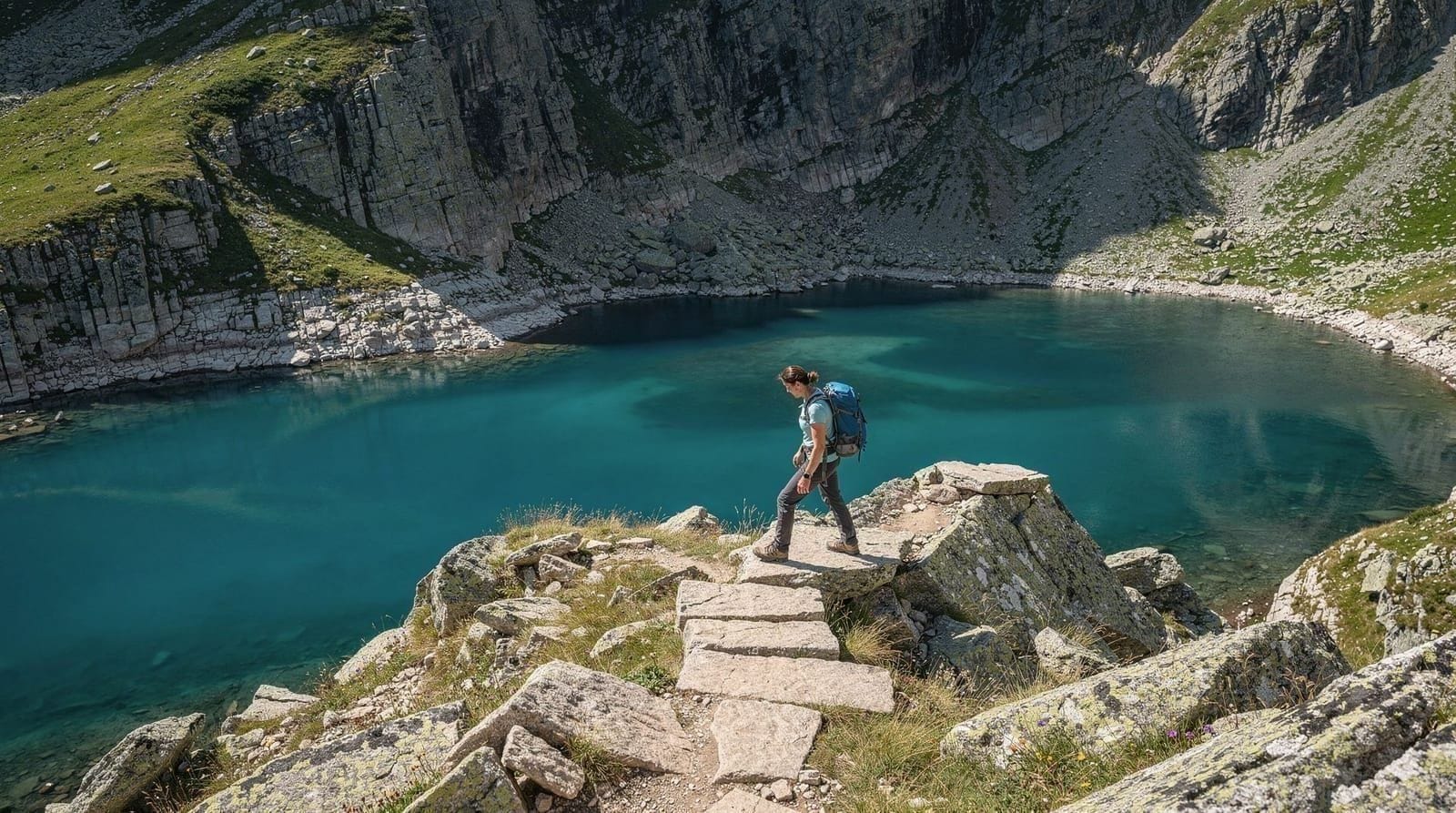
This is the optimal structure for a Sapareva Banya day trip. The Seven Rila Lakes hiking area is approximately 30km from Sapareva Banya along mountain roads — the two are effectively in the same corner of the Rila massif. The lakes sit at 2,100–2,500 meters altitude and are reachable by gondola from Panichishte (a small ski area) or on foot.
A morning hike around the lakes (the full loop takes three to four hours at a moderate pace) followed by an afternoon at the Sapareva Banya thermal pools is one of the better day structures available from Sofia: physically demanding first half, genuinely restorative second half. The thermal water after an alpine hike has a specific appeal that hotel pools cannot replicate.
Organized tours that combine this itinerary are available from Sofia and handle transport — useful given that reaching both locations by public transport is logistically complicated.
GetYourGuideFrom Sofia: 7 Rila Lakes Hiking & Thermal Spa Day TourCheck availability →Getting there
By car: Take the Trakia motorway east from Sofia to the Dupnitsa junction, then south toward Sapareva Banya. Total 90 minutes on a normal day.
By public transport: Trains from Sofia Central Station reach Dupnitsa in about 60–70 minutes. From Dupnitsa, infrequent local buses or a taxi (€8–12) cover the 15km to Sapareva Banya. Return journey requires the same reverse logistics. For a day trip without a car, an organized tour simplifies everything substantially.
Bankya: Sofia’s doorstep mineral option
Distance from Sofia: 15km west
Travel time: 40–50 minutes by metro + bus
Best for: Easy half-day; those without a car; cooler mineral water experience
Entry cost: €15–30 for hotel spa day access
Bankya is the most accessible thermal option from central Sofia, administered as part of Sofia municipality but with a distinct suburban village character. The mineral springs here are gentler and cooler than those elsewhere in this guide — around 37°C — which makes them immediately comfortable but also less dramatically therapeutic.
The main offering is hotel spa day access. The Palace Hotel Bankya is the established option, with indoor and outdoor mineral pools, basic thermal circuit (steam, sauna, relaxation areas), and day packages for non-guests. Other smaller spa hotels in the area operate similarly.
Honest assessment: Bankya is not a destination in itself. The town is ordinary, the facilities are hotel-standard rather than special, and the mineral water — while genuine — lacks the theatrical temperature and geology of Sapareva Banya. What Bankya offers is convenience: metro to Lyulin station, then bus 57, no car required, back in central Sofia by dinner. For a Sofia visitor with three or four days who wants a relaxed afternoon option, it works. As a standalone reason to visit Bulgaria, it does not.
The Sofia mineral baths guide covers Bankya in more detail alongside the historic Central Baths building and Banya Bashi fountain.
Hisarya: Roman ruins and 22 mineral springs
Distance from Sofia: 135km east
Travel time: 2–2.5 hours by car; 2.5+ hours by public transport via Plovdiv
Best for: Combining Roman history with thermal bathing; spa-focused travelers who can spare a full day
Entry cost: Hotel day spa access €20–40; some public pools €10–15
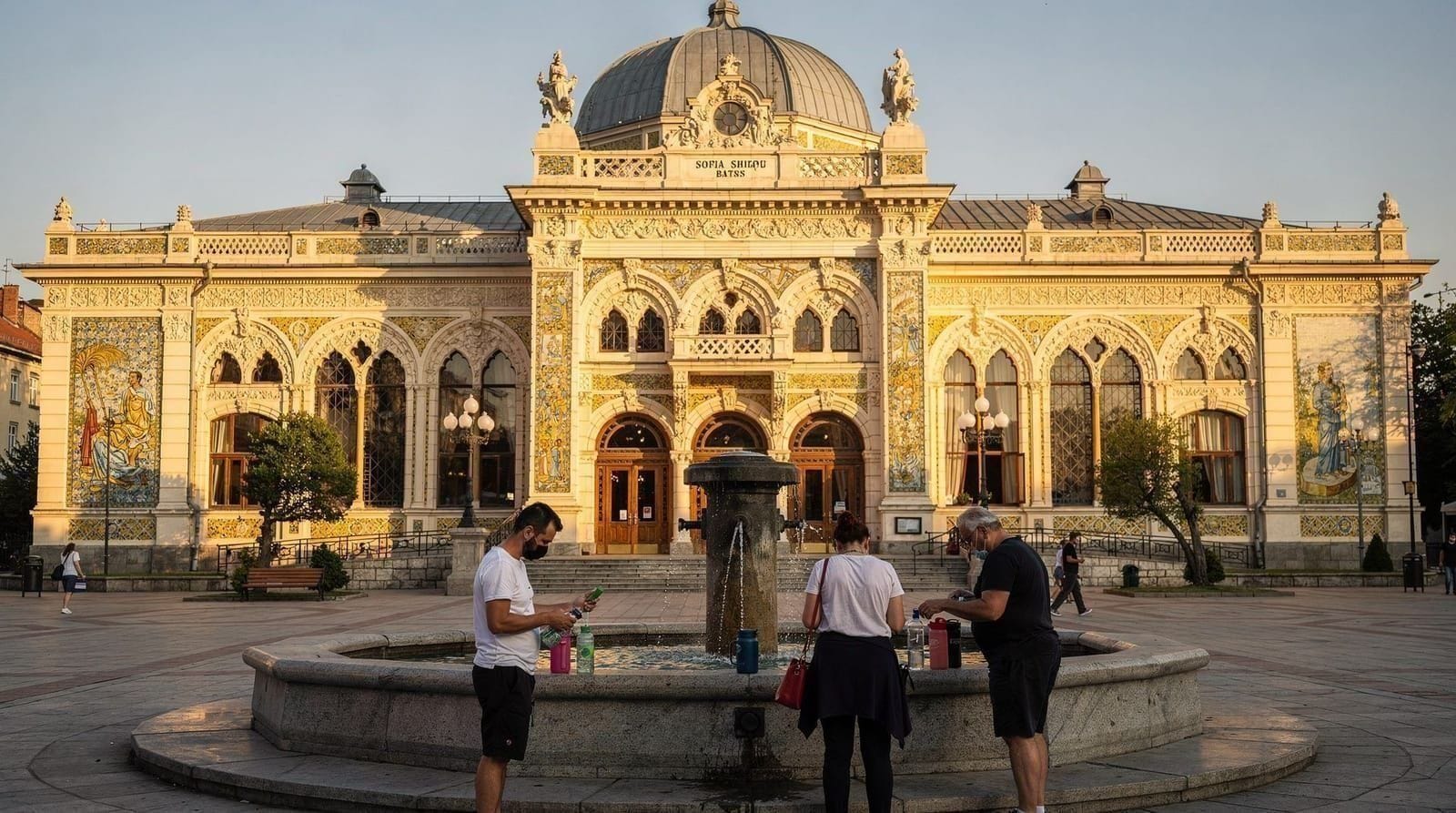
Hisarya (sometimes spelled Hissarya or Hissar) is a small town in the Plovdiv region with an ancient mineral bathing history that extends from the Romans through to the present. The Romans called it Augusta — the Emperor Diocletian reputedly bathed here — and built substantial thermal infrastructure including bathhouses, forums, and the well-preserved Roman walls that still encircle part of the modern town.
Today Hisarya has over 22 mineral springs of varying temperature (22–51°C) and chemical composition. The town has developed around medical/wellness tourism since the communist period, which means there is actual infrastructure: a pedestrianized centre, a range of spa hotels at various price points, several pool complexes, and the Roman-era mineral park where the springs are still flowing and accessible.
What makes Hisarya different: It is a functioning small town built around its springs, not just a hotel complex with pools attached. Walking the Roman walls, seeing the Thracian heritage museum, and then spending the afternoon in mineral water makes for a more textured day than pure pool-hopping. The town’s low-key medical tourism vibe — older Bulgarians doing prescribed courses of mineral water drinking, couples at hotel spas — gives it a different character from either Sapareva Banya’s alpine simplicity or Velingrad’s resort bustle.
Combining with Plovdiv: Hisarya is 40km northwest of Plovdiv, making a combination of the two the natural day structure if you’re coming from Sofia. Plovdiv’s Old Town in the morning (two to three hours), lunch in Kapana district, then Hisarya for afternoon thermal bathing — a full day with genuine variety. This is only practical by car; public transport between Plovdiv and Hisarya is infrequent.
The Thracian heritage sites around Hisarya and the Plovdiv day trip are both covered in related guides.
Velingrad: the spa capital of the Balkans
Distance from Sofia: 140km southwest
Travel time: 3 hours by car; 3+ hours by bus
Best for: Serious spa resort stay; most developed thermal infrastructure; overnight trips
Entry cost: Large public complexes €15–25; hotel spa day access €30–50+
Velingrad is the most ambitious thermal resort in Bulgaria, a mid-sized town in the Rhodope mountains that has staked its entire identity on mineral water. The claim to be the “spa capital of the Balkans” is marketing, but not empty marketing: Velingrad has more than 80 mineral springs with varying temperatures and compositions, the highest volume of therapeutic mineral water of any Bulgarian town, and a properly developed tourism economy around it.
The springs here cover a remarkable temperature range — from 28°C springs suitable for long therapeutic baths to springs over 90°C that require cooling. Different springs have different mineral compositions (some high in radon, some in silica, some in carbon dioxide), and Velingrad’s medical spa establishments make therapeutic claims based on specific spring types that Bulgarian thermal medicine takes seriously.
What to expect: Velingrad has the infrastructure that Sapareva Banya lacks. Multiple large pool complexes (some municipal, some hotel-attached) operate throughout the year. A properly developed pedestrianized centre has restaurants, cafes, and accommodation ranging from budget guesthouses to four-star hotel spa complexes. The Dvoretsa Hotel and Kamena Hotel are the most established spa hotels with day access packages.
The feel of the town is Bulgarian domestic resort — families, older couples doing health treatments, groups of friends from Plovdiv or Sofia for a weekend. It is more developed but also more crowded than Sapareva Banya in season (July–August and holiday weekends).
Why it requires more planning: The three-hour drive (or comparable bus journey from Sofia’s Yug bus station) means Velingrad really works better as an overnight destination than a day trip. A single night allows you to use the thermal facilities in both evening and morning, experience the town at quieter hours, and return to Sofia without a rushed turnaround. For a four-day long weekend or longer Bulgaria itinerary, an overnight in Velingrad fits naturally as a mid-point between Sofia and the Rhodope highlands.
GetYourGuideExperience Sofia: Nature, History, Horse Riding and SPACheck availability →Bansko: mountain spa without the geyser
Distance from Sofia: 160km south
Travel time: 2.5–3 hours by car; 3.5+ hours by bus
Best for: Combining with skiing or mountain hiking; luxury hotel spa experience; those who want alpine setting with thermal comforts
Entry cost: Hotel spa day access €40–80 at top hotels
Bansko is Bulgaria’s major ski resort, and as a ski town it has developed serious hotel spa infrastructure over the past two decades — partly because ski guests expect it, partly because Bansko has positioned itself as a year-round mountain destination. The town does not have significant natural thermal springs, but several hotels have invested in advanced spa facilities with hydrotherapy, treatment rooms, saunas, and indoor heated pools.
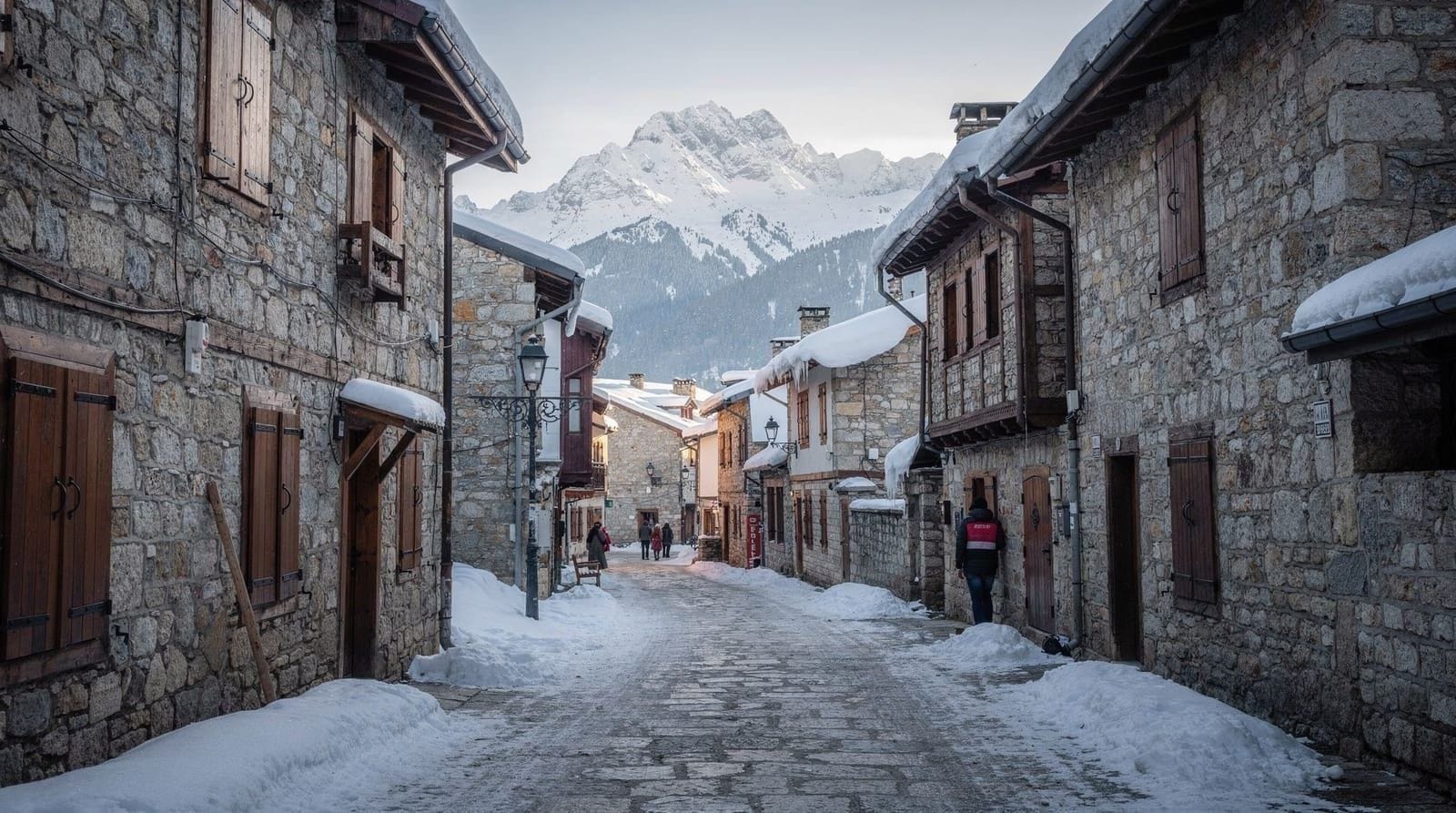
The relevant draw here is the combination of landscape and luxury: Bansko sits at the base of the Pirin mountains, with peaks reaching nearly 3,000 meters. In winter, ski-and-spa combinations are the obvious package. In summer, the mountain trails (some of Bulgaria’s best hiking is in Pirin National Park above Bansko) make a hike-and-spa day genuinely satisfying.
Key hotels with serious spa facilities: The Kempinski Hotel Grand Arena Bansko is the flagship luxury option with a full thermal circuit, indoor pools, and comprehensive treatment menu at premium prices. Several other four-star hotels offer day spa access at €40–60.
The Borovets ski area (also near Sofia, about 80km southeast) similarly has some thermal pool development, more modest than Bansko but closer to the capital.
GetYourGuideDay Tour: Ski Borovets & Relax in Thermal Pools and SaunaCheck availability →Planning a multi-day thermal itinerary from Sofia
For travelers who want to build a trip substantially around thermal and wellness experiences rather than treating them as add-ons, there is a natural logic to sequencing the destinations above.
Two-day thermal circuit: Day one — Sapareva Banya in the morning (90 minutes from Sofia), Seven Rila Lakes in the early afternoon (via gondola from Panichishte), return to Sofia by evening. Day two — Bankya for a relaxed half-day spa morning, afternoon in Sofia visiting the former Central Mineral Baths building (now the Sofia History Museum) and the Banya Bashi Mosque fountain for comparison.
Three-day circuit with culture: Day one — Plovdiv (the Thracian Valley wine country and old town), with an evening stop in Hisarya on the way back to Sofia for a pre-dinner soak. Day two — Sapareva Banya and Seven Rila Lakes as above. Day three — Sofia itself, covering the old town, the history museum in the former baths, and an evening at a wine bar.
Overnight thermal stay: Drive to Velingrad for one night — use the pools on afternoon arrival, explore the town in the evening, morning session in the baths before returning to Sofia. This transforms the Velingrad visit from a rushed day trip into an actually restorative experience.
The Sofia in 3 days and four-day long weekend itineraries have frameworks that can accommodate these thermal additions with some restructuring.
What Bulgarian thermal wellness is not
It is worth being direct about what distinguishes Bulgarian spa destinations from those in Austria, Germany, Hungary, or Switzerland. The infrastructure gap is real. Velingrad is genuinely good, but it is not Baden-Baden. Sapareva Banya’s outdoor pools are functional rather than luxurious. Several facilities that charge spa prices offer changing rooms that need renovation.
The compensation is threefold: the water is genuine and mineralised in ways that differ from standard heated pools; the prices are a fraction of what comparable European spa regions charge; and the absence of the premium tourist overlay means you are sharing the water with Bulgarians who come for therapeutic rather than lifestyle reasons, which changes the atmosphere.
Travelers who approach Bulgarian thermal destinations with adjusted expectations — quality mineral water, mountain or historical settings, low cost, local rather than international clientele — consistently find the experience worthwhile. Travelers who expect the production values of a German thermal resort or a Hungarian Michelin-spa will be disappointed.
The how many days in Sofia guide discusses how to balance expectations for the whole Bulgaria visit, which applies here: come for what Bulgaria actually offers, not for what it hasn’t yet built.
Quick comparison: which destination to choose
| Destination | Distance from Sofia | Best for | Cost range |
|---|---|---|---|
| Bankya | 15km, 45 min | Easy half-day, no car needed | €15–30 |
| Sapareva Banya | 70km, 90 min | Geology, combine with Seven Lakes | €10–15 |
| Hisarya | 135km, 2.5h | Roman history + thermal | €10–40 |
| Velingrad | 140km, 3h | Full spa resort, overnight best | €15–50+ |
| Bansko | 160km, 3h | Luxury hotel spa, mountain setting | €40–80 |
Best time of year for thermal bathing
Thermal pools work in every season, but the experience shifts considerably. Winter (December–February) is arguably the best time for outdoor pools like Sapareva Banya’s — steam rising off warm water into cold mountain air, with snow visible on the Rila peaks, is genuinely atmospheric and crowds are at their lowest. Spring (March–May) combines mild temperatures with the Rila and Rhodope trails starting to open up for combination hike-and-soak days, though the higher-altitude Seven Rila Lakes trail may still hold snow into May.
Summer (June–August) is peak season everywhere in this guide — outdoor pools are pleasant, but this is also when Velingrad and Hisarya see the heaviest domestic tourist traffic, and booking a hotel day-spa package ahead is worth doing.
Autumn (September–October) is the local sweet spot: fewer crowds than summer, mild enough for outdoor bathing, and the Rhodope and Rila forests are at their most attractive for a combination day.
Where to stay near the thermal towns
If you’re extending a Sapareva Banya or Hisarya visit rather than day-tripping from Sofia, both towns have small hotels built specifically around access to the springs — generally simpler and cheaper than Velingrad’s larger resort hotels, with direct or near-direct pool access included in the room rate. Velingrad and Bansko, by contrast, have a genuine range from budget guesthouses to four- and five-star spa hotels, making them more practical for travellers who want a specific standard of facility rather than whatever the town happens to offer. Booking a room with pool access included is usually better value than paying for a day-spa pass separately if you’re staying even one night.
Practical advice for all destinations
Book ahead for weekends: Every thermal destination near Sofia gets busy on Saturday and Sunday, particularly in September–October and during school holidays. Weekday visits are significantly less crowded.
What to bring: Swimwear, flip-flops for pool surrounds, a towel (most facilities charge for towel rental), and if you’re sensitive to mineral water smells, a small face cloth. The sulfur note in higher-temperature springs is noticeable.
Language and etiquette: Staff at most facilities speak at least basic English, more so at hotel spas than at municipal outdoor pools. Bulgarian pool etiquette generally expects a rinse-off shower before entering, and swim caps are sometimes required at indoor hotel pools — check on arrival rather than assuming, since the rule isn’t universal.
Health considerations: Mineral water bathing is contraindicated for some conditions — high blood pressure, cardiovascular conditions, and pregnancy in high-temperature pools. If you have relevant health factors, check with the facility before booking.
Transport realities: Only Bankya is realistically reachable by public transport for a solo day trip from Sofia. Sapareva Banya is possible with effort (train to Dupnitsa, taxi to village). Hisarya, Velingrad, and Bansko all work substantially better with a car or on an organized tour. The getting around Sofia guide has transport options for the wider region, and a rental car is often the single best investment for this specific kind of multi-stop, semi-rural itinerary.
For those specifically interested in Sofia’s historic mineral baths infrastructure — the gorgeous former Central Baths building now serving as a museum, and the free Banya Bashi Mosque fountain — the Sofia mineral baths guide covers those in detail. For a general overview of the wider Bulgaria trip, the Sofia travel guide has entry-level planning advice and a day-by-day breakdown of what to prioritize.
What the water actually does
Bulgarian thermal medicine takes mineral composition seriously in a way that’s worth understanding before you book. Sulfur-rich springs, common around Sapareva Banya and parts of Hisarya, are traditionally used for joint and skin conditions. Radon-bearing springs at some Velingrad facilities are marketed for circulatory support. Silica-rich water, found at several Rhodope springs, is associated with skin benefits in local spa literature.
None of this replaces medical advice, but it explains why you’ll see older Bulgarians on prescribed multi-day “water cure” courses rather than a single soak — the therapeutic tradition here runs closer to Central European Kurort culture than to a wellness-spa day out.
Combining with the coast or wine regions
For visitors building a longer Bulgaria trip beyond Sofia, thermal stops slot naturally into wider routes. Melnik’s wine region, southwest of Sofia, sits within range of a combined wine-and-thermal day if you’re passing through the Rila-Pirin corridor — check the Melnik wine region guide and Bulgarian wine guide for how that pairs. Hisarya’s proximity to Plovdiv also makes it a natural stop on any route toward the Thracian Valley or the Black Sea coast, softening what would otherwise be a long transit day into something with its own reward at the midpoint.
Frequently asked questions about Spa and thermal experiences from Sofia
What is Bulgaria's most famous spa town?
Velingrad, about 140km southwest of Sofia, bills itself as the 'spa capital of the Balkans' and has the infrastructure to back the claim — over 80 mineral springs, multiple large hotel spa complexes, and a well-developed thermal resort economy. It requires a three-hour drive or bus journey from Sofia.Is Hisarya worth visiting from Sofia?
Yes, if you are interested in the combination of Roman ruins and mineral water. Hisarya has over 20 mineral springs and significant Roman bath ruins, and is a pleasant small town with good spa hotels. It's about 140km and 2.5 hours from Sofia — a long day, but viable. Better combined with a Plovdiv visit.Are there thermal pools in Bansko?
Not naturally, but Bansko has developed strong hotel spa infrastructure around its ski resort identity. Several large hotels — the Kempinski and others — have serious indoor thermal and wellness facilities year-round. Bansko is 160km from Sofia (2.5-3h), making it more practical as an overnight destination than a day trip.How much does spa access cost in Bulgaria?
Outdoor mineral pools at village spas like Sapareva Banya start at €10–15 per person. Hotel day spa access at Hisarya or Velingrad ranges from €20–40. Luxury hotel spas in Bansko can reach €50–80 for a half-day circuit. Bulgaria remains significantly cheaper than equivalent facilities in Germany, Austria, or Hungary.Can I combine thermal bathing with hiking near Sofia?
Yes — this is one of the best day structures available. Sapareva Banya sits just below the Seven Rila Lakes trailhead: hike the lakes in the morning, use the thermal pools in the afternoon. Similarly, Bansko's hotel spas are surrounded by mountain trails accessible in summer.Which Bulgarian spa destination is best for a first visit?
Sapareva Banya is the best introduction for most Sofia-based visitors — closest at 90 minutes, genuinely unusual geology (Bulgaria's only geyser), and low cost. Velingrad is the better choice if you want to experience Bulgaria's most developed spa infrastructure and have time for an overnight stay.Do I need to book Bulgarian thermal pools in advance?
Generally no for weekday visits — most facilities operate on walk-up access. Weekends, especially September–October and school holidays, get busy at all the destinations in this guide, so arriving early or booking a hotel day-spa package ahead is worth doing if your visit falls on a Saturday or Sunday.
Top experiences
Bookable activities with verified prices and instant confirmation on GetYourGuide.