Sofia museums: a complete guide to what's worth your time
Sofia: Archaeology and History Museum Guided Tour
Which Sofia museum is best?
The National Archaeological Museum is the strongest museum in the city — remarkable Thracian artifacts, the Panagyurishte gold treasure replica, and Roman finds, all in a beautiful Ottoman mosque building. Budget 1.5–2 hours and go first. The National History Museum is the largest but requires a taxi 35 km outside the center.
Sofia has more museums than most visitors realize, and the quality varies considerably. Some are genuinely world-class for their subject; others are underfunded, poorly signed, and exhausting to navigate. This guide gives honest assessments so you can plan a realistic museum day without running out of energy by noon.
The short version: prioritize the National Archaeological Museum and make a decision about the National History Museum based on how much you want to commit to transport. Everything else can be selected based on specific interests.
| Top pick | National Archaeological Museum, allow 1.5–2h |
| Price range | around €2–7 per museum |
| Closed | Mondays, almost everywhere |
| Free entry | Sofia City Art Gallery, Tuesdays |
| Hardest to reach | National History Museum (Boyana, taxi needed) |
National Archaeological Museum
Location: Central Sofia, 10 minutes’ walk from the National Palace of Culture (NDK). The building is an Ottoman mosque — the Buyuk Djamiya, built 1494, one of the few intact Ottoman structures in the city center.
Hours: Tuesday–Sunday, 10:00–18:00. Closed Mondays.
Entry: €7 adults. There is no combined ticket with other museums.
This is the strongest museum in Sofia, and it would be remarkable in any European capital. The collection spans prehistory through the medieval period, with particular depth in Thracian and Roman artifacts from across Bulgaria.
The centerpiece is the Panagyurishte gold treasure — a set of nine rhyton (drinking vessels) in pure gold, decorated with mythological scenes, discovered in 1949 near Panagyurishte and dating to approximately the 4th–3rd century BC. The originals are here. The craftsmanship is extraordinary: the vessels incorporate animal heads, male and female figures, and intricate surface decoration that reads as both decorative and narrative. Spend real time with this display.
Beyond the gold treasure, the Thracian collection includes bronze armor, silver drinking sets, and fibulae that establish a picture of Thracian material culture often reduced to vague references elsewhere. The Roman collection — floor mosaics, portrait busts, bronze votive objects from sites across Thrace and Moesia — occupies the central nave of the mosque under excellent natural light from the dome.
Medieval Bulgarian artifacts, including medieval jewelry, coins, and ecclesiastical objects, occupy the upper-level galleries. These are less universally compelling but worthwhile if you have time.
GetYourGuideSofia: Archaeology and History Museum Guided TourCheck availability → GetYourGuidePlovdiv: Old Town Guided Walking Tour & AudioguideCheck availability →Allow: 1.5–2 hours. The museum is manageable in a single visit without fatigue. English labeling is adequate if not always comprehensive; a brief audio guide is available.
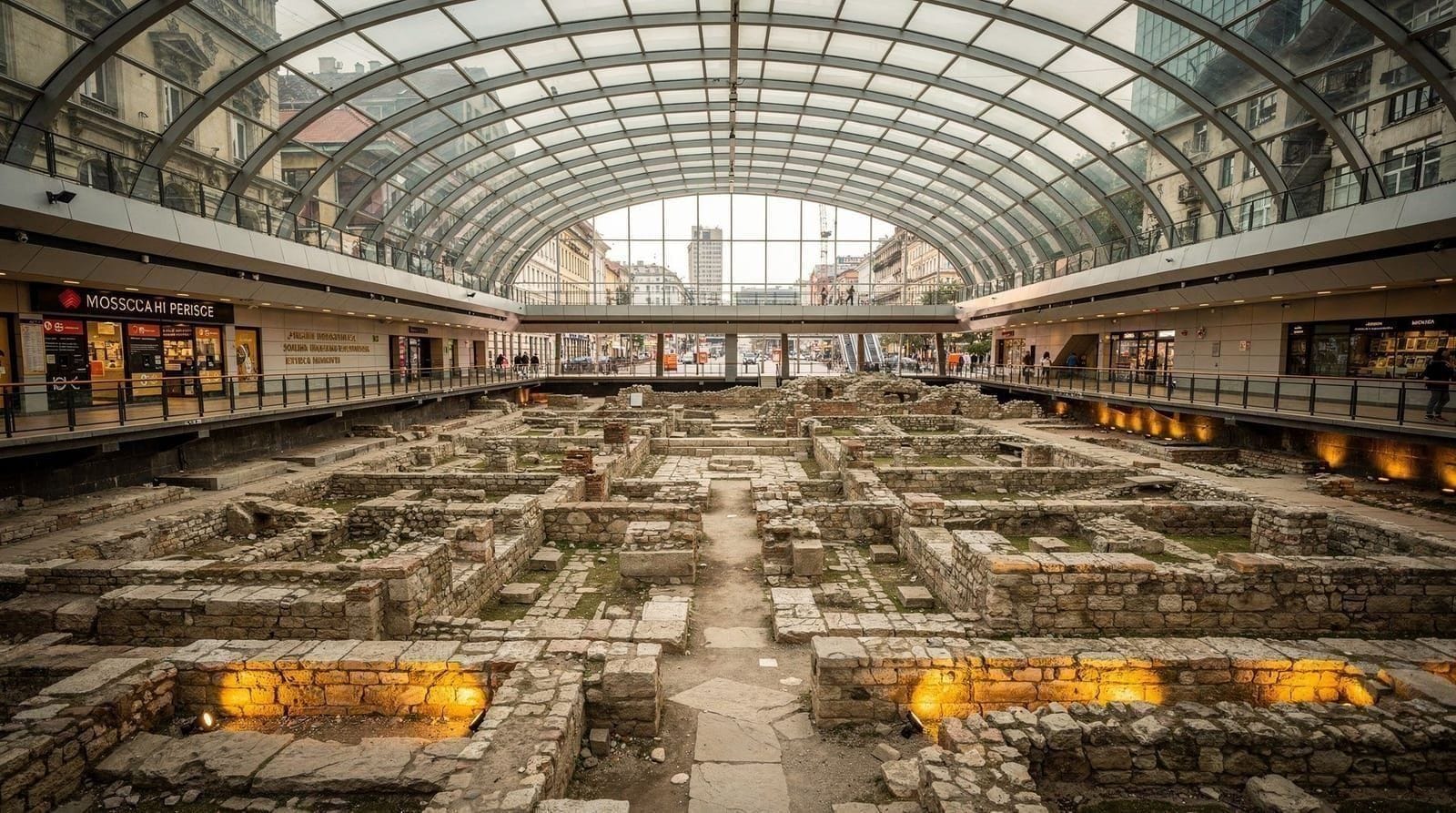
Practical note: The building’s outdoor entrance space — the former mosque courtyard — contains several large Roman architectural fragments and inscriptions. Worth 10 minutes before you go in. The Serdica Roman ruins are a short walk away and logically combined.
National Gallery (Sofia City Gallery of Fine Arts)
Location: Two buildings: the main Art Gallery building near the National Assembly, and the Foreign Art Gallery next to the Royal Palace on Battenberg Square. They are a few minutes’ walk apart.
Hours: Tuesday–Sunday, 10:00–18:00. Closed Mondays.
Entry: €5–7 per building. A combined ticket is available but rarely worth it unless you are a dedicated art visitor planning to spend half a day.
The main building holds the permanent collection of Bulgarian fine art from the 19th century through the 20th century — works by the major figures of the National Revival period (icons and religious painting), through the social realism of the communist period, to contemporary Bulgarian artists. The quality is uneven but the highlights are genuinely good: the 19th-century portrait painters who studied in Munich and Vienna before returning to Bulgaria bring a confident European academic style to Bulgarian subjects.
The Foreign Art Gallery, in the elegant former Royal Palace, holds 15th–20th century European works donated to the Bulgarian state. The collection is modest by Western European standards but includes some pleasing surprises, particularly in the Dutch and Flemish sections.
Skip if: You are short on time and not specifically interested in art. The National Archaeological Museum gives you a fuller picture of Bulgarian civilization in less time.
Visit if: You have a half-day to fill and an interest in how Bulgarian artists engaged with European movements, or if you want the building itself — the Royal Palace rooms are architecturally interesting.
National History Museum
Location: Boyana, 35 km southwest of central Sofia in the hills beneath Vitosha. It occupies a former communist-era state residence — a sprawling complex set in wooded grounds.
Hours: Wednesday–Sunday, 9:30–18:00 (April–October); 9:00–17:30 (November–March). Closed Monday and Tuesday.
Entry: €5 adults.
Transport: This is the critical planning issue. The museum is not on the metro. Your options: taxi from the center (€8–12, 20–25 minutes), bus 63 from Ovcha Kupel metro station, or rental car. Build the transport time into your schedule — it is a half-day commitment minimum, and more realistically a full morning if you are coming from the center.
The National History Museum is the largest museum in Bulgaria, covering Bulgarian history from prehistoric times through the 20th century in an extensive permanent collection. The Thracian and medieval sections have significant artifacts. The ethnographic section covers traditional crafts, textiles, and folk customs with genuine depth.
The honest assessment: the building is poorly signposted, the layout is confusing, and museum fatigue arrives early. Many exhibits have minimal English labeling. Three hours here is about the limit for most visitors before exhaustion overtakes curiosity. That said, the collection contains pieces — in particular the Valchitran gold treasure (older and more enigmatic than Panagyurishte) and several important medieval artifacts — that are not duplicated elsewhere.
Visit if: You have 3+ days in Sofia, a strong interest in Bulgarian history from prehistory to the modern period, and you commit to going early and pacing yourself. Combining it with the nearby Boyana Church (UNESCO World Heritage Site, 10 minutes away) makes the journey worthwhile.
GetYourGuideSofia: Vitosha Mountain, Boyana Church & History MuseumCheck availability →Skip if: You have fewer than 3 days in Sofia or limited stamina for sprawling, imperfect museums. The National Archaeological Museum covers the most important highlights in a fraction of the time.
Museum of Earth and Man
Location: Near NDK (National Palace of Culture), central Sofia.
Hours: Tuesday–Sunday, 10:00–18:00.
Entry: €4 adults.
This is the most underrated museum in Sofia, consistently overlooked by visitors focused on history and art. The collection is minerals, gemstones, meteorites, and geological specimens — but the presentation is genuinely impressive. The gemstone display includes exceptional pieces: gem-quality crystals, rare mineral formations, and a collection of meteorite specimens that is unusually good for a city museum.
The museum occupies a handsome 1930s building with well-lit galleries. It is small enough to cover in 45–60 minutes without exhaustion, and the visual quality of the exhibits is high throughout. Older children with an interest in science and geology will find it rewarding; adults who underestimate it regularly come out pleasantly surprised.
Visit if: You have 1–2 hours to fill in central Sofia, especially if you are with older children or have any interest in geology, gemology, or natural history.
Museum comparison at a glance
Use this as a quick reference when deciding which museums earn a place in a short trip. Prices are hedged — expect small variation by season and any current exhibition surcharge.
| Museum | Location | Cost | Time needed | Best for |
|---|---|---|---|---|
| National Archaeological Museum | Central | around €7 | 1.5–2h | First-time visitors, Thracian gold |
| National Gallery (both buildings) | Central | around €5–7/building | 2–3h combined | Bulgarian & European art |
| National History Museum | Boyana, 35km out | around €5 | half-day+ incl. transport | Committed history buffs, 3+ day trips |
| Museum of Earth and Man | Central | around €4 | 45–60min | Minerals, gems, older children |
| Sofia City Art Gallery | Central | around €2–3, free Tuesdays | 30–45min | Contemporary art, quick drop-in |
| Museum of Socialist Art | Iztok, eastern Sofia | around €5 | 1.5–2h | Communist-era history |
| Natural History Museum | Central | around €4 | 1–1.5h | Families, children 6–14 |
| Museum of Military History | Western Sofia | around €3–4 | 1–1.5h | Military history specialists |
Sofia City Art Gallery
Location: Central Sofia, in the red-brick building on General Gurko Street.
Hours: Tuesday–Sunday, 10:00–19:00.
Entry: €2–3 standard; free on Tuesdays.
The Sofia City Art Gallery focuses on contemporary and modern Bulgarian art — a different emphasis from the National Gallery’s historical collection. The permanent collection is modest, but the temporary exhibition program is genuinely active and frequently excellent, with rotating shows covering Bulgarian and international contemporary art.
The Tuesday free entry makes it a natural drop-in for anyone in the center. Even on paid days, the price is low enough that a brief visit carries no real risk. The building itself — a late 19th-century neo-baroque structure — is architecturally interesting.
Visit if: You are in central Sofia on a Tuesday, or if you are interested in contemporary Bulgarian art specifically. Also a good option if the temporary exhibition looks compelling — check the program online before visiting.
Museum of Socialist Art
Location: Iztok district, eastern Sofia, 15–20 minutes by tram from the center.
Hours: Tuesday–Sunday, 11:00–18:00.
Entry: €5 adults.
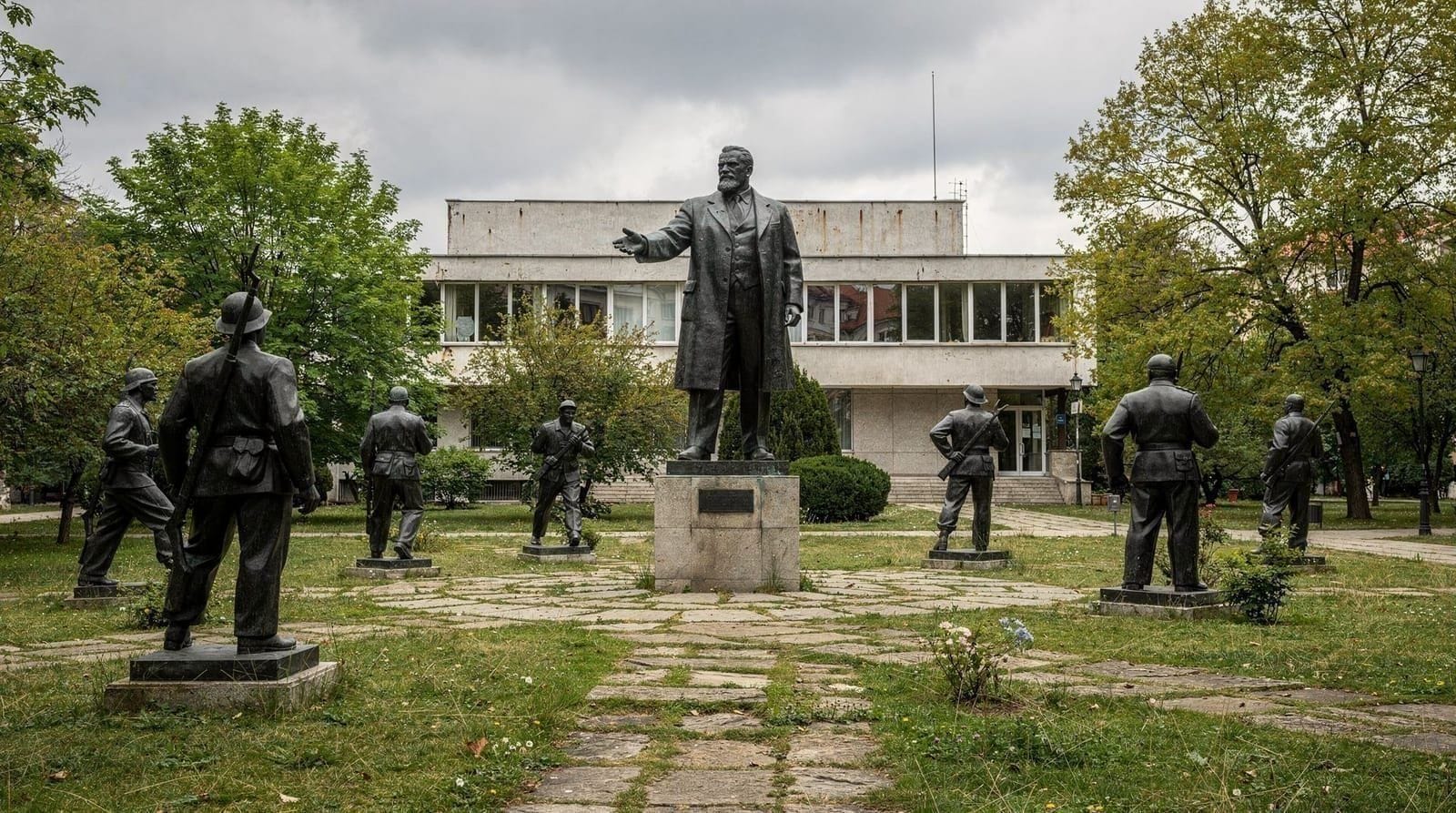
The Museum of Socialist Art is unique in Bulgaria: a collection of communist-era sculptures, paintings, and propaganda art presented as historical artifact rather than celebration. The outdoor sculpture garden holds some of the largest removed Soviet-era monuments from around Sofia, including the original statue of Georgi Dimitrov (the communist leader who died in 1949 and whose mausoleum stood in central Sofia until 1999).
The indoor galleries cover socialist realist painting, posters, medals, and official art from the People’s Republic period (1944–1989). The curatorial position — presenting this material critically and historically — is more sophisticated than the approach in some post-communist countries.
Visit if: You have an interest in communist-era history, visual propaganda, or the specific trajectory of Bulgarian politics in the 20th century. The communist Sofia tour and socialist monuments guide complement this museum directly. Allow 1.5–2 hours.
For context on how this history is remembered and presented, see also the broader Sofia travel guide.
Natural History Museum
Location: Tsar Osvoboditel Boulevard, central Sofia, near the National Assembly.
Hours: Monday–Friday, 10:00–18:00; weekends 10:00–18:00 (hours can vary — check before visiting).
Entry: €4 adults; reduced for children.
Bulgaria’s natural history collection covers zoology, botany, entomology, and paleontology in a format that has not changed dramatically since the Soviet era — which is partly its charm. The taxidermy is extensive; the insect collection is genuinely impressive; the fossil section includes material from Bulgarian excavations. The building is lovely: a late 19th-century academic structure on a central boulevard.
Visit if: You are traveling with children aged roughly 6–14, or if you have a specific interest in natural history. Adults without either motivation may find it slow. Allow 1–1.5 hours.
Museum of Military History
Location: Skobelev Boulevard, western Sofia, near the Yavorov metro station.
Hours: Tuesday–Sunday, 10:00–18:00.
Entry: €3–4.
The Military Museum covers Bulgarian military history from the Liberation War of 1877–78 through the 20th century, with particular depth on the Balkan Wars and World War periods. The most immediately compelling section is outdoors: a large yard filled with artillery pieces, tanks, aircraft, and military vehicles spanning roughly a century of Bulgarian armed forces. The indoor exhibits vary in quality but include uniforms, weapons, medals, and campaign maps.
Visit if: You have a specific interest in military history, or if you are traveling with children who will enjoy climbing around (in imagination — it is fenced) military hardware. Not a priority for general visitors with limited time.
Practical details: tickets, transport, and timing
Tickets: Most museums sell tickets at the door; advance online booking is generally not necessary or available. Cash is often preferred at smaller museums, though most accept cards. Some museums offer reduced prices for students, seniors, and children — carry ID if you qualify.
Transport: All museums in central Sofia (Archaeological Museum, National Gallery, City Art Gallery, Museum of Earth and Man, Natural History Museum) are within 15–20 minutes’ walk of each other. The Museum of Socialist Art requires a tram (around 20 minutes from the center). The Museum of Military History is near the Yavorov metro stop. The National History Museum is the only one requiring a significant journey — taxi is the most practical option.
Getting around Sofia generally: The Getting around Sofia guide covers transport options including the metro, trams, and taxis. For museum-focused days in the center, walking is almost always the best choice.
Best days to visit: All major museums are open Tuesday through Sunday. If you are on a tight schedule and want to use free Tuesday at Sofia City Art Gallery, build your day around that anchor. Monday is the worst day for museums in Sofia — most are closed, and the few that are open have reduced programming.
Planning a museum day
The realistic capacity for most visitors is two substantial museums per day without fatigue — and one if one of them is the National History Museum, given the transport overhead.
Focused art day (central Sofia): National Gallery main building in the morning, Sofia City Art Gallery (especially on a Tuesday) in the afternoon. Combined with Sofia old town walk and lunch in the center.
History day (central Sofia): National Archaeological Museum in the morning (allow 2 hours), Museum of Earth and Man or Museum of Socialist Art in the afternoon. This covers the most important historical material without leaving central Sofia.
National History Museum day: Commit the full morning to transport and the museum, combine with Boyana Church in the afternoon. This is a standalone day; do not try to add other museums.
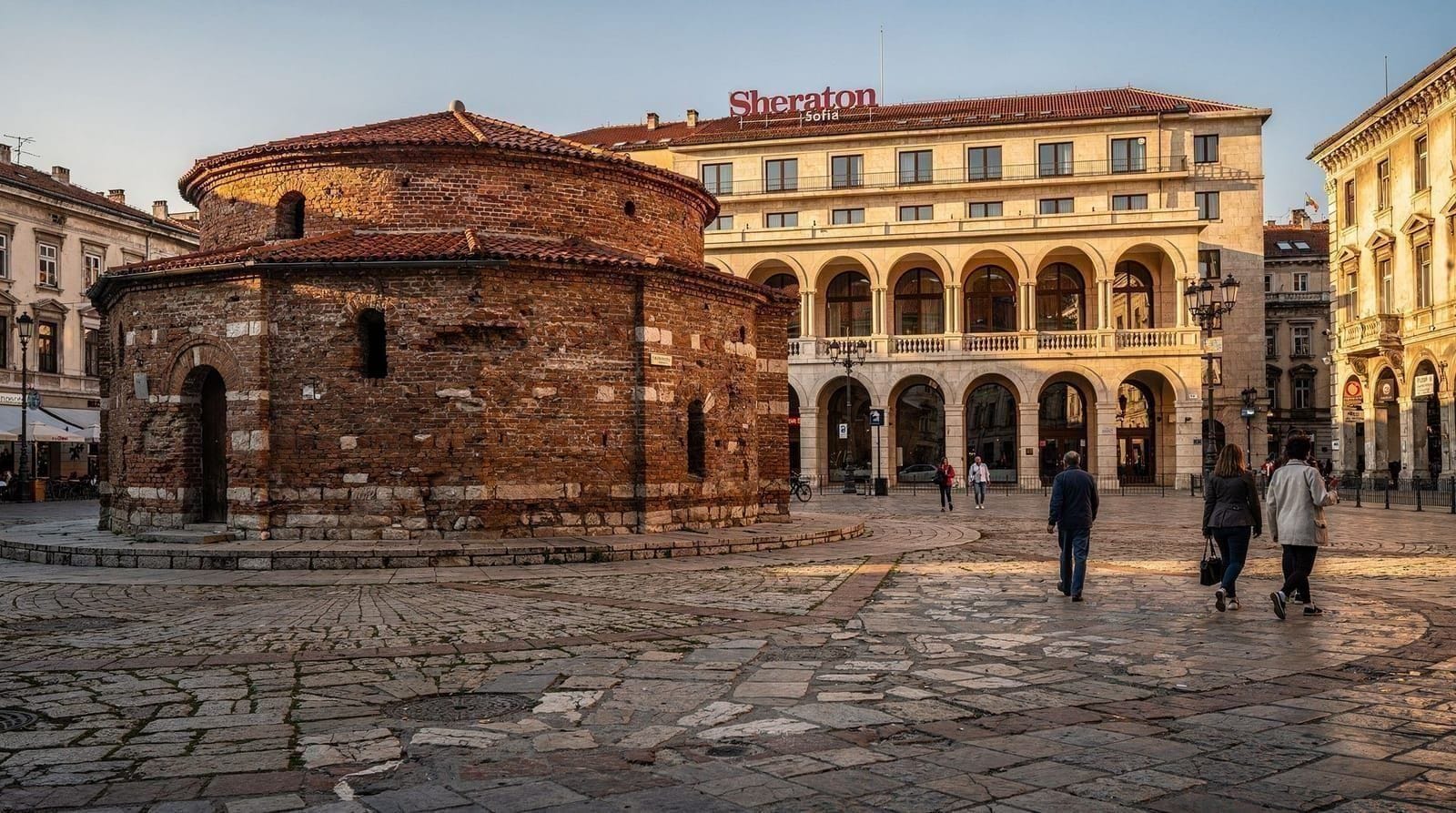
Architecture and history loop: Start at the Serdica Roman ruins (free, outdoor, metro-accessible), move to the National Archaeological Museum (same neighborhood), then walk south through the central park to the Museum of Earth and Man. This combination covers nearly 2,500 years of Sofia’s history without leaving a 1.5 km radius.
See how many days in Sofia for broader planning guidance, and Sofia on a budget for combined ticket strategies and free entry timing.
GetYourGuideSofia: Must-See Attractions Walking TourCheck availability →Guided versus self-guided visits
Every museum in this guide can be visited independently — tickets are sold at the door and English labeling, while imperfect, is generally adequate for the major collections. Where a guide adds real value is context: the National Archaeological Museum’s Thracian gold makes more sense with someone explaining the Panagyurishte treasure’s discovery and the wider Thracian world, and the Boyana cluster (National History Museum plus Boyana Church) benefits enormously from a guided day that also solves the transport problem in one booking.
Sofia guided city tour covering the historic centerFor the Boyana combination specifically, a guided day trip removes the taxi logistics entirely and usually adds Boyana Church, which is otherwise a separate stop.
Sofia full-day city tour with BoyanaRainy-day and off-season museum planning
Sofia’s museums are the obvious answer on a wet or cold day, and central Sofia’s cluster means you rarely need to venture far. On a rainy day, sequence the central museums back to back — Archaeological Museum, then Museum of Earth and Man, then Sofia City Art Gallery if it is a Tuesday — and save outdoor sights like the Alexander Nevsky Cathedral exterior or the Serdica Roman ruins walkway for a clearer day, since much of their appeal is the architecture and setting rather than an indoor experience. Winter opening hours run slightly shorter at some museums, so check the hours listed above rather than assuming summer times. For a broader sense of what a wet week in Sofia looks like, see Sofia in winter.
Combining museums with Sofia’s other sights
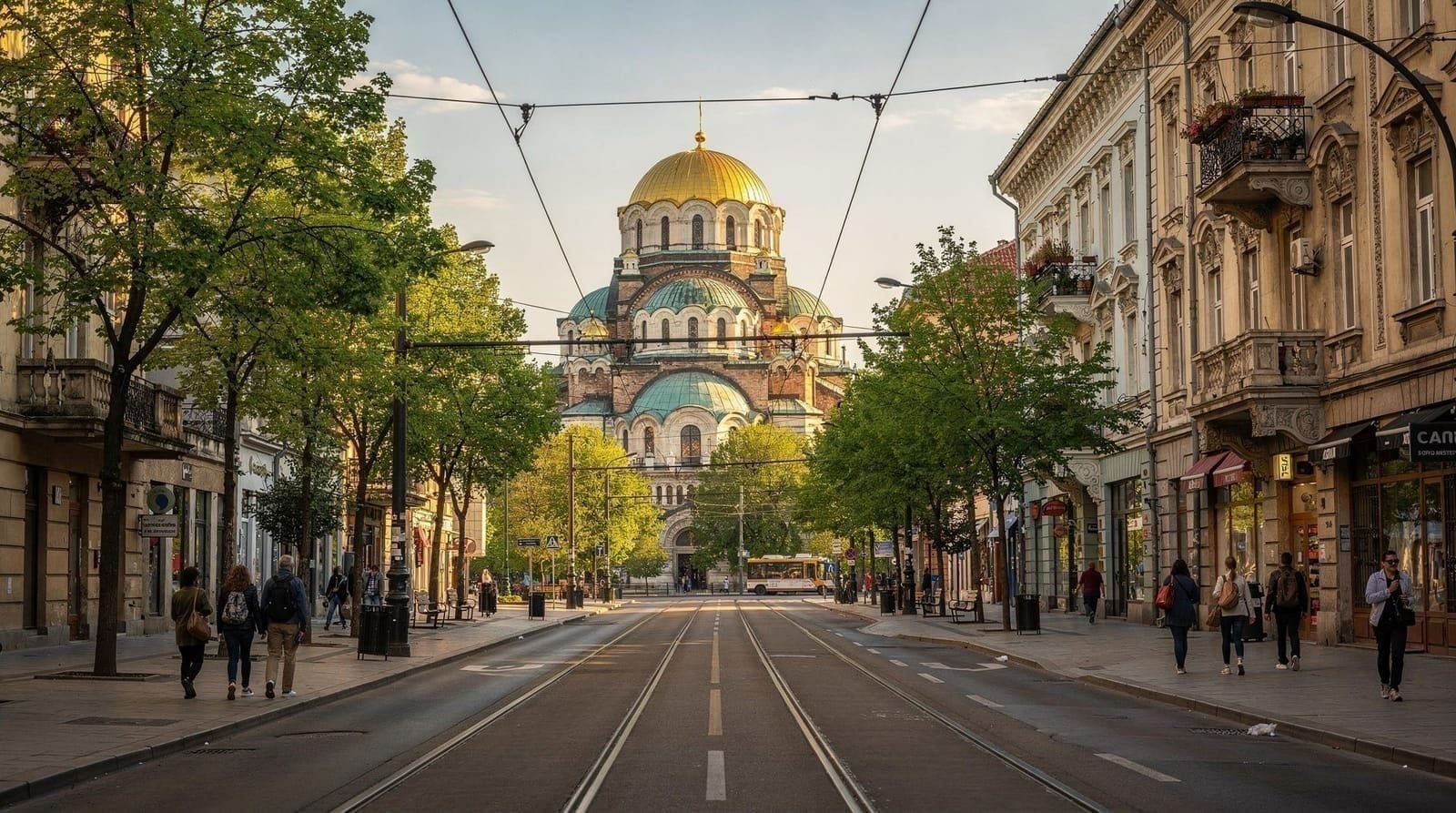
Sofia’s museums are concentrated in an area that overlaps with many of the city’s other key sights. The National Archaeological Museum is a short walk from the Alexander Nevsky Cathedral and the Serdica Roman ruins. The Museum of Socialist Art is on the way toward the eastern neighborhoods where the socialist monuments are concentrated.
A useful approach: structure your Sofia days around geographic clusters rather than museum lists. The central cluster (Archaeological Museum + Roman ruins + Cathedral + old town area) can fill a full day combining indoor and outdoor sights. The eastern cluster (Museum of Socialist Art + Borisova Gradina park + residential eastern Sofia) covers the communist-era heritage efficiently.
For visitors specifically interested in the communist period, the communist Sofia tour guide covers the political geography of the city alongside the Museum of Socialist Art — the combination is stronger than either alone.
Museum fatigue and how to avoid it
Sofia’s museums are dense with content and not always optimally organized for casual visitors. A few practical notes:
Start with the most important museum first, when your energy is high. Midday is not the right time to begin a major museum visit — arrive when they open.
Give yourself permission to skip galleries that are not holding your attention. The National History Museum in particular rewards selective navigation: identify the sections you most want to see (the Thracian room, the medieval section, the Liberation War hall) and visit those deliberately rather than following every corridor.
Build in breaks. Sofia’s central park (Borisova Gradina) and the squares around the National Assembly and Battenberg Square are pleasant places to sit between museums. The Sofia mineral baths area near the Archaeological Museum is a pleasant 10-minute detour if you want to see the ornate Art Nouveau bath building that now houses a museum of Sofia’s history.
Museum shops in Sofia are modest but worth 10 minutes: the National Archaeological Museum shop in particular has good-quality reproductions of key artifacts and a selection of books on Bulgarian archaeology and history in English.
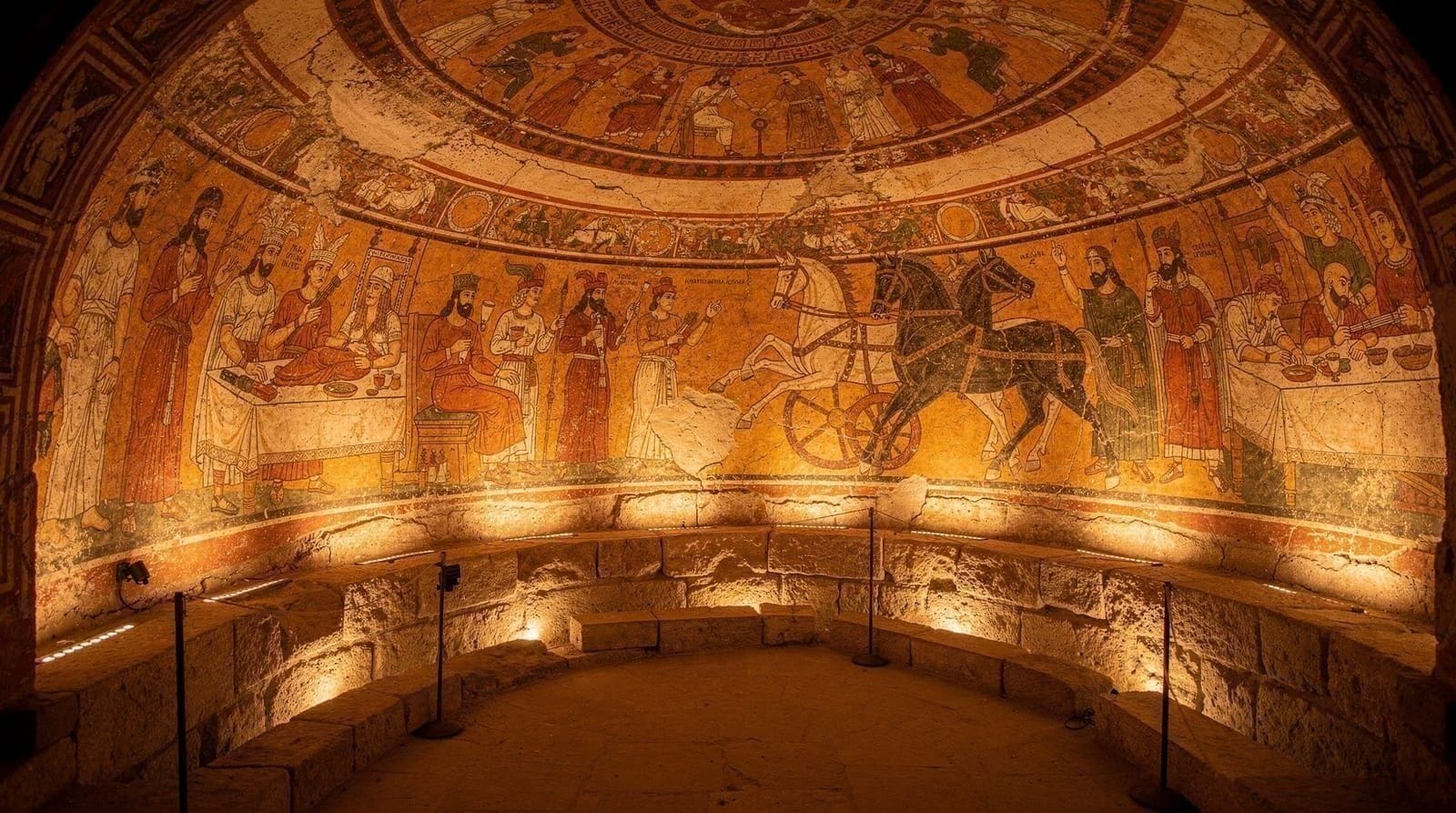
For the Thracian heritage context behind the Archaeological Museum’s most important pieces, and for guidance on visiting the Kazanlak Thracian tomb as a day trip, see the dedicated guide. For broader Sofia planning, the Sofia in 2 days and Sofia in 3 days itineraries suggest how museums integrate with other sightseeing.
Frequently asked questions about Sofia museums
Are Sofia museums free?
Mostly not, but prices are low by European standards — €3–7 for most museums. The Sofia City Art Gallery has free entry on Tuesdays. Some museums offer free entry on specific national holidays.How do I get to the National History Museum?
It is 35 km from the city center in the Boyana suburb, not walkable and not on the metro. Take a taxi (20–25 minutes, around €8–12 each way) or bus 63 from Ovcha Kupel metro station. Allow half a day minimum for the journey plus a visit.Is the National History Museum worth the trip?
It depends on your interests. It is the largest museum in Bulgaria and has important collections, but the building is poorly signed, the layout is labyrinthine, and museum fatigue sets in. If you have 3+ days in Sofia and a strong interest in Bulgarian history, yes. Otherwise, the National Archaeological Museum covers the highlights in a more manageable format.What day is Sofia City Art Gallery free?
Tuesdays. Standard entry is around €2–3 on other days, so the free Tuesday is a good incentive but not dramatic either way.Can children manage Sofia museums?
The Natural History Museum works well for children, with enough specimens, bones, and gemstones to hold attention. The Museum of Earth and Man (minerals and gemstones) is also good for older children. The National Archaeological Museum can work with engaged older children if you focus on the gold treasure and interactive elements.Do I need to book Sofia museum tickets in advance?
No, walk-up tickets are the norm at every museum in this guide, and queues are rarely long outside of peak summer weekends. Advance booking is generally not offered for the individual museums. If you prefer a fixed schedule and skip-the-hassle transport, a guided tour that bundles the Archaeological Museum or the Boyana cluster with a driver is the main reason to book ahead.Which Sofia museums are open on Mondays?
Very few. Most major museums covered here — the National Archaeological Museum, National Gallery, Museum of Earth and Man, Sofia City Art Gallery, Museum of Socialist Art, Natural History Museum and Museum of Military History — close on Mondays. The National History Museum in Boyana closes Monday and Tuesday. If Monday is your only free day, plan outdoor sights like the Serdica Roman ruins instead and shift museums to another day.
Top experiences
Bookable activities with verified prices and instant confirmation on GetYourGuide.