Solo female travel in Sofia: safety, logistics, and honest tips for 2026
Sofia is a safe city by European standards. That is not a dismissal of reasonable caution — it is a starting point that matters, because online accounts of traveling solo in the Balkans often veer between dismissiveness and scaremongering in ways that are not particularly useful. This guide tries to be specific.
| Overall safety | Comparable to other mid-sized European capitals |
| Main risks | Taxi overcharging, bar/strip club scams — not violent crime |
| Emergency number | 112 (EU standard, English-speaking dispatchers) |
| Recommended transport at night | Metro until midnight/1am, then Bolt |
| Best base neighborhoods | Oborishte (central) or Lozenets (quieter, residential) |
The city center is well-lit, walkable, and busy until late. Sofia ranks comparably to other mid-sized European capitals in terms of street safety. Most solo female visitors who report negative experiences in Sofia describe situations that were annoying or uncomfortable rather than threatening — and many of those situations are avoidable with specific knowledge.
General safety in the city center
The neighborhoods immediately around the center — Oborishte, the area around Vitosha Boulevard, the blocks near Serdika metro station, and NDK (National Palace of Culture) — are safe to walk at night. These are active areas with restaurants, bars, and regular foot traffic until midnight or later.
The situation is different in peripheral residential districts. Areas like Knyazhevska and Ovcha Kupel are ordinary residential neighborhoods during the day but have less street lighting and fewer people around after dark. There is no specific threat in these areas — they are not dangerous in an absolute sense — but if you are unfamiliar with Sofia, staying closer to the center at night removes the need to navigate areas where you cannot easily orient yourself.
The central pedestrian area along Vitosha Boulevard, the park around Alexander Nevsky Cathedral, and Borisova Gradina are comfortable day and evening options. See the Sofia old town walk guide for orientation on the central areas.
Scams to know before you arrive
Two scams are worth knowing specifically because they target visitors and operate with some sophistication.
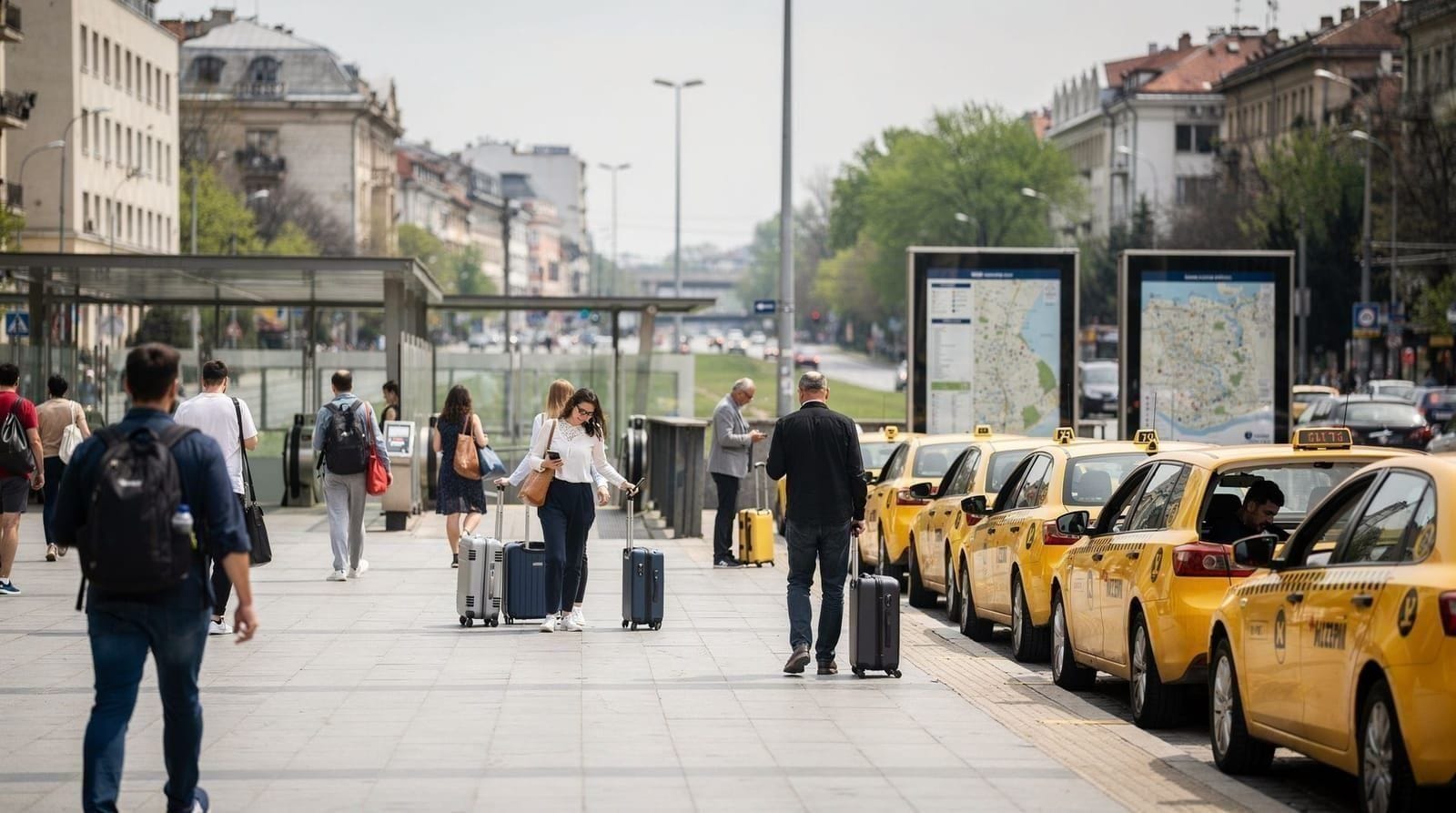
Metered taxi overcharging is common. Legitimate taxis in Sofia should charge approximately €0.40-0.60 per kilometer. Taxis waiting outside Central Railway Station, Sofia Airport terminal exits, and some tourist-heavy areas quote flat rates or use meters rigged to run fast — you can end up paying €15-25 for a trip that should cost €5. The solution is straightforward: use Yandex Go (available in Bulgaria) or OK Supertrans, which are app-based ride services with fixed pricing displayed before you book. Do not hail taxis from ranks outside the train or bus station without checking the per-kilometer rate on the meter card inside the car. The getting around Sofia guide covers transport options in more detail, and the Sofia scams to avoid guide documents the overcharging pattern with specifics.
Bar and strip club scams operate on Vitosha Boulevard and surrounding streets, particularly in the evening. The pattern: a friendly person (often a man, sometimes working with a female companion) approaches a visitor, suggests a bar or club, and the victim ends up with a bill of €200-500 for minimal consumption. The establishment and the person who led them there split the money. This scam exists in many European cities and Sofia has its version. The specific trigger to avoid: accepting an invitation from a stranger to go to a bar or club you did not independently choose. Going out is fine; following strangers is not.
Getting around at night
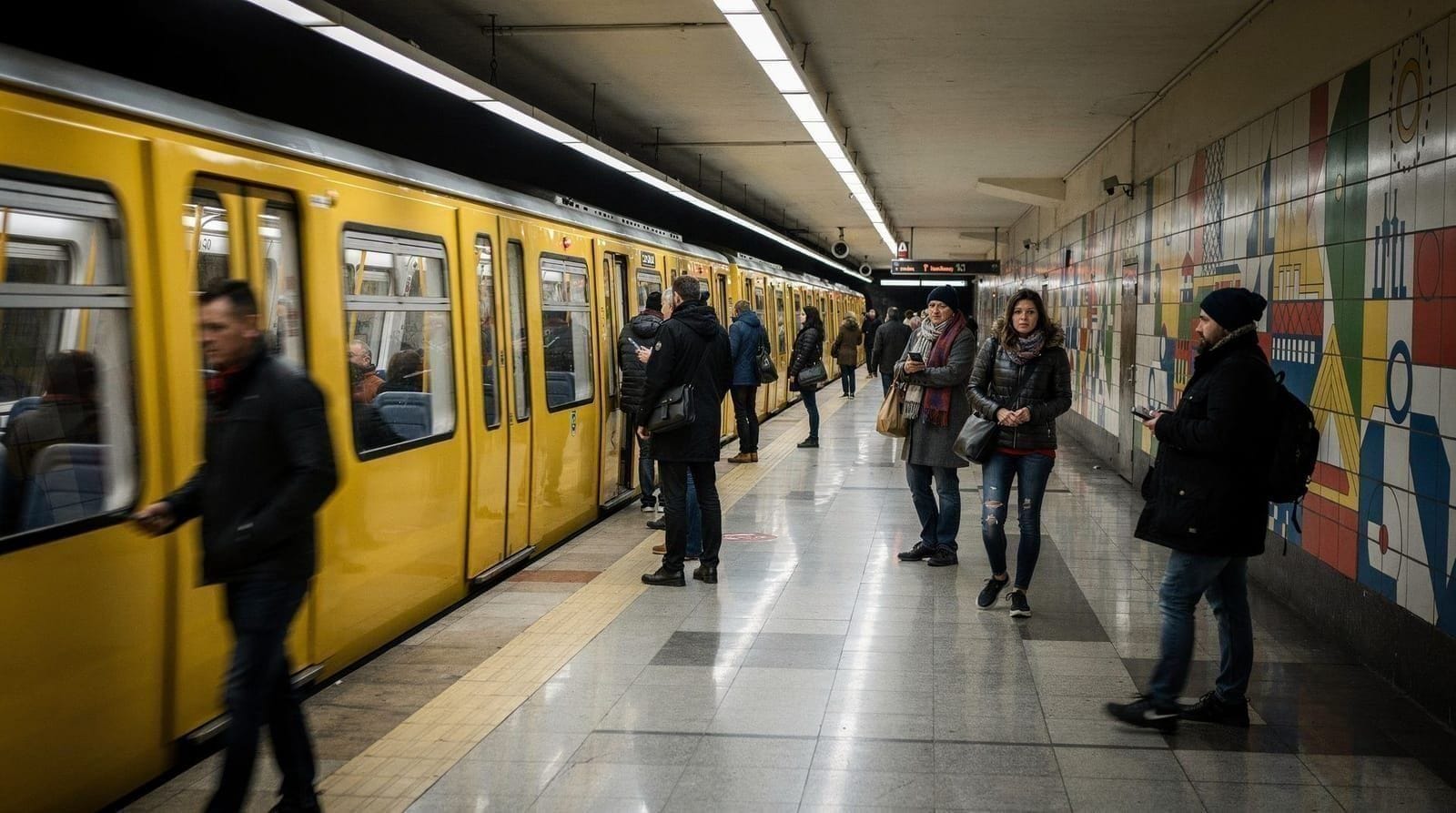
The Sofia metro runs until midnight on weekdays and until 01:00 on Friday and Saturday nights. Metro stations are well-lit and have security staff. This is the most reliable and predictable way to travel around the center after dark.
Night buses and trams operate on reduced schedules after midnight. They are functional but require knowing the routes in advance — the real-time app Moovit covers Sofia’s public transport and is worth downloading before you arrive.
Bolt operates in Sofia and functions as the primary ride-hailing app most visitors use. Trips are priced in advance in the app, the driver’s name and plate are visible before you get in, and you can share your trip in real time. This is the practical choice for getting back to your accommodation after midnight when the metro has closed.
Where to stay
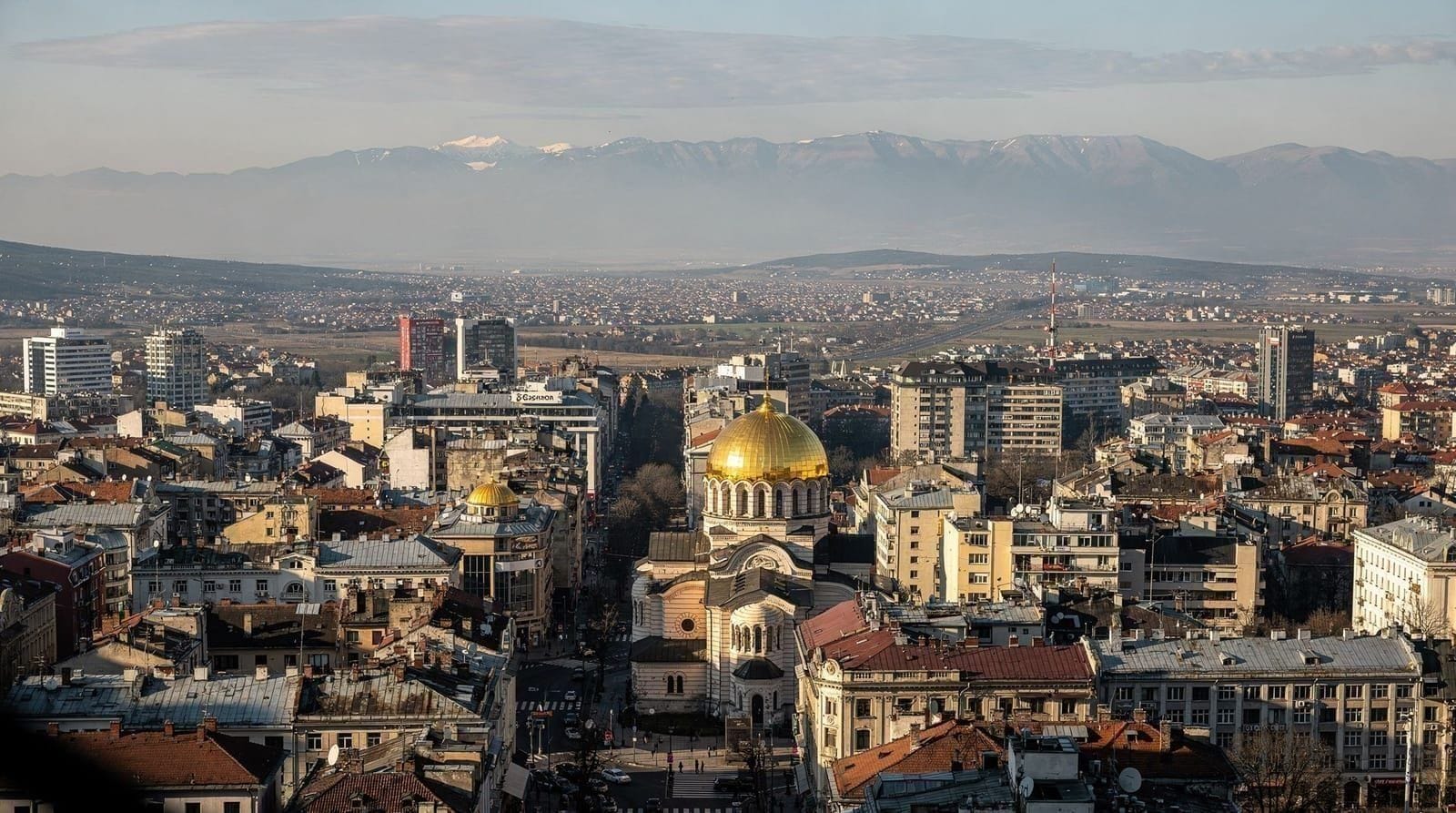
Oborishte is the most convenient central neighborhood for solo travellers who want to walk to sights without relying on transport. It covers the area around Alexander Nevsky Cathedral and the national museums. Mid-range hotels here run €50-90 per night for a double room used as a single.
Lozenets is a quieter residential area south of the center, popular with expats and young professionals. It has good cafés and restaurants but requires a bus or Bolt ride to reach most tourist sights. If you prefer a calmer residential feel over walking distance to everything, this is a reasonable choice.
Hostels in the center include Art Hostel and several others clustered around the university area and near Serdika. These have been well-reviewed by solo travellers for their common areas and the social options they provide — useful if you want to meet other travellers. Dorm beds run €12-20 per night, private rooms €30-50.
Social dynamics and what to expect
Bulgarians have a reputation for being reserved toward strangers, and this is broadly accurate in the sense that unsolicited friendliness from locals is less common than in, say, southern European cities. People will help if you ask, but may not volunteer interaction. This can read as coldness but is not specifically directed at solo female visitors — it is a general cultural register.
English is widely spoken in central Sofia, particularly by anyone under 40 and by almost all service industry workers. You will not struggle to communicate in restaurants, at transport hubs, or in shops in the center.
Staring is more common than in Western European cities. This is worth naming directly because several accounts by women travelling in Bulgaria mention it and it can feel unsettling. In the vast majority of cases, it is curiosity rather than prelude to anything — Bulgaria sees significantly fewer tourists than neighboring countries and visitors are genuinely less common. Staring is rarely accompanied by comments or approaches.
Solo dining is completely normal in Sofia’s cafés and restaurants. Coffee culture is strong — see the Sofia coffee culture guide — and cafés are places where people routinely sit alone for extended periods. You will not stand out.
Day trips alone
Rila Monastery by bus is straightforward. A daily direct bus departs from Ovcha Kupel bus terminal (metro line 2 to Ovcha Kupel station). The journey takes about 2 hours. The monastery itself is a large complex with many other visitors during the day; the site is safe and well-managed. The Rila Monastery day trip guide covers bus times and what to see. Alternatively, a group tour handles all logistics.
Plovdiv is very walkable and comfortable for solo visitors. The Plovdiv day trip guide covers getting there (bus from Central Bus Station, approximately 2 hours). Plovdiv’s Old Town is compact and well-marked; the Kapana district has a good density of cafés and independent shops where it is comfortable to spend time alone.
Both the 3-day Sofia itinerary and 2-day itinerary work well as solo frameworks — the pacing assumes independent navigation.
If arriving late at night or simply preferring not to navigate the metro with luggage on your first evening, a pre-booked private transfer removes one variable from the trip’s least predictable moment.
Sofia airport private transferHiking alone: extra precautions
Vitosha Mountain’s proximity to the city — a 30-minute bus ride to genuine mountain trails — makes solo hiking an easy add-on to a Sofia trip, and most of the main routes are safe to do alone. The mountain sees heavy foot traffic on weekends, is patrolled by mountain rescue, and the marked trails (yellow to Zlatni Mostove, red to the Cherni Vruh summit from Aleko) are not technically difficult.
The precautions are the same ones that apply to any solo hiker anywhere: tell someone your planned route and expected return time, check the weather forecast specifically for Vitosha rather than for Sofia (conditions at 2000m diverge fast from the city), carry a charged phone with offline maps, and turn back if weather closes in rather than pushing for the summit. The Vitosha day hikes guide covers routes, difficulty, and gondola schedules in detail, and the Vitosha hiking guide has the broader trail network. If solo mountain navigation is not something you want to manage on your first Bulgaria trip, a guided day hike removes the routefinding and weather-judgment calls entirely.
Guided Vitosha day hike from SofiaMoney and paying for things
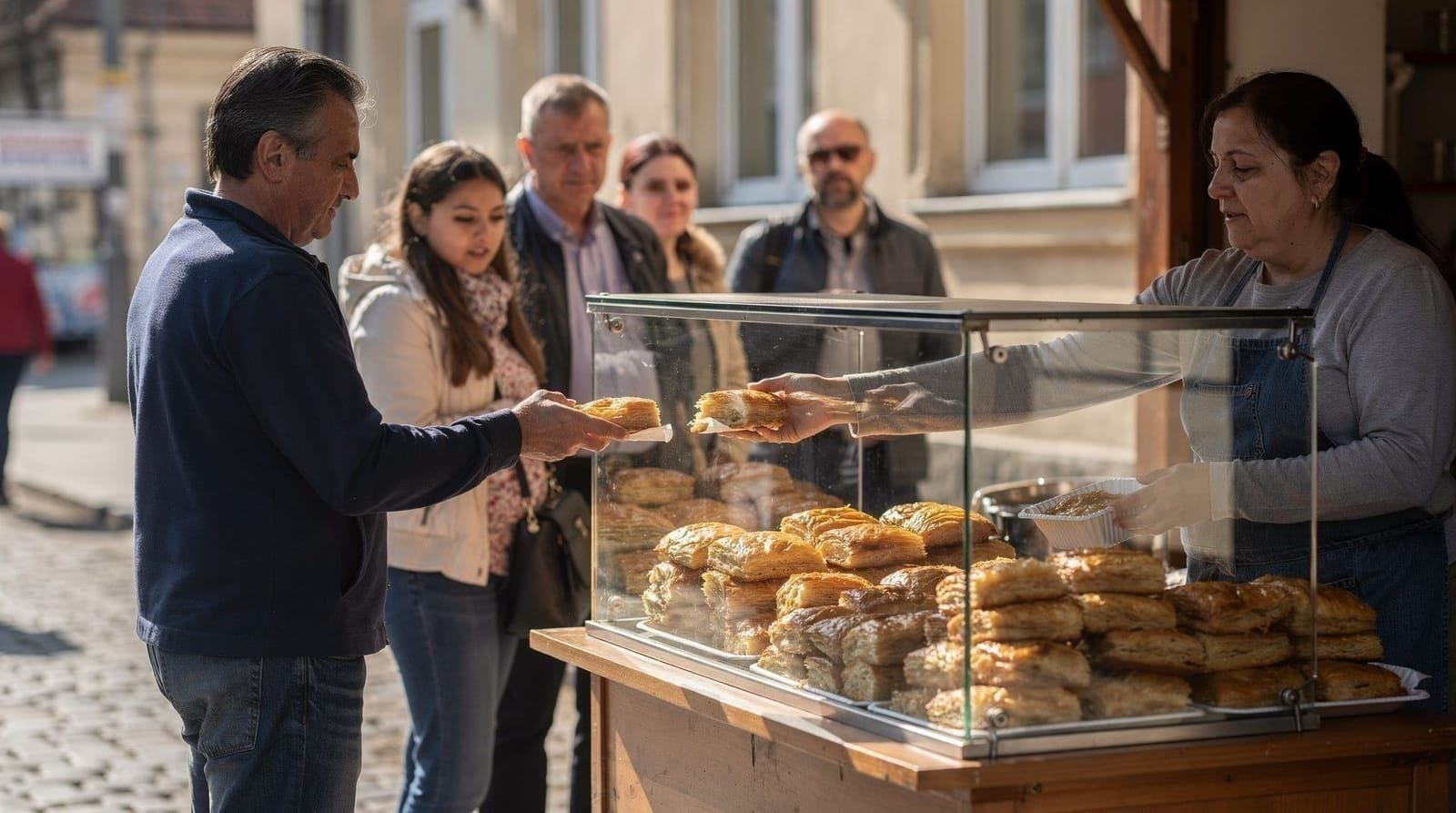
Bulgaria adopted the euro in January 2026, so cards and cash both work in euros without conversion math. Card acceptance is near-universal in central Sofia — restaurants, cafés, taxis via app, and even most market stalls at Zhenski Pazar take contactless payment. Carrying some cash is still sensible for smaller kiosks and bakeries, where a card machine may be unavailable or the vendor may simply prefer cash for small amounts.
Tipping is not obligatory but is appreciated: rounding up or adding 10% at restaurants is standard practice. There is no specific solo-traveler consideration here beyond the general advice in the Sofia on 50 euros a day guide, which breaks down daily costs across accommodation, food, and transport.
Practical logistics
SIM card: buy at the airport from the A1 or Vivacom desks before you leave the terminal. A local SIM with data makes navigation and app-based transport much easier. EU roaming rules apply for EU passport holders, so check whether your home plan covers Bulgaria before buying.
ATMs: widely available in the center. Use ATMs attached to banks rather than standalone machines in tourist areas. Bulgaria uses the euro since January 2026 — you no longer need to handle lev. ATMs dispense euros.
Emergency number: 112 (EU standard emergency number, works throughout Bulgaria). Tourist police speak English and are stationed near major tourist sites during summer.
Pharmacies: well-distributed in central Sofia and often open until 22:00. The Blic chain is widely available. Prescription medications require a prescription; over-the-counter medication is generally cheaper in Bulgaria than in Western Europe.
Frequently asked questions about solo female travel in Sofia
Is Sofia safe for a woman travelling alone?
Sofia is generally safe by European standards. Violent crime against tourists is rare. The main practical risks are the taxi and bar scams described above, both of which are avoidable with specific awareness. Street harassment is less common than in some southern European cities. Reasonable urban caution — staying in lit areas at night, not accepting drinks from strangers, using app-based transport — is sufficient for the vast majority of situations.
Which neighborhoods should I avoid at night?
The city center is fine. Peripheral residential neighborhoods like Knyazhevska and Ovcha Kupel are safe in absolute terms but less convenient to navigate after dark if you are unfamiliar with Sofia. There is no part of central Sofia that I would characterize as genuinely dangerous for a solo female visitor.
What apps should I install before arriving?
Bolt (ride-hailing, the main one to use), Yandex Go (alternative with sometimes better rates), Moovit (public transport schedules and real-time tracking), and Google Maps (offline maps downloaded in advance). Having all four installed before you land covers the main navigation and transport situations you will encounter.
Can I get from Sofia Airport to the city center safely alone?
Yes, straightforwardly. Metro Line 1 connects Sofia Airport Terminal 2 to the city center directly, with a journey time of about 25-30 minutes and a flat fare of approximately €1. This is the recommended option — it is cheaper and more reliable than any taxi for the airport route. The Sofia airport to city guide covers all options including the metro, bus, and legitimate taxi operators.
Is it easy to meet other travellers in Sofia?
Easier than you might expect. The hostel scene is small but active, particularly in summer. Free walking tours (departing from the statue of Sofia at TZUM) attract a mix of solo travellers and are a good way to meet people while seeing the city. The Sofia walking tour covers the main walking tour options. Several bars around the university area cater to a young international crowd.
How do I get to Rila Monastery as a solo visitor?
The direct bus from Ovcha Kupel bus terminal is the cheapest option (about €6-8 round trip). The day tour from Sofia is the most convenient option if you prefer not to manage bus schedules independently — group tours depart from central Sofia and include a guide. The Rila Monastery guide covers the site itself, and the day trip logistics guide covers transport in detail.
What is the solo travel situation like compared to other Balkan capitals?
Sofia is broadly comparable to Belgrade and Bucharest in terms of safety for solo female visitors. It is generally considered safer than Tirana. Compared to Western European capitals, it is safer than many cities of comparable size in terms of violent crime, though the scam environment requires specific awareness that is less of an issue in, say, Amsterdam or Vienna.