Sofia for couples: romantic spots, slow days, and weekend escape ideas
Sofia works well as a couple’s destination primarily because it is unhurried. The city does not push you toward a checklist. There are no hour-long queues for major attractions, no obligatory boat tours, no tourist corridors where you cannot have a quiet conversation. What Sofia has instead is a genuinely pleasant urban fabric — parks, architecture worth looking at slowly, wine bars that are not tourist traps, and day trips to places that feel genuinely remote.
This guide is organized around practical decisions: what to do and where, how much it costs, and which day trips reward the effort.
| Where to stay | Oborishte (central) or Lozenets (quieter) |
| Cost | around €310-520 for two, 3-night comfortable weekend |
| Time needed | 3-4 nights covers the city plus one day trip |
| Getting around | walking + metro; taxi/Bolt for Vitosha and Boyana |
| Best time | May-June (roses blooming) or September |
Morning walks in Borisova Gradina
Borisova Gradina is the largest park in Sofia, located about 15 minutes’ walk southeast of the city center. It covers a substantial area of old trees, paths, a fountain, a lake, tennis courts, and a rose garden that is at its best between May and early July when most varieties are in bloom.
Entry is free. The park is busiest on weekend mornings with locals jogging, cycling, and having coffee on benches near the fountain. It does not feel like a tourist destination because it largely is not one — which makes it more enjoyable.
The lake area toward the eastern section of the park is calmer than the main paths and has benches near the water. If the timing aligns with the rose garden’s bloom (typically mid-May through late June), that section is worth the detour — it is a formal garden with labeled varieties and a decent density of both old and modern roses.
Allow 60-90 minutes for a relaxed morning walk here. Combine it with coffee and banitsa from a neighborhood bakery on the way in or out rather than the café inside the park, which is more expensive for similar quality.
Alexander Nevsky Cathedral and the National Gallery
These two sites are adjacent and work well as a slow cultural morning, particularly before 10:00 when crowds are minimal.
Alexander Nevsky Cathedral is one of the largest Orthodox cathedrals in the Balkans and the most architecturally substantial building in Sofia. The exterior is impressive from the square; the interior is darker and more atmospheric, with gilded iconostasis and frescoes. Entry to the main cathedral is free. The crypt houses a collection of medieval Bulgarian icons and religious art — entry is approximately €3 per person and is worth it if you have any interest in the art.
The full guide to the cathedral is at Alexander Nevsky Cathedral, which covers the history, the art collection, and what to look for inside.
The National Gallery of Fine Arts occupies the former Royal Palace, a five-minute walk from the cathedral. Admission is approximately €3 per person. The collection focuses on Bulgarian art from the 19th century through the contemporary period. Bulgarian National Revival painting is the strongest section — portraits and scenes that feel distinctly local rather than derivative of Western European styles. The building itself is worth seeing for its architecture.
Combined, these two visits take 2-3 hours at a relaxed pace and cost around €6 per person. For context on the broader museum landscape, the Sofia museums guide covers all the major options.
Wine and food in the evening
Sofia has a small but genuinely good wine bar scene that has developed significantly over the past five years. The bars are not on the main tourist strip and require brief navigation, but the effort is modest.
The area around Rakovski Street and the blocks south of Alexander Nevsky has several wine bars serving Bulgarian and international wines with food. Budget approximately €20-25 per person for a proper evening with wine and sharing plates — considerably less than equivalent evenings in Western European cities.
For a structured introduction to Bulgarian wine with a guide who can explain what you are tasting and why, this is the most direct option:
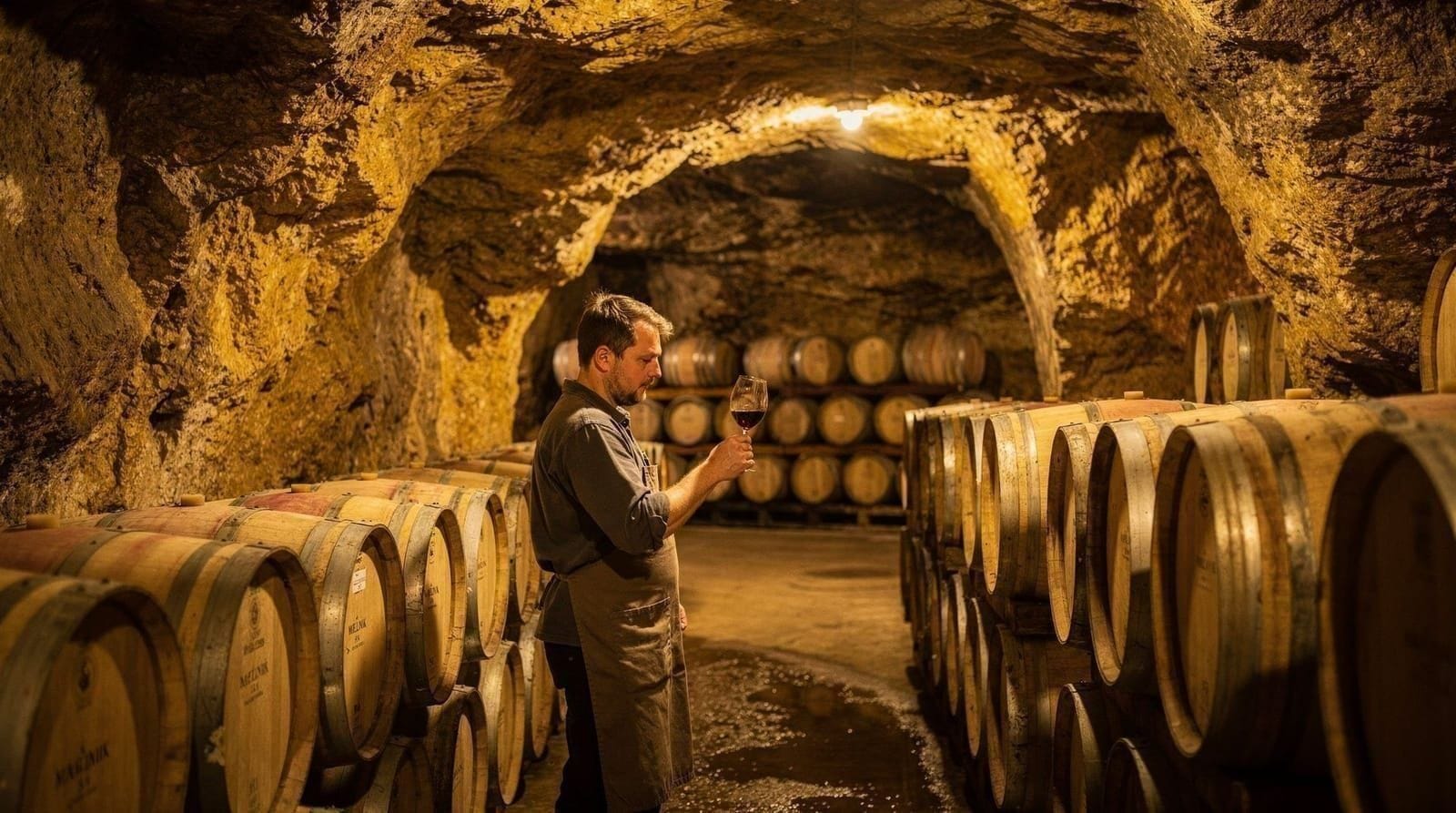
Sofia afternoon wine and food tasting walkThis works well on the first or second evening in Sofia as orientation before you go exploring independently. The guide covers the indigenous grapes (Mavrud, Melnik 55, Dimyat) and the regional context — useful background before a day trip to a wine region. The Bulgarian wine guide covers the broader landscape.
Mehana dinner: a mehana is a traditional Bulgarian restaurant, typically wood-panelled with folk music in the background. The food is hearty — grilled meats, bean soups (bob chorba), shopska salad, cheese dishes. A full dinner for two with wine runs €25-40 depending on how much you order. The quality varies significantly; the ones on Vitosha Boulevard that market themselves in English tend to be more expensive and less interesting than those found on side streets in Lozenets or Oborishte.
Day trip: Rila Monastery
Rila Monastery is the most significant religious site in Bulgaria and sits in a mountain valley about 120 km south of Sofia — a 2-hour drive each way through increasingly scenic terrain. The monastery complex is large, well-preserved, and genuinely impressive in scale and detail.
The combination of a mountain drive through the Rila foothills and an afternoon in the monastery complex makes this one of the better day trips from Sofia for couples who want something that feels substantive rather than a quick city-center visit. If you pack lunch (there are picnic areas near the monastery), the day can be unhurried.
Practical details: the monastery church is open to visitors; photography inside the church is limited in some areas. The frescoes on the exterior arcades are one of the architectural highlights — scenes from the Bible and Bulgarian saints’ lives in vivid colors. The Rila Monastery guide covers what to look for in detail.
Getting there: by car is the most flexible option. By bus from Ovcha Kupel terminal (Metro Line 2) takes about 2 hours with one change in Rila town; check the schedule in advance as buses are infrequent. A guided tour handles all logistics and is worth considering if driving feels like a burden. The Rila Monastery day trip guide and the Sofia to Rila transport guide cover all the options.
Day trip: Plovdiv
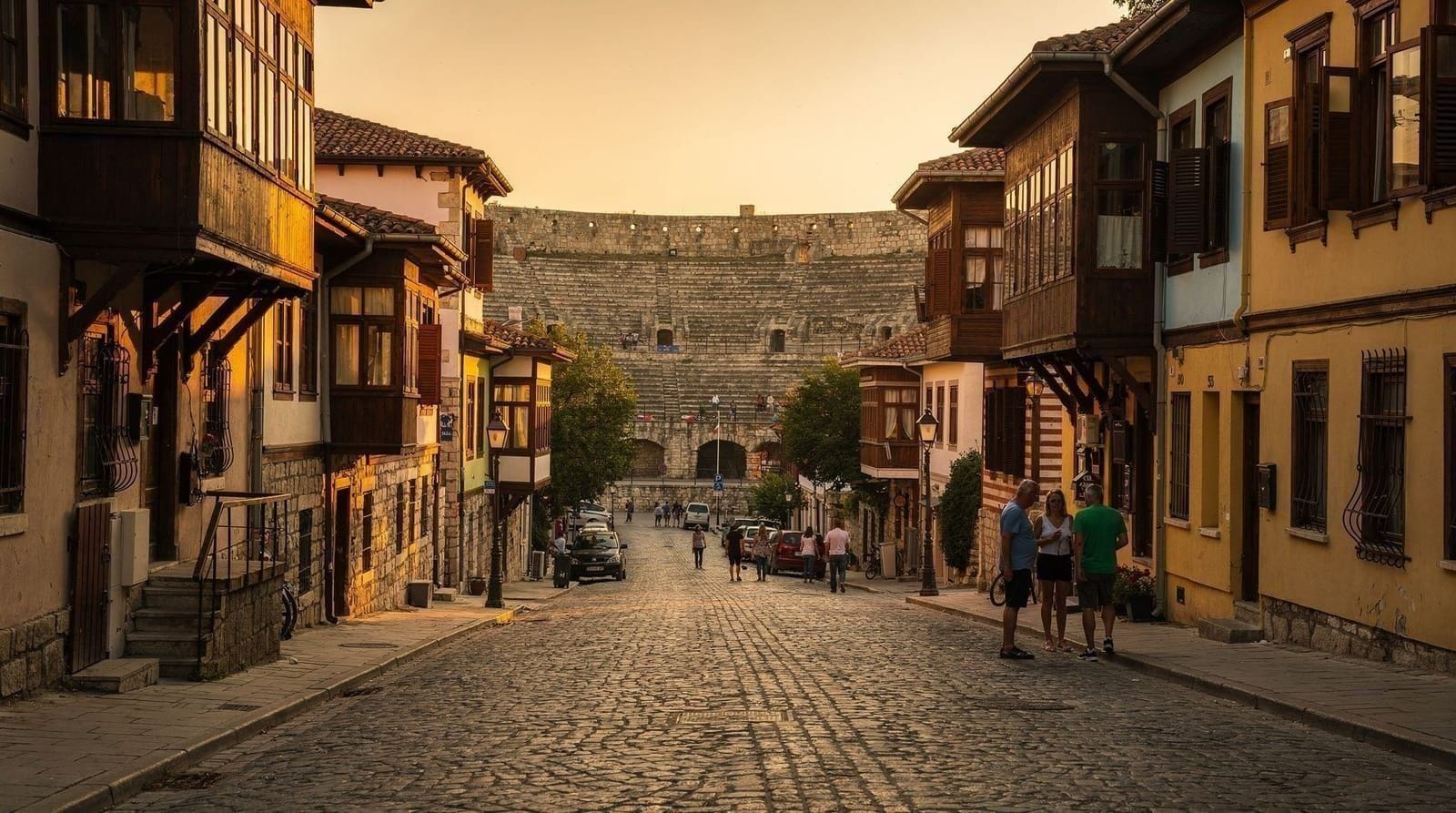
Plovdiv is 130 km east of Sofia on the Trakia motorway, about 90 minutes by car or 2 hours by bus. It is one of the oldest continuously inhabited cities in Europe, with a compact Old Town built across several hills that rewards slow walking rather than rushed sightseeing.
What makes it well-suited to a couple’s day trip: the Old Town is small enough to cover properly in half a day, the Kapana neighborhood has good wine bars and cafés for the afternoon, and the ancient Roman amphitheater (still used for concerts) is genuinely impressive without requiring any specialist knowledge to appreciate.
Budget for the day: transport (bus round trip approximately €10 per person, or petrol if driving), a lunch in Kapana (€15-25 for two), afternoon wine in a wine bar (€15-20 for two), and any entry fees (the Regional Archaeological Museum is €5 per person; the Old Town’s main streets are free). Total for a comfortable day trip: €50-80 for two.
The Plovdiv day trip guide covers logistics and what to prioritize. The Plovdiv destination page has background on the city.
Half-day: Vitosha Mountain
Vitosha Mountain rises directly south of Sofia and is accessible by public transport. Bus 66 from Hladilnika transport hub reaches Dragalevtsi in about 30 minutes; from there, a gondola (chairlift) carries you up to the Aleko hut at 1800m. The total journey from central Sofia is around an hour.
From Aleko, there are marked walking trails that do not require specialist equipment or particular fitness for the basic routes. The ridge walk toward Cherni Vruh peak (2290m) is more demanding and takes 3-4 hours round trip; the shorter walks near Aleko are manageable in ordinary walking shoes on a dry day.
The view back toward Sofia from the ridge is the main draw — the city spread across the plain below, with the Balkan range visible to the north. In clear conditions, it is a genuinely good panoramic view. In cloud, less so — check the weather before you go.
Cost: Bus fare both ways plus gondola is approximately €8-12 per person total. The Vitosha hiking guide covers trail options in more detail. The Vitosha Mountain destination page has orientation.
Where to stay
Oborishte (around Alexander Nevsky and the national museums) is the most central and walkable neighborhood. Mid-range hotels run €60-100 per night for a double room. Boutique hotels in renovated 19th-century buildings are an option here for couples who want something with more character than a chain hotel.
Lozenets is a quieter residential area with a good café and restaurant scene, popular with Sofia’s professional class. It requires Bolt or a bus to reach most tourist sites (10-15 minutes), but the neighborhood itself is pleasant and the accommodation tends to be slightly better value than equivalent options in the immediate center. Good for couples who prefer a calmer base.
Apartments are worth considering for stays of three nights or more. Local booking platforms offer central apartments for €50-80 per night that provide more space than a hotel room at lower prices. Having a kitchen available also reduces food costs for breakfasts.
The Sofia travel guide covers general logistics and accommodation neighborhoods in more detail. For itinerary planning, the 4-day Sofia long weekend itinerary covers a good structure for a couple’s visit, and the Sofia in 3 days itinerary works if the schedule is tighter.
A slow evening: Boyana and mount Vitosha views
For a couple who wants one genuinely romantic evening rather than another restaurant, the combination of Boyana Church at the foot of Vitosha and a sunset viewpoint on the lower slopes works well and does not require a full-day commitment. Boyana’s frescoes from 1259 are worth the timed-entry visit on their own, and the walk around the village afterward — quieter and greener than central Sofia — is a genuine change of pace. If the gondola from Simeonovo is running, a short ride up gives a clear-day view back across the city with the Balkan range visible to the north; even without the gondola, the lower trailheads near Dragalevtsi offer a similar payoff with a 20-30 minute walk.
Pair this with dinner at a mehana in Lozenets or Oborishte on the way back rather than near the mountain itself, where options are limited. Budget the whole evening — Boyana, the viewpoint, and dinner — at roughly 4-5 hours including transport, making it a realistic single evening rather than requiring a full free day.
Alexander Nevsky at golden hour
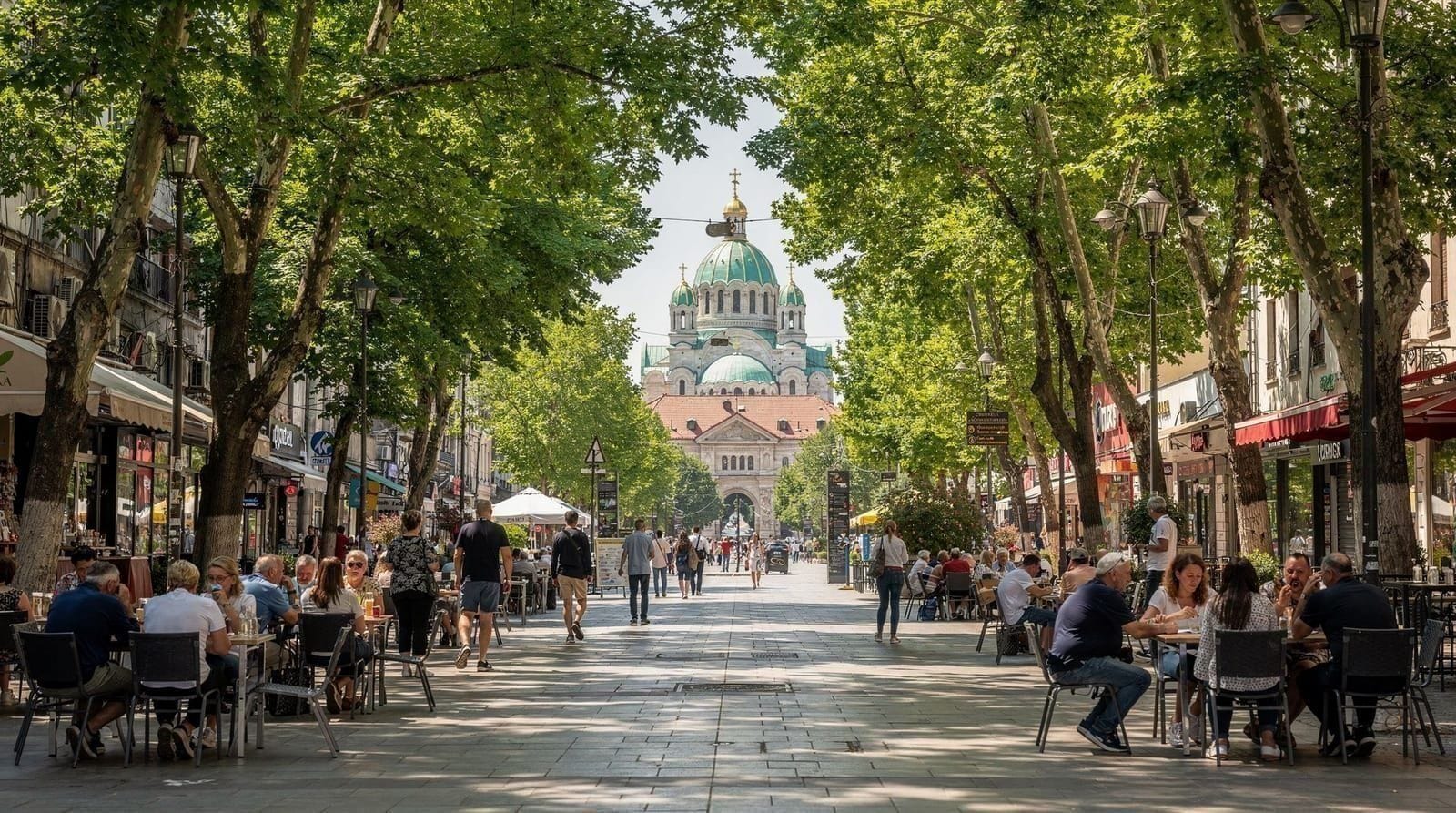
A detail easy to miss: the Alexander Nevsky Cathedral square is at its most atmospheric in the last hour before sunset, when the gilded dome catches the low light and the crowds from the day’s tour groups have mostly dispersed. Sitting at one of the café terraces on the square with a coffee or a glass of wine at this hour, watching the cathedral rather than rushing to photograph it, is one of the simplest and least expensive things a couple can do in Sofia — no ticket, no booking, and it rarely disappoints.
Sofia Boyana and holy mount monasteries tourFrequently asked questions about Sofia for couples
Is Sofia worth visiting for a long weekend as a couple?
It is, particularly for couples who find conventional tourist cities oversaturated. Sofia is not a city full of iconic landmarks you feel obligated to photograph. It is more useful as a city where you can eat and drink well, cover cultural sites at a relaxed pace, and use it as a base for day trips to places that are harder to reach independently. The cost-to-quality ratio is notably good by European standards.
What is the best month to visit Sofia as a couple?
May and June are generally the best months — mild temperatures (18-24°C), the rose garden in Borisova Gradina is blooming, and the city is active without the crowds of July and August. September is also good, with warm weather and less heat than the summer peak. Winter (December-February) is cold but has its uses: ski weekends at Borovets or Bansko are straightforward from Sofia, and the city is much quieter. The best time to visit Sofia guide covers seasonal differences in detail.
How much should we budget for a couple’s weekend in Sofia?
A comfortable long weekend (3 nights, Friday to Monday) for two people:
- Accommodation: €180-300 for 3 nights at a mid-range hotel
- Food and drink: €80-120 for 3 days (mix of cafés, wine bars, one mehana dinner, street food lunches)
- Day trip: €30-60 for transport and entry fees (Plovdiv or Rila)
- Activities and entry fees: €20-40
- Total: approximately €310-520 for two
This is significantly lower than an equivalent weekend in Prague, Vienna, or Barcelona.
Are there any specific restaurants worth booking in advance?
Sofia’s restaurant scene does not require advance booking for most options — the city does not have the reservation culture of Western European cities, and tables are generally available at good restaurants on the night. Exceptions: wine dinners with tasting menus at upmarket wine restaurants, and any mehana that has received specific press coverage recently. For a normal Saturday evening at a good wine bar or mehana, arriving by 19:30 and asking for a table usually works.
Is the Vitosha cable car reliable?
The gondola at Dragalevtsi has had maintenance closures over the years, and it is worth checking before you build a day around it. When operating, it saves a significant hike and makes Vitosha accessible without specialist preparation. If it is closed on your day, the hiking trails from Dragalevtsi itself are still accessible — it just adds 45-60 minutes of uphill walking each way.
What is the most practical day trip for a couple who only has one extra day?
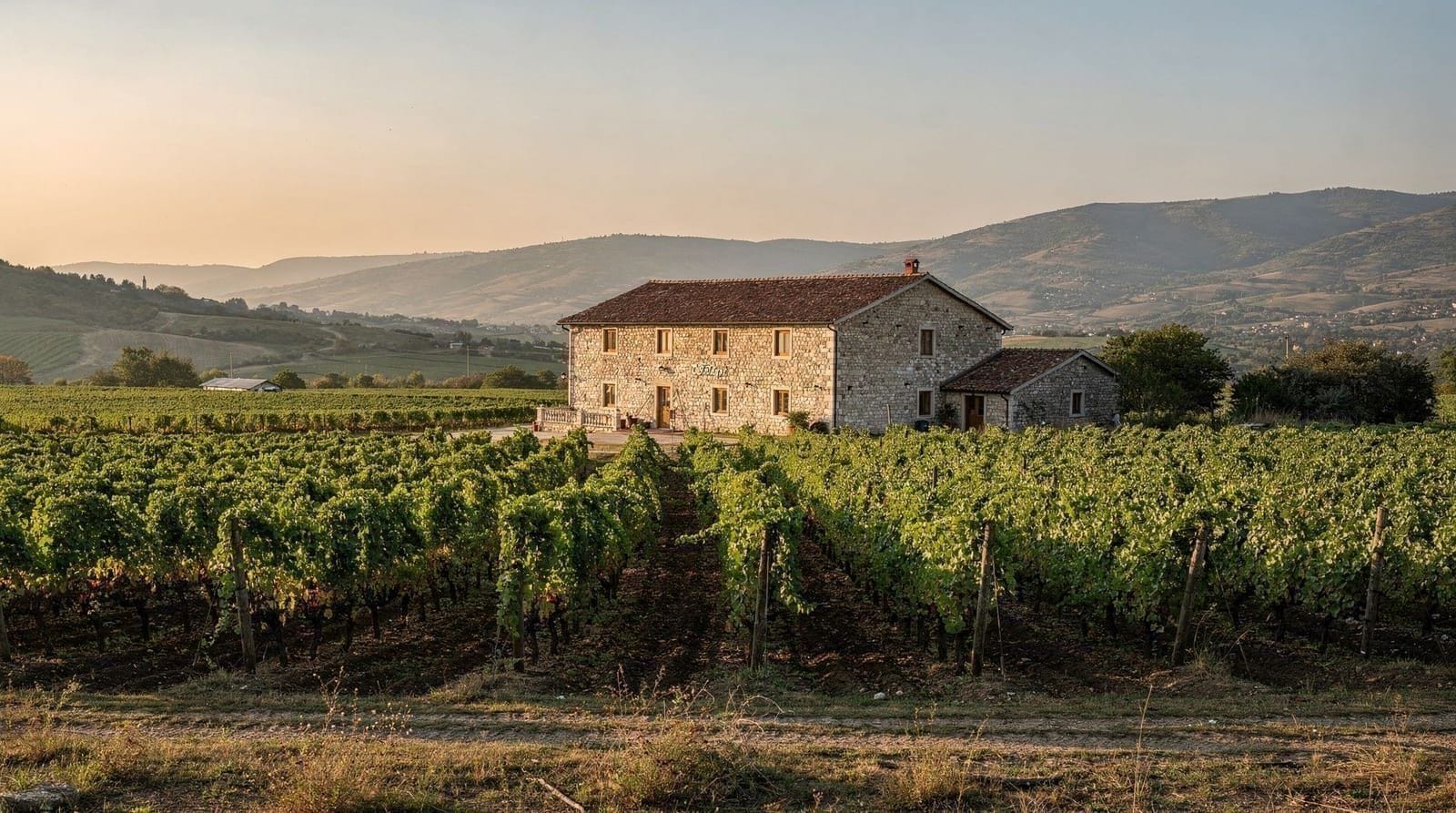
Plovdiv is the most consistently rewarding for a single day — it is closer than Rila (90 minutes rather than 2 hours), has more variety (Old Town architecture, Kapana wine bars, Roman amphitheater), and is easier to navigate without a car. Rila Monastery is better if you specifically want the mountain setting and the monastery’s cultural and architectural atmosphere. If wine is a priority, the Melnik day trip is the most distinctive but the longest day.
Is Boyana Church a good romantic activity for couples?
Yes, and it pairs naturally with a slow evening at the foot of Vitosha. The frescoes are genuinely moving, the timed-entry format keeps groups small and quiet inside, and the village setting afterward is calmer than anywhere in central Sofia. Book the entry slot online ahead of time, particularly for a weekend visit in summer.